


Featured High-Precision Components
Explore our advanced engineered solutions designed for smart household appliances and personal care devices, delivering unmatched reliability and aesthetic quality.
Industrial Landscape & Evolution
How precision injection molding is redefining the standards of modern consumer electronics, home appliances, and personal grooming devices.
The Convergence of Aesthetics, Durability, and Smart Technology
The global market for household appliances and personal care products is undergoing a profound transformation. Today's consumers no longer settle for basic functionality; they demand smart, connected, aesthetically flawless, and highly ergonomic products. From smart vacuum cleaners and automated coffee makers to electric toothbrushes, facial cleansers, and medical-grade personal care devices, the expectation for premium quality is higher than ever. To meet these demands, manufacturers must rely on precision injection molding to produce parts with complex geometries, tight tolerances, and multi-material integration.
Precision injection molding is the backbone of this industrial evolution. It allows for the high-volume production of intricate parts with micro-level accuracy. The integration of advanced plastics, thermoplastic elastomers (TPE), and Liquid Silicone Rubber (LSR) has enabled the creation of products that are not only visually appealing but also water-resistant, durable, and safe for prolonged skin contact. As smart home ecosystems expand, the need for components that house delicate sensors, wireless modules, and power systems within compact, hermetically sealed enclosures has made precision molding an indispensable manufacturing capability.
Key Industry Trend: Multi-Material Integration
Modern consumer devices increasingly combine rigid structural plastics with soft-touch elastomeric grips or transparent optical elements. Utilizing multi-component (2K/3K) injection molding reduces assembly costs, eliminates leak paths, and enhances the overall tactile feel of personal care products.
Market Drivers and Environmental Regulations
Several key factors are driving the adoption of high-precision molding technologies in these sectors:
- Miniaturization of Electronics: Smart personal care devices require ultra-thin wall sections and micro-features to accommodate batteries, circuit boards, and motors without increasing product size.
- Biocompatibility and Safety: Personal care products such as shavers, epilators, and baby care items require materials that are hypoallergenic, resistant to body oils, and easily cleanable. LSR has emerged as the premier material for these applications.
- Sustainability Initiatives: Brands are under pressure to reduce their carbon footprint. This has led to the adoption of biodegradable polymers, post-consumer recycled (PCR) resins, and manufacturing processes that minimize material waste through optimized runner designs and hot-runner systems.
- Automation and Industry 4.0: To remain competitive, manufacturers are shifting toward fully automated production cells that integrate molding, inspection, and packaging, reducing human error and increasing yield rates.
Deep Application Scenarios
An in-depth look at how precision molding solves complex engineering challenges across household and personal care industries.
1. Smart Household Appliances: Durability Meets Intelligence
Modern household appliances are no longer static machines; they are interactive hubs. Devices like smart refrigerators, robotic vacuums, and high-end coffee makers feature touchscreens, internal fluid delivery networks, and moving mechanical parts that require exceptional precision.
For example, in robotic vacuum cleaners, precision injection molding is utilized to manufacture high-wear components such as gear assemblies, drive wheels, and sensor brackets. The structural housing must be impact-resistant yet lightweight to optimize battery life. By employing multi-cavity precision molds, manufacturers can achieve consistent dimensions across millions of cycles, ensuring that gears mesh perfectly and sensors remain aligned to prevent navigation failures.
In kitchen appliances like espresso machines, components are subjected to high pressure, elevated temperatures, and constant exposure to moisture. Multi-component molding is used to bond rigid structural frames with silicone seals, preventing water leakage and pressure loss. This eliminates manual sealing operations, reduces assembly defects, and guarantees a long service life.
2. Personal Care and Grooming Products: Ergonomics and Hygiene
Personal care products are characterized by their close interaction with the human body. Electric toothbrushes, hair removal devices, and facial massagers require a soft, comfortable grip combined with robust internal structures to protect sensitive electronics from water ingress.
Liquid Silicone Rubber (LSR) injection molding is particularly crucial here. LSR is highly flexible, resistant to chemicals, and offers excellent sealing properties. In electric toothbrushes, LSR is overmolded onto a rigid plastic substrate to create a waterproof barrier around the power button and battery compartment. This ensures the device can withstand daily exposure to water and toothpaste without degrading. Additionally, the soft-touch surface improves user grip and dampens motor vibrations, enhancing the overall user experience.
For personal health monitoring devices, such as wearable skin patches or insulin pump housings, precision is a matter of safety. The housings must be molded in cleanroom environments to prevent contamination, with tolerances held to within a few microns to ensure precise mechanical dosing and secure attachment of needle interfaces.
Core Competences
Hongrita's core competences form the foundation of our competitive edge in the plastic industry, enabling us to deliver innovative and tailor-made solutions to diverse sectors.
Our capabilities in ISBM, LSR molding, multi-component molding, tooling, and smart manufacturing collectively strengthen our position as a leading provider of precision plastic components. We continuously pursue technological excellence and sustainable business management practices to serve the medical, healthcare, automotive, and rigid packaging industries.
- Technology Excellence
- LSR (Liquid Silicone Rubber) Molding
- Multi-Component Molding
- ISBM (Injection Stretch-Blow Molding)
- High Performance Tooling Solutions
- Smart Manufacturing
Advanced Technology Integration
By combining multi-material molding with automated post-molding operations, we provide turn-key solutions that reduce time-to-market. Our engineering team optimizes mold designs using advanced flow simulation software, ensuring balanced filling, minimal warpage, and optimal cooling cycles for complex geometries.
Our commitment to sustainability means we actively develop tooling and processing technologies compatible with bio-based plastics and recycled resins, helping our clients meet their environmental targets without compromising on quality or performance.
Advanced Molding Technologies
Leveraging state-of-the-art tooling and machinery to deliver high-performance plastic solutions.
Multi-Component Injection Molding
Combining multiple materials or colors in a single cycle for enhanced functionality and aesthetics.
Multi-Cavitation Mold
High-efficiency, multi-cavity tooling solutions designed for high-volume consumer product manufacturing.
LSR Injection Molding
Liquid Silicone Rubber molding for flexible, hygienic, and highly durable personal care components.
Precision Injection Molding and Equipment
State-of-the-art machinery and cleanroom facilities ensuring micron-level accuracy for every part.
Quality Assurance & Laboratory Testing
Ensuring the highest standards of reliability, safety, and performance through rigorous testing and scientific validation.
-
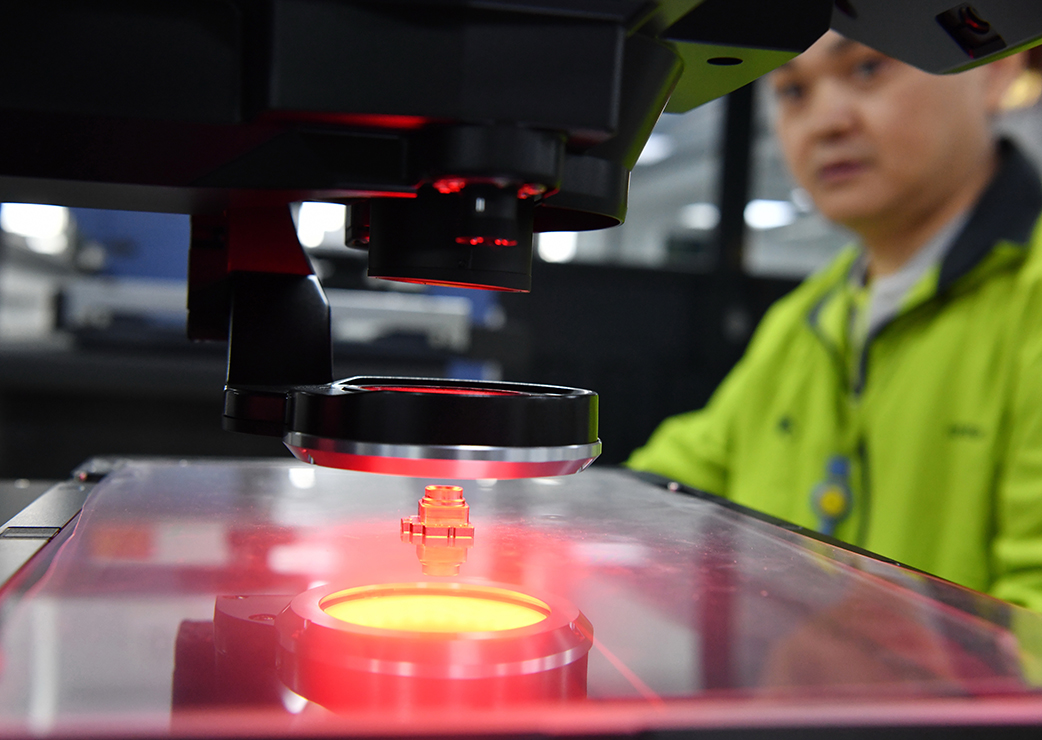
Optical Measurements
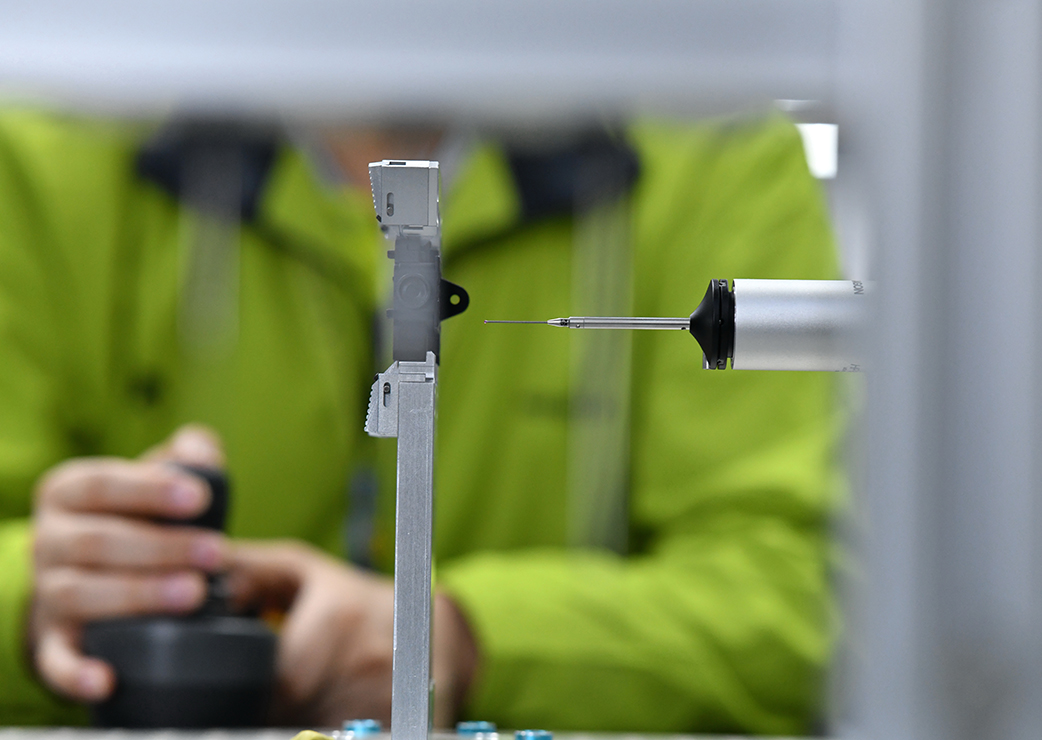
- High-precision measurement
- Non-contact measurement
- Production efficiency improvement
- Quality control and improvement
- Research and innovation in new materials
-
Physical Measurements
-
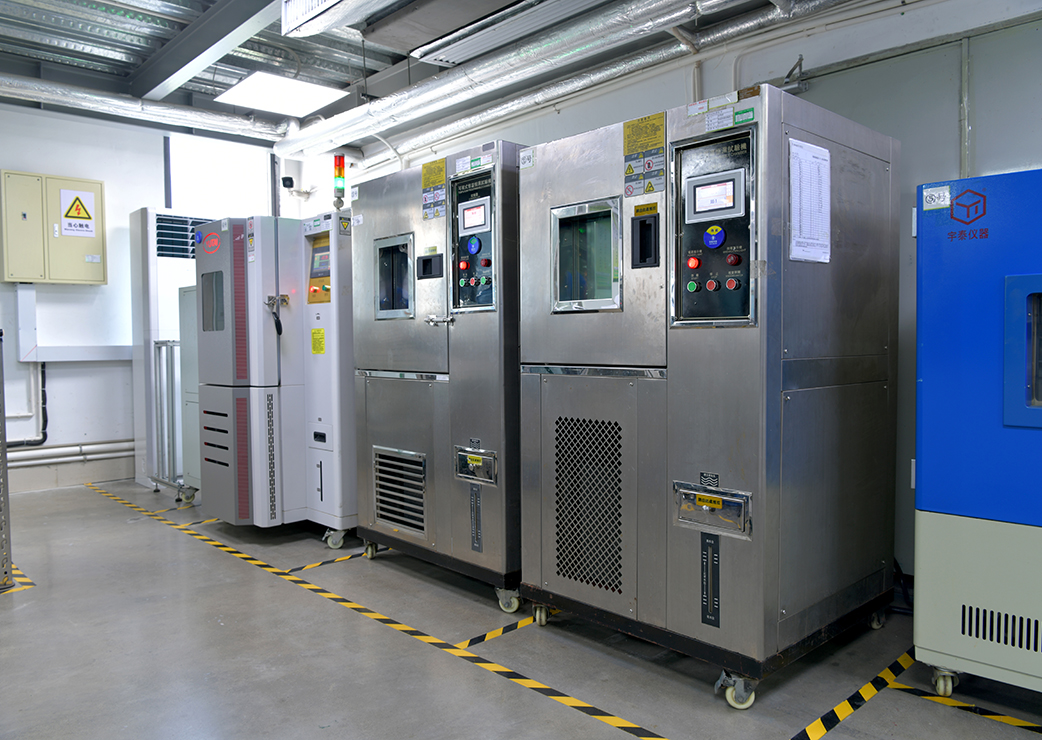
Environmental Testing
-
Reliability Testing
-
Baby Care Product Testing
-
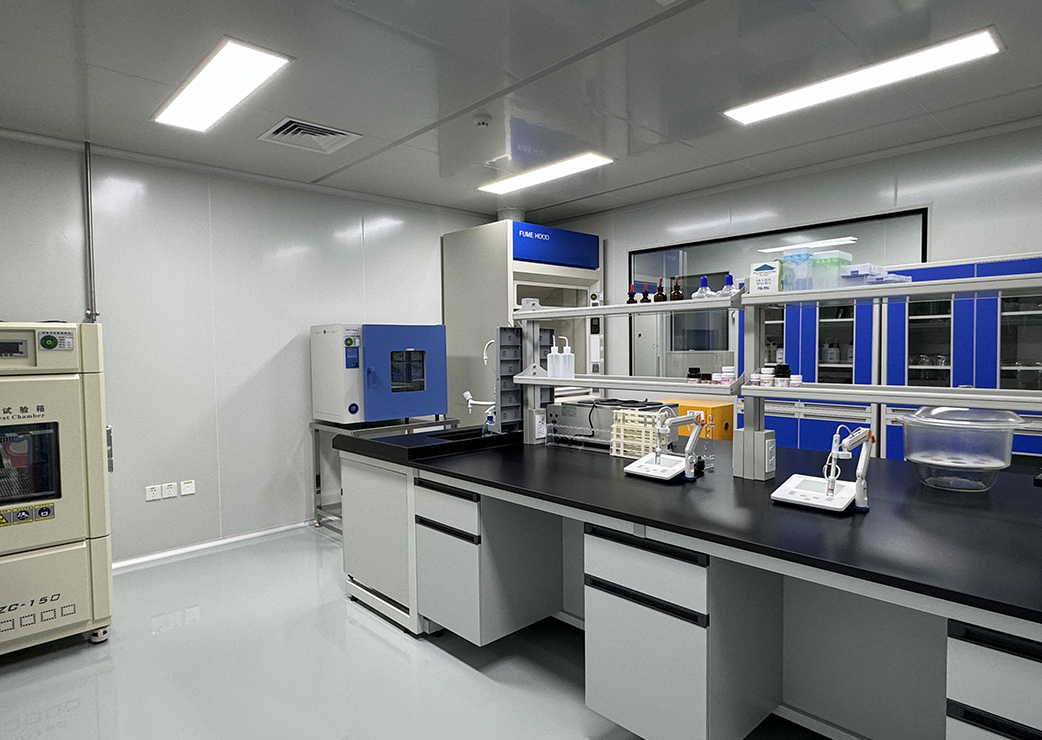
Microbiological Laboratory
-
Physical and Chemical Laboratory


Smart Manufacturing & Industry 4.0
The application of smart systems has enabled Hongrita to achieve better production automation, digital management, and AI-driven decision-making, optimizing operational efficiency and quality management.
High Performance Mold and Smart Manufacturing
Advanced tooling concepts integrated with automated manufacturing systems for rapid, high-quality production.
Precision Injection Molding Workshop
Cleanroom facilities and high-precision injection molding machines operating under real-time monitoring.
Digital Management Systems
Enterprise-level digital systems tracking every phase of production, from raw material to final shipment.
Comprehensive Product Portfolio
Our extensive range of high-precision molded components, engineered to meet the demanding requirements of global consumer and industrial brands.
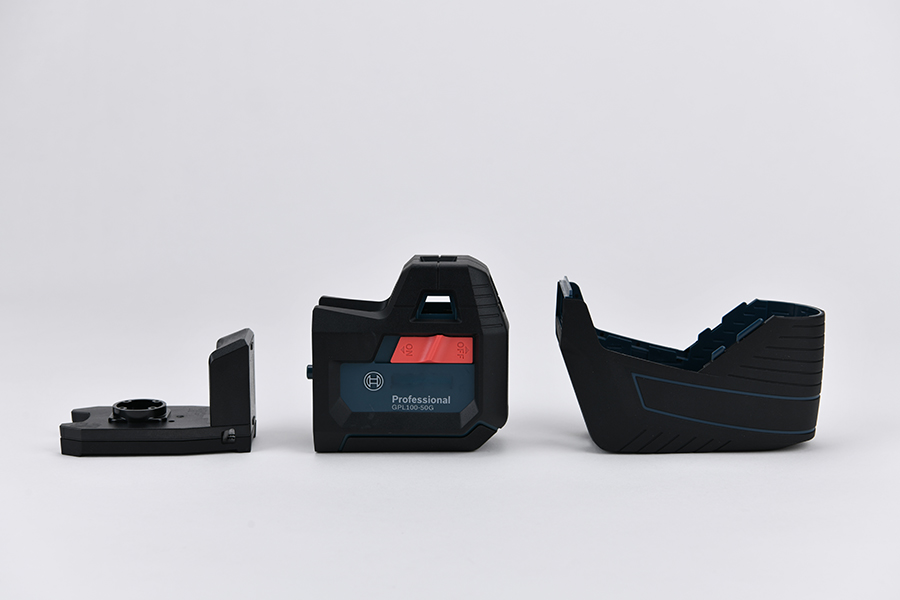
Precision 2K Measuring Gauge for Smart Home Appliances
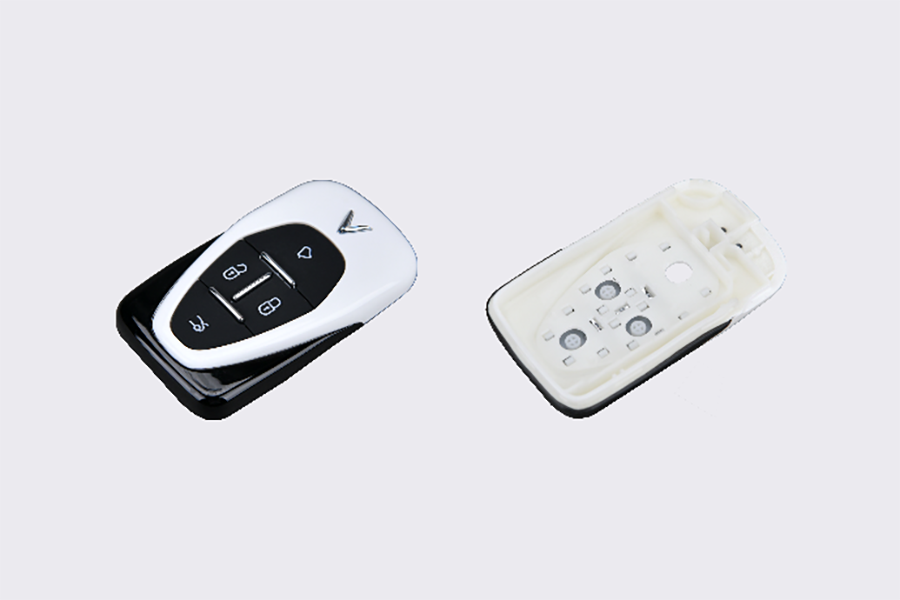
Smart Personal Care Device Controller Keys
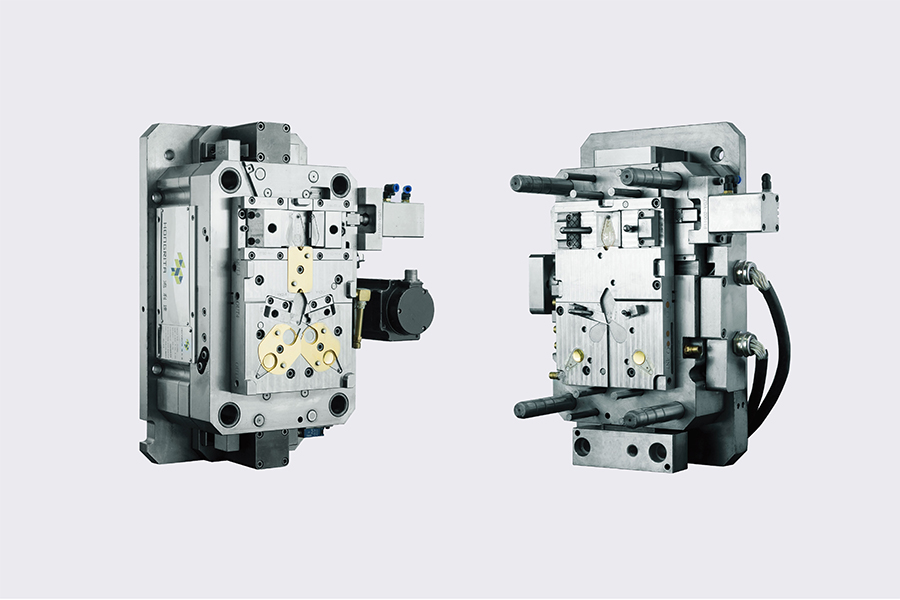
High-Precision Magnifier for Appliance Inspection
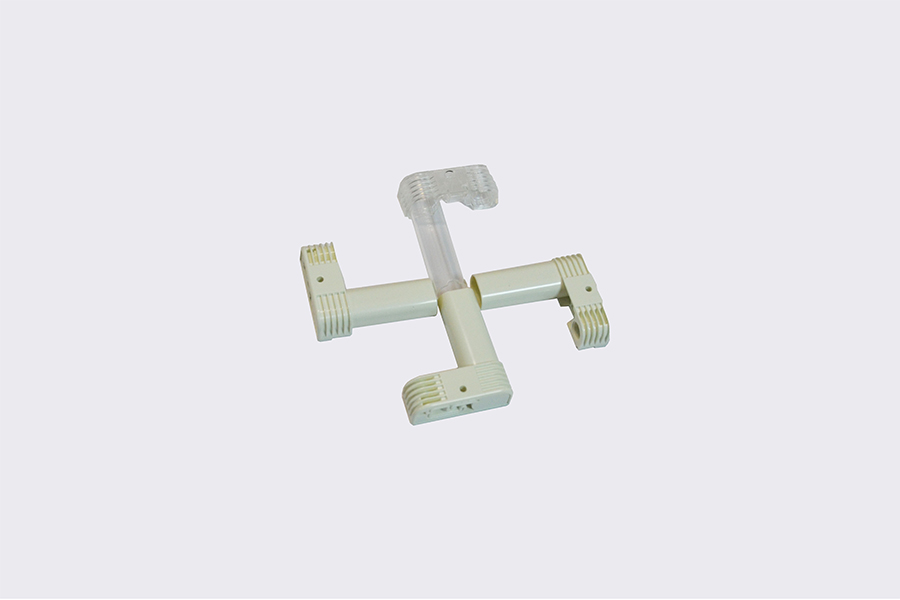
Personal Care Insulin Device Housing
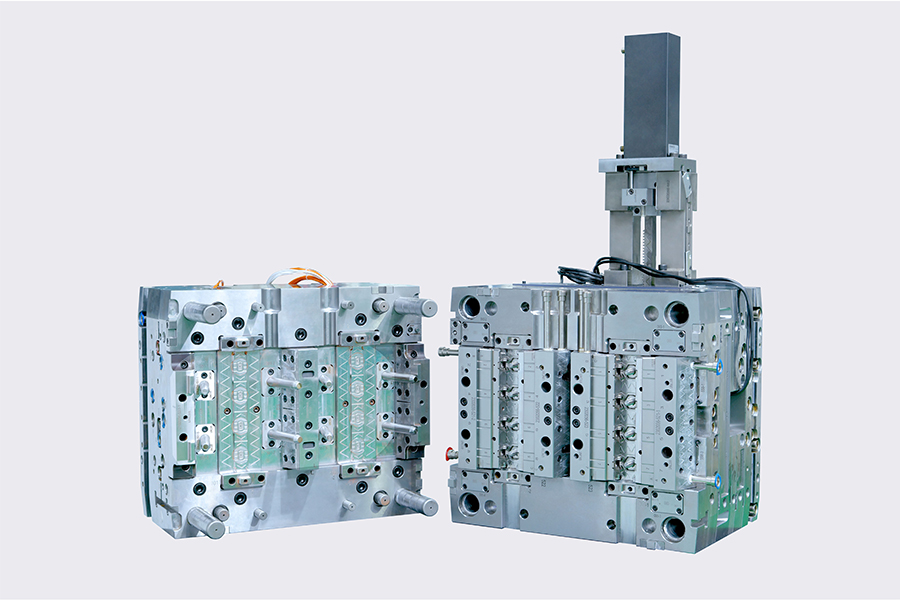
High-Security Intelligent Electronic Locks for Smart Cabinets
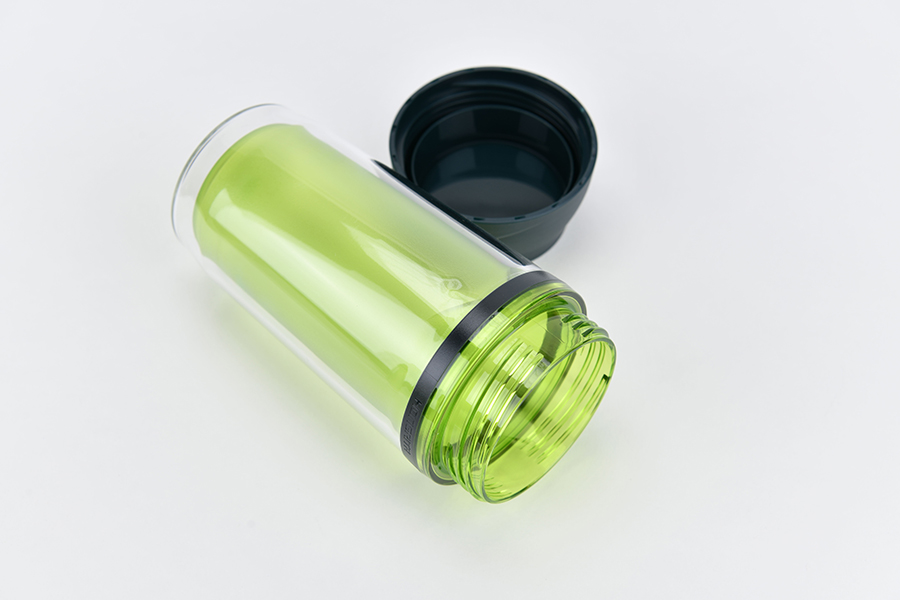
Eco-Friendly 3-Component Insulated Travel Mug for Personal Wellness
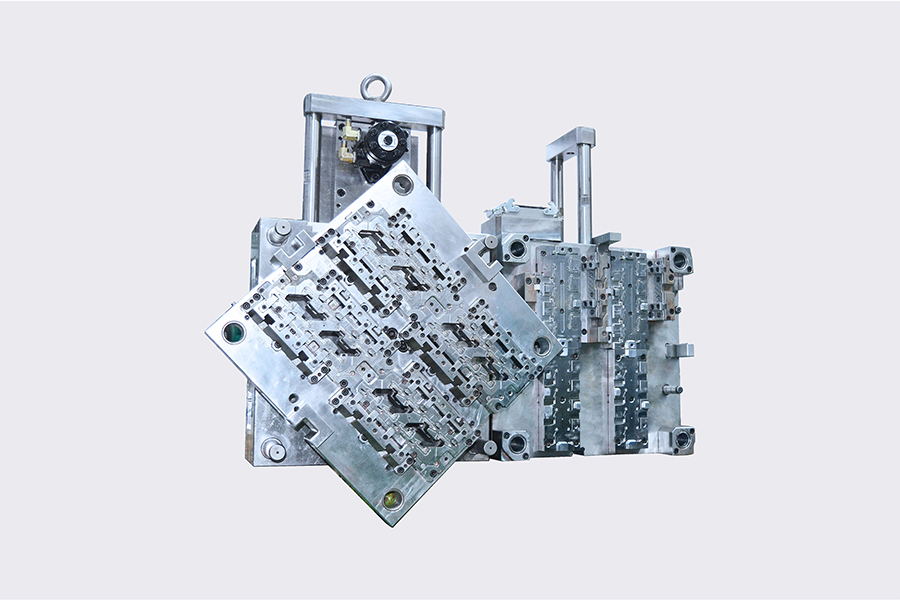
Durable 2K Mounting Clips for Smart Kitchen Appliances
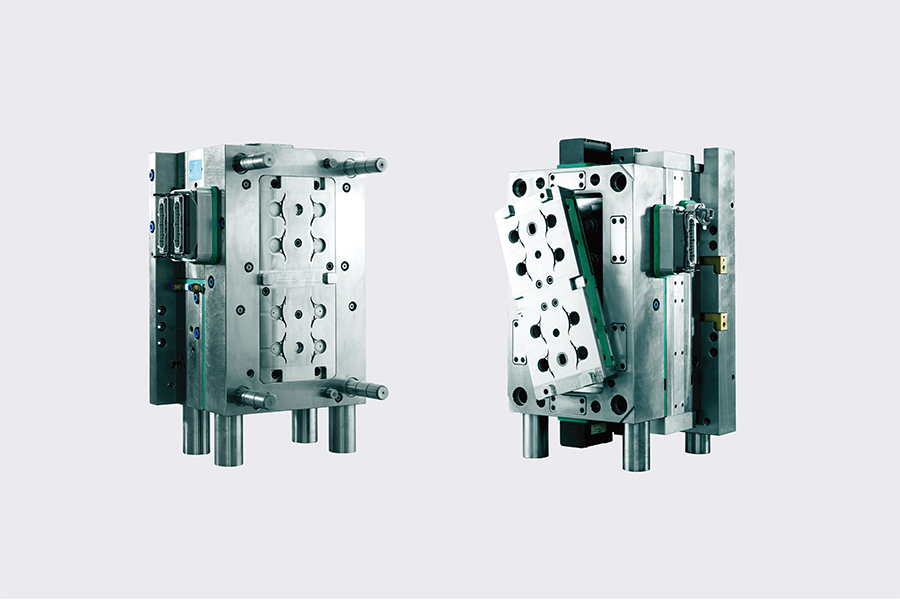
Ergonomic 2K Kitchen Gadgets and Personal Care Tools
Engineering Excellence & Future Innovations
Exploring the core engineering concepts, material sciences, and future outlook of precision injection molding.
Optimizing Mold Flow Analysis for Complex Geometries
Before a mold steel is ever cut, sophisticated Mold Flow Analysis (MFA) is conducted to simulate the injection molding process. For household appliances and personal care products, this step is critical. Parts like thin-walled housings for electric shavers or internal water channels for coffee makers have complex geometries that can easily lead to defects such as air traps, weld lines, and excessive warpage.
Through MFA, our engineers can optimize gate locations, runner sizes, and cooling line configurations. This ensures uniform filling of the cavity, balances the pressure distribution, and reduces internal stresses within the molded part. In multi-component molding, where two or more materials are injected sequentially, MFA helps predict the thermal bonding behavior between the substrate and the overmolded material, ensuring a robust, permanent bond.
Material Selection: TPE vs. LSR in Personal Care Applications
Choosing the right elastomeric material is vital for the success of personal care products. Thermoplastic Elastomers (TPE) and Liquid Silicone Rubber (LSR) are the two primary choices, each offering distinct advantages:
- Thermoplastic Elastomers (TPE): TPEs are highly versatile and cost-effective. They can be easily co-injected with rigid plastics like Polypropylene (PP) or Acrylonitrile Butadiene Styrene (ABS) without the need for adhesive primers. TPEs are ideal for dry-use handles, non-slip feet, and decorative soft-touch elements on household appliances.
- Liquid Silicone Rubber (LSR): LSR offers superior thermal stability, chemical resistance, and biocompatibility. It retains its elasticity at extreme temperatures (from -50°C to over 200°C) and is highly resistant to UV radiation and ozone. For personal care products that come into contact with skin or require frequent sterilization—such as facial cleansing brushes, baby bottle nipples, and medical-grade personal care devices—LSR is the gold standard. Its low viscosity allows it to flow easily into micro-features, enabling the production of extremely fine details and thin seals.
The Role of High-Performance Tooling in High-Volume Production
Precision injection molding is only as good as the tool that produces the parts. High-performance tooling solutions are engineered to withstand the extreme pressures and temperatures of continuous, high-volume production cycles. Using premium tool steels, advanced heat treatment processes, and precision CNC machining, we build molds that maintain dimensional stability over millions of cycles.
For high-volume consumer goods, multi-cavity molds are essential to maximize throughput and reduce unit costs. However, maintaining consistency across 16, 32, or 64 cavities requires exceptional engineering. Our multi-cavity molds utilize balanced hot runner systems and independent cavity inserts, allowing for precise control over the molding parameters of each individual part. This level of control minimizes part-to-part variation, ensuring that every component meets the strict quality standards required by our global clients.
Future Outlook: Sustainable Practices and AI Integration
The future of precision injection molding lies in the integration of sustainable practices and digital intelligence. As environmental regulations tighten, the industry is transitioning toward circular economy models. This involves not only using recycled and bio-based plastics but also designing parts for easier disassembly and recycling at the end of their lifecycle.
On the manufacturing front, the integration of Artificial Intelligence (AI) and the Internet of Things (IoT) is transforming traditional molding workshops into smart factories. Sensors embedded within the molds and injection molding machines collect real-time data on temperature, pressure, and cycle times. AI algorithms analyze this data to predict equipment maintenance needs, detect potential quality defects before they occur, and automatically adjust processing parameters to maintain optimal production conditions. This level of automation and predictive control minimizes downtime, reduces scrap rates, and ensures consistent quality, positioning us at the forefront of the precision injection molding industry.