
The Critical Role of Precision Injection Molding in the EV Revolution
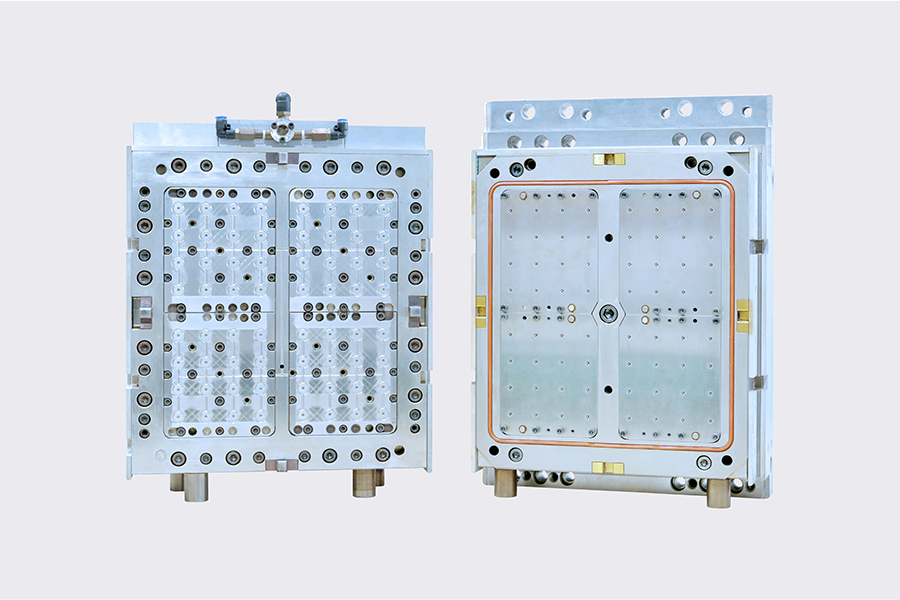
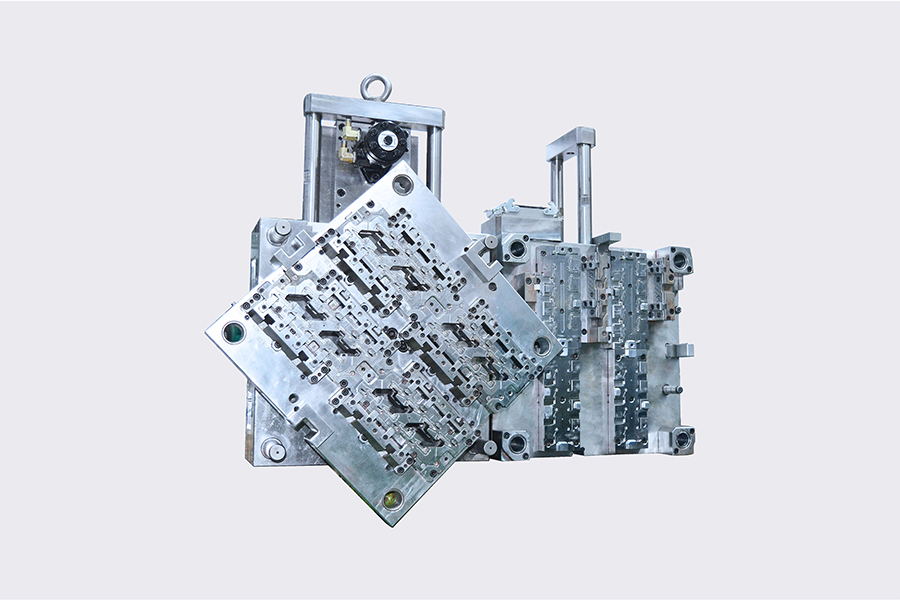
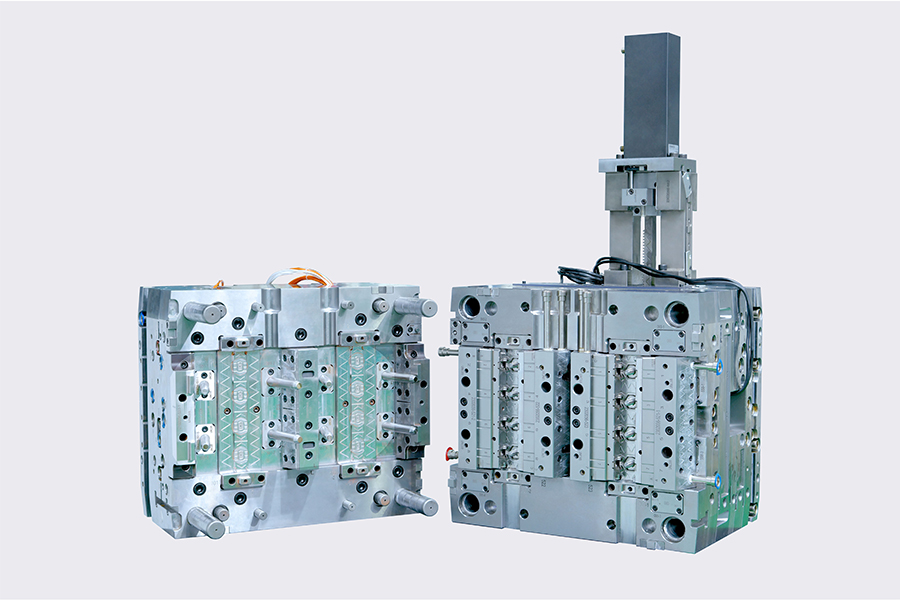
In the rapidly evolving landscape of Electric Vehicles (EVs), the demand for high-performance components has never been greater. Precision injection molding stands at the forefront of this industrial shift, providing the necessary accuracy and material integrity for critical sealing and electrical systems. As EVs transition from niche products to mainstream transportation, manufacturers face the challenge of managing higher voltages, sensitive electronics, and extreme environmental conditions.
Electrical Integrity
Ensuring zero-leakage insulation for high-voltage battery systems and connectors.
Environmental Sealing
LSR and TPE overmolding to protect sensitive sensors from moisture and dust (IP69K).
Lightweighting
Replacing heavy metal housings with high-strength engineering plastics to extend range.
Modern EV architectures require components that can withstand thermal cycling while maintaining dimensional stability. Precision molding allows for tolerances as tight as +/- 0.005mm, essential for the complex interlocking parts found in battery management systems (BMS) and power distribution units (PDU).
Industrial Trends: LSR and Multi-Material Molding (2K/3K)
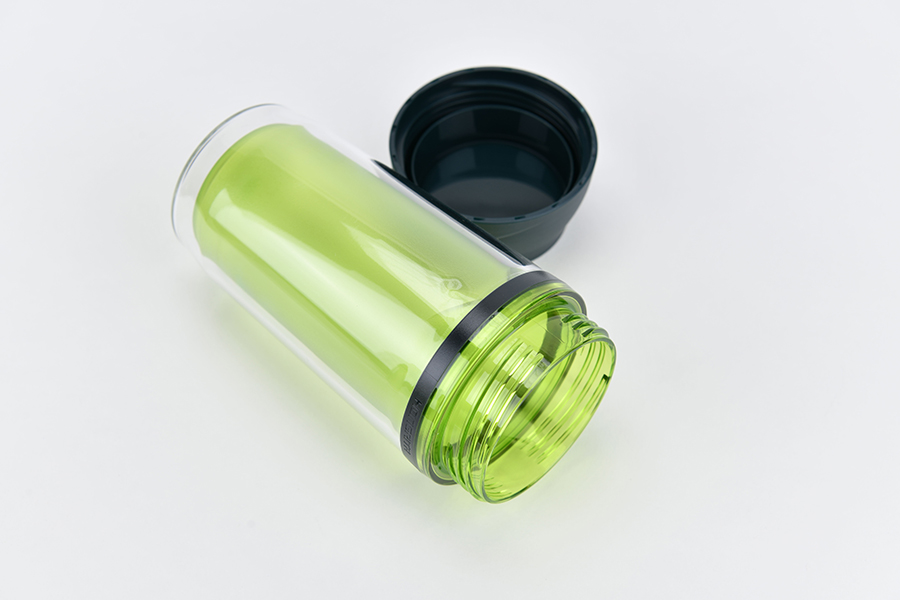
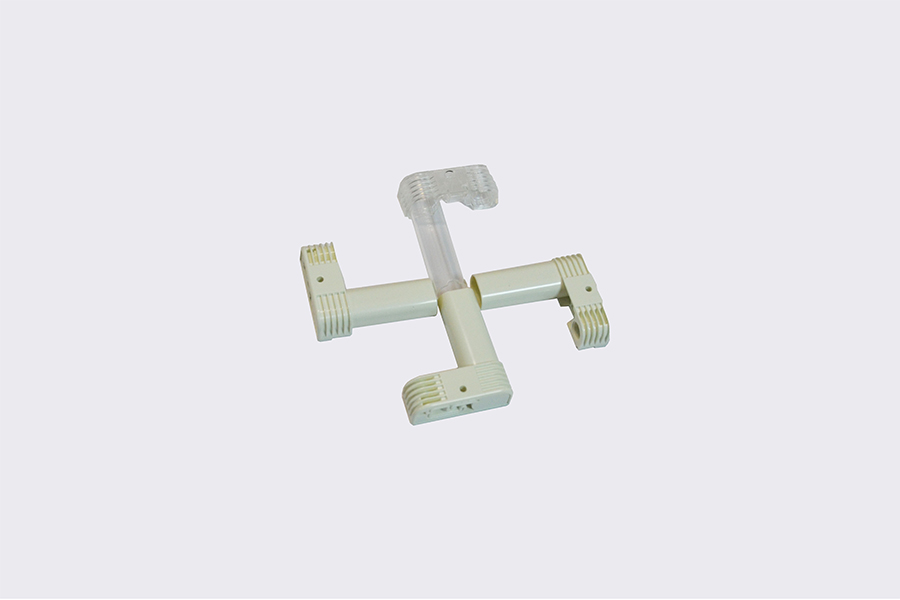
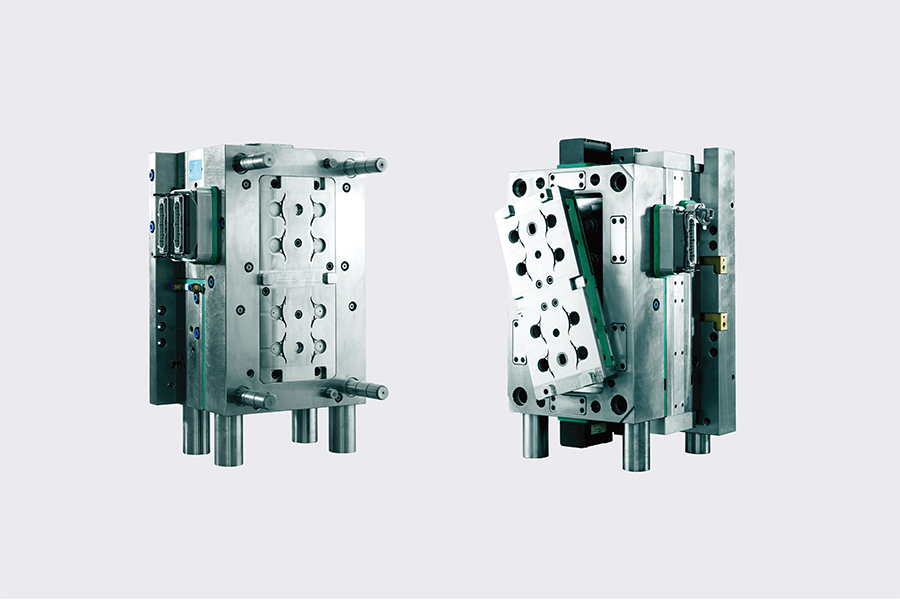
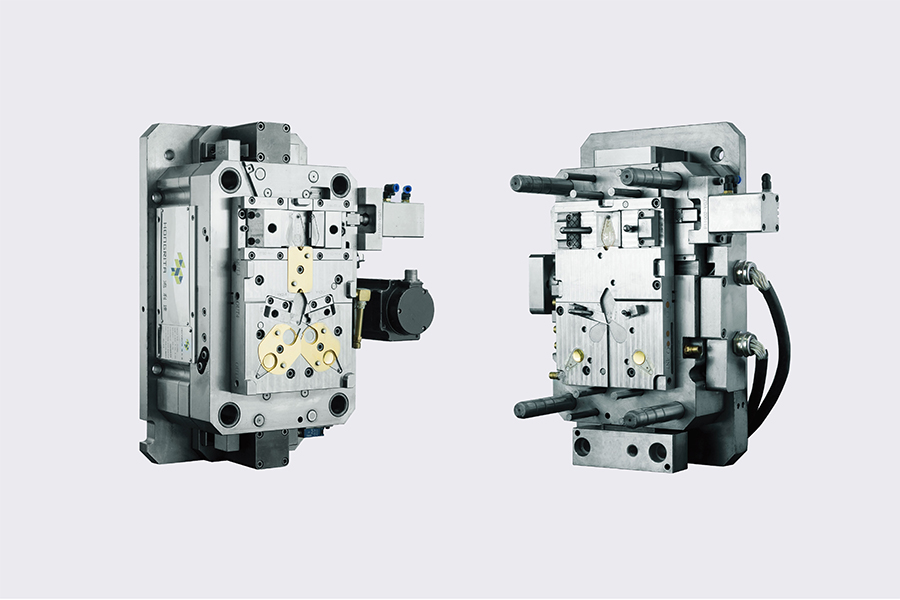
One of the most significant trends in EV component manufacturing is the adoption of Liquid Silicone Rubber (LSR) overmolding. LSR offers unparalleled thermal stability and compression set resistance, making it the gold standard for EV sealing. By utilizing 2K (two-shot) molding, we can bond a rigid thermoplastic housing directly with a soft LSR seal in a single cycle. This eliminates secondary assembly steps, reduces potential leak paths, and significantly lowers production costs.
Deep Application Analysis: From Battery Packs to ADAS
The application of precision molding in EVs extends far beyond simple plastic covers. In Advanced Driver Assistance Systems (ADAS), precision-molded housings protect delicate radar and LiDAR sensors. Any warp or shrinkage in these parts could misalign the sensor, leading to safety failures. Furthermore, in the thermal management system, molded cooling plates and connectors must resist aggressive coolants over a 15-year vehicle lifespan.
As we look toward the future, the integration of "Smart Plastics"—conductive polymers and molded interconnect devices (MID)—will further revolutionize EV electrical components by embedding circuitry directly into the molded part, further reducing weight and space.
GLOBAL MANUFACTURING EXCELLENCE
-

Shenzhen Hub
Focusing on the 3C and intelligent technology components business, overseas commercial mold business, and in-house use molds.
-

Zhongshan R&D
Serving as Hongrita's hub for innovation R&D, engineering, major projects and production; proving grounds for intelligent manufacturing.
-

Penang Expansion
Developing tooling and molding business in Southeast Asia; serving as a training base for our growing overseas team.
OUR STORY & HERITAGE

Founded in 1988
After completing the apprentice program, Mr. Felix Choi founded Hongrita, specializing in precision plastic molds. From a humble workshop to a global leader, our spirit of innovation drives us forward.

Technological Breakthroughs
In 2003, we pioneered multi-material/multi-component molding. By 2012, Hongrita achieved breakthroughs in LSR (Liquid Silicone Rubber) technology, setting new industry benchmarks.
MANAGEMENT & QUALITY ASSURANCE
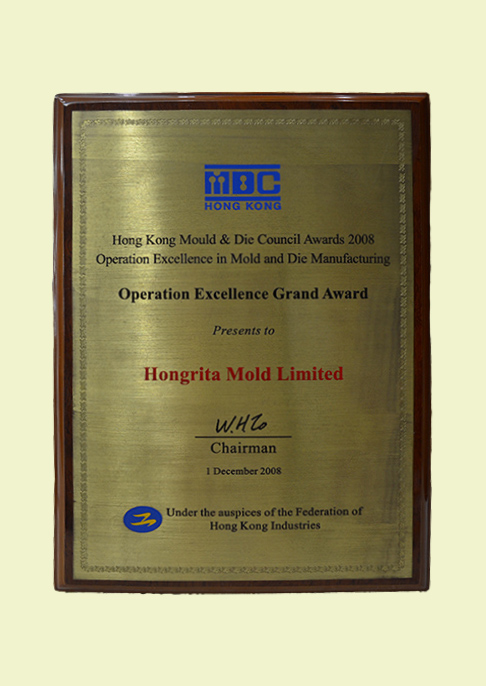
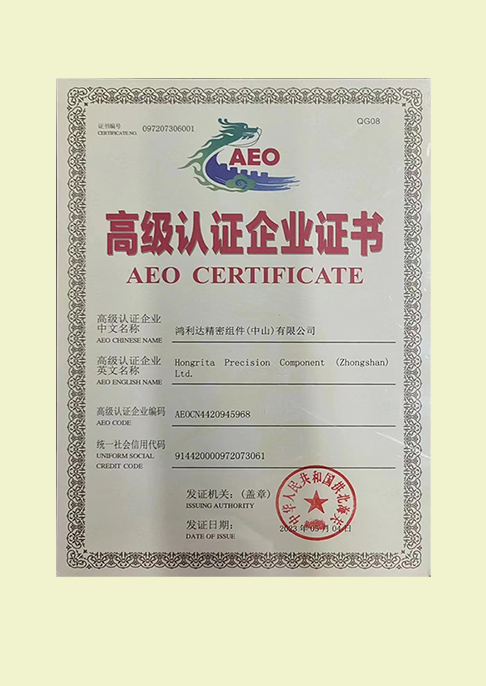
Hongrita is certified with ISO14001, ISO9001, IATF16949, ISO13485, and more, ensuring the highest standards for EV and Medical industries.