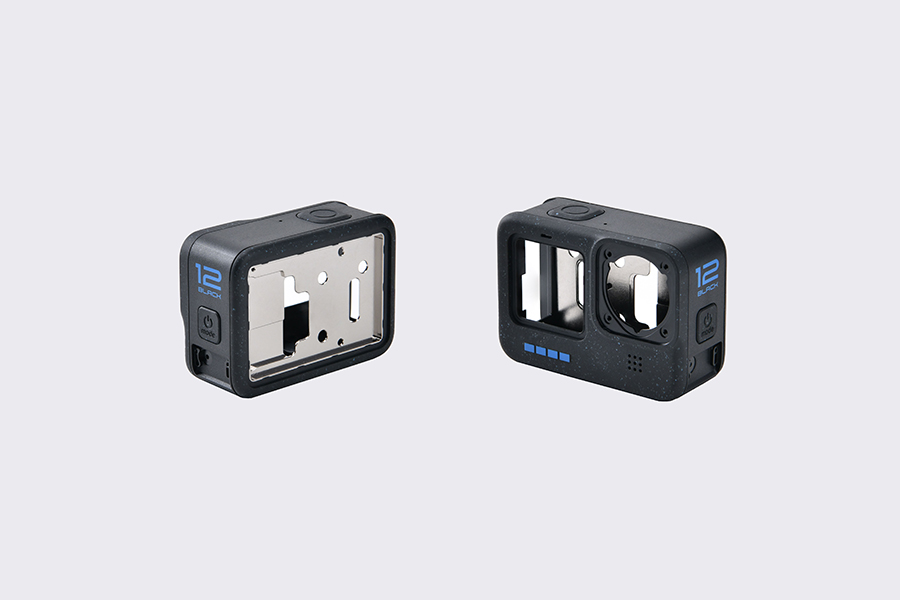
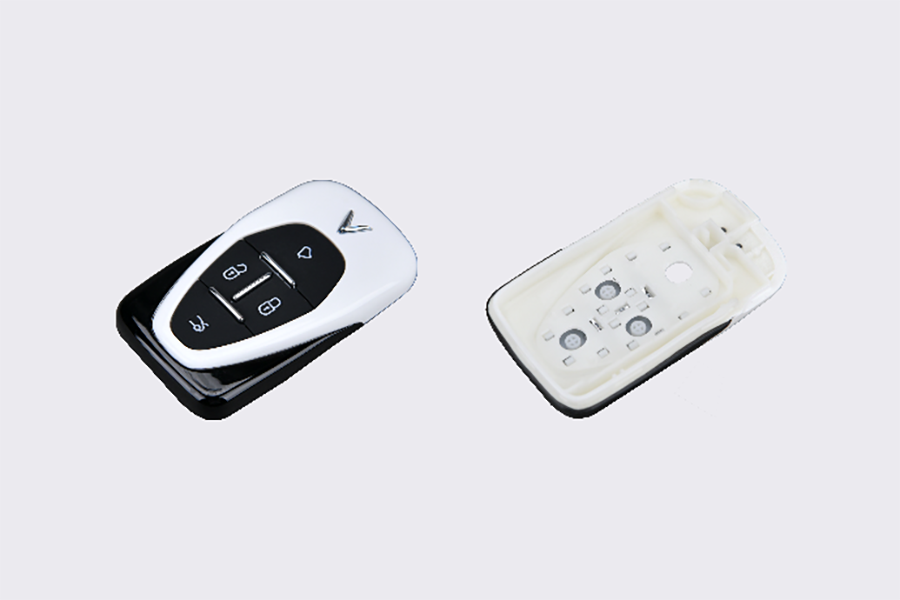
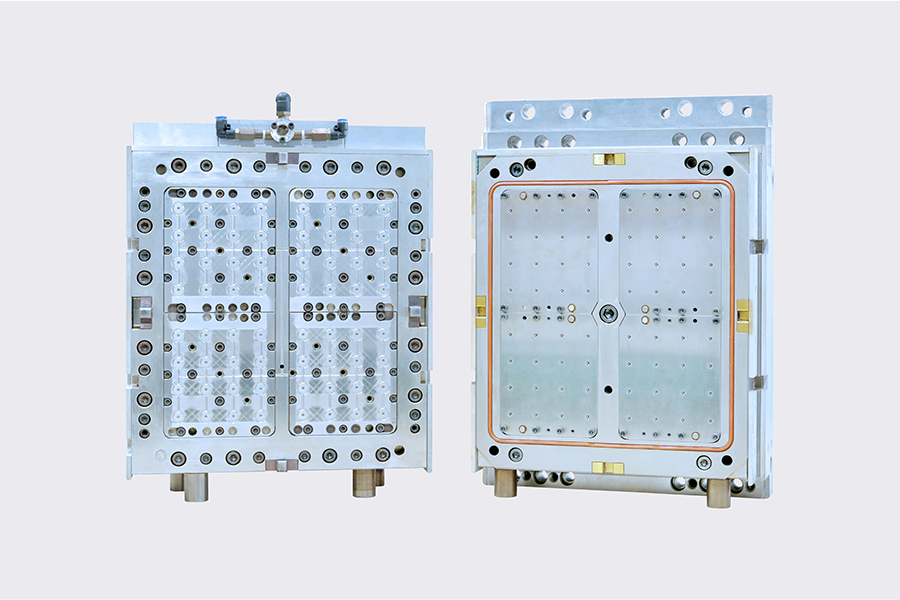
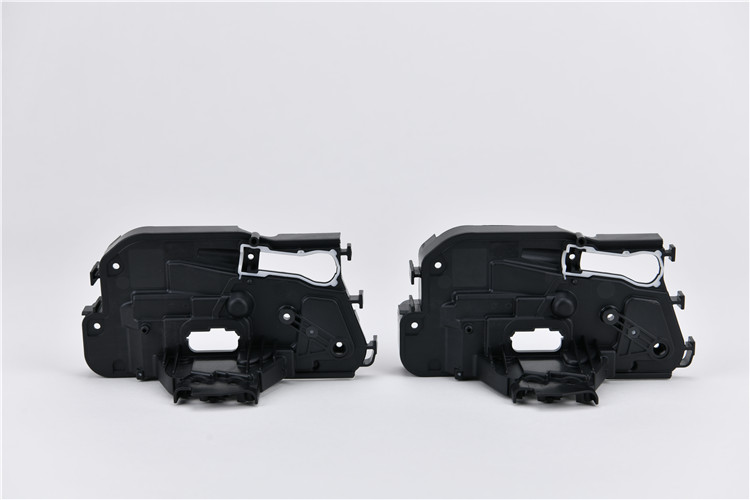
Featured Precision Molded Modules
Explore our advanced multi-component, LSR, and high-performance injection-molded solutions engineered for high-end cosmetic closures and rigid packaging systems.
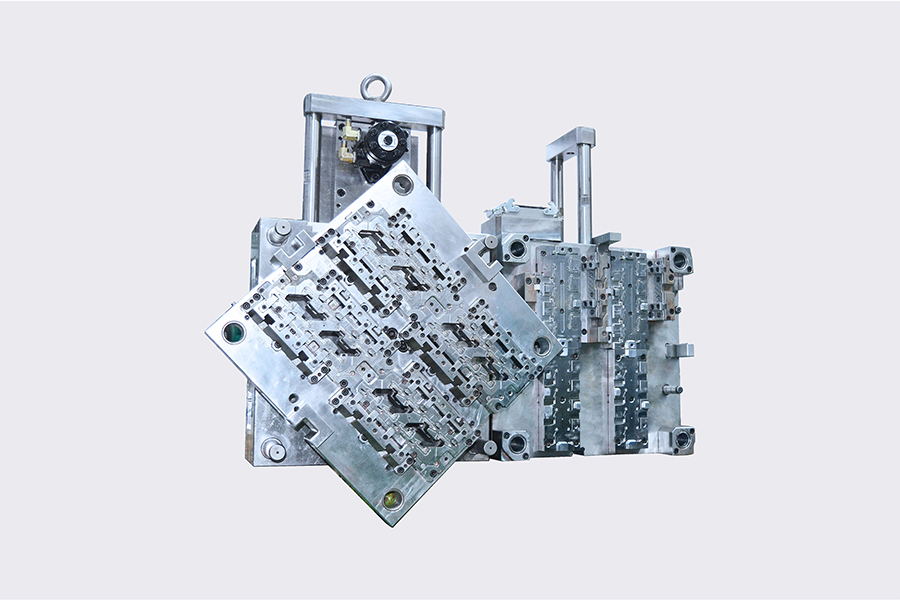
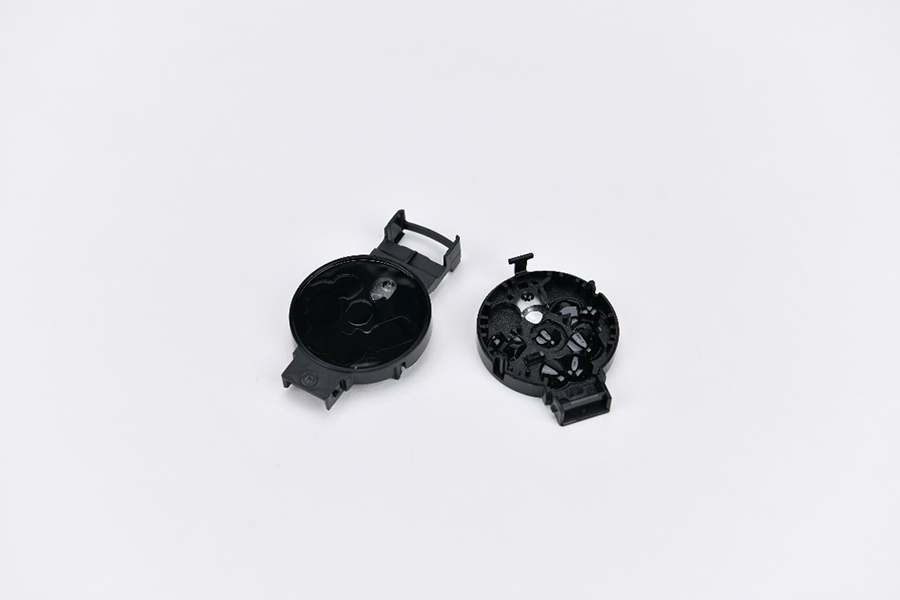
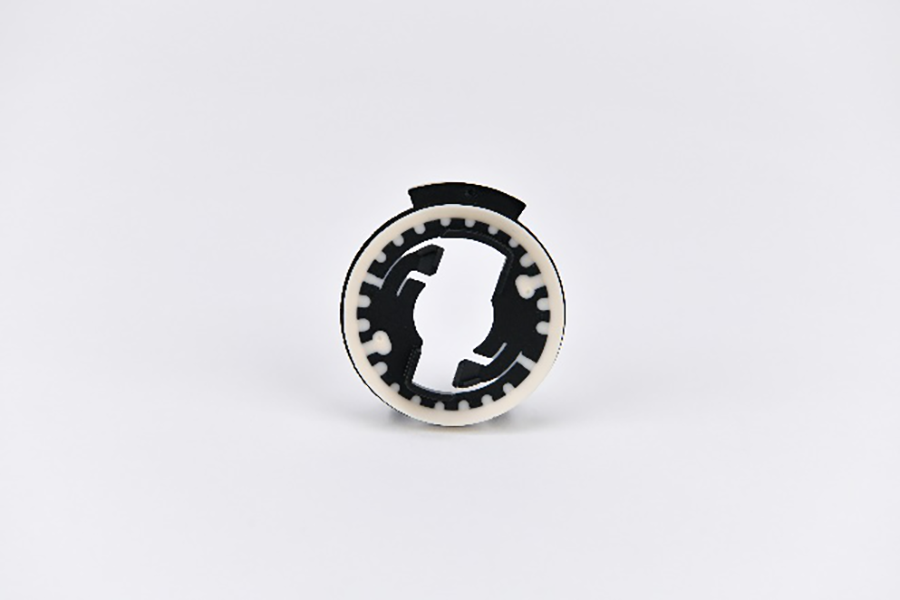
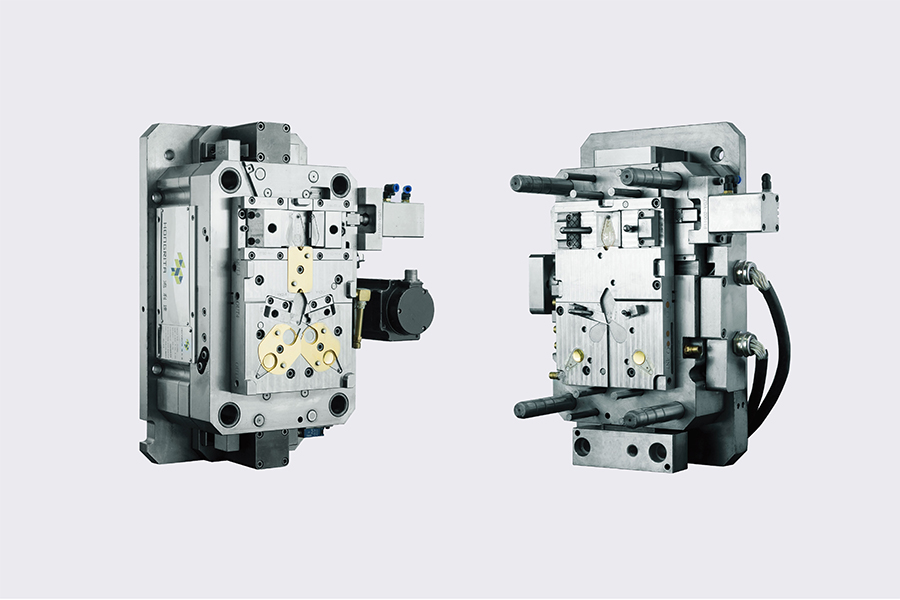
The Industrial Landscape of Cosmetic & Rigid Packaging
In the highly competitive sectors of cosmetics, personal care, and rigid packaging, packaging is no longer just a container—it is a critical extension of the brand identity, a guarantee of product integrity, and a driver of consumer experience. Today, global cosmetic packaging is witnessing an unprecedented shift toward premiumization, functional complexity, and environmental sustainability. Achieving these goals requires manufacturing technologies that can deliver flawless surface finishes, micro-scale tolerances, and robust mechanical structures. This is where precision injection molding becomes indispensable.
Rigid packaging, spanning from luxury perfume caps, double-walled jars, and lipstick cases to pharmaceutical containers and dispensing pumps, demands meticulous manufacturing. The components must not only look aesthetically perfect—free of weld lines, sink marks, or flash—but they must also function seamlessly. A dispenser pump, for instance, relies on micro-molded valves and springs with tolerances tighter than 10 microns to prevent leakage and ensure exact dosage. Precision injection molding provides the toolmakers and designers with the capabilities to achieve these demanding specifications repeatedly across millions of production cycles.
Evolving Trends in Luxury Cosmetic Packaging
Modern consumers demand tactile satisfaction. The "click" of a magnetic lipstick cap, the smooth resistance of a cream jar lid, and the soft-touch feel of a compact case are all carefully engineered parameters. To meet these aesthetic and tactile requirements, manufacturers are adopting several key trends:
- Multi-Component (2K/3K) Molding: Combining hard resins (like PMMA, ABS, or PCTG) with soft elastomeric compounds (like TPE or LSR) in a single cycle to create integrated seals, gaskets, and soft-touch surfaces without the need for secondary assembly.
- Glass-like Polymers: Replacing heavy glass with thick-walled, crystal-clear polymers (such as heavy-walled PETG or PMMA) to achieve luxury aesthetics with shatterproof durability and reduced shipping weights.
- Post-Consumer Recycled (PCR) Integration: Formulating high-precision tools that can accommodate the variations in flow behavior and shrinkage associated with PCR resins without compromising the structural integrity or cosmetic appeal of the final packaging.
- Sustainable Monomaterial Designs: Redesigning multi-layer and multi-material packaging into single-polymer systems (e.g., all-polypropylene dispensing pumps) to facilitate easier recycling processes.
Core Competences
Hongrita's core competences form the foundation of our competitive edge in the global plastics industry, specifically tailored to meet the strict aesthetic and functional demands of the cosmetic and rigid packaging sectors.
- Technology Excellence: Continuous R&D driving breakthrough solutions in micro-molding and surface texturing.
- LSR (Liquid Silicone Rubber) Molding: Specialized in cleanroom LSR molding for premium seals, valves, and baby care applications.
- Multi-Component Molding: Advanced 2K, 3K, and multi-station rotary mold designs for complex multi-material parts.
- ISBM (Injection Stretch-Blow Molding): Ideal for producing highly transparent, lightweight, and high-barrier containers.
- High Performance Tooling Solutions: In-house precision tool design utilizing premium steel grades and optimized thermal management.
- Smart Manufacturing: Fully integrated digital tracking, automated robotics, and real-time cavity pressure monitoring.
Strategic Value Proposition
Hongrita's core competences in ISBM, LSR molding, multi-component molding, tooling, and smart manufacturing collectively strengthen its position as a leading provider of precision plastic components and products. These competences allow Hongrita to deliver innovative and tailor-made solutions to diverse industries, including medical, healthcare, automotive, and rigid packaging, while continuously pursuing technological excellence and sustainable business management practices.
Advanced Molding Technologies
Unlocking new design possibilities through state-of-the-art tooling and injection molding processes optimized for high-cavitation production.
Deep-Dive Application Scenarios in Cosmetic & Rigid Packaging
Precision injection molding is the catalyst for innovation across multiple packaging formats. By understanding the specific mechanical and material requirements of each application, packaging engineers can optimize production for cycle time, cost, and cosmetic quality.
1. Multi-Component Luxury Closures & Overcaps
Luxury perfume caps and cosmetic jars often utilize a multi-layer design to achieve a premium weight and visual depth. This is typically accomplished by overmolding an inner core made of functional resin (like PP for chemical resistance to oils and alcohol) with an outer shell of heavy-walled, high-clarity PMMA or Surlyn. The challenge lies in preventing thermal degradation at the interface and managing different shrinkage rates to avoid internal stresses that cause crazing or cracking. Precision mold temperature control and sequential valve gate control are critical to achieving a perfect, seamless bond.
2. High-Precision Dispensing Pumps and Valves
The dispensing pump is the most complex assembly in rigid packaging, consisting of up to ten individual molded components, including pistons, stem valves, housings, and nozzles. A minor deviation in mold dimensions can lead to pump failure, priming issues, or chemical leakage. Through high-cavitation precision molding, manufacturers can produce millions of these micro-components with absolute consistency. Furthermore, integrating Liquid Silicone Rubber (LSR) co-injection molding allows for the direct integration of elastomeric valves onto rigid plastic stems, eliminating assembly steps and minimizing potential leak paths.
3. Sustainable Thin-Wall Packaging
To reduce plastic consumption and lower carbon footprints, rigid packaging brands are actively reducing the wall thickness of containers and tubs. However, thin-wall injection molding requires extremely high injection pressures, high speeds, and balanced hot runner systems to ensure complete cavity filling before the melt freezes. Precision tooling with conformal cooling channels is utilized to ensure rapid, uniform cooling, preventing part warpage and maintaining dimensional stability for secure lid sealing.
4. Medical-Grade Beauty and Personal Care Packaging
For preservative-free formulas, organic skin care, or clinical beauty products, the packaging must be manufactured in a controlled environment to prevent contamination. Cleanroom injection molding, coupled with advanced microbiological and physical testing laboratories, ensures that the packaging components meet strict hygienic standards, protecting both the formula and the consumer.
Laboratory & Quality Assurance
Our state-of-the-art testing laboratories ensure that every precision-molded component complies with international quality, safety, and performance standards.
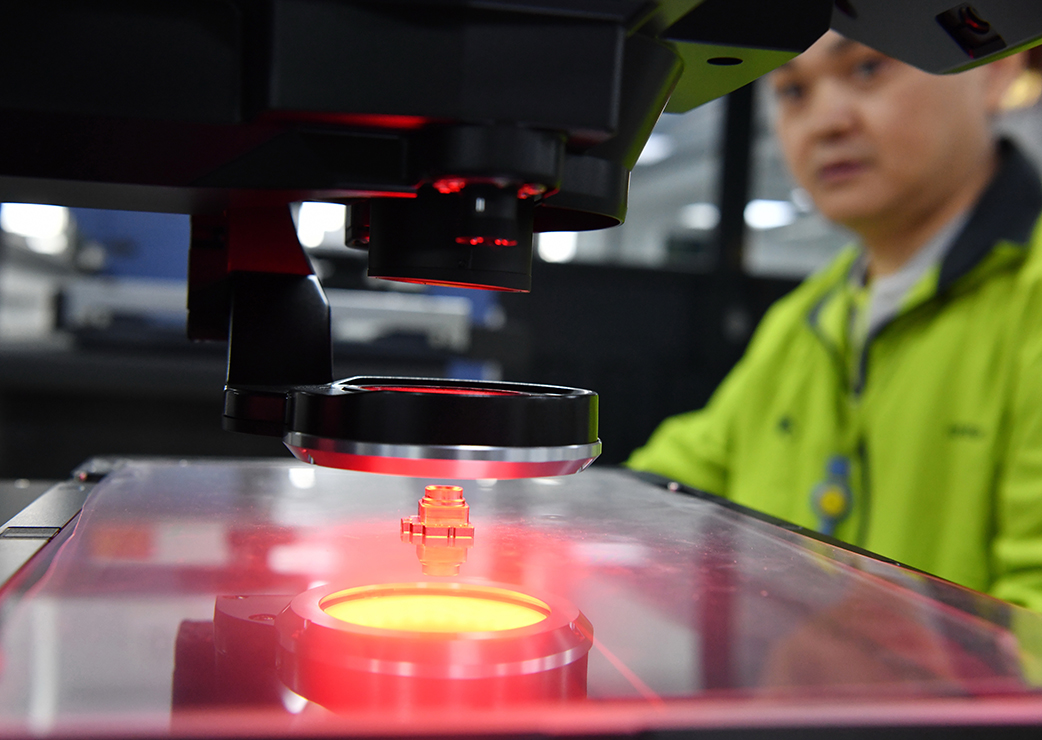
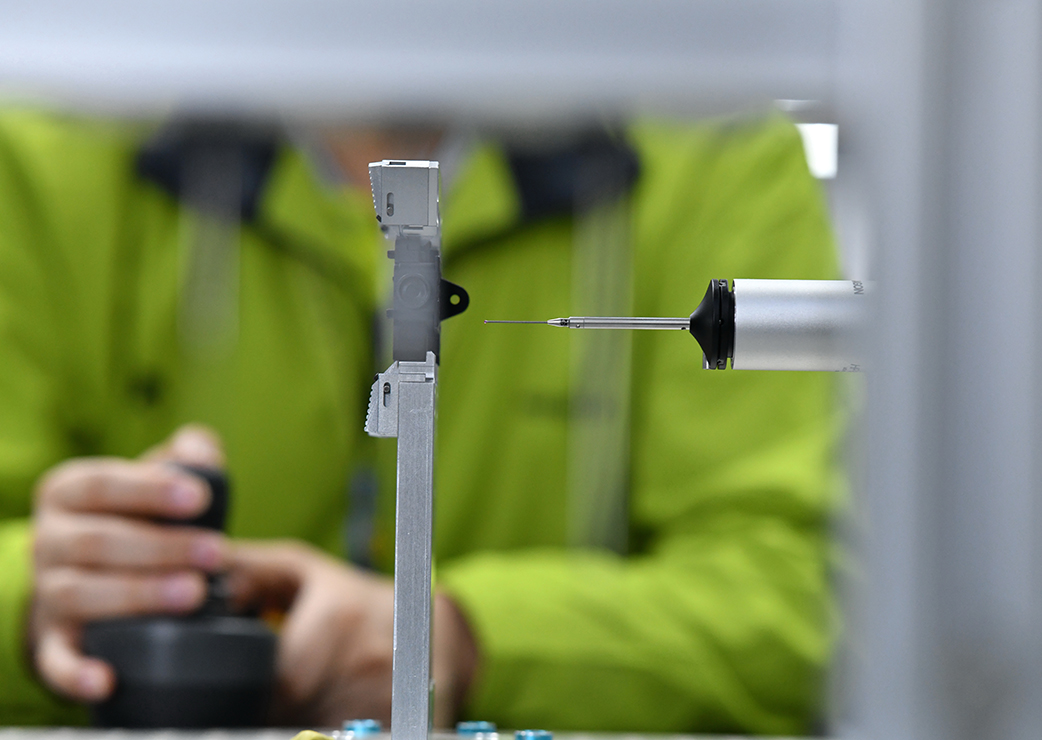
Optical Measurements
- High-precision measurement
- Non-contact measurement
- Production efficiency improvement
- Quality control and improvement
- Research and innovation in new materials
Physical Measurements
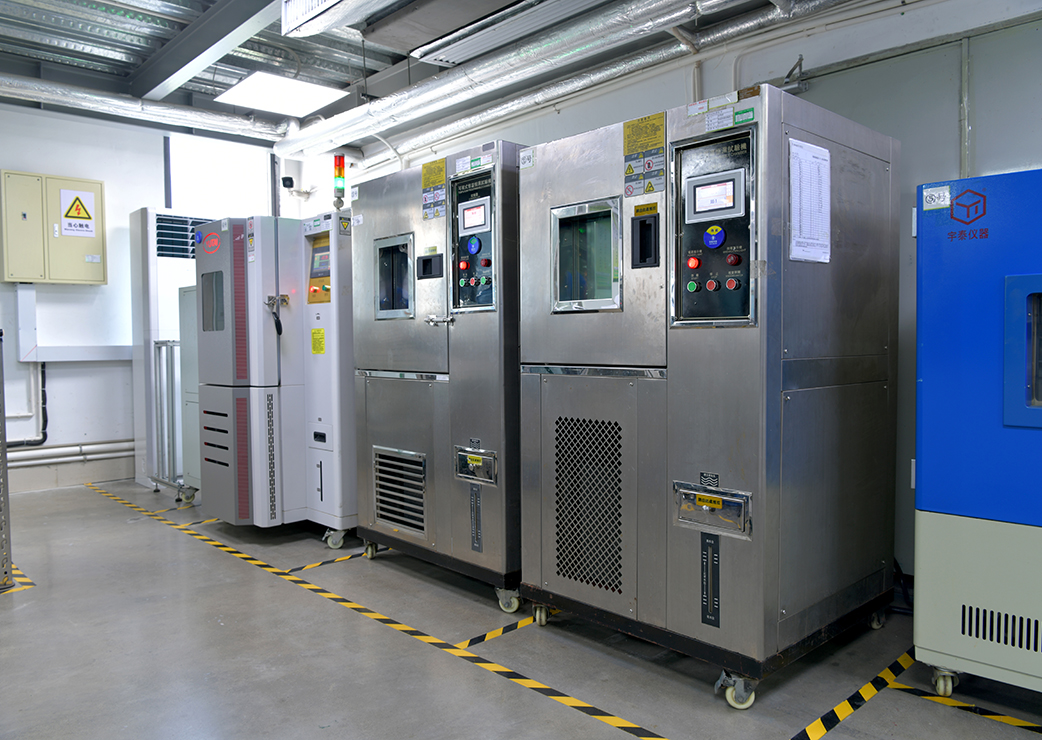
Environmental Testing
Reliability Testing
Baby Care Product Testing
Microbiological Laboratory
Physical and Chemical Laboratory


Smart Manufacturing and AI-Driven Quality Systems
The integration of Industry 4.0 technologies has revolutionized the precision injection molding workflow. Modern factories leverage IoT-connected sensors, real-time data analytics, and automated material handling systems to maximize yield and eliminate defect rates. By embedding cavity pressure and temperature sensors directly into the mold, the injection molding machine can dynamically adjust injection parameters (such as holding pressure and screw speed) in real-time to compensate for slight variations in material viscosity or ambient humidity.
Artificial Intelligence (AI) algorithms analyze historical production data to predict tool wear and schedule preventive maintenance before quality deviations occur. This level of smart manufacturing ensures that high-cavitation molds (sometimes containing up to 128 cavities) maintain consistent part dimensions and flawless cosmetic finishes across millions of cycles. For cosmetic packaging brands, this translates to guaranteed batch-to-batch consistency, reduced scrap rates, and faster time-to-market.
Smart Manufacturing & Digitalization
Enhancing factory intelligence, optimizing enterprise operational efficiency, and strengthening industry competitiveness through digital management and AI-driven decision systems.
High Performance Mold and Smart Manufacturing
Integrating advanced thermal designs, conformal cooling channels, and high-precision tooling to achieve rapid cycle times and superior surface finishes.
Read MorePrecision Injection Molding Workshop
Equipped with state-of-the-art electric injection molding machines, automated robotic arms, and cleanroom environments for medical and cosmetic production.
Read MoreDigital Management
Real-time MES monitoring, ERP integration, and predictive maintenance schedules powered by AI data analysis to guarantee zero-defect manufacturing.
Read MoreComprehensive Product Showcase
Explore our full spectrum of high-precision molded components, ranging from automotive safety parts and optical lenses to specialized cosmetic and consumer rigid packaging solutions.