


The Evolution of Precision Injection Mold in Medical Technology
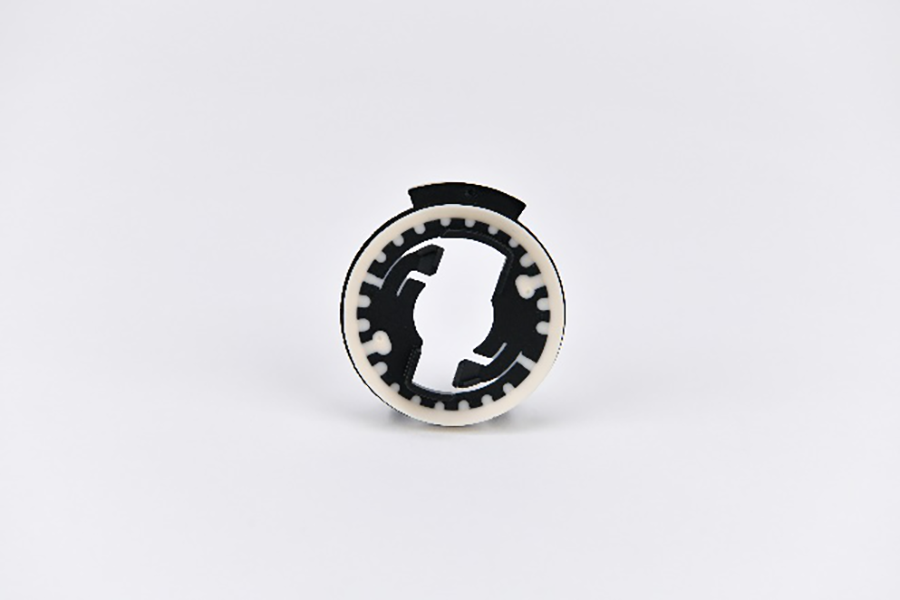
In the contemporary landscape of healthcare, the demand for Precision Injection Mold For Medical Devices And Medical Components has reached unprecedented levels. As medical procedures become increasingly minimally invasive and diagnostic tools more portable, the components powering these innovations require tolerances measured in microns. Precision injection molding is no longer just a manufacturing process; it is the backbone of patient safety and clinical efficacy.
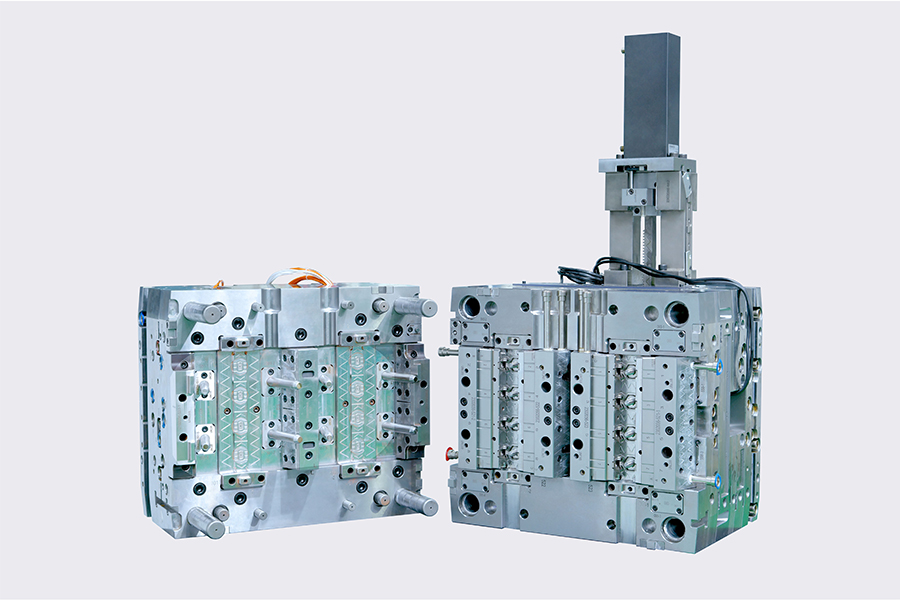
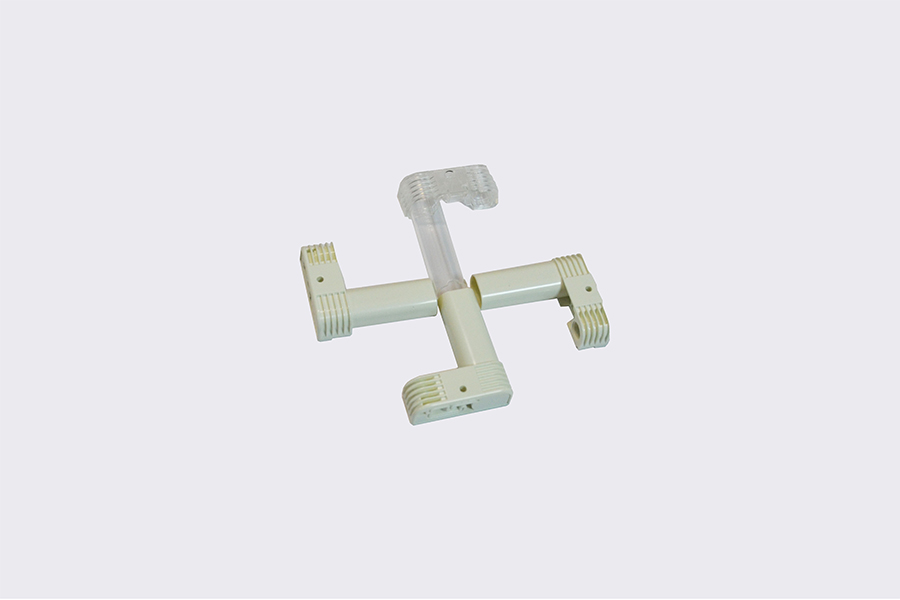
Industrial trends indicate a massive shift toward High-Performance Tooling Solutions and Multi-Component Molding. These technologies allow for the integration of rigid plastics with soft-touch elastomers (LSR) in a single cycle, reducing contamination risks and assembly costs. For medical device OEMs, this means faster speed-to-market and enhanced product reliability. The global medical plastics market is projected to grow significantly, driven by the aging population and the rise of home-based healthcare devices like insulin pumps and wearable sensors.
Micro-Precision
Achieving sub-millimeter accuracy for complex internal geometries in surgical instruments.
Cleanroom Standards
Production in ISO-certified environments to ensure zero contamination for implantable parts.
Material Innovation
Expertise in PEEK, PPSU, and bio-compatible LSR for long-term medical applications.
Core Competences in Medical Molding
Hongrita's core competences form the foundation of the competitive edge at plastic industry:
- Technology Excellence
- LSR (Liquid Silicone Rubber) Molding
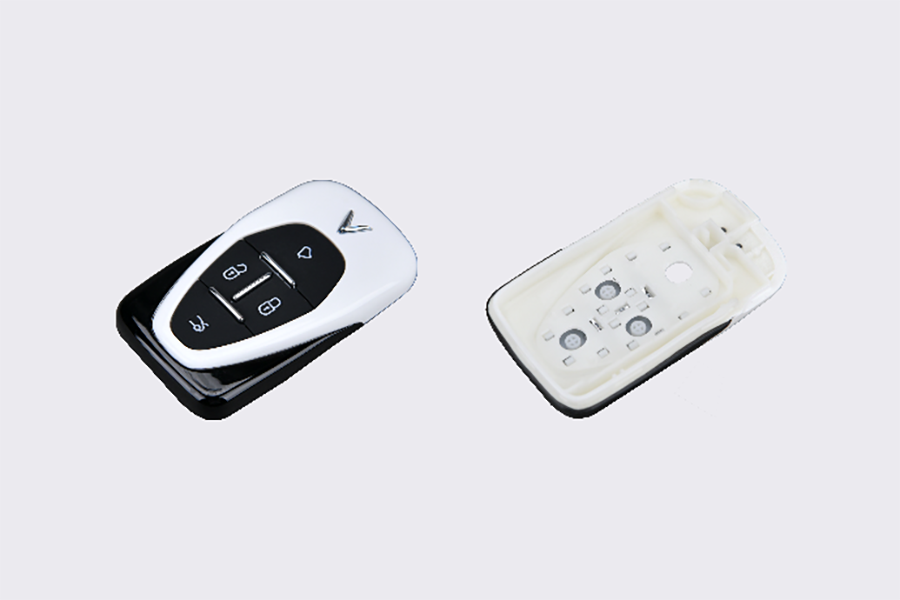
- Multi-Component Molding
- ISBM (Injection Stretch-Blow Molding)
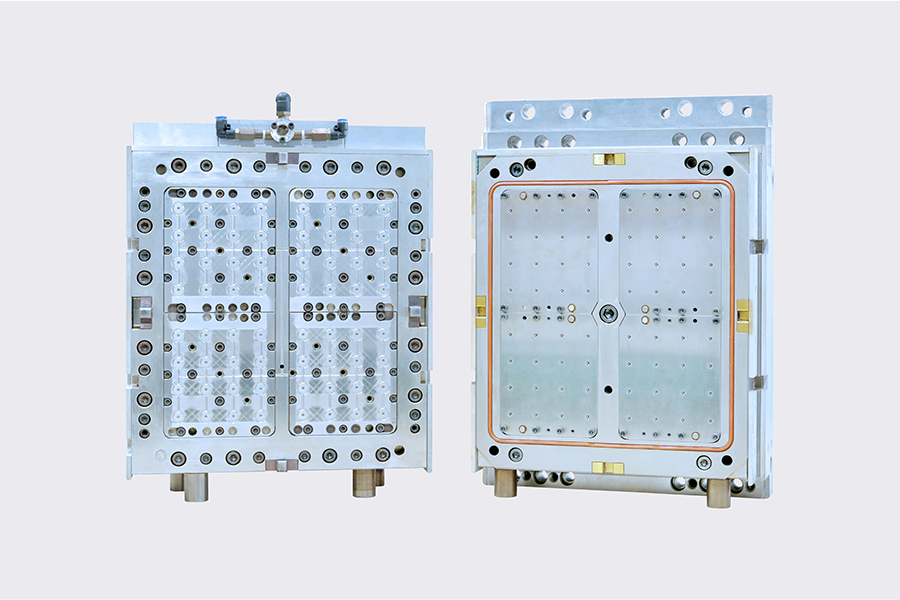
- High Performance Tooling Solutions
- Smart Manufacturing
Hongrita's core competences in ISBM, LSR molding, multi-component molding, tooling, and smart manufacturing collectively strengthen its position as a leading provider of precision plastic components and products. These competences allow Hongrita to deliver innovative and tailor-made solutions to diverse industries, including medical, healthcare, automotive, and rigid packaging.
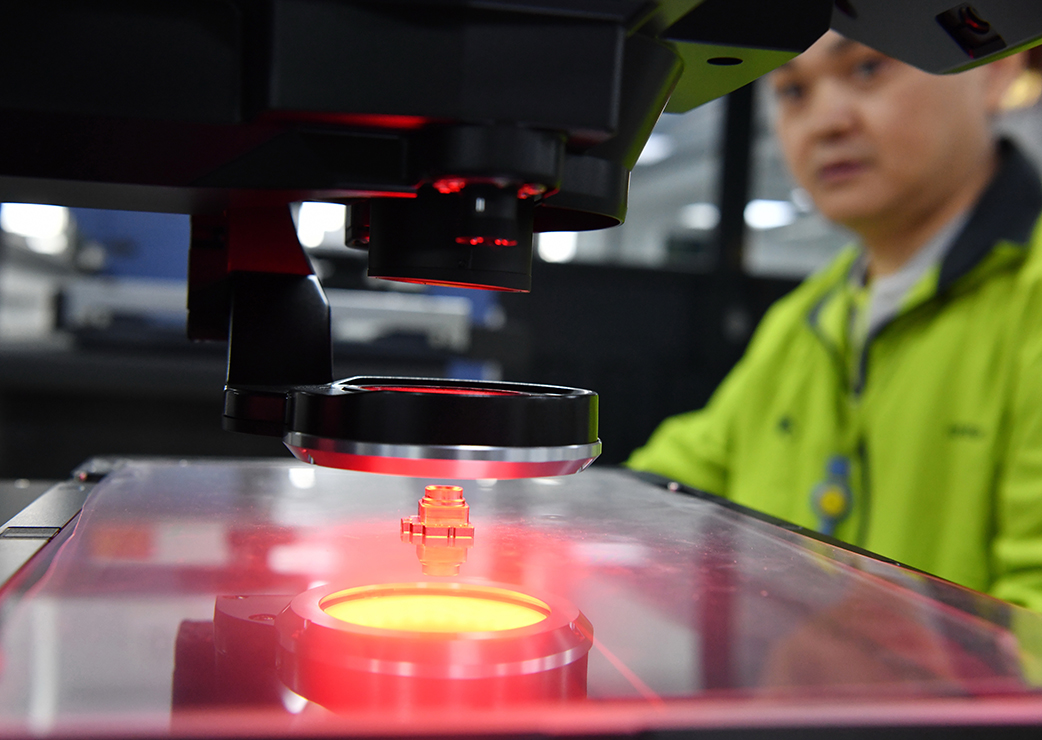
Deep Application Scenarios for Medical Components
1. Drug Delivery Systems
From insulin pens to inhalers, precision injection molding ensures that dosage mechanisms function with absolute consistency. A variation of even 0.01mm could result in incorrect medication delivery. Our Multi-Cavitation Molds allow for high-volume production without sacrificing the integrity of these critical components.
2. In-Vitro Diagnostics (IVD)
Modern diagnostic cartridges require complex microfluidic channels. Utilizing Smart Manufacturing and AI-driven quality control, we produce clear, high-precision housings that allow for accurate optical sensing and fluid movement, essential for rapid testing kits.
3. Surgical Robotics & Wearables
The rise of robotic-assisted surgery demands lightweight yet incredibly strong structural components. By leveraging Multi-Component Injection Molding, we combine structural polymers with conductive elements or soft grips, creating ergonomic and functional parts for the next generation of surgical tools.
Advanced Laboratory & Quality Assurance
Our commitment to medical-grade quality is backed by rigorous testing protocols. We don't just manufacture; we validate.
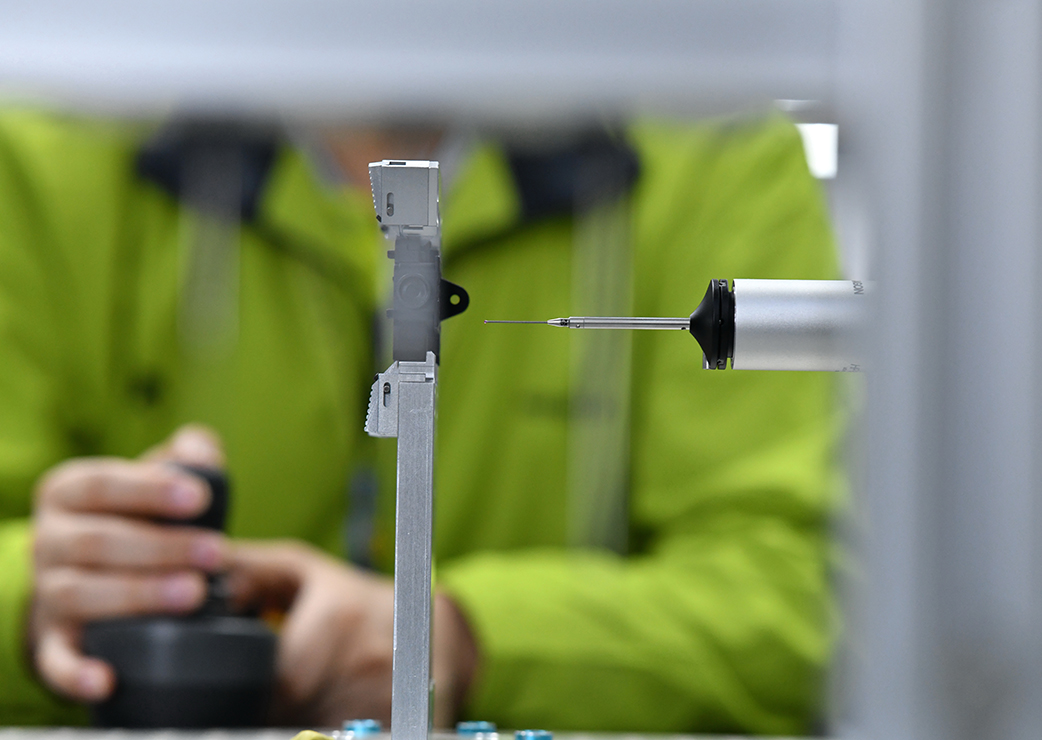
Optical Measurements
- High-precision non-contact measurement
- Automated visual inspection for defect detection
- Production efficiency through real-time data
- Research and innovation in new medical-grade materials
Smart Manufacturing: The AI Revolution in Molding
The application of smart systems has enabled Hongrita to achieve better production automation, digital management, and AI decision-making, thereby enhancing the factory's level of intelligence, optimizing enterprise operational efficiency, and quality management, and strengthening the company's competitiveness in the industry.

Future Trends in Medical Device Injection Molding
Looking ahead, the integration of Internet of Things (IoT) into medical devices will necessitate even more sophisticated molding techniques. We are already seeing a trend toward "Smart Molds" equipped with sensors that monitor pressure and temperature in real-time, feeding data into AI algorithms to predict maintenance and prevent defects before they occur.
Sustainability is also becoming a core focus. The industry is moving toward bio-based polymers and closed-loop recycling systems for medical waste. At Hongrita, we are pioneering the use of eco-friendly materials that maintain the strict performance requirements of the medical field. By combining Precision Injection Molding with sustainable practices, we are not just manufacturing components; we are shaping a healthier, more sustainable future for global healthcare.