Advanced Medical-Grade Plastic Solutions
The Synergy: Automotive Precision Meets Medical Rigor
In the modern manufacturing landscape, the convergence of Precision Automotive Plastics and Medical Device Manufacturing has created a new paradigm of excellence. Traditionally, automotive plastics focused on durability, heat resistance, and high-volume consistency. Today, these exact characteristics are being leveraged to revolutionize medical components. As medical devices become more portable, complex, and technologically integrated, the demand for high-performance polymers has skyrocketed.
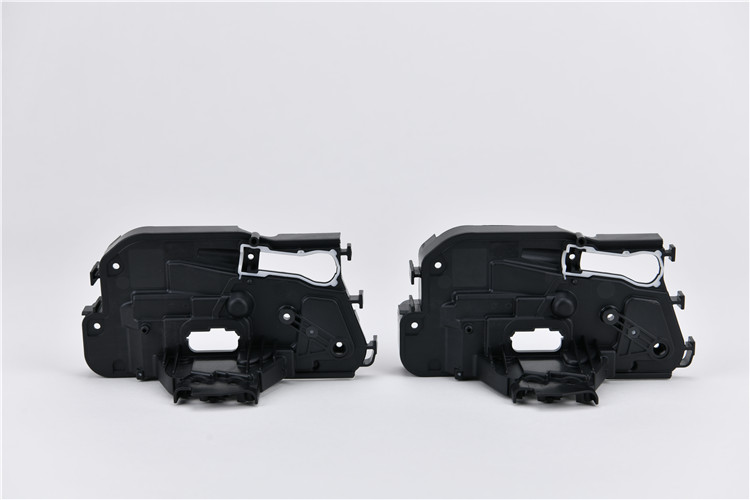
At Hongrita, we bridge the gap between these two demanding industries. By applying the rigorous zero-defect philosophy of automotive manufacturing to the life-critical standards of the medical sector, we ensure that every component—from micro-fluidic housings to complex surgical instruments—meets the highest possible threshold of quality and reliability.
Industry Evolution
The global market for medical plastics is projected to grow significantly as "MedTech" adopts automotive-style mass production techniques. This shift is driven by the need for lightweight, biocompatible, and chemically resistant materials that can withstand sterilization while maintaining tight tolerances.
Core Competences
Hongrita's core competences form the foundation of the competitive edge at plastic industry:
- Technology Excellence in Bio-Polymers
- LSR (Liquid Silicone Rubber) Molding for Medical Seals
- Multi-Component (2K/3K) Molding for Ergonomics
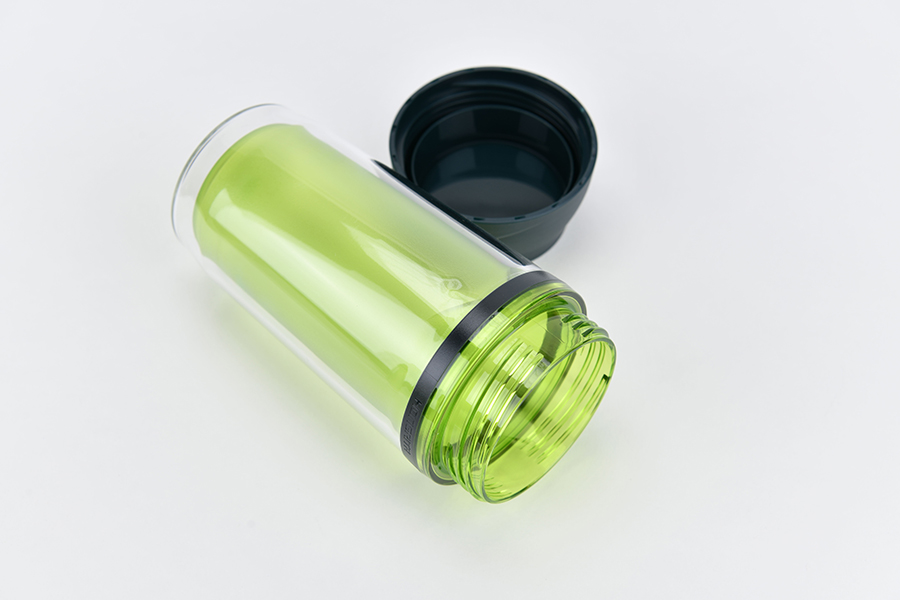
- ISBM (Injection Stretch-Blow Molding) for Containers
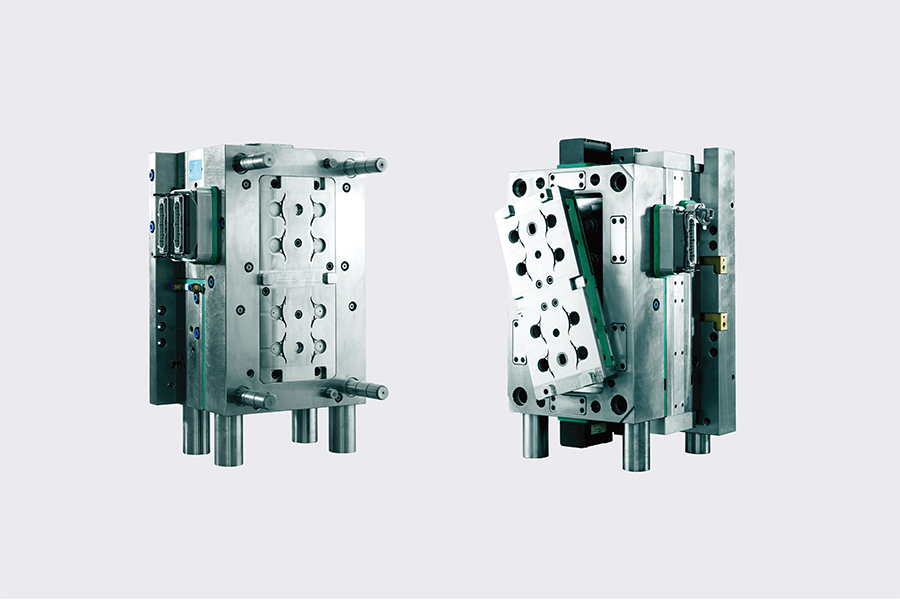
- High Performance Tooling Solutions
- Smart Manufacturing & Clean Room Operations
Hongrita's core competences in ISBM, LSR molding, multi-component molding, tooling, and smart manufacturing collectively strengthen its position as a leading provider of precision plastic components and products. These competences allow Hongrita to deliver innovative and tailor-made solutions to diverse industries, including medical, healthcare, automotive, and rigid packaging, while continuously pursuing technological excellence and sustainable business management practices.
Multi-Component Molding
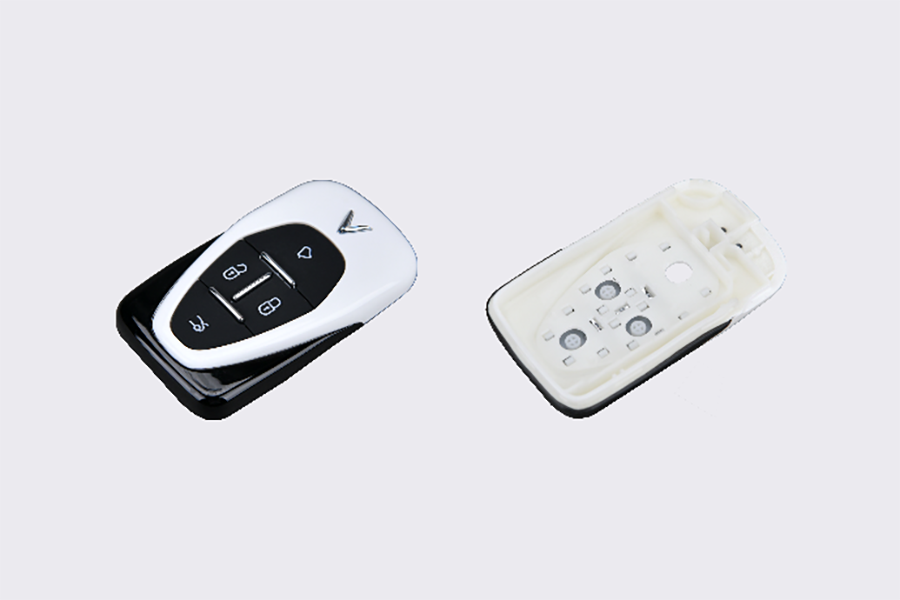
Combining rigid and soft materials in a single cycle to enhance device grip and seal integrity.
Read MoreMulti-Cavitation Mold
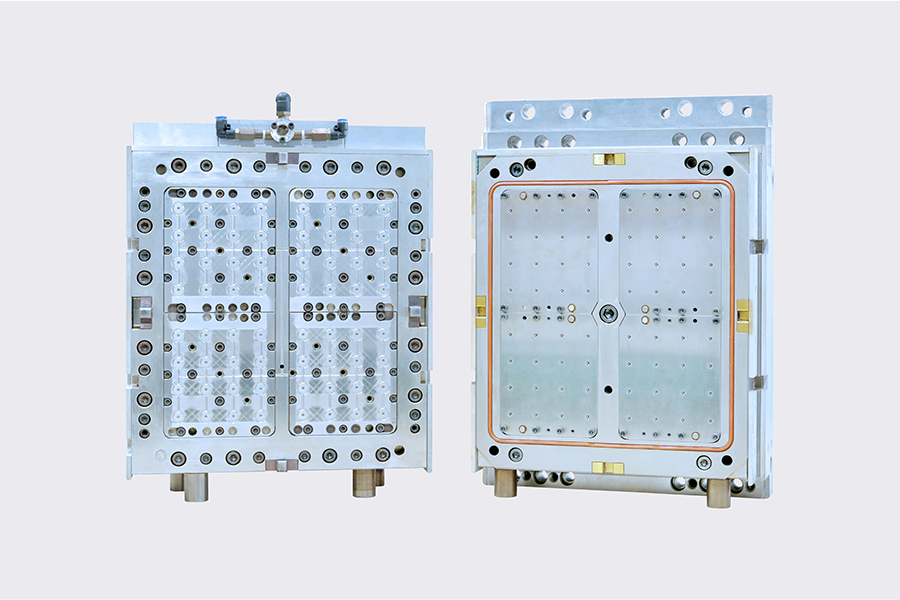
High-volume production efficiency for medical disposables without sacrificing micron-level precision.
Read MoreLSR Injection Molding
Ideal for biocompatible gaskets, valves, and respiratory masks requiring extreme thermal stability.
Read MoreDeep Application Scenarios: Where Precision Matters
1. Implantable Device Housings
Utilizing high-performance PEEK and other advanced thermoplastics derived from automotive engine applications to create biocompatible, high-strength housings for pacemakers and neurostimulators.
2. Point-of-Care (POC) Diagnostic Tools
The miniaturization of diagnostic labs requires micro-injection molding. Our expertise in automotive sensor housing allows us to produce intricate fluidic channels and optical-grade transparent windows for rapid testing kits.
3. Robotic Surgery Components
Precision gears and structural components for surgical robots demand the same wear-resistance as automotive transmission parts. We utilize glass-fiber reinforced plastics to ensure zero-latency movement and long-term durability in the operating room.
Advanced Laboratory & Quality Control
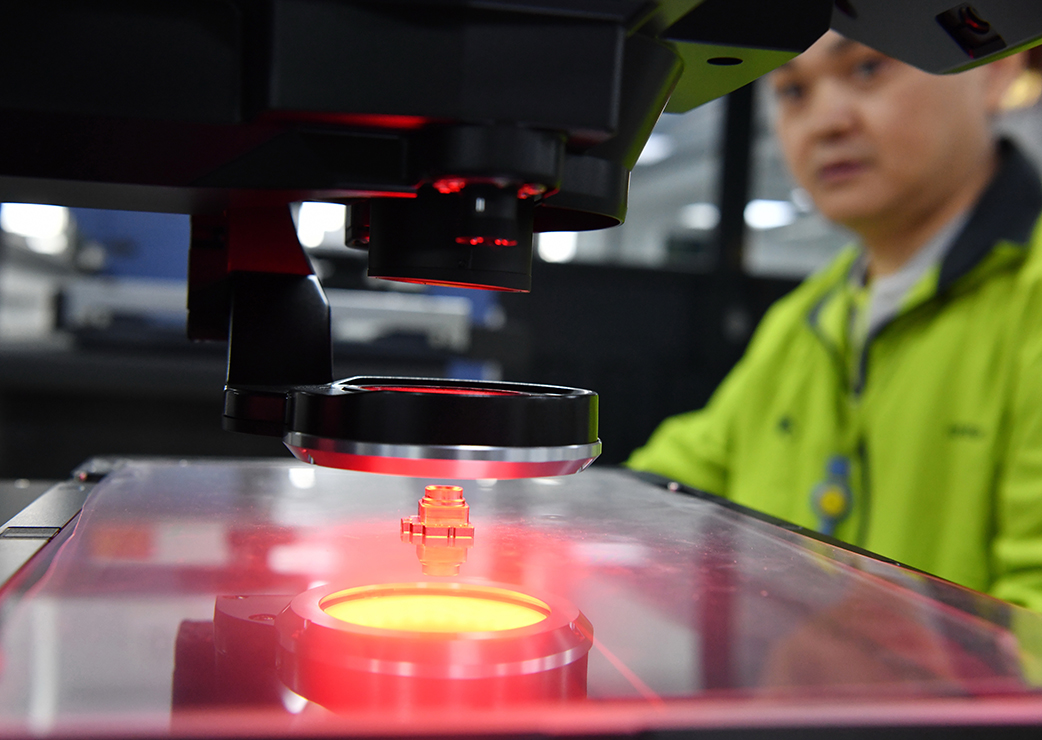
- Optical Measurements: High-precision non-contact measurement for complex geometries.
- Physical & Environmental: Testing material resilience under extreme medical sterilization cycles.
- Microbiological Lab: Ensuring components meet stringent hygiene standards for medical use.
- Reliability Testing: Simulating years of use in critical healthcare environments.
Smart Manufacturing & AI Integration
The application of smart systems has enabled Hongrita to achieve better production automation, digital management, and AI decision-making. In the medical sector, this translates to 100% traceability and predictive quality control, essential for regulatory compliance (FDA/ISO 13485).
High Performance Mold
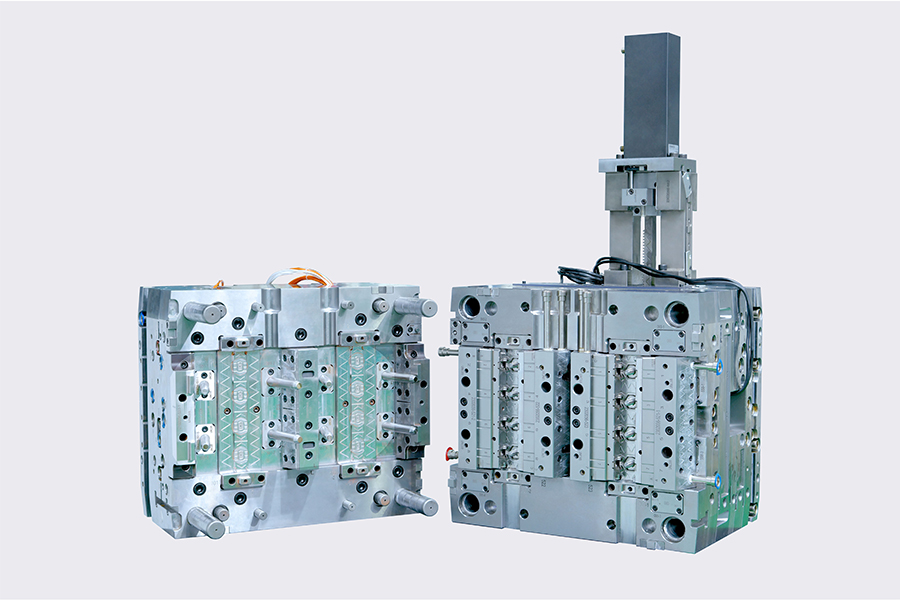
AI-optimized cooling channels for faster cycles and zero-warp parts.
Explore TechPrecision Workshop
Class 100,000 clean room environments integrated with robotic assembly.
View FacilityFuture Trends in Medical Plastic Engineering
As we look toward the future, three major trends are shaping the precision plastic industry:
- Sustainability: The development of bio-based resins that maintain the mechanical properties of automotive-grade plastics while reducing the carbon footprint of disposable medical devices.
- Smart Plastics: Integrating conductive polymers and sensors directly into the molded parts, enabling "Internet of Medical Things" (IoMT) functionality.
- Micro-Molding: As surgery moves toward minimally invasive techniques, the ability to mold parts weighing less than a milligram with sub-micron tolerances is becoming the new standard.