The Evolving Landscape of Luxury Perfume Cap Molding & Tooling
In the highly competitive fragrance and cosmetics market, the presentation of packaging acts as a silent brand ambassador. The perfume bottle cap, representing the tactile touchpoint for consumers, demands flawless aesthetics, a satisfying weight, and a seamless mechanical fit. Crafting high-quality perfume bottle cap molds for high-volume precision molding and tooling is an engineering challenge that requires combining material science, advanced mold design, and state-of-the-art manufacturing technologies.
Today's packaging standards require rapid scale-up without compromising quality. Molds must run continuously for millions of cycles with minimal maintenance, producing parts that maintain microscopic tolerances. Achieving this requires advanced multi-cavity hot runner systems, conformal cooling technologies, and robust materials to withstand high temperatures and wear.
High-Volume Cavitation
Multi-cavity designs (up to 32 cavities) engineered with balanced hot runners to maximize output and ensure parts consistency across all cavities.
Aesthetic Perfection
Specialized mold surface polishing and gate placement strategies to eliminate weld lines, sink marks, and gating scars on high-gloss caps.
Conformal Cooling
3D-printed cooling channels that follow the shape of the cap, reducing cycle times by up to 30% and preventing thermal deformation.
Advanced Tooling Technologies for Complex Cap Designs
Modern perfume caps are rarely simple cylinders. They often feature internal threads, snap-fit rings, metallic inserts, or multi-textured surfaces. To mold these features at high volumes, mold designers utilize advanced tooling mechanisms:
1. Unscrewing Molds: For caps with internal threads, high-speed unscrewing mechanisms powered by hydraulic cylinders or servo motors are integrated into the mold. These systems rotate the core pins during the mold opening phase, ejecting the threaded caps without damaging the plastic threads.
2. Collapsible Cores: When space is limited and cycle time is critical, collapsible cores offer an alternative to unscrewing mechanisms. These cores collapse inward, allowing the molded cap to be stripped off instantly, saving valuable seconds in cycle time.
3. Multi-Material Overmolding (2K/3K): To combine a heavy, crystal-clear outer shell (such as Surlyn) with a functional inner liner (such as PP or POM), multi-component injection molding is utilized. This technology molds both materials in a single cycle, eliminating secondary assembly steps, lowering production costs, and ensuring a secure fit.
Material Innovations: Surlyn, PCTG, and Heavy-Walled Plastics
The choice of material dictates the engineering of the perfume cap mold. Luxury brands favor materials like DuPont's Surlyn for its glass-like transparency, chemical resistance to essential oils, and pleasant weight. However, Surlyn has high shrinkage rates and is prone to sink marks when molded in thick cross-sections.
To overcome these material limitations, the tooling must incorporate precise thermal management. Mold inserts made from high-thermal-conductivity materials, such as beryllium copper, are strategically placed in areas prone to heat accumulation. This ensures uniform cooling, minimizing internal stresses and preventing warping or sink marks on the outer surface of the cap.
GLOBAL FOOTPRINT & MANUFACTURING LOCATIONS
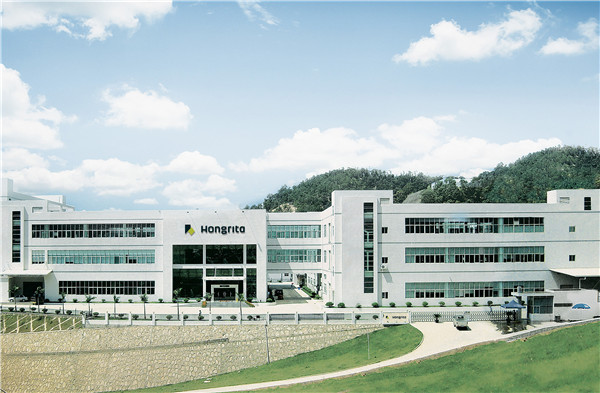
Shenzhen
Focusing on the 3C and intelligent technology components business, overseas commercial mold business, and in-house use molds.
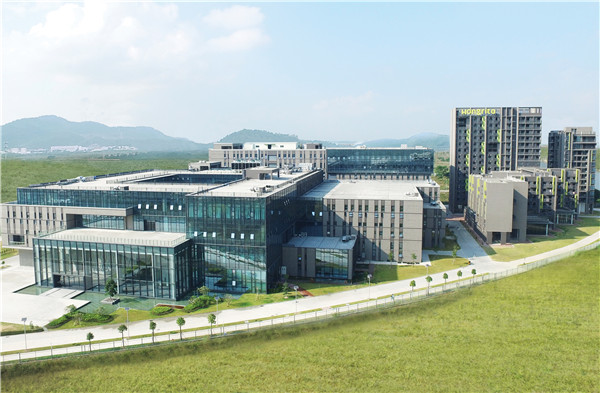
Zhongshan
Serving as Hongrita's hub for innovation R&D, engineering, major projects and production; and the proving grounds of change management, new technology applications and intelligent manufacturing.
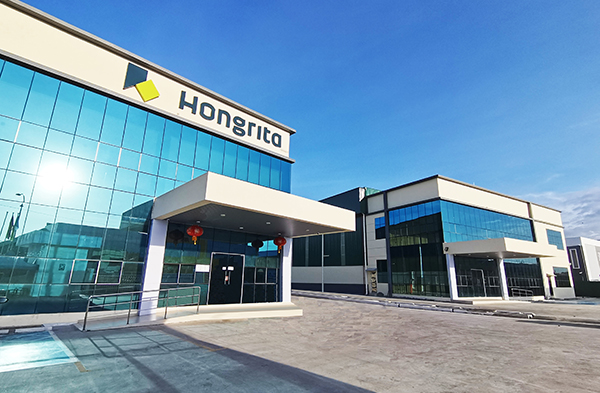
Penang
Developing tooling and molding business in Southeast Asia; and serving as proving grounds of Hongrita's global expansion plan and training base for the overseas team.
OUR CERTIFICATIONS & QUALITY ASSURANCE
Industry-Leading Standards
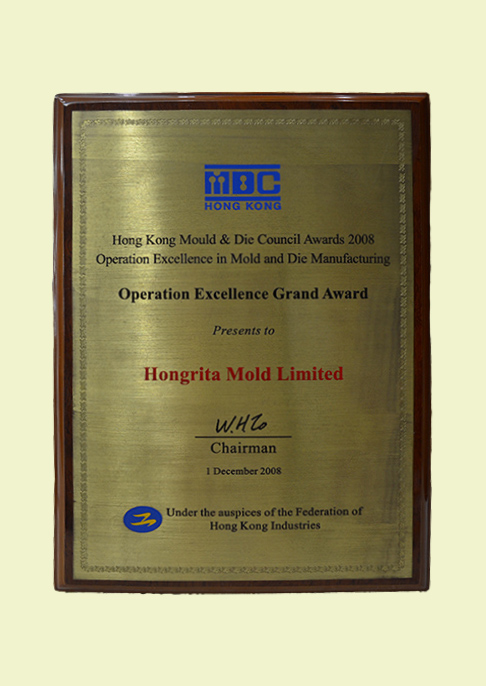
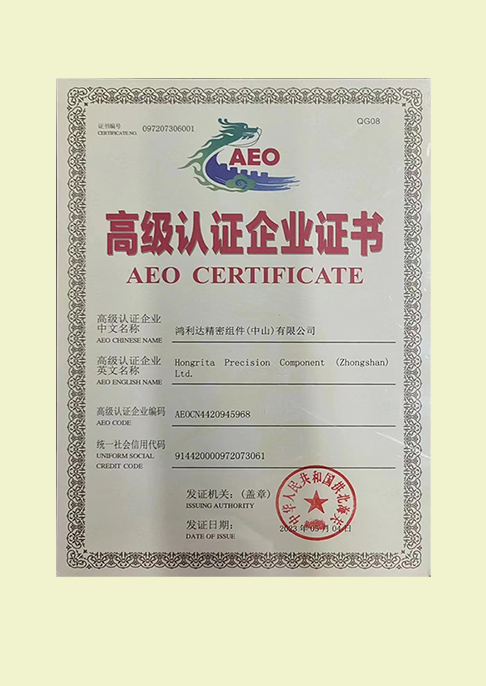
Hongrita has been certified with ISO14001, ISO9001, IATF16949, ISO13485, ISO45001, ISO/IEC27001, ISCC PLUS and is FDA registered. These certifications reflect our commitment to quality, security, and sustainability across all our precision tooling and molding operations.


Ensuring Repeatability and Longevity in High-Volume Runs
When running high-volume cosmetic mold systems, mold longevity and wear resistance are paramount. Molds are subjected to continuous clamping force, high injection pressures, and corrosive outgassing from materials like POM or flame retardants. To ensure the tooling lasts for millions of cycles without degradation, several key practices must be implemented:
Steel Selection: High-grade tool steels like S136 (hardened to HRC 48-52) are used for the cavity and core inserts to provide corrosion resistance and a high-polish finish. For mold bases, robust steels like P20 or 420 stainless steel are chosen to prevent rust and maintain structural integrity.
Surface Treatments: Physical Vapor Deposition (PVD) coatings, such as Titanium Nitride (TiN) or Diamond-Like Carbon (DLC), are applied to sliding cores and ejector pins. These coatings reduce friction, eliminate the need for external lubricants (which can contaminate cosmetic parts), and extend the lifespan of the moving parts.
Preventative Maintenance Programs: Implementing scheduled maintenance intervals based on cycle counts ensures that wear parts are replaced before they fail, preventing unplanned downtime and protecting the tool from catastrophic damage.
OUR STORY & INNOVATION JOURNEY

Mr. Felix Choi, the founder of Hongrita, borrowed money and invested in the first milling machine in June 1988. He rented a corner in a friend's factory and established Hongrita Mould Engineering Company, specializing in mold and hardware parts processing. The company focused on the design and production of complete molds, establishing a reputation for manufacturing precision plastic molds.

Hongrita established its first base in Longgang District, Shenzhen, and expanded its business to include plastic moulding and secondary processing. In 2003, the company began research and development of multi-material/multi-component moulding technology. In 2012, Hongrita made breakthroughs in liquid silicone rubber (LSR) mold and molding technology, becoming a benchmark in the industry.

Hongrita established operational bases in Cuiheng New District, Zhongshan City (2015) and Penang, Malaysia (2019). The management initiated an all-round upgrading and transformation in 2018, formulating a medium- and long-term development plan and ESG sustainable development strategy. Now, Hongrita is moving towards the goal of building a world-class lighthouse factory by upgrading digital intelligence and AI applications.
VISION, MISSION & CORE VALUES

Vision
Create better value together.

Mission
Make a product better with innovative, professional and intelligent molding solutions.

Core Value
Passion, Collaboration, Innovation, Professionalism, Advancement, Sustainability.
MANAGEMENT METHODOLOGY

Our High-Volume Precision Molding & Tooling Portfolio
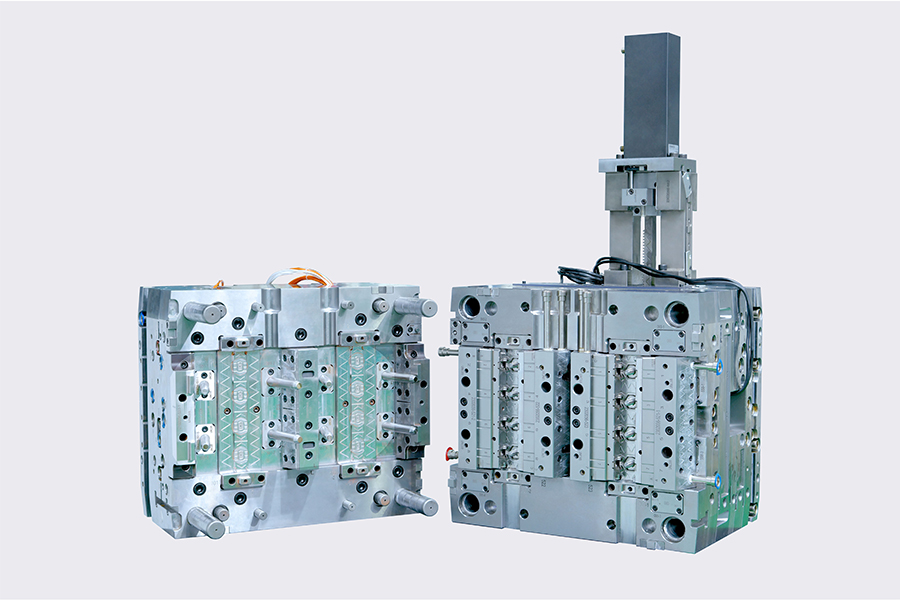
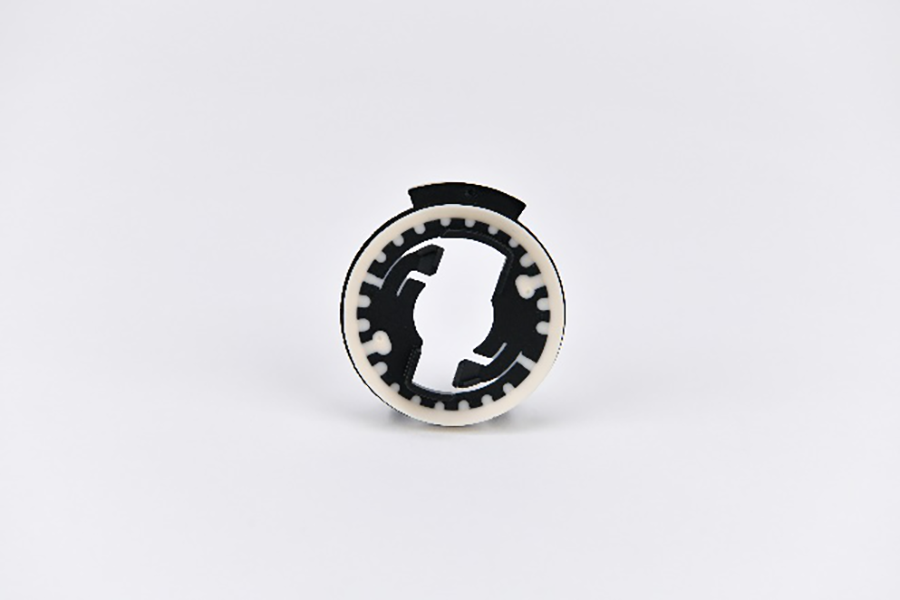
High-Precision Perfume Cap Inner Locks - Durable & Reliable
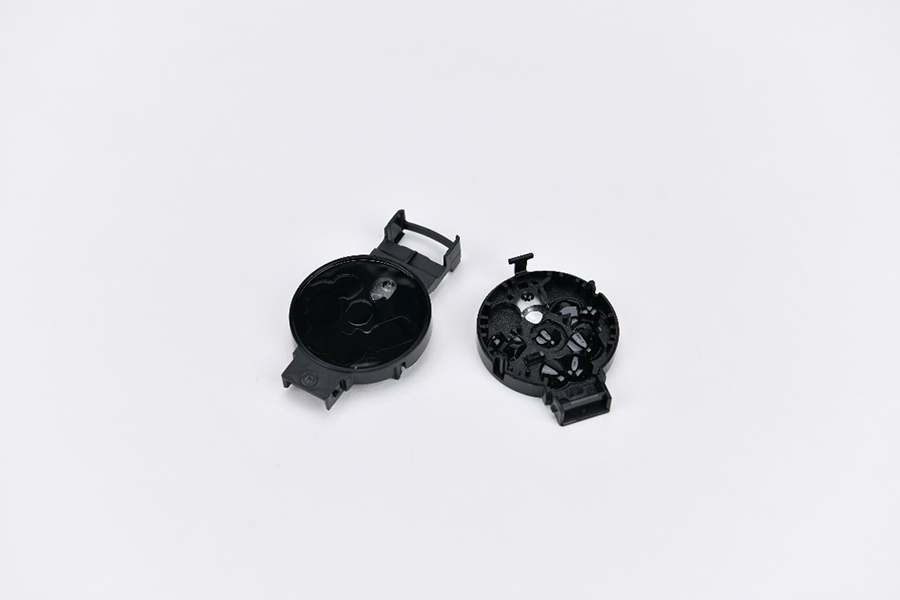
3K Multi-Material Cap Sensor Component
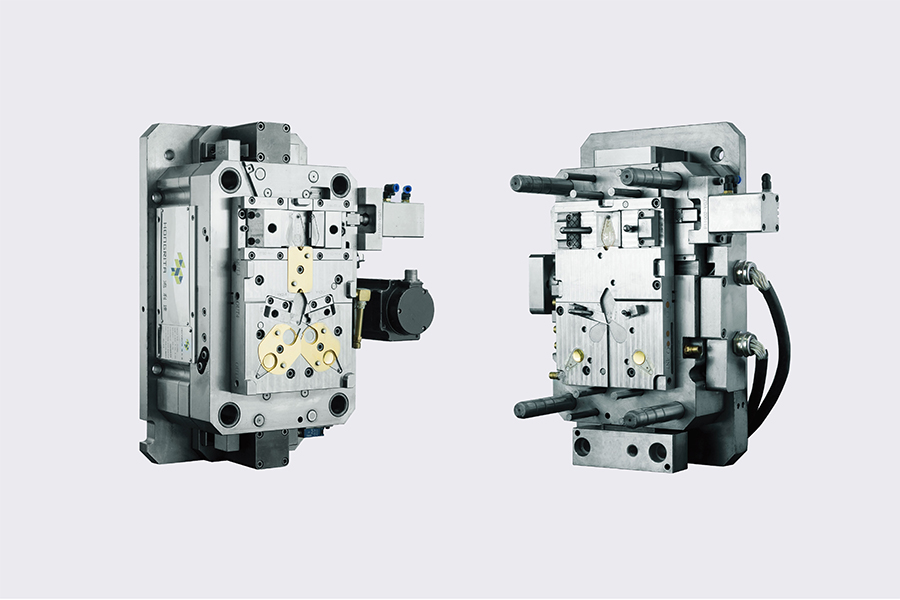
3-Component Luxury Cap Assembly - Molded in One Cycle
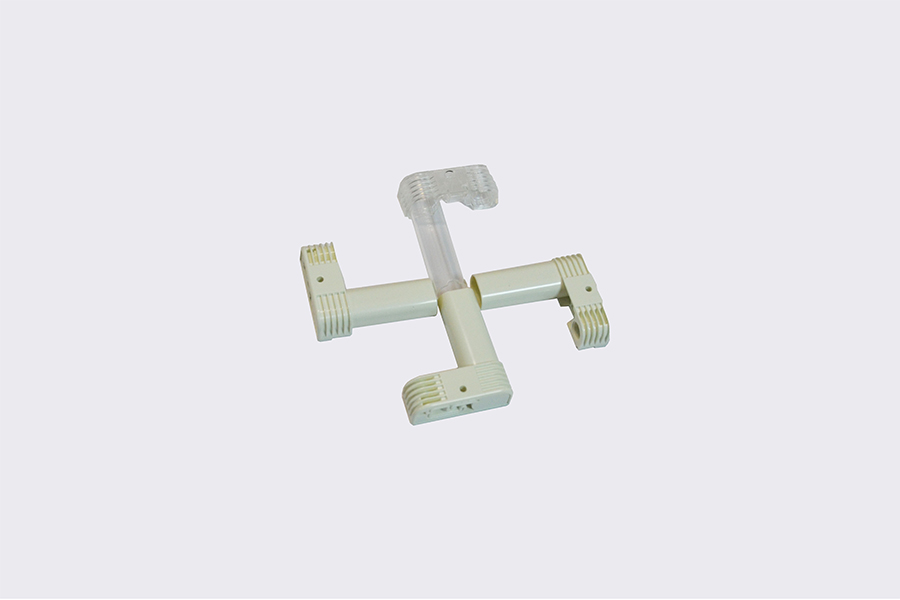
Medical-Grade Closures & Perfume Cap Liners
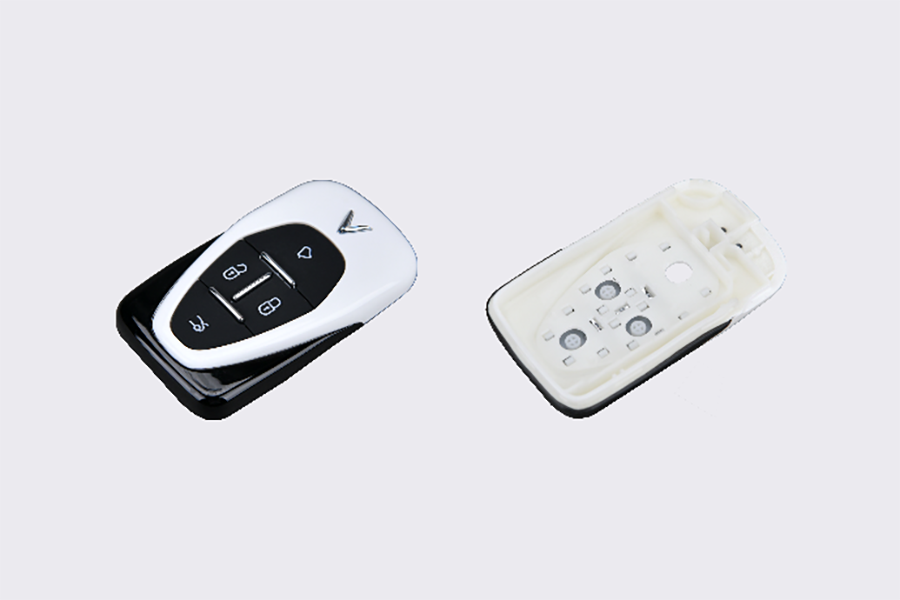
Customized Luxury Brand Cap Shells with Premium Finishes
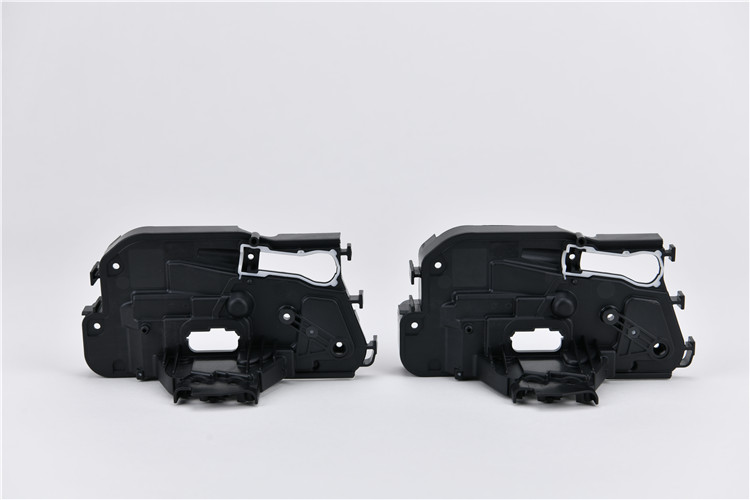
Premium 2K Dual-Injection Cap Shells for Enhanced Texture

Precision Engineered High-Cavitation Cap Inserts