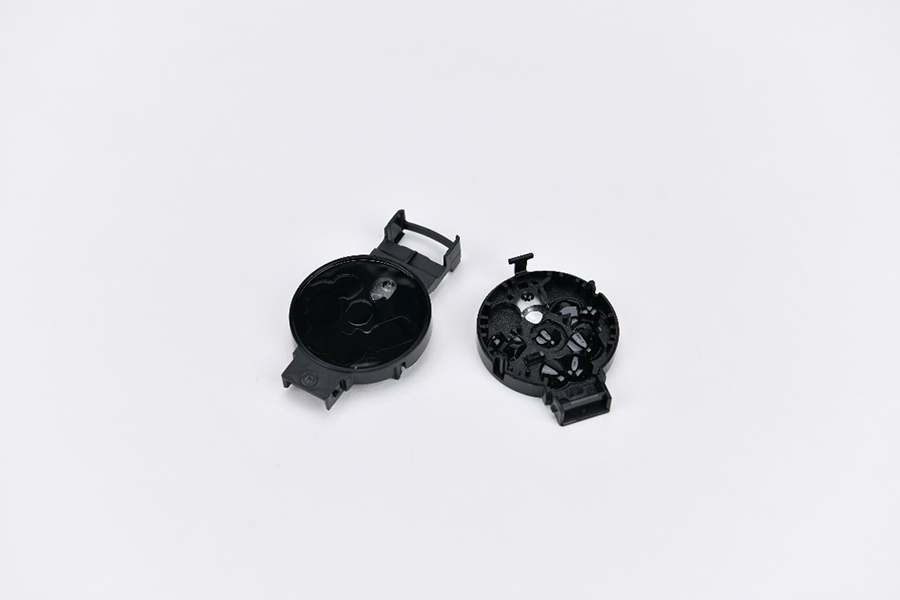
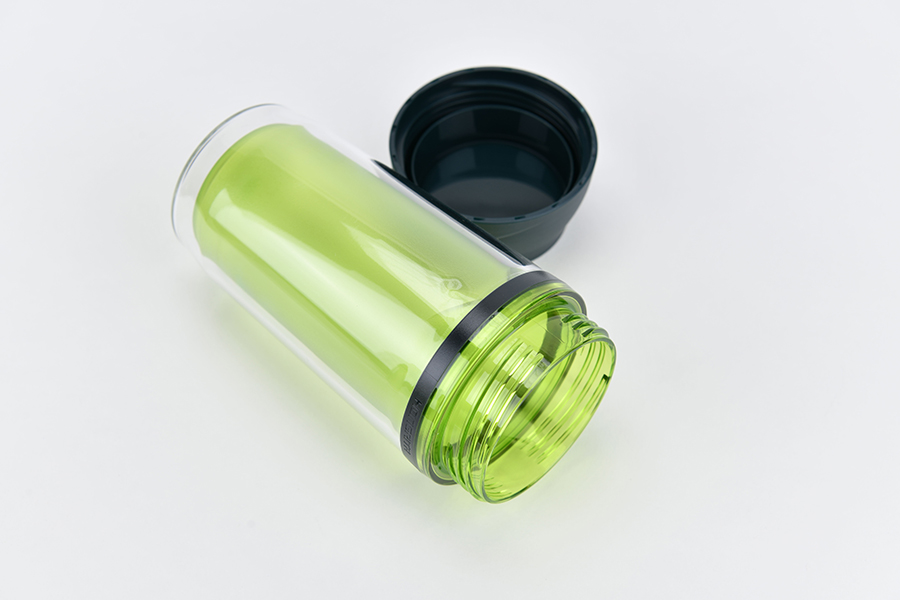
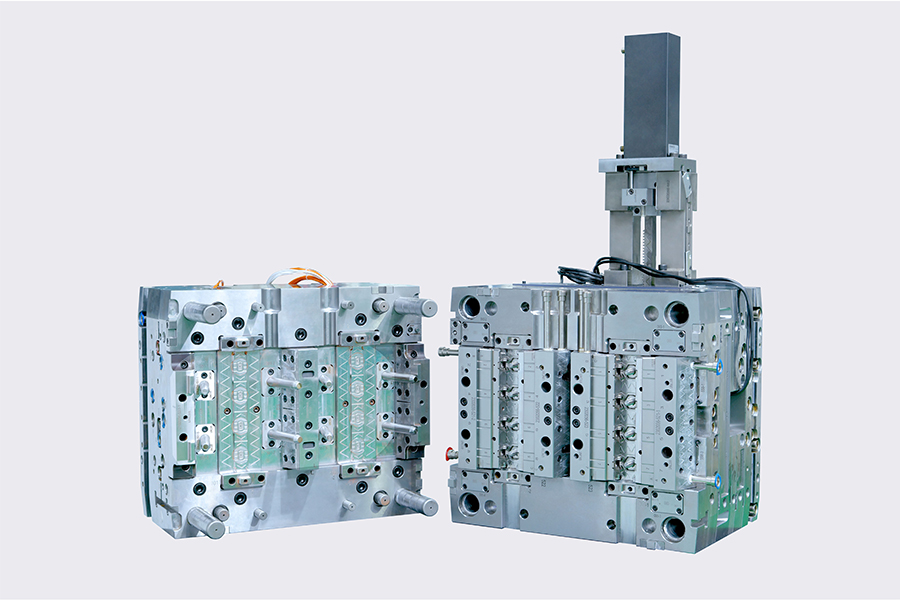
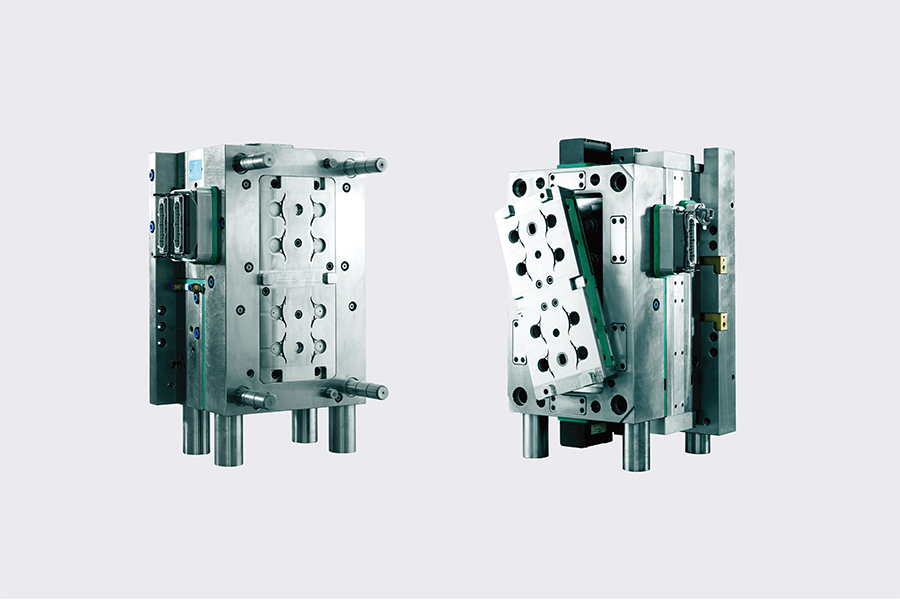
Featured Smart Device Molding Solutions
Discover how our specialized tooling and high-precision molding techniques elevate smart device components and user interfaces.

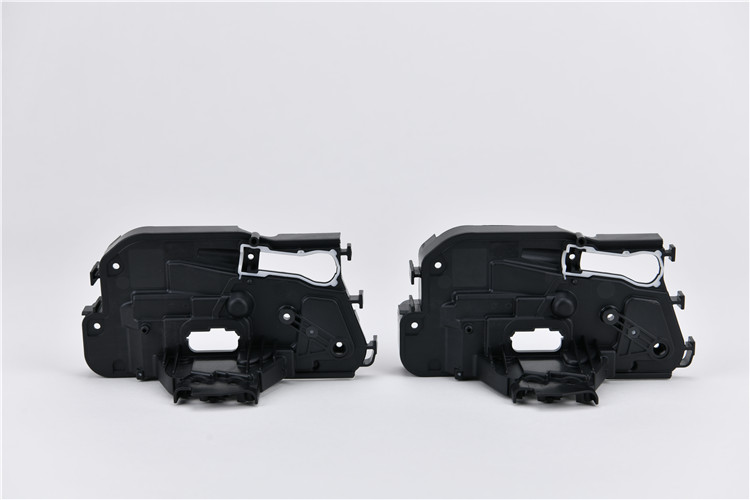
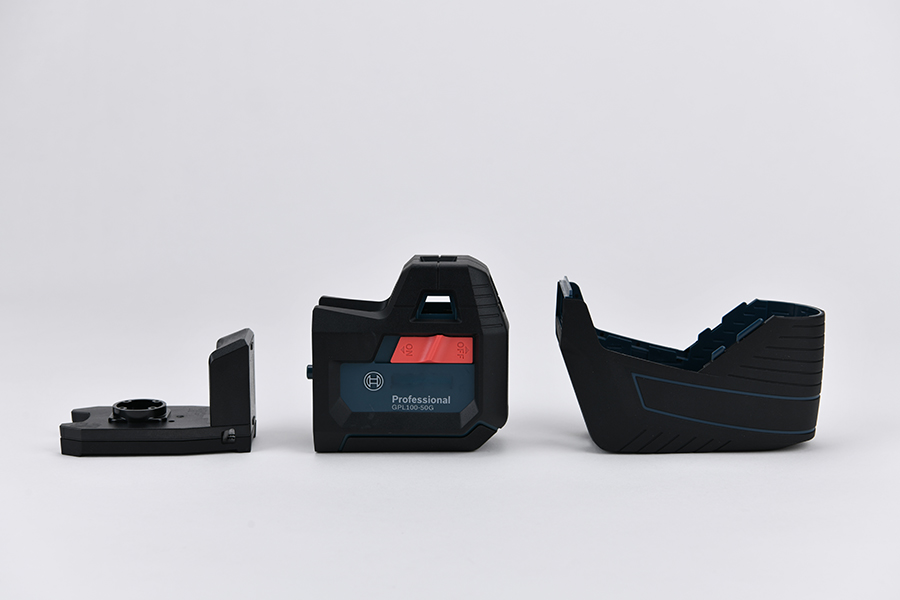
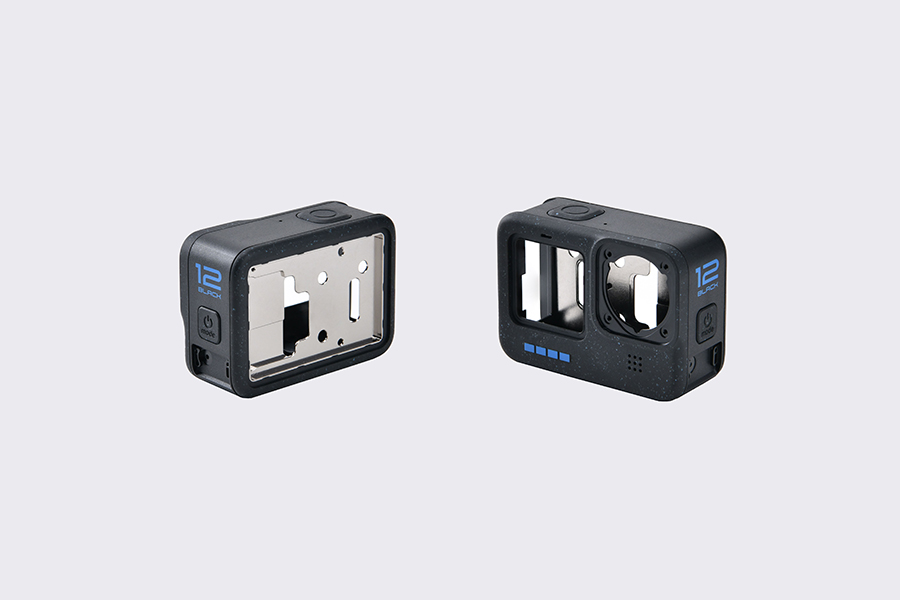
The Evolution of Perfume Bottle Cap Mold Tech in Consumer Electronics
In the contemporary industrial landscape, the boundaries between consumer electronics, smart home ecosystems, and high-end luxury goods have blurred. Today's consumers demand more than raw computational power or basic smart connectivity. They seek devices that complement their personal style, serve as interior accents, and offer tactile satisfaction. This design paradigm shift has led to the adoption of manufacturing techniques traditionally reserved for luxury packaging—most notably, the sophisticated engineering behind the perfume bottle cap mold.
The premium weight, intricate optical textures, and seamless multi-material interfaces that define luxury perfume bottle caps are now being utilized to create control knobs, camera bezels, smart assistant interfaces, and biometric enclosures. By combining the aesthetic brilliance of luxury cosmetics with the strict tolerance requirements of consumer electronics, manufacturers are setting new benchmarks in product design and user experience.
Industrial Trend Note: The integration of cosmetic-grade tooling standards into consumer electronics is driven by the rise of CMF (Color, Material, Finish) design as a primary product differentiator. A device that feels premium is perceived as more reliable and technologically advanced.
Why Cosmetic Molding Standards Matter for Smart Devices
Traditional consumer electronics molding focused primarily on structural integrity, flame retardancy, and basic mechanical fit. However, as smart home hubs, premium audio dials, wearable gadgets, and smart IoT devices move into visible, high-traffic areas of the home and body, their cosmetic appearance has become paramount. A micro-defect, parting line, or weld mark that might be acceptable on an internal bracket is completely intolerable on the face of a high-end smart speaker dial or a luxury smartwatch casing.
Perfume bottle cap molds are engineered to produce flawless, thick-walled parts with zero visible defects. They must handle challenging materials like high-gloss PMMA, PCTG, and heavy-weight metallic-infused plastics. Applying these advanced tooling standards to smart devices ensures that control interfaces possess the optical clarity of glass, the heavy tactile feel of metal, and the seamless durability of high-grade polymers.
Deep Application Scenarios of Perfume Cap Mold Tech in Electronics
The application of perfume bottle cap molding methodologies in the electronics sector is vast and growing rapidly. Below are some of the key areas where this cross-industry innovation is taking place:
Premium Audio Control Knobs
High-end speakers and amplifiers feature dials that mimic the heavy, smooth rotation of luxury perfume caps. Multi-component molding combines a weighted plastic core with a soft-touch outer ring or metallic electroplated facade, providing a luxurious user interface.
Smart Home Hub Interfaces
Central controllers for smart homes utilize thick-walled, crystal-clear acrylic or polycarbonate covers molded with cosmetic-grade precision to house capacitive touch screens and ambient LED lighting rings without distortion.
Wearable Sensor Enclosures
Smartwatches, fitness trackers, and health rings require bio-compatible, waterproof, and aesthetically perfect shells. Applying 2K/3K molding ensures that the sensors are completely sealed while maintaining a sleek, jewelry-like finish.
Advanced Manufacturing Technologies: 2K, 3K, and LSR Molding
To successfully merge cosmetic luxury with smart functionality, toolmakers and injection molding specialists rely on advanced multi-material molding techniques. This is where companies like Hongrita excel, utilizing state-of-the-art technologies to solve complex design challenges:
- 2K & 3K Multi-Component Molding: This process allows different materials to be injected into a single mold cavity in a continuous cycle. For smart device caps, this means a rigid structural core can be co-molded with a soft elastomer seal and a third, high-gloss cosmetic outer layer, eliminating assembly steps and preventing dust or moisture ingress.
- Liquid Silicone Rubber (LSR) Integration: LSR is widely used to create soft-touch control surfaces, waterproof gaskets, and flexible membranes. When combined with rigid thermoplastics, it provides excellent sealing properties for smart devices, ensuring they meet IP67 or IP68 ingress protection standards while remaining pleasant to touch.
- High-Gloss Mirror Polishing & Texturing: Achieving a flawless, piano-black or crystal-clear surface requires optical-grade mold steel and specialized hand-polishing techniques. Tooling designers must also account for complex shrinkage behaviors to prevent sink marks on thick-walled aesthetic parts.
Future Trends: AI, Sustainability, and Smart Materials
Looking forward, the production of premium enclosures and caps for smart devices is being shaped by several key macro trends:
1. AI-Driven Tooling Design: Artificial intelligence is being integrated into mold flow analysis to predict warpage, optimize cooling channels, and prevent defects before steel is cut. This accelerates time-to-market for consumer electronics brands and reduces material waste during the prototyping phase.
2. Sustainable and Bio-Based Polymers: With global regulations focusing on ESG (Environmental, Social, and Governance) criteria, manufacturers are shifting toward PCR (Post-Consumer Recycled) resins and bio-based plastics. Certifications like ISCC PLUS ensure that these green materials meet the same stringent cosmetic and mechanical standards as virgin polymers.
3. Smart Materials and Embedded Sensors: Future interfaces will see the integration of capacitive touch sensors directly into the molded plastic parts (In-Mold Electronics or IME). This will allow a seamless, solid plastic "perfume cap" dial to act as a fully functional touch interface, combining minimalist aesthetics with advanced electronic control.
Our Global Footprint
Operating strategically across Asia to deliver cutting-edge tooling, high-precision molding, and localized engineering support.
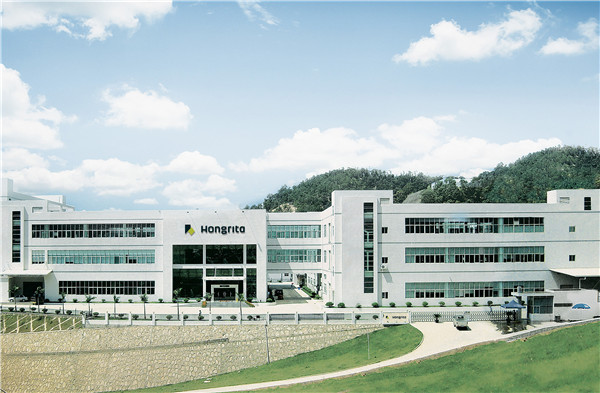
Shenzhen
Focusing on the 3C and intelligent technology components business, overseas commercial mold business, and in-house use molds.
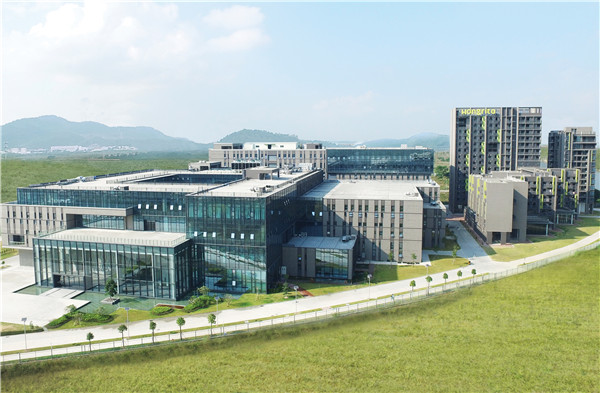
Zhongshan
Serving as Hongrita's hub for innovation R&D, engineering, major projects and production; and the proving grounds of change management, new technology applications and intelligent manufacturing.
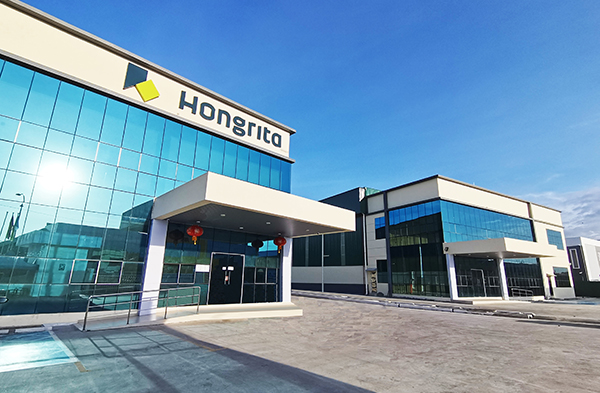
Penang
Developing tooling and molding business in Southeast Asia; and serving as proving grounds of Hongrita's global expansion plan and training base for the overseas team.
Qualifications & Certifications
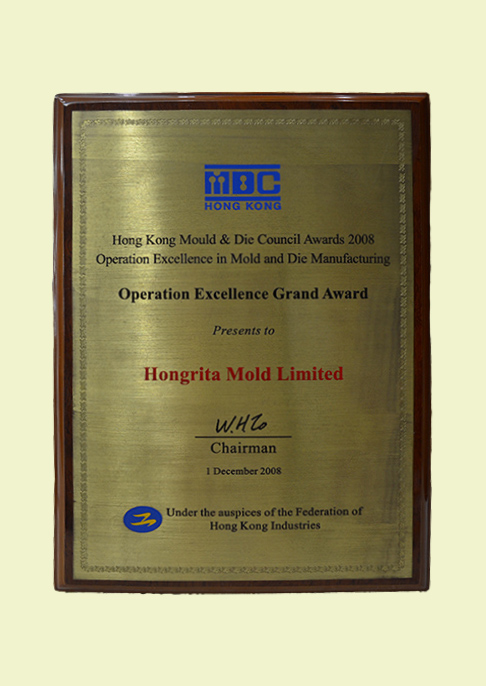
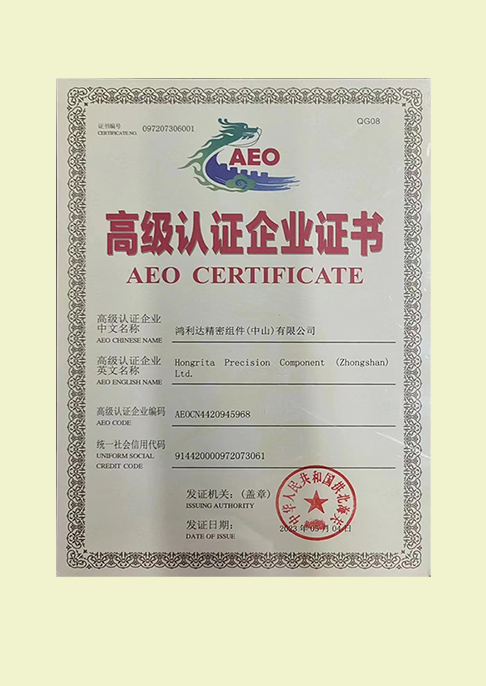
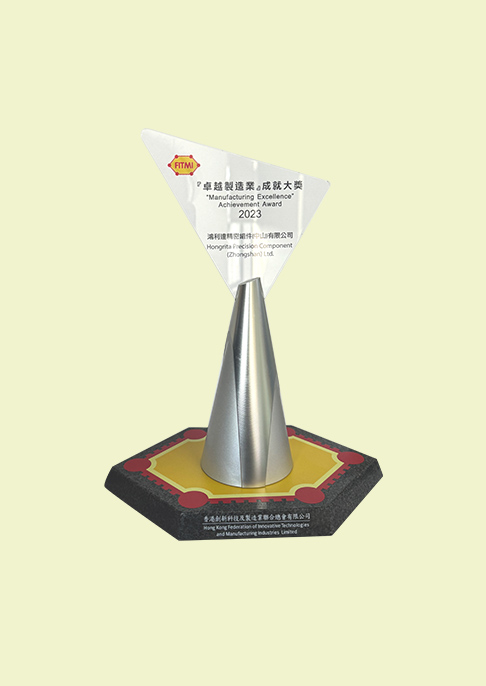
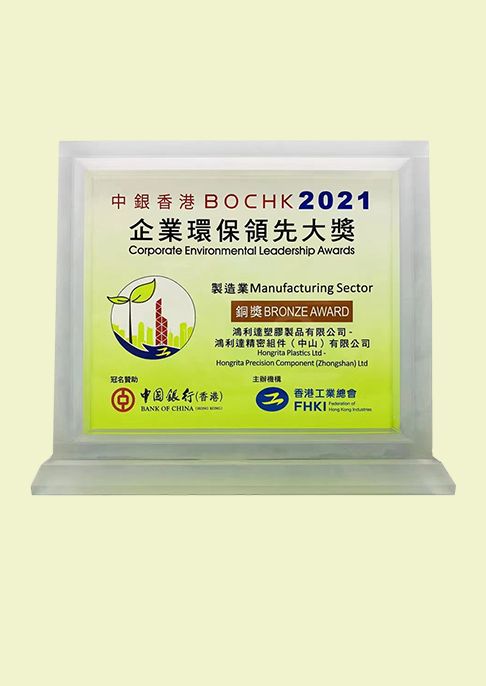
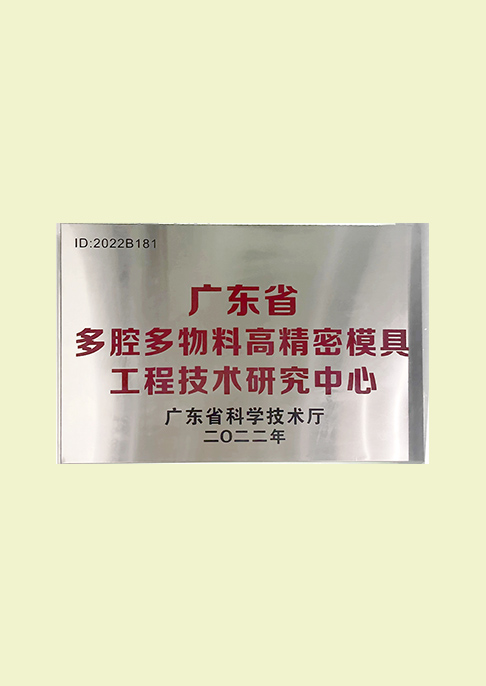
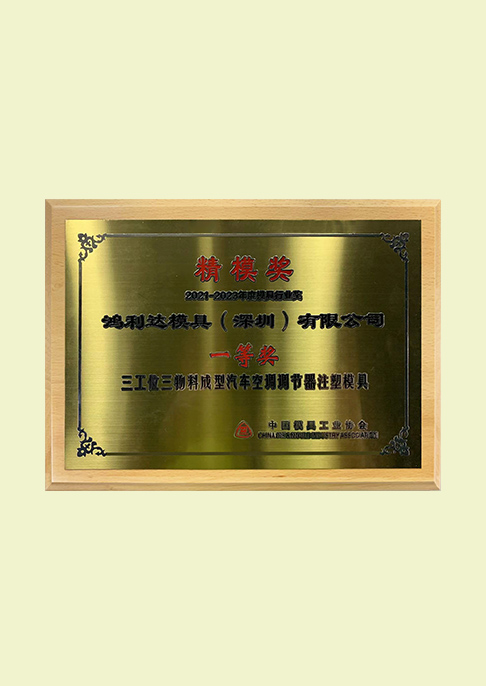
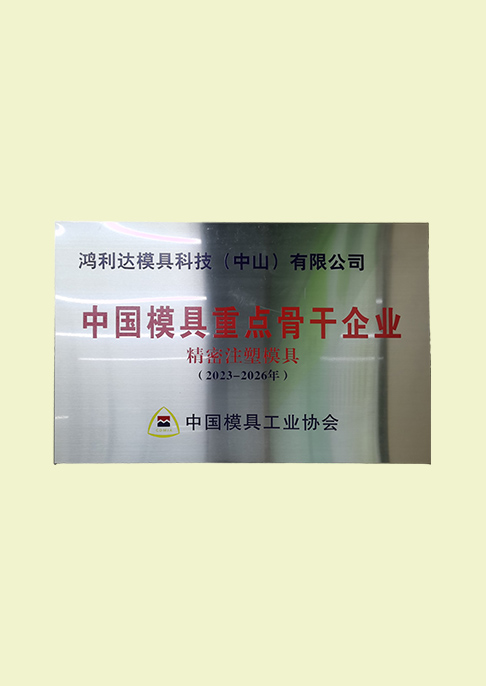
Hongrita has been certified with ISO14001, ISO9001, IATF16949, ISO13485, ISO45001, ISO/IEC27001, ISCC PLUS and is FDA registered, ensuring the highest standards of quality, security, and sustainability.





Our Story
A timeline of innovation, growth, and global expansion since 1988.

After completing the apprentice program, Mr. Felix Choi, the founder of Hongrita, borrowed money and invested in the first milling machine in June 1988. He rented a corner in a friend's factory and established Hongrita Mould Engineering Company, specializing in mold and hardware parts processing. Mr. Choi’s humble, diligent, and progressive entrepreneurial spirit attracted a group of like-minded partners. With the collaborative efforts of the core team and their excellent skills, the company focused on the design and production of complete molds, establishing a reputation for manufacturing precision plastic molds.

In 1993, riding the wave of national reform and opening up, Hongrita established its first base in Longgang District, Shenzhen, and expanded its business to include plastic moulding and secondary processing. After 10 years of growth, the core team believed that it was necessary to build a unique and differentiated competitive advantage in order to be invincible. In 2003, the company began research and development of multi-material/ multi-component moulding technology and moulding process, and in 2012, Hongrita took the lead in making breakthroughs in liquid silicone rubber (LSR) mould and moulding technology, becoming a benchmark in the industry. By leveraging innovative technologies such as multi-material and LSR, Hongrita has successfully attracted more quality customers by solving customers' product pain points and jointly adding value to development ideas.

In order to expand and strengthen its business, Hongrita established operational bases in Cuiheng New District, Zhongshan City and Penang State, Malaysia in 2015 and 2019, and the management initiated an all-round upgrading and transformation in 2018, formulated a medium- and long-term development plan and ESG sustainable development strategy to fully cultivate a win-win culture. Now, Hongrita is moving towards the goal of building a world-class lighthouse factory by upgrading digital intelligence, AI application, OKR and other activities to improve management effectiveness and per capita efficiency.
Vision, Mission & Values

Vision
Create better value together.

Mission
Make a product better with innovative, professional and intelligent molding solutions.

Core Value
Passion, Collaboration, Innovation, Professionalism, Advancement, Sustainability.
Management Methodology

Comprehensive Smart Device & Cosmetic Molding Catalog
Explore our complete range of high-performance components, multi-component molded parts, and premium finishes.