Featured Packaging & Industrial Solutions
Portugal's Plastic Manufacturing Landscape
Portugal has established itself as one of Europe’s premier hubs for mold-making and high-precision plastic injection molding. Centered around industrial clusters like Marinha Grande and Oliveira de Azeméis, the country boasts an ecosystem that blends traditional engineering craftsmanship with state-of-the-art automation. As global demand shifts toward sustainable, lightweight, and highly complex packaging solutions, Portuguese manufacturers and international partners are investing heavily in advanced production methodologies to meet stringent European standards.
The packaging plastic parts sector in Portugal is experiencing rapid growth, driven by the local food processing, cosmetic, pharmaceutical, and automotive supply chains. Companies are increasingly looking for partners who can offer comprehensive tooling solutions, multi-component injection molding, and liquid silicone rubber (LSR) processing. This integration of technology ensures that components not only meet strict dimensional tolerances but also align with circular economy goals through the use of recyclable and bio-based plastics.
Furthermore, Portuguese manufacturers are adopting Industry 4.0 paradigms, integrating AI-driven decision-making tools, IoT sensors in molds, and robotic automation to guarantee batch-to-batch consistency. By choosing a competent partner with deep technical expertise, businesses operating in Portugal can leverage localized supply chains, minimize logistical risks, and comply with EU packaging directives.
Core Competences & Technological Edge
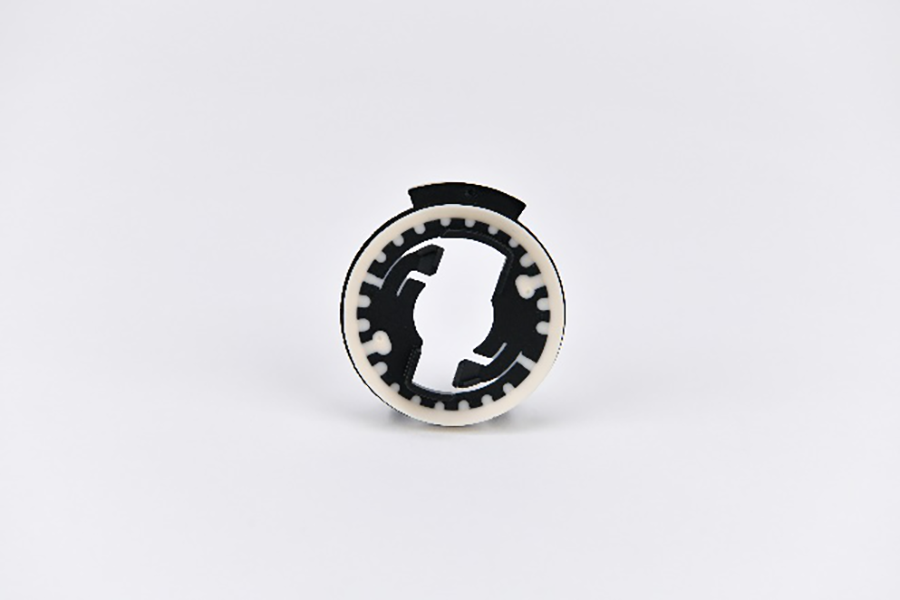
Hongrita's core competences in ISBM, LSR molding, multi-component molding, tooling, and smart manufacturing collectively strengthen its position as a leading provider of precision plastic components and products. These competences allow Hongrita to deliver innovative and tailor-made solutions to diverse industries, including medical, healthcare, automotive, and rigid packaging, while continuously pursuing technological excellence and sustainable business management practices.
By leveraging advanced tooling capabilities and digital infrastructure, we bridge the gap between initial design and high-volume production, ensuring every component is optimized for performance, material efficiency, and durability.
Our Technical Capabilities
Hongrita's core competences form the foundation of the competitive edge in the plastic industry:
- Technology Excellence
- LSR (Liquid Silicone Rubber) Molding
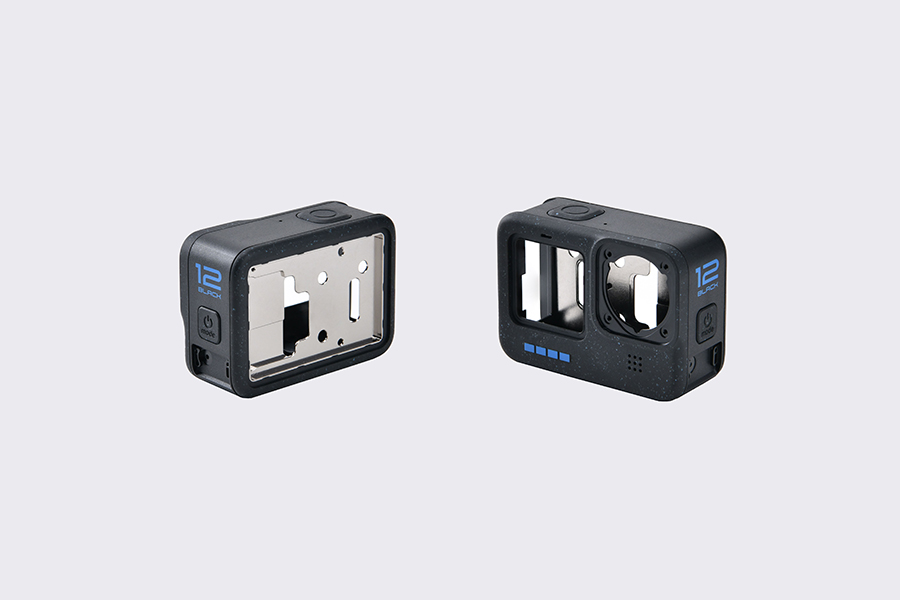
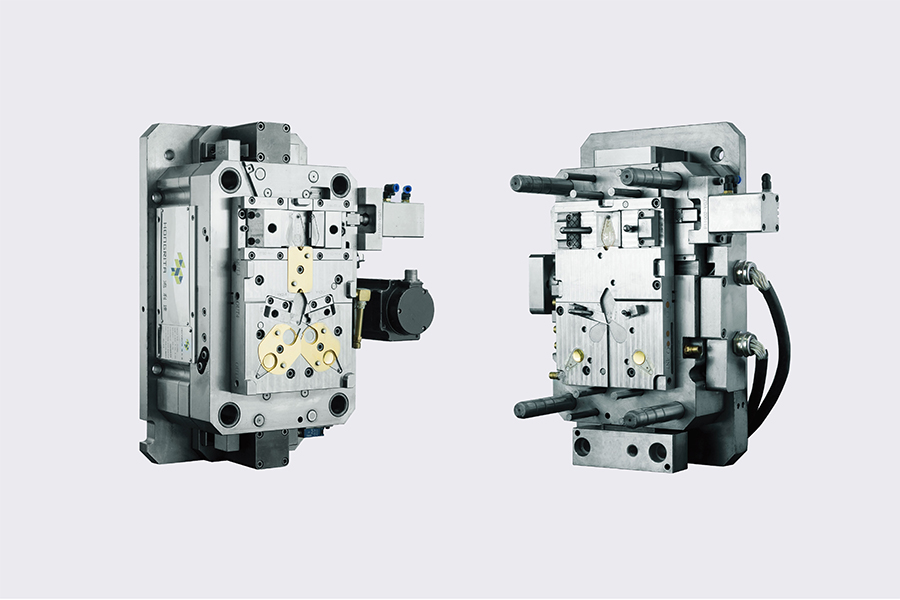
- Multi-Component Molding
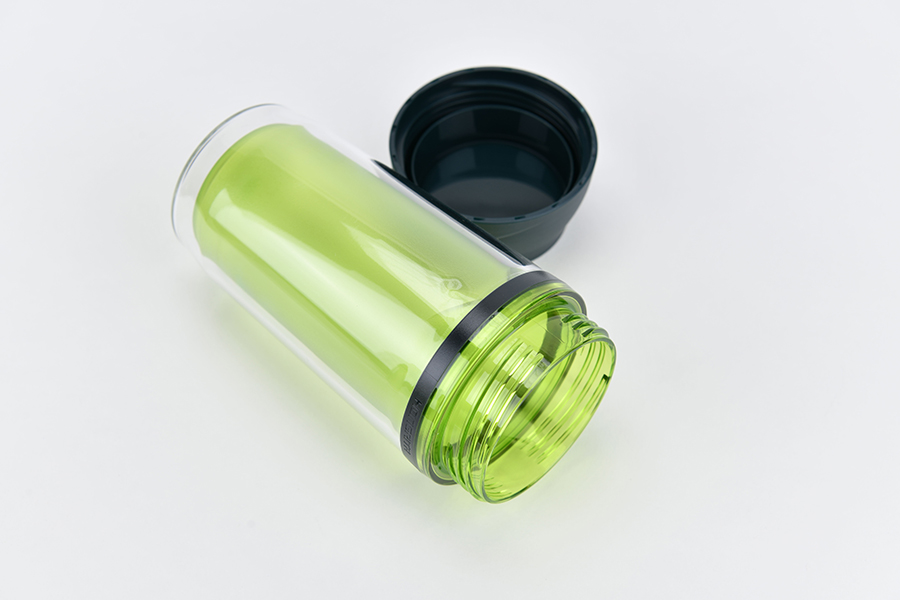
- ISBM (Injection Stretch-Blow Molding)
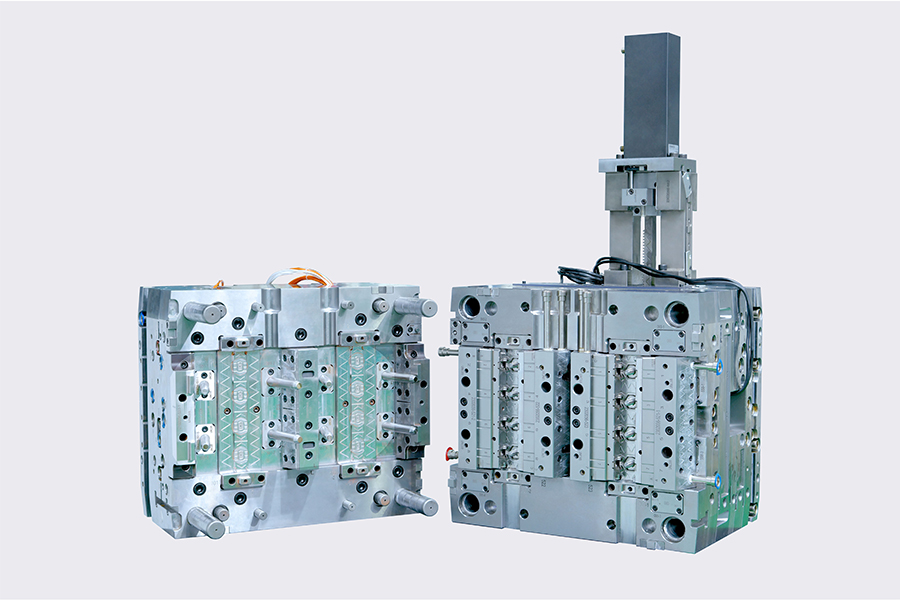
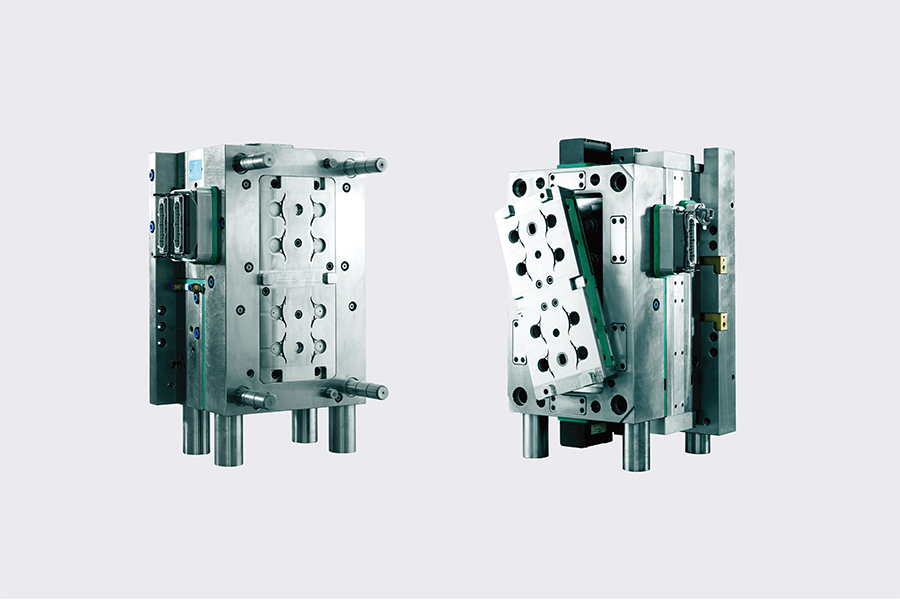
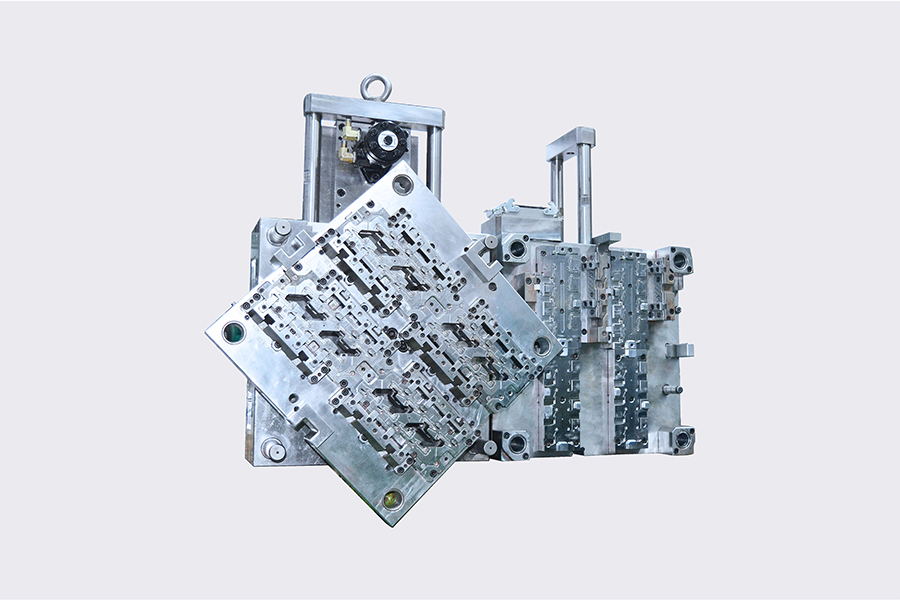
- High Performance Tooling Solutions
- Smart Manufacturing
Industry Trends & Localized Applications in Portugal
The convergence of sustainability and smart technology is redefining the packaging industry in Western Europe. In Portugal, this transformation is visible across several key sectors:
1. Eco-Conscious Food & Beverage Packaging
With Portugal's rich culinary export market, including olive oil, wines, and canned preserves, there is a rising demand for high-barrier, lightweight closures and containers. Multi-cavitation molds and ISBM technology enable the production of thin-walled packaging that reduces plastic consumption without compromising product freshness or shelf life. Integrating post-consumer recycled (PCR) resins into multi-component molding is also a key focus area.
2. Medical & Pharmaceutical Packaging
The pharmaceutical sector requires sterile, high-precision components. LSR (Liquid Silicone Rubber) injection molding is crucial here, providing biocompatible, chemical-resistant seals, valves, and baby care product components. Our state-of-the-art cleanroom manufacturing environments ensure that medical-grade packaging parts are produced under the strictest hygienic conditions, compliant with both local and international regulatory frameworks.
3. Smart Packaging and Industrial Integration
Modern logistics and supply chain management in Portugal demand packaging that does more than just contain a product. Smart packaging incorporating RFID tags, tamper-evident seals, and localized multi-component designs is becoming standard. These solutions prevent counterfeiting and allow real-time tracking of sensitive goods throughout the European logistics network.
Advanced Molding Technologies
Multi-Component Injection Molding
Read More →Multi-Cavitation Mold
Read More →LSR Injection Molding
Read More →Precision Injection Molding and Equipment
Read More →Quality Assurance & Laboratory Testing
-
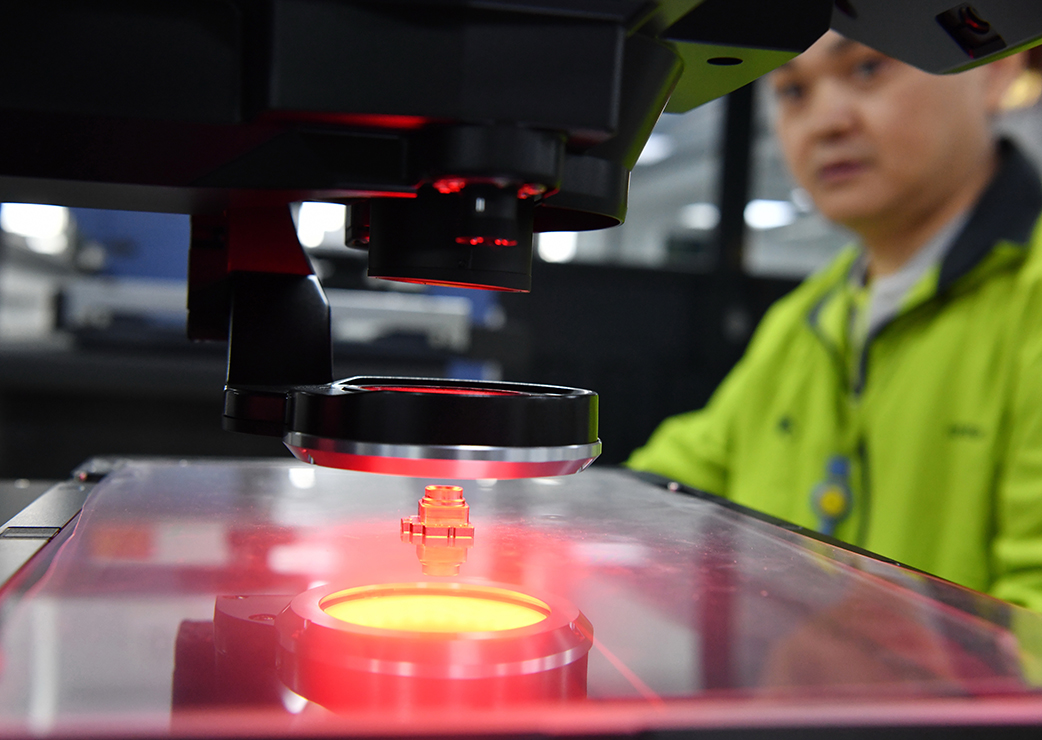
Optical Measurements
- High-precision measurement
- Non-contact measurement
- Production efficiency improvement
- Quality control and improvement
- Research and innovation in new materials
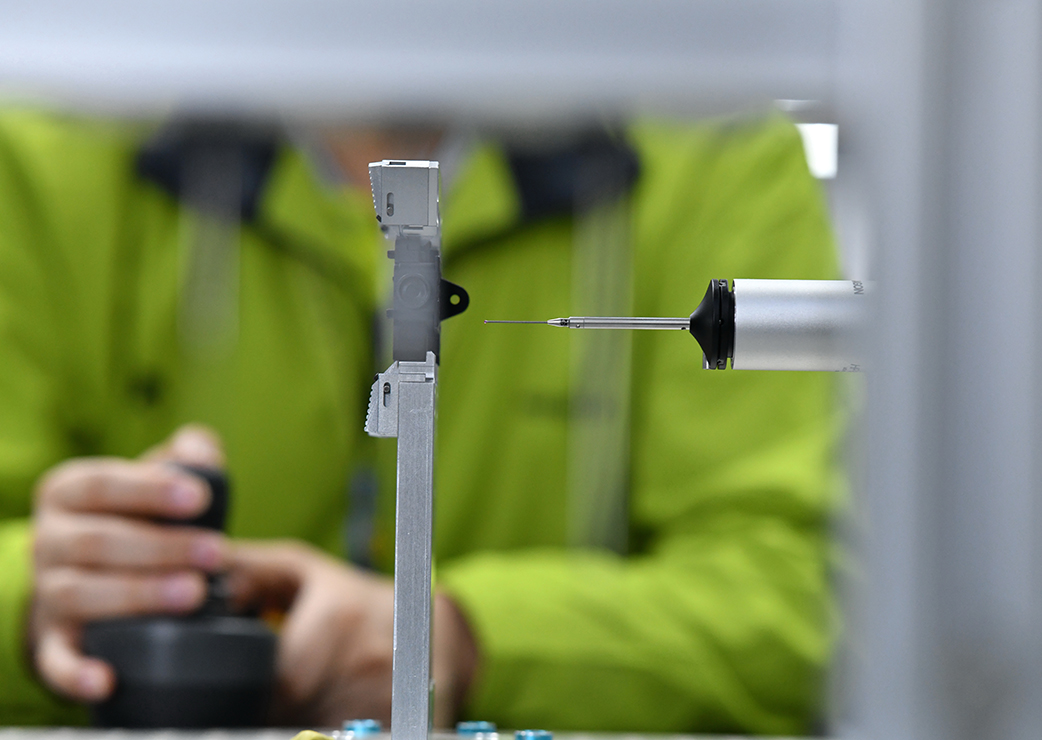
Physical Measurements
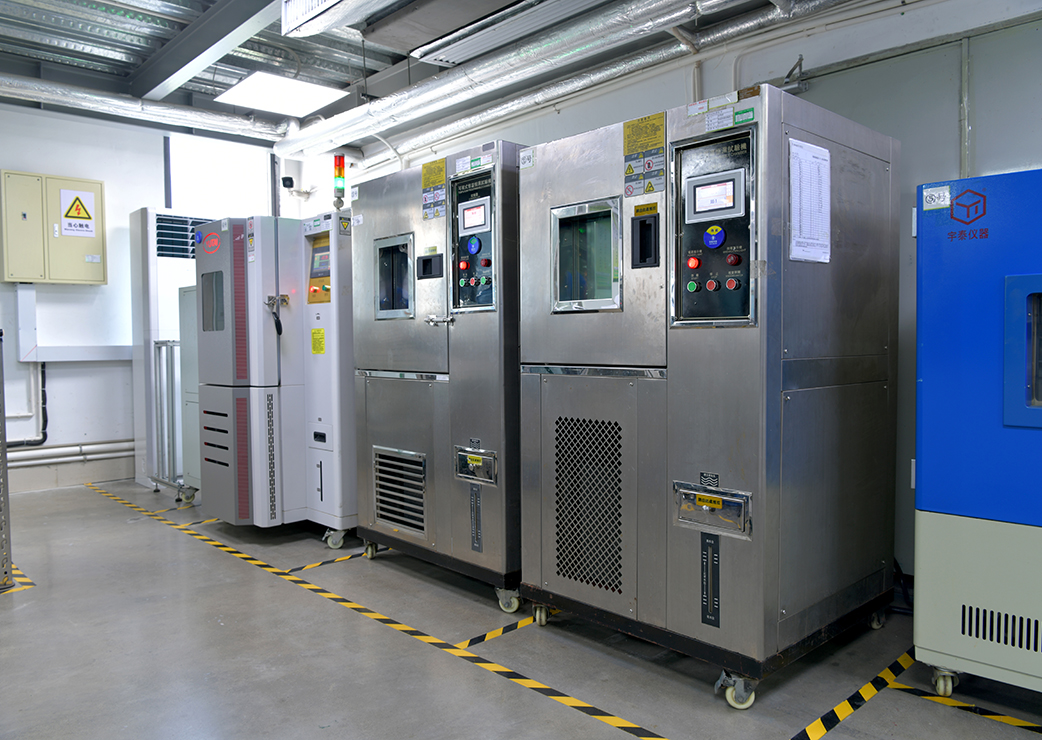
Environmental Testing
Reliability Testing
Baby Care Product Testing
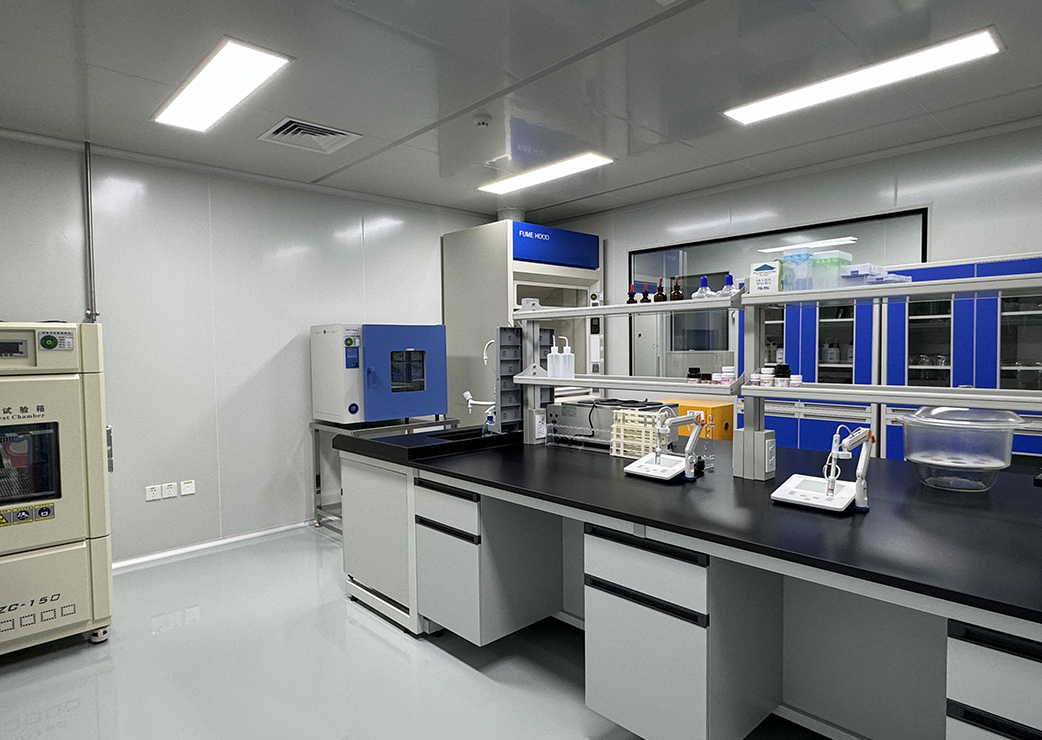
Microbiological Laboratory
Physical and Chemical Laboratory


Smart Manufacturing & Industry 4.0
The application of smart systems has enabled Hongrita to achieve better production automation, digital management, and AI decision-making, thereby enhancing the factory's level of intelligence, optimizing enterprise operational efficiency, and quality management, and strengthening the company's competitiveness in the industry.
Our smart manufacturing framework integrates real-time machine monitoring, automated material handling, and predictive maintenance schedules. This digital environment reduces downtime, minimizes material waste, and ensures that high-precision packaging plastic parts are manufactured with maximum efficiency and minimal carbon footprint.