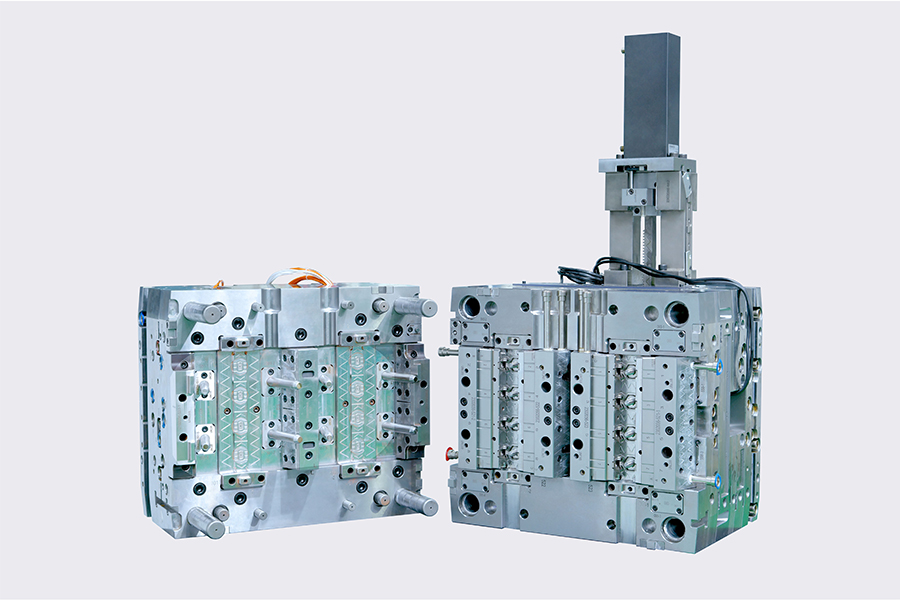
Featured Precision Molding Solutions
Leveraging advanced multi-material injection technology and sterile LSR processing. Explore our core engineering capabilities designed for high-performance medical, automotive, and baby care applications.
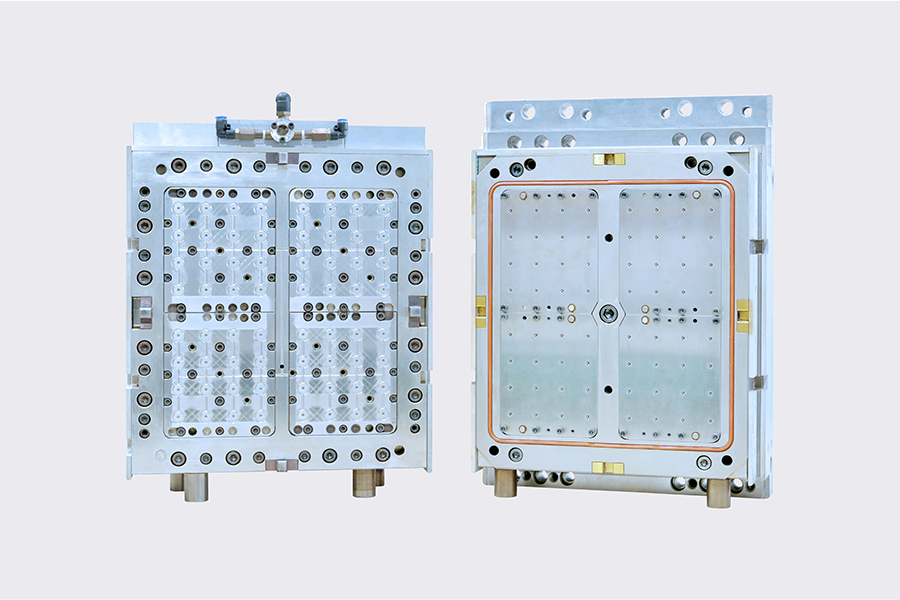
High-quality LSR harness plugs - dustproof and waterproof, suitable for electric vehicle products
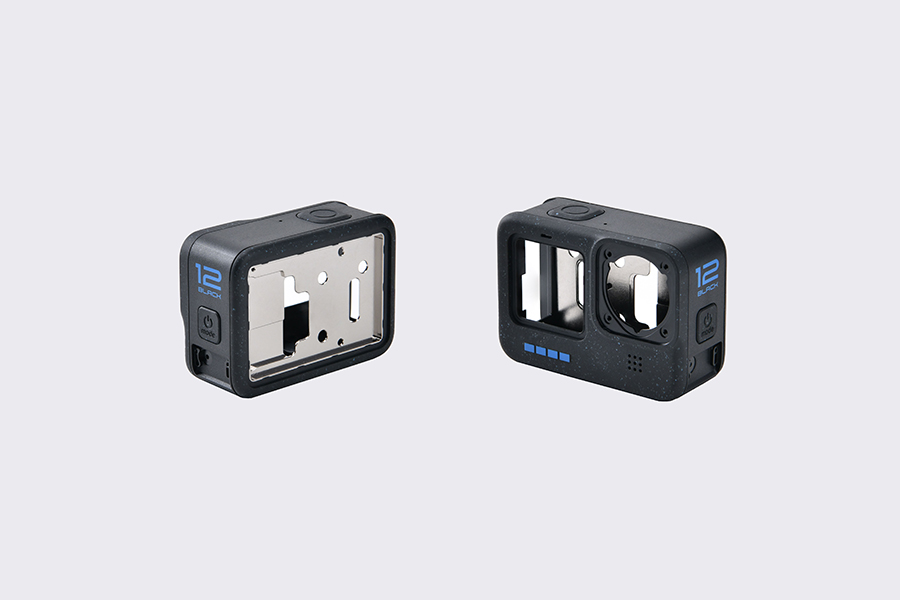
Action camera housing - waterproof and drop-proof, extreme sports professional photography equipment
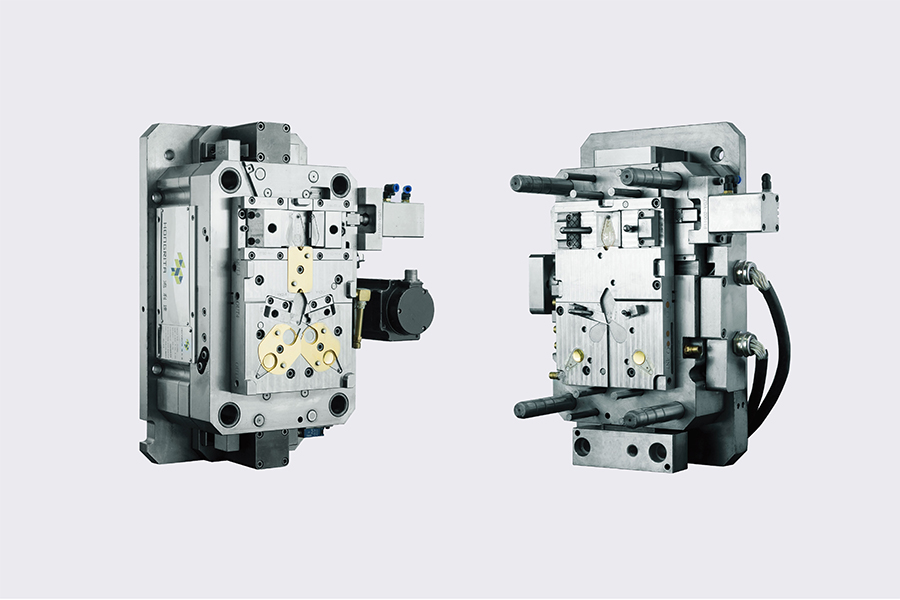
3-Component Magnifier- molded in one assembly, ideal for reading and appreciating artifacts
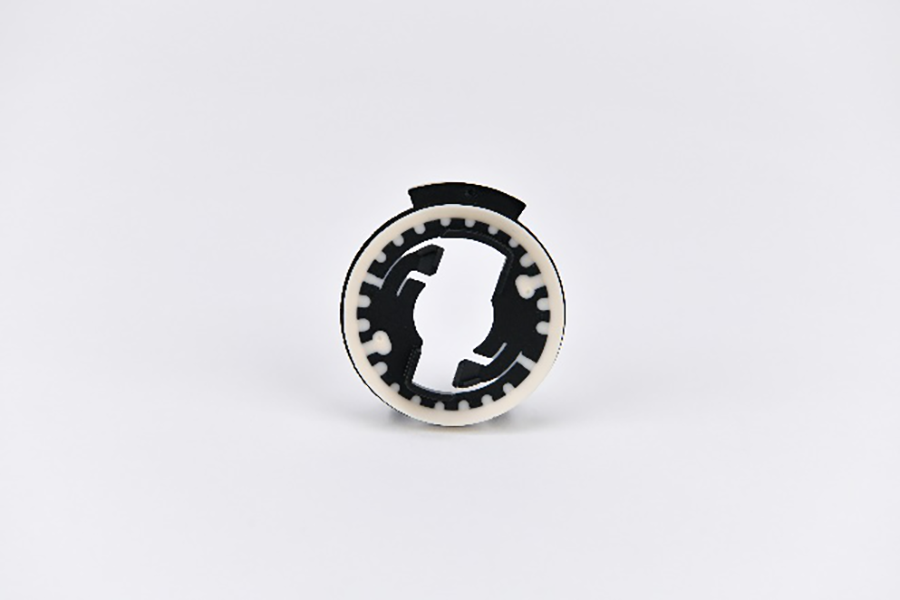
Customized Automotive Airbag Plastic Parts
London's Pacifier Mold Industry: Industrial & Commercial Landscape
The United Kingdom, and London in particular, has long stood as a beacon of strict regulatory frameworks, innovative product design, and consumer safety. Within the baby care sector, particularly the manufacturing of pacifiers (soothers) and baby bottle nipples, the demand for precision tooling has undergone a significant transformation. As a major commercial and logistics hub, London connects international designers with high-tech manufacturers capable of delivering medical-grade liquid silicone rubber (LSR) and thermoplastic elastomer (TPE) components.
The Regulatory Push for Medical-Grade Silicone
In London and the broader UK market, safety regulations such as the UKCA (UK Conformity Assessed) marking and compliance with BS EN 1400 standards dictate the design, mechanical strength, and material composition of pacifiers. Traditional rubber and cheap plastics have been heavily phased out in favor of medical-grade Liquid Silicone Rubber (LSR). LSR is highly resistant to bacterial growth, hypoallergenic, taste-free, and capable of enduring repeated sterilization cycles without degrading.
For a pacifier mold manufacturer supplying the London market, this shifts the focus from basic injection molding to highly advanced cleanroom molding. Molds must be designed with extreme precision to prevent flash—microscopic plastic or silicone overflows that could irritate a baby's sensitive mouth. This requires sub-micron machining tolerances, specialized cold runner systems, and automated demolding processes.
Local Innovation and Design Collaborations
London is home to world-class pediatric institutions, dental schools, and baby product startups. The trend toward orthodontic pacifiers—designed to mimic the shape of a mother’s nipple during breastfeeding and support healthy jaw development—requires complex mold geometries. Tooling designers must work closely with biomechanical engineers to create variable-wall-thickness parts. Multi-component injection molding (2K or 3K molding) is utilized to bond a rigid polypropylene (PP) shield directly to the soft LSR nipple in a single automated cycle, eliminating assembly steps and eradicating potential crevices where bacteria could breed.
Key Technological Trends in Baby Pacifier Mold Manufacturing
Liquid Silicone Rubber (LSR) Dominance
LSR is the material of choice for premium pacifiers due to its biocompatibility and thermal stability. Mold builders must implement cold runner systems with valve gating to ensure zero-waste and flash-free production.
2K & 3K Multi-Component Molding
Combining hard plastic shields, soft silicone teats, and colorful handles in a single molding cycle. This improves structural integrity, eliminates adhesive use, and lowers assembly costs.
Smart AI-Driven Quality Control
Using inline optical cameras and AI algorithms to detect micro-defects, air bubbles, or parting line variations in real-time, ensuring 100% compliance with pediatric safety standards.
Sustainability and the Circular Economy in the UK
As environmental concerns grow across the UK, consumer pressure is pushing brands to adopt sustainable materials. This has spurred interest in bio-based silicones and recycled polycarbonate for the hard components of pacifiers. Mold manufacturers must adapt their tooling to handle the unique flow rates and shrinkage rates of these eco-friendly materials without compromising on the mechanical safety standards of the final product.
Additionally, the integration of smart sensors into baby products is an emerging niche. While traditional pacifiers remain passive, advanced clinical settings in London hospitals are exploring pacifier-like sensors capable of monitoring infant temperature, oxygen levels, or sucking strength. The molds for these devices require precise inserts to house micro-electronics securely within the bio-compatible silicone shell.
GLOBAL MANUFACTURING LOCATIONS

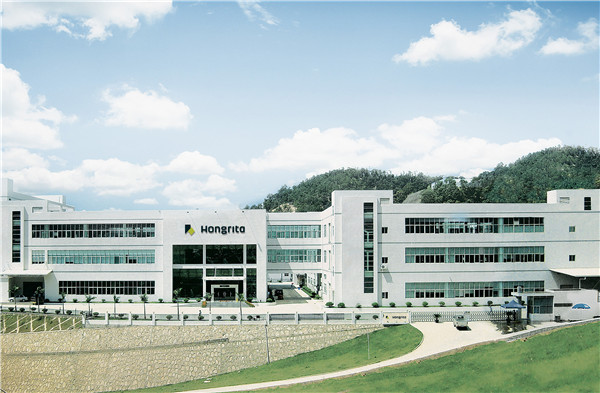
Shenzhen
Focusing on the 3C and intelligent technology components business, overseas commercial mold business, and in-house use molds.
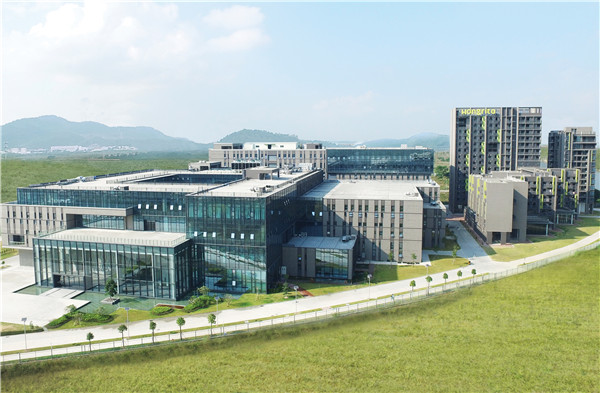
Zhongshan
Serving as Hongrita's hub for innovation R&D, engineering, major projects and production; and the proving grounds of change management, new technology applications and intelligent manufacturing.
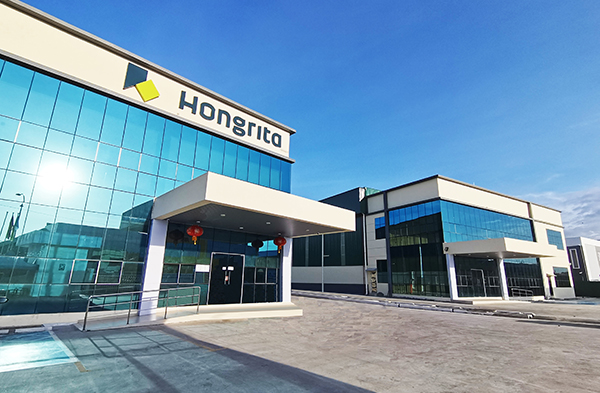
Penang
Developing tooling and molding business in Southeast Asia; and serving as proving grounds of Hongrita's global expansion plan and training base for the overseas team.
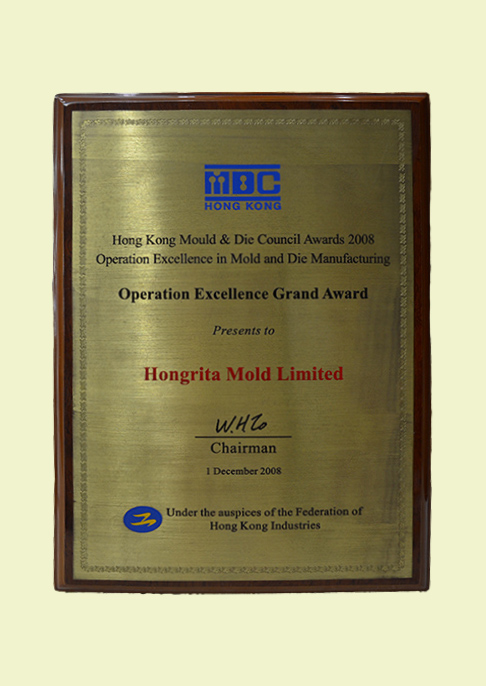
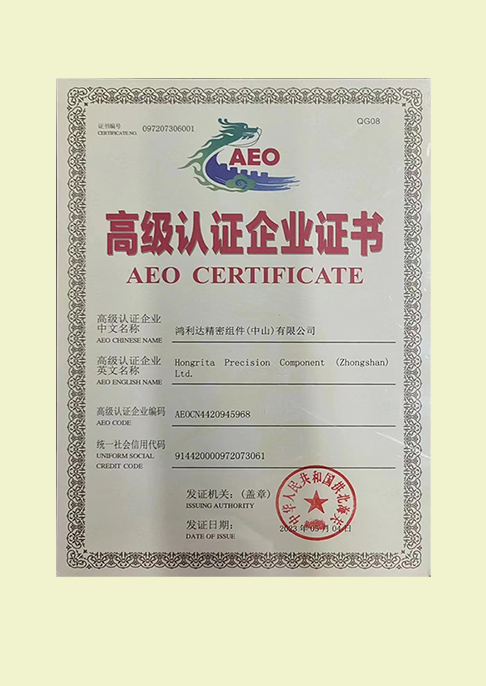
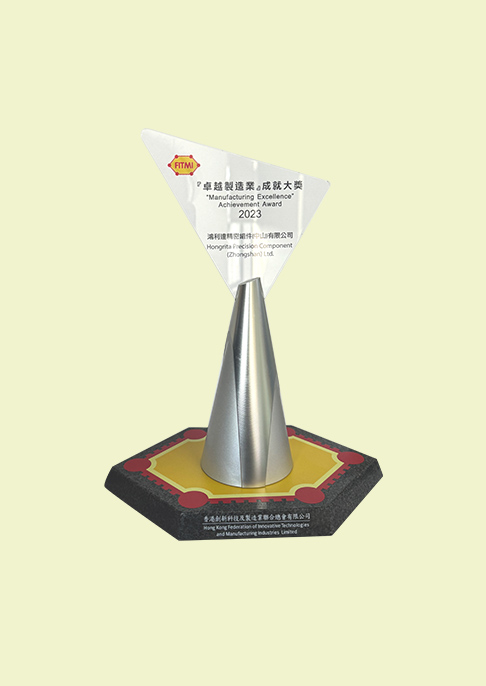
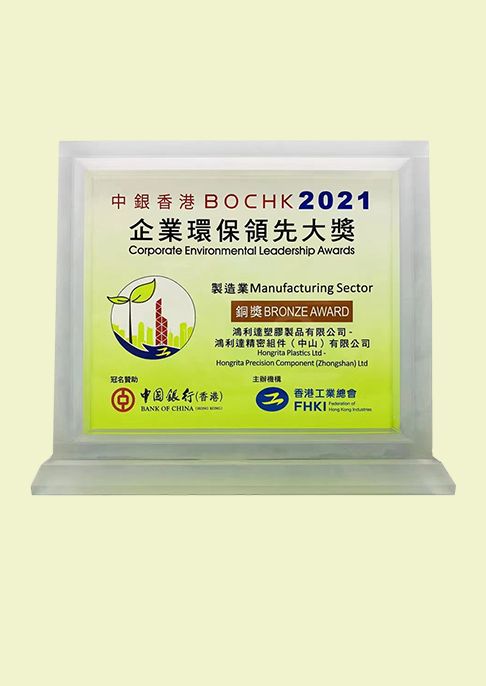
QUALIFICATIONS & CERTIFICATIONS
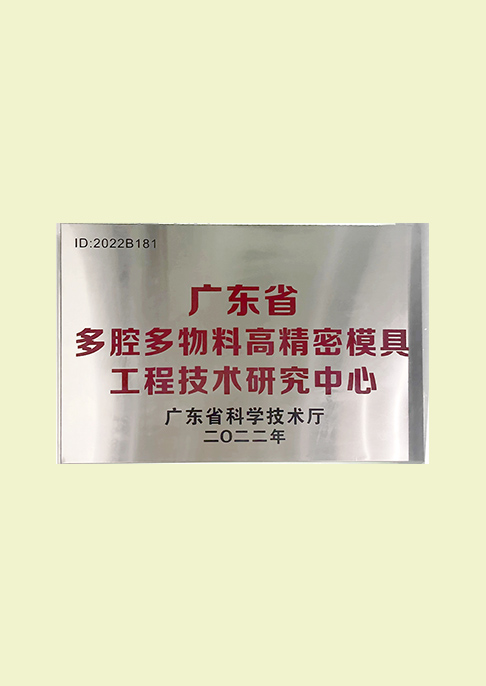
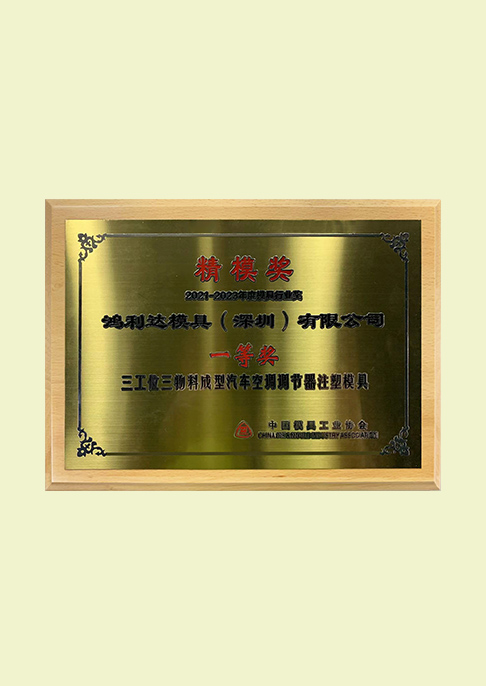
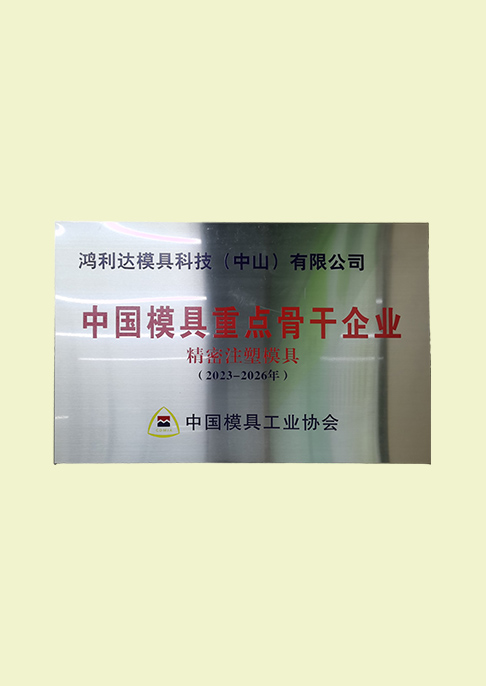
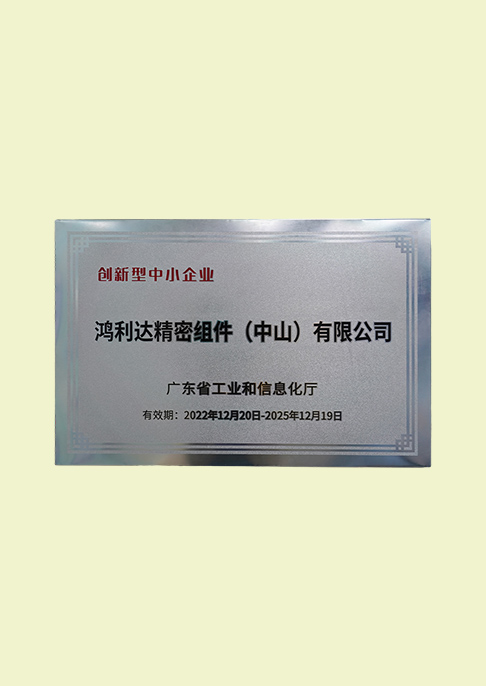
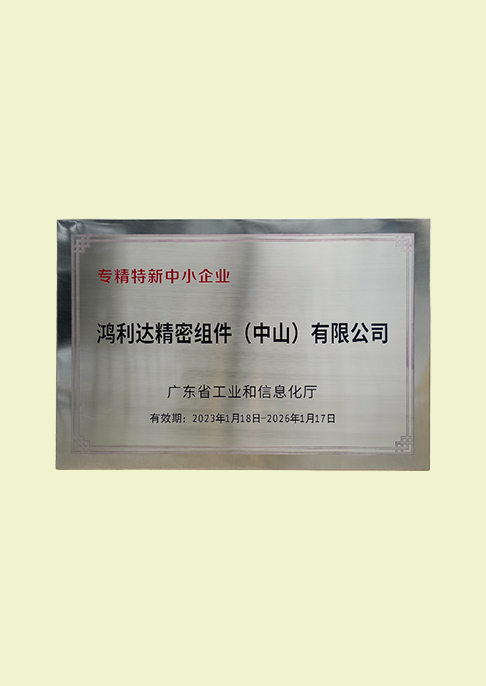
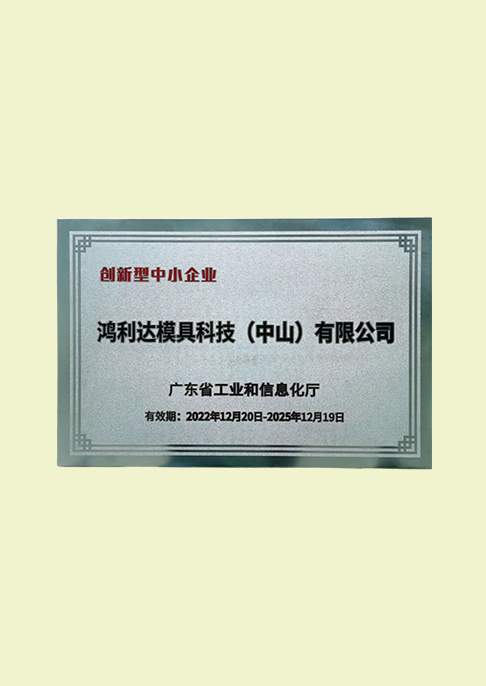
Our commitment to quality is backed by international standards, ensuring safe, reliable, and high-precision manufacturing for medical, automotive, and baby care industries.
Hongrita has been certified with ISO14001, ISO9001, IATF16949, ISO13485, ISO45001, ISO/IEC27001, ISCC PLUS and is FDA registered.







OUR STORY

After completing the apprentice program, Mr. Felix Choi, the founder of Hongrita, borrowed money and invested in the first milling machine in June 1988. He rented a corner in a friend's factory and established Hongrita Mould Engineering Company, specializing in mold and hardware parts processing. Mr. Choi’s humble, diligent, and progressive entrepreneurial spirit attracted a group of like-minded partners. With the collaborative efforts of the core team and their excellent skills, the company focused on the design and production of complete molds, establishing a reputation for manufacturing precision plastic molds.

In 1993, riding the wave of national reform and opening up, Hongrita established its first base in Longgang District, Shenzhen, and expanded its business to include plastic moulding and secondary processing. After 10 years of growth, the core team believed that it was necessary to build a unique and differentiated competitive advantage in order to be invincible. In 2003, the company began research and development of multi-material/ multi-component moulding technology and moulding process, and in 2012, Hongrita took the lead in making breakthroughs in liquid silicone rubber (LSR) mould and moulding technology, becoming a benchmark in the industry. By leveraging innovative technologies such as multi-material and LSR, Hongrita has successfully attracted more quality customers by solving customers' product pain points and jointly adding value to development ideas.

In order to expand and strengthen its business, Hongrita established operational bases in Cuiheng New District, Zhongshan City and Penang State, Malaysia in 2015 and 2019, and the management initiated an all-round upgrading and transformation in 2018, formulated a medium- and long-term development plan and ESG sustainable development strategy to fully cultivate a win-win culture. Now, Hongrita is moving towards the goal of building a world-class lighthouse factory by upgrading digital intelligence, AI application, OKR and other activities to improve management effectiveness and per capita efficiency.
VISION, MISSION & VALUES

Vision
Create better value together.

Mission
Make a product better with innovative, professional and intelligent molding solutions.

Core Value
Passion, Collaboration, Innovation, Professionalism, Advancement, Sustainability.
MANAGEMENT METHODOLOGY

Our Full Range of Precision Products
Explore our complete portfolio featuring precision LSR components, multi-material consumer products, medical-grade optical components, and automotive engineering solutions.
High-quality LSR harness plugs - dustproof and waterproof, suitable for electric vehicle products
Action camera housing - waterproof and drop-proof, extreme sports professional photography equipment
3-Component Magnifier- molded in one assembly, ideal for reading and appreciating artifacts
Customized Automotive Airbag Plastic Parts
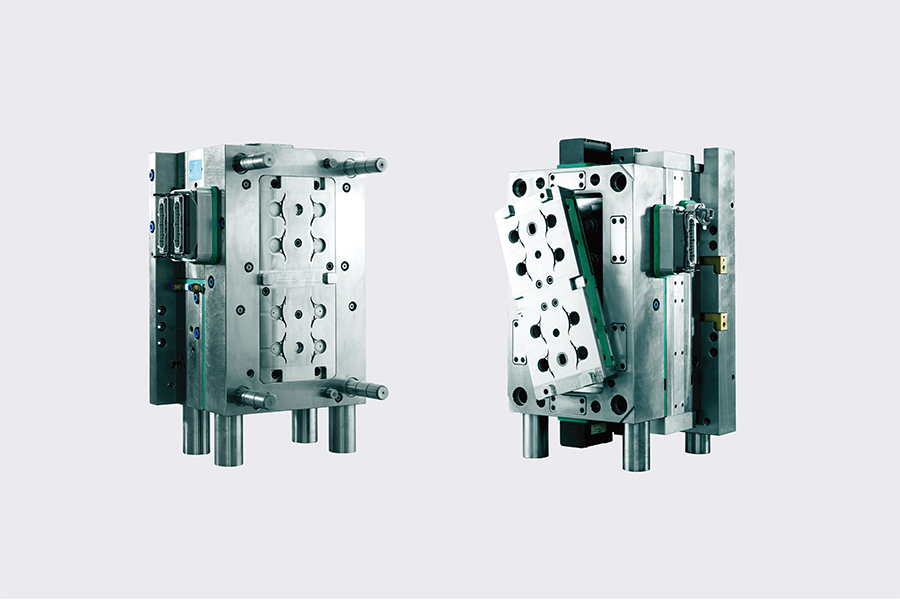
Multi-functional2K Orange Peeler - efficient and convenient, a good helper for kitchen cutting
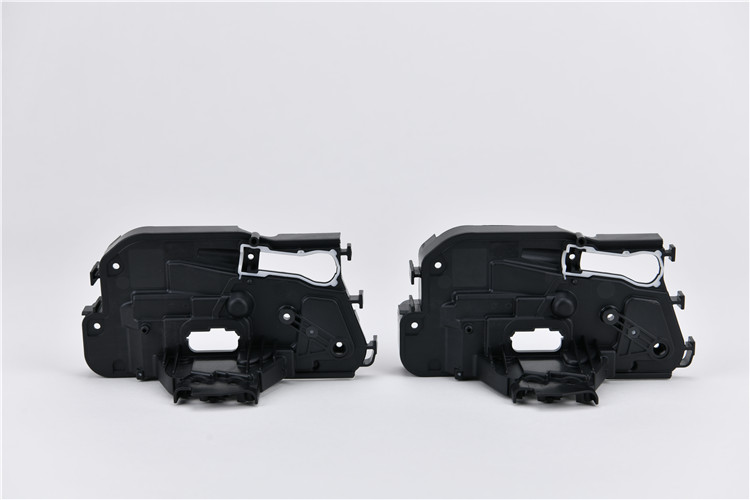
Upper Housing FGL 2K - Premium craftsmanship and materials to enhance door texture and security
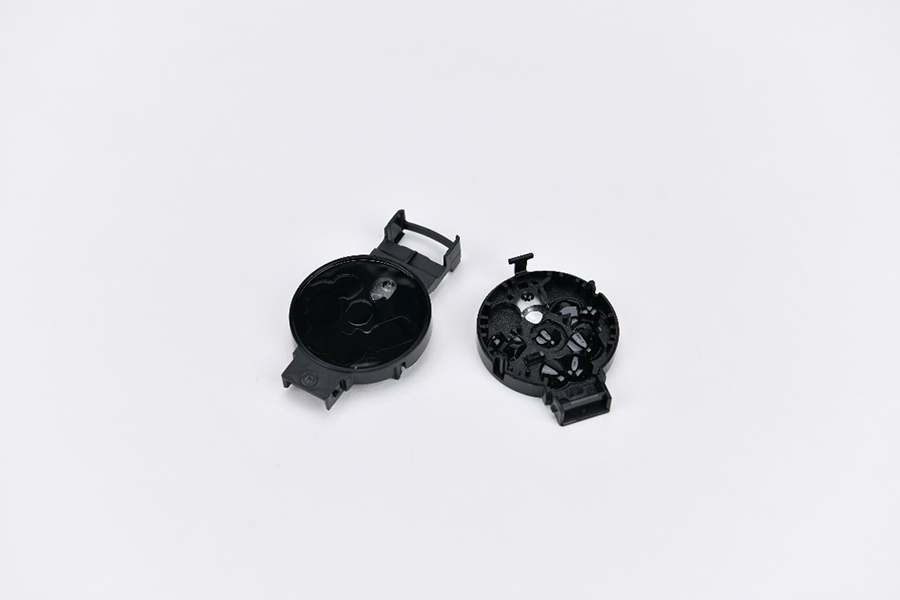
3K Sensor