Featured Solutions for Consumer & Smart Devices
Explore our highly integrated, multi-material precision components engineered to meet the strict demands of modern consumer electronics, IoT devices, and digital healthcare hardware.
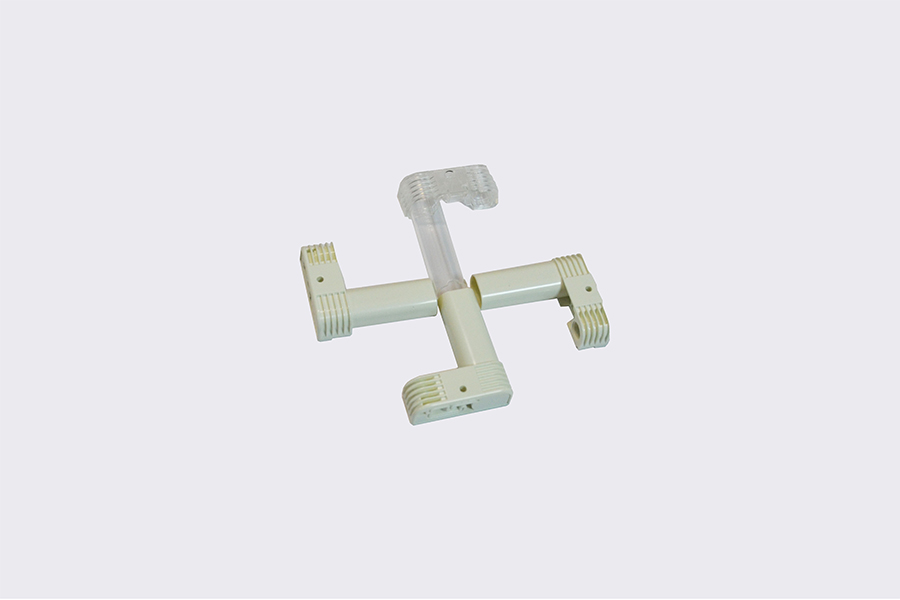
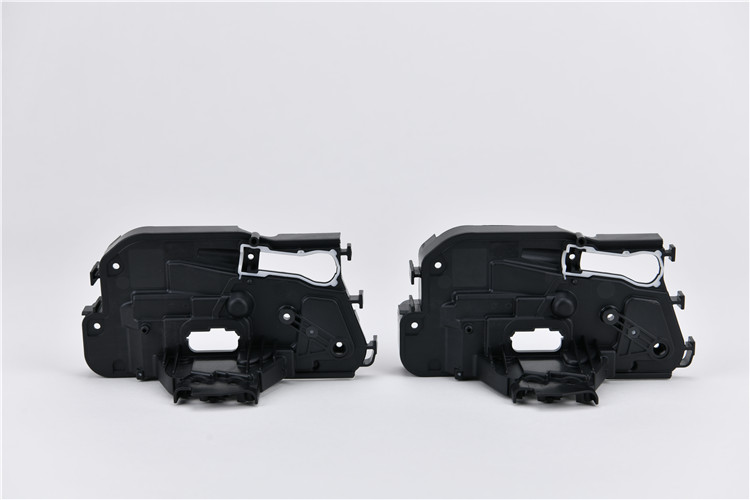

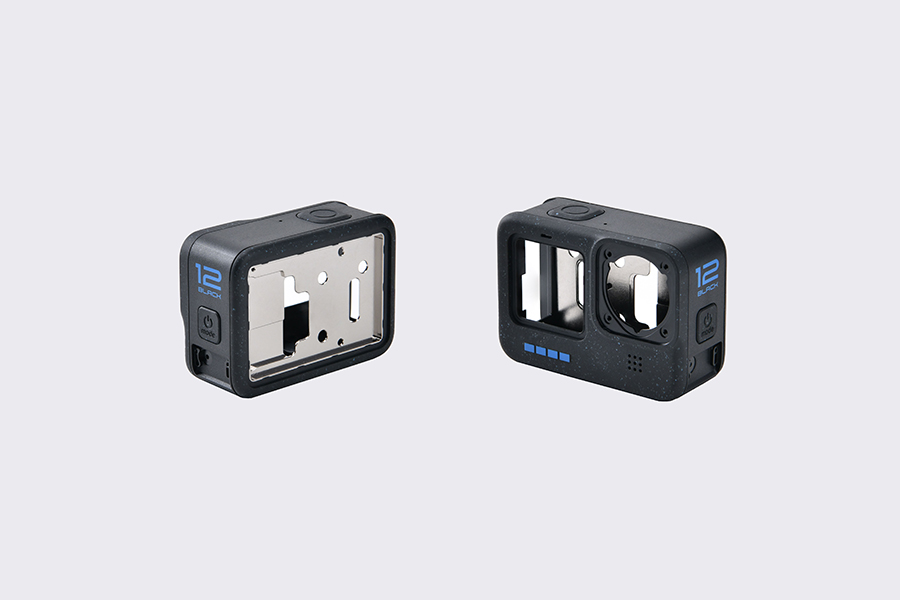
The Evolution of Multi-Component Tooling in Smart Devices
The consumer electronics industry is experiencing a paradigm shift. Today's smart devices—ranging from wearables and IoT sensors to smart home devices and medical grade electronics—demand unprecedented levels of integration, miniaturization, and aesthetic refinement. To achieve this, product designers are moving away from traditional single-material components and mechanical assemblies. Instead, they rely on Multi-Component Tooling (often referred to as 2K, 3K, multi-shot, or overmolding) to fuse rigid plastics, soft elastomers, and liquid silicone rubber (LSR) into a single, cohesive part.
This manufacturing methodology allows for the production of complex, multi-functional parts in a single cycle. By eliminating secondary assembly processes, manufacturers can drastically reduce production costs, minimize dimensional tolerances, and eradicate potential failure points. In the highly competitive consumer electronics market, this translates to faster time-to-market, superior product reliability, and enhanced tactile experiences for the end user.
Miniaturization & Integration
Modern smart devices require complex internal routing and space-saving designs. Multi-component tooling allows engineers to integrate sealing gaskets, structural frames, and cosmetic surfaces into a single molded component, saving precious millimeters inside compact device enclosures.
IP68 Waterproofing & Sealing
For outdoor gear, smartwatches, and medical devices, ingress protection is non-negotiable. Overmolding Liquid Silicone Rubber (LSR) directly onto rigid thermoplastics creates molecular-level bonds that guarantee hermetic seals, protecting delicate electronics from water, dust, and sweat.
Tactile & Cosmetic Excellence
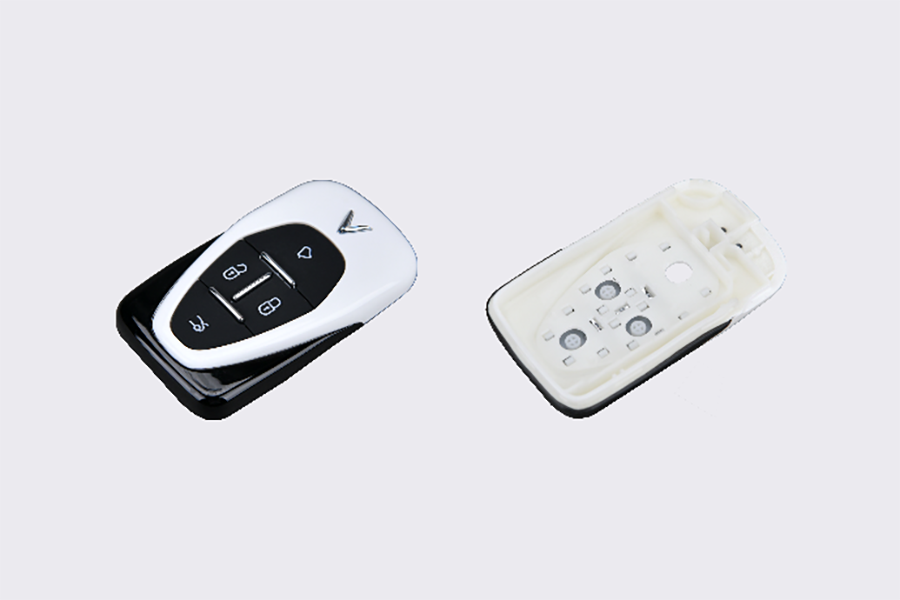
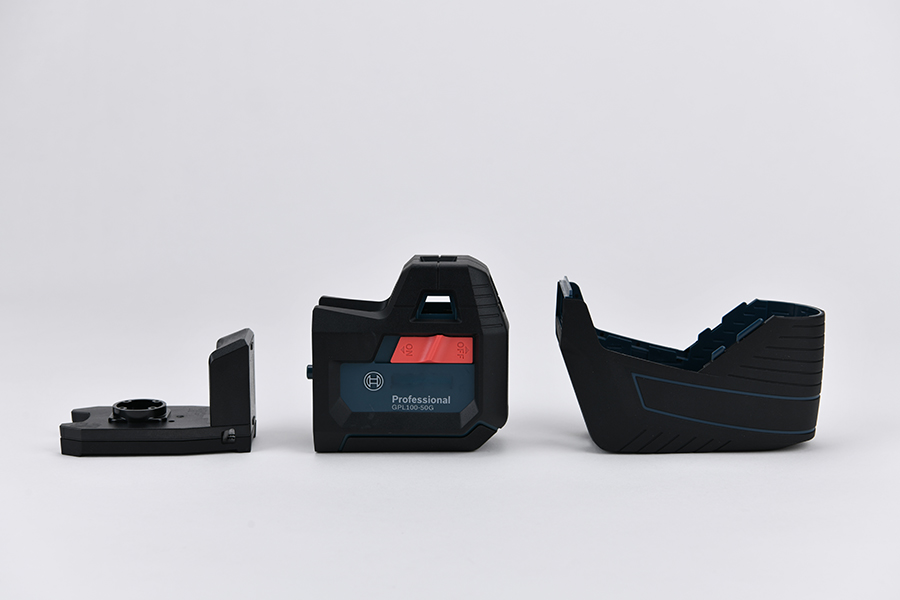
Consumer devices must feel premium. Multi-shot injection molding enables the combination of a structural core with soft-touch grip surfaces (TPE/TPU) and high-gloss or textured finishes, elevating the tactile feedback of buttons, grips, and outer housings.
Core Competences in Precision Engineering
Hongrita's core competences form the foundation of the competitive edge in the plastic and tooling industry. Our multi-component tooling solutions are designed to address the complex requirements of next-generation product designs. By blending advanced materials science with state-of-the-art mold design, we empower brands to realize complex product designs that were once deemed impossible to manufacture.
Hongrita's core competences in ISBM, LSR molding, multi-component molding, tooling, and smart manufacturing collectively strengthen its position as a leading provider of precision plastic components and products. These competences allow Hongrita to deliver innovative and tailor-made solutions to diverse industries, including medical, healthcare, automotive, and rigid packaging, while continuously pursuing technological excellence and sustainable business management practices.
Hongrita's Core Capabilities
Our comprehensive technological ecosystem spans across multiple specialized fields to provide turn-key manufacturing excellence:
- Technology Excellence
- LSR (Liquid Silicone Rubber) Molding
- Multi-Component Molding
- ISBM (Injection Stretch-Blow Molding)
- High Performance Tooling Solutions
- Smart Manufacturing
Specialized Tooling & Molding Technologies
Explore our core technological pillars designed to bring high-precision consumer electronics and medical smart devices to life.
Multi-Component Injection Molding
Advanced multi-shot systems utilizing rotary tables, index plates, and core-back mechanisms to combine multiple plastics in one cycle.
Read MoreMulti-Cavitation Mold
High-cavity tooling solutions optimized for high-volume production runs with balanced hot runner systems and uniform cooling.
Read MoreLSR Injection Molding
Precision liquid silicone rubber molding for skin-contact wearables, medical-grade components, and robust environmental seals.
Read MorePrecision Injection Molding and Equipment
Ultra-precise micro-molding systems and state-of-the-art electric injection molding machines ensuring sub-micron accuracy.
Read MoreDeep-Dive Application Scenarios in Smart Devices
Multi-component tooling is not just a manufacturing process; it is a design enabler. Below, we analyze how this technology is applied across critical consumer and smart device sectors to solve complex engineering challenges.
1. Smart Wearables & Health Monitors
Wearables such as smartwatches, fitness trackers, and portable medical monitors require direct skin contact for biometric sensors. This necessitates the use of bio-compatible Liquid Silicone Rubber (LSR). Through multi-component injection molding, LSR is overmolded onto a rigid polycarbonate (PC) chassis. This creates a soft, hypoallergenic strap or backing integrated seamlessly with the rigid structural frame that houses the battery, PCB, and optical sensors, achieving a dustproof and waterproof IP68 rating.
2. Next-Generation Smart Home Interfaces
Smart thermostats, security cameras, and intelligent locks require sleek, modern aesthetics combined with structural durability. Multi-component tooling enables the integration of transparent light guides or display windows (made of PMMA or PC) directly into opaque, textured outer housings (ABS or PC/ABS blends). This eliminates the need for adhesive bonding, which can degrade over time, ensuring that smart home devices maintain their structural integrity and premium appearance for years of continuous use.
3. Rugged Outdoor & Sports Tech
Action cameras, GPS trackers, and ruggedized smartphones must withstand extreme drops, vibration, and thermal shock. Using a combination of high-strength glass-filled nylon for the inner frame and energy-absorbing thermoplastic elastomers (TPE) for the outer corners, multi-shot tooling creates a protective "exoskeleton" that disperses impact energy. The resulting structure is highly resilient, protecting sensitive internal optics and circuitry without adding unnecessary bulk.
Advanced Quality Assurance & Laboratory Testing
Precision tooling requires rigorous validation. Our state-of-the-art testing facilities ensure that every multi-component mold and molded part meets the strict tolerances and quality standards required for consumer electronics and medical smart devices.
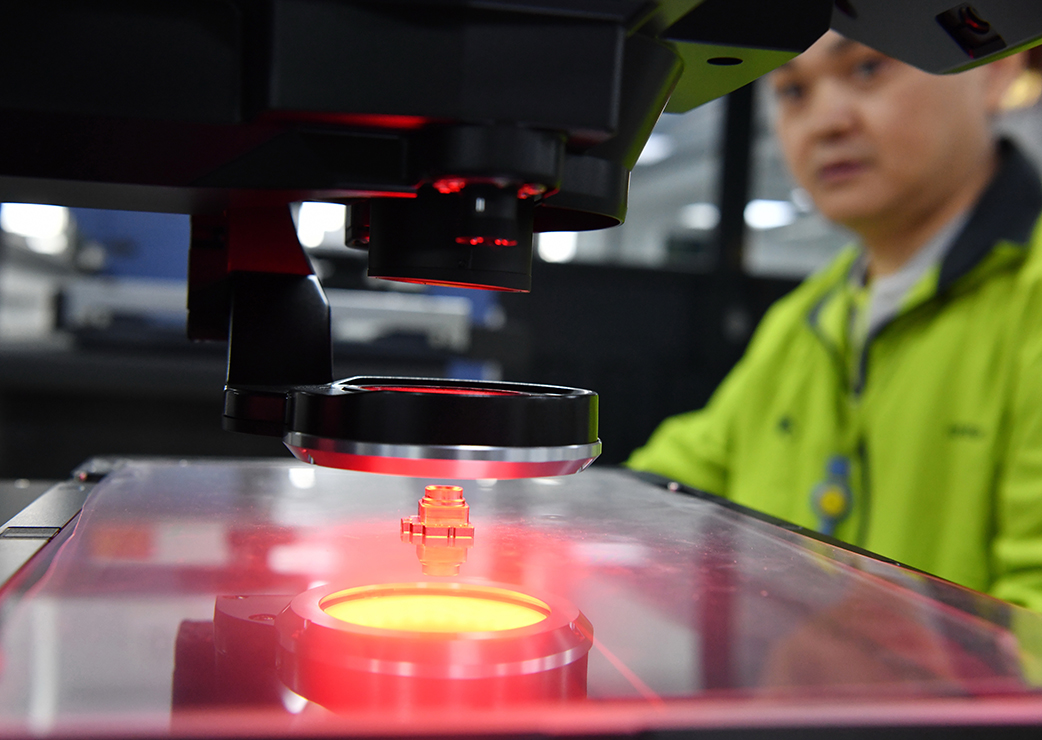
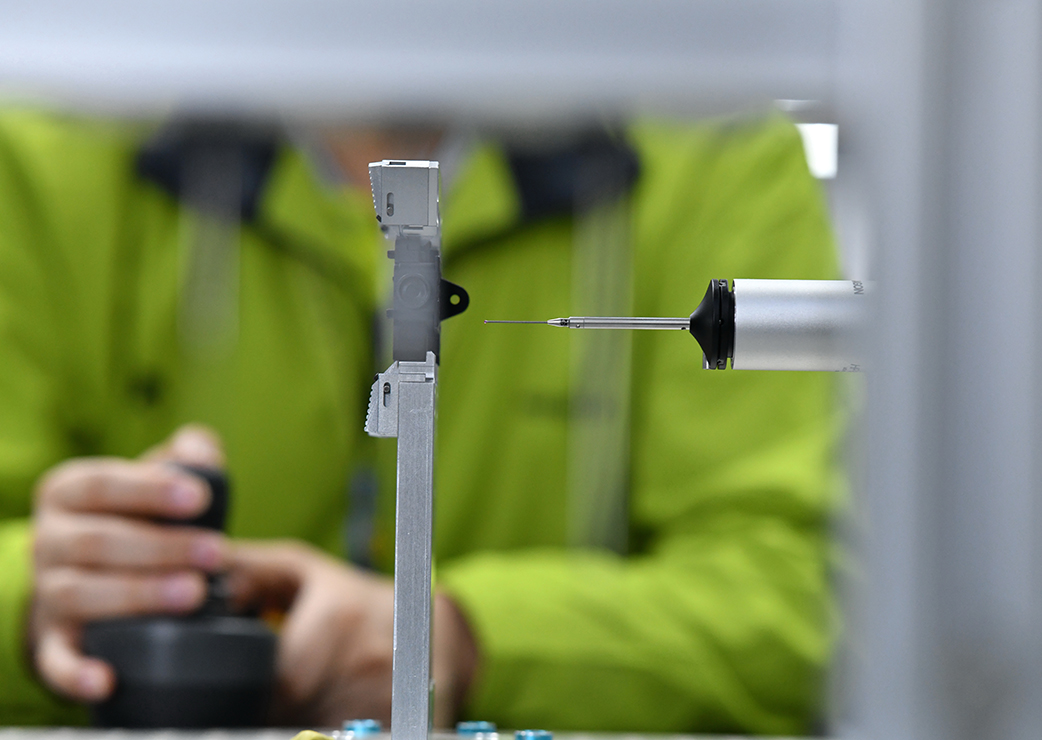
Optical Measurements
- High-precision measurement
- Non-contact measurement
- Production efficiency improvement
- Quality control and improvement
- Research and innovation in new materials
Physical Measurements
Comprehensive mechanical testing, including tensile strength, flexural modulus, and adhesion testing between multi-material interfaces.
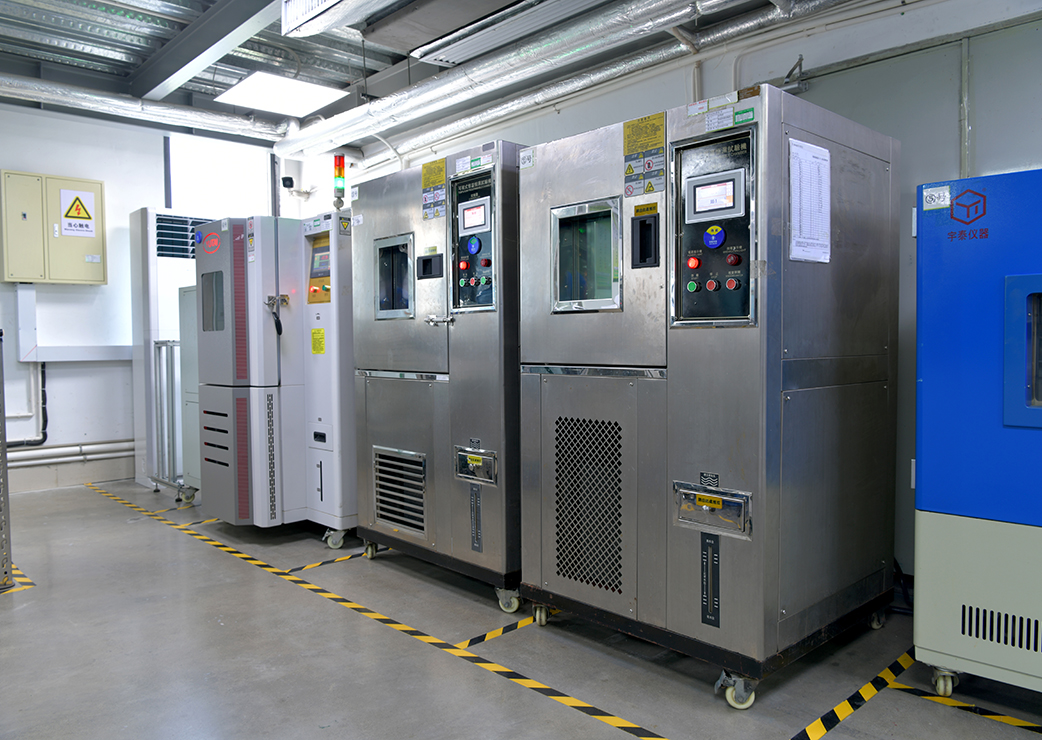
Environmental Testing
Thermal cycling, humidity aging, and UV exposure tests to simulate real-world environmental degradation on consumer electronics.
Reliability Testing
Drop testing, button cycle lifetime testing, and ingress protection (IP) verification for waterproof smart devices.
Baby Care Product Testing
Chemical migration and safety testing for products designed for infant and child interaction.
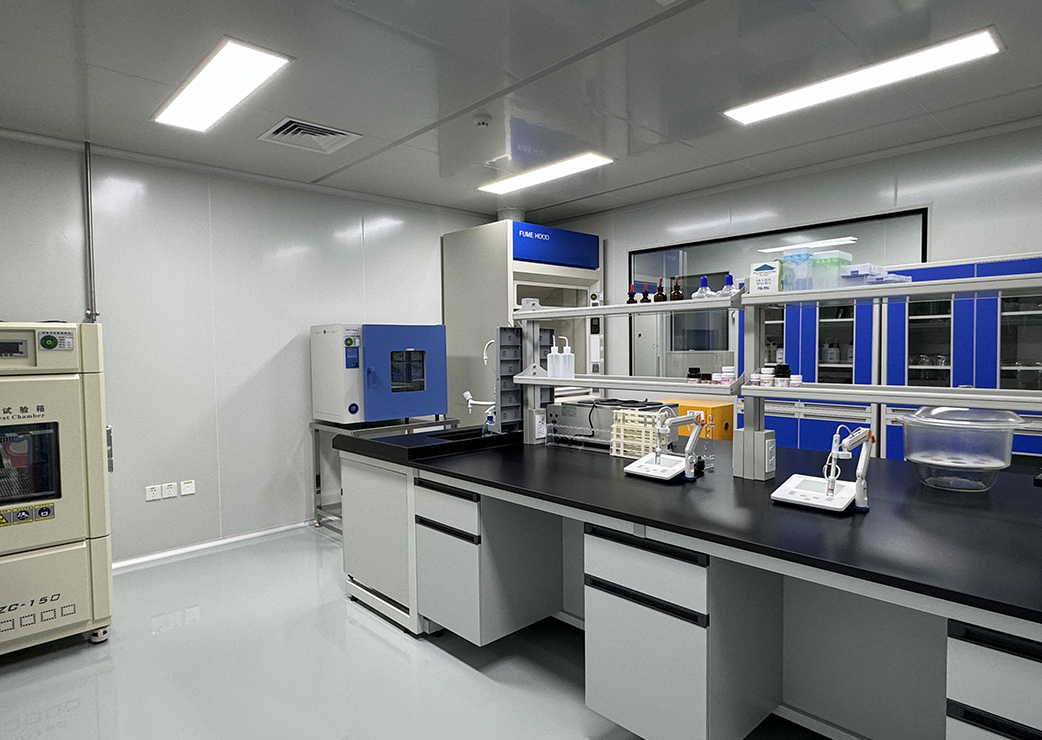
Microbiological Laboratory
Sterility and contamination testing, critical for smart medical devices and wearable healthcare monitors.
Physical and Chemical Laboratory
Material characterization, polymer rheology analysis, and material compatibility studies for multi-shot molding.


Smart Manufacturing & Industry 4.0 Integration
The application of smart systems has enabled Hongrita to achieve better production automation, digital management, and AI decision-making, thereby enhancing the factory's level of intelligence, optimizing enterprise operational efficiency, and quality management, and strengthening the company's competitiveness in the industry.
Our smart manufacturing framework integrates real-time cavity pressure monitoring, automated robotic demolding, and inline optical inspection systems. This ensures that every cycle of our multi-component molding machines is monitored for deviations, guaranteeing zero-defect manufacturing for high-volume smart device production runs.
High Performance Mold and Smart Manufacturing
Integrating predictive maintenance and intelligent cooling channel designs to maximize mold life and reduce cycle times.
Read MorePrecision Injection Molding Workshop
Class 100,000 cleanroom environments equipped with advanced electric molding machines for high-precision components.
Read MoreDigital Management Platforms
Full traceability from raw material batching to final product assembly via our integrated MES and ERP systems.
Read MoreFuture Trends in Multi-Component Tooling for Smart Devices
As consumer electronics evolve, several emerging trends are shaping the future of multi-component tooling:
1. In-Mold Electronics (IME) & Plastronics
The future lies in integrating electronic functionality directly into structural plastic parts. By printing conductive silver inks onto flexible films and overmolding them with structural plastics, manufacturers can create 3D smart surfaces with integrated capacitive touch switches, antennas, and LED lighting, eliminating traditional PCBs entirely.
2. Sustainable and Bio-Based Polymers
With increasing environmental regulations and consumer demand for green products, the integration of post-consumer recycled (PCR) plastics and bio-based elastomers is gaining traction. Multi-component tooling must adapt to the unique shrinkage rates and thermal profiles of these eco-friendly materials to maintain the tight tolerances required for smart devices.
3. AI-Driven Mold Flow & Tool Design
AI algorithms are now being used to simulate resin flow, gate locations, and thermal distribution in complex multi-shot molds before steel is cut. This reduces tooling iterations, optimizes cycle times, and prevents defects such as weld lines, sink marks, and material bleeding at the interfaces.
Our Complete Product & Component Portfolio
Discover our full range of custom tooling and multi-component injection molded solutions across multiple industries, including medical, automotive, and smart consumer devices.