Advanced Automotive Sensor Solutions
The Evolution of Multi-Component Molding in Automotive Electronics
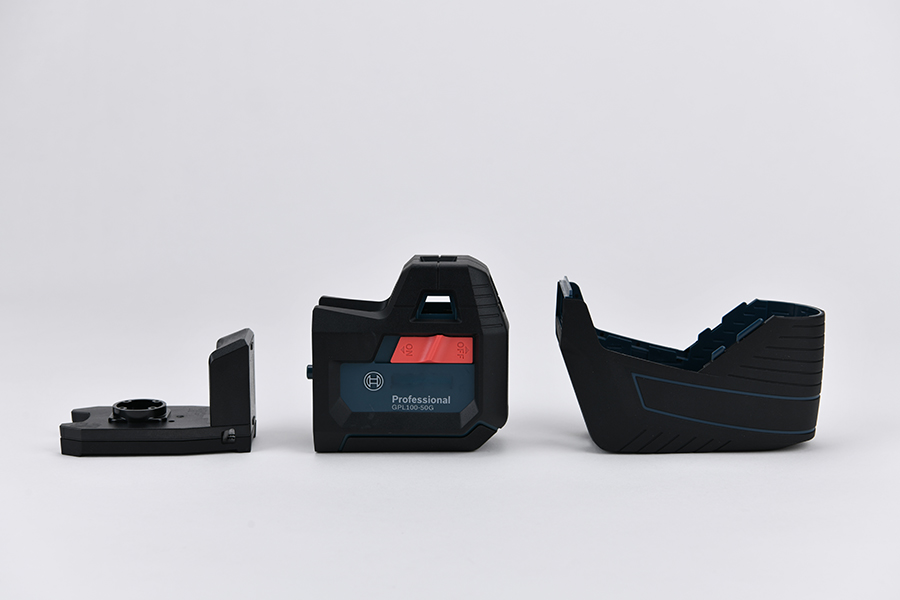
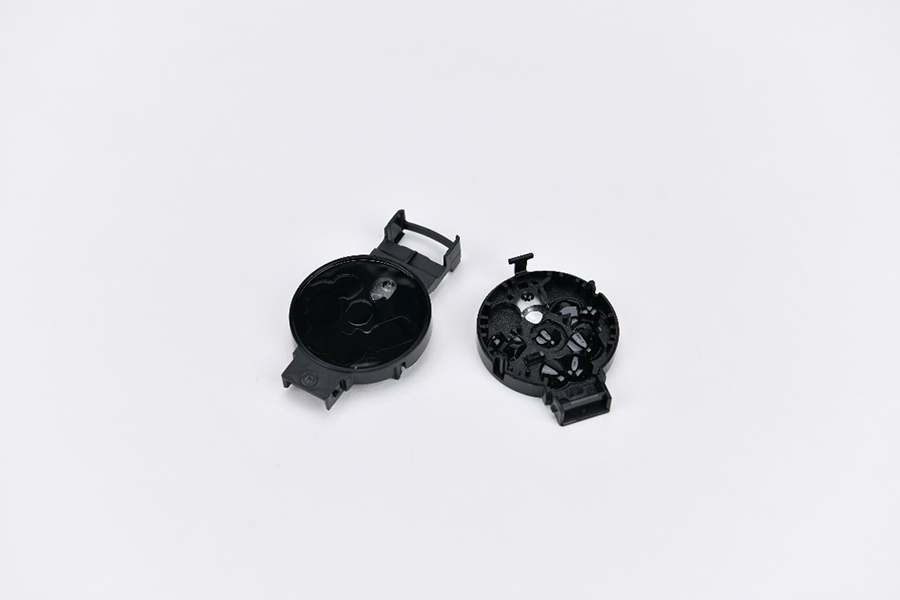
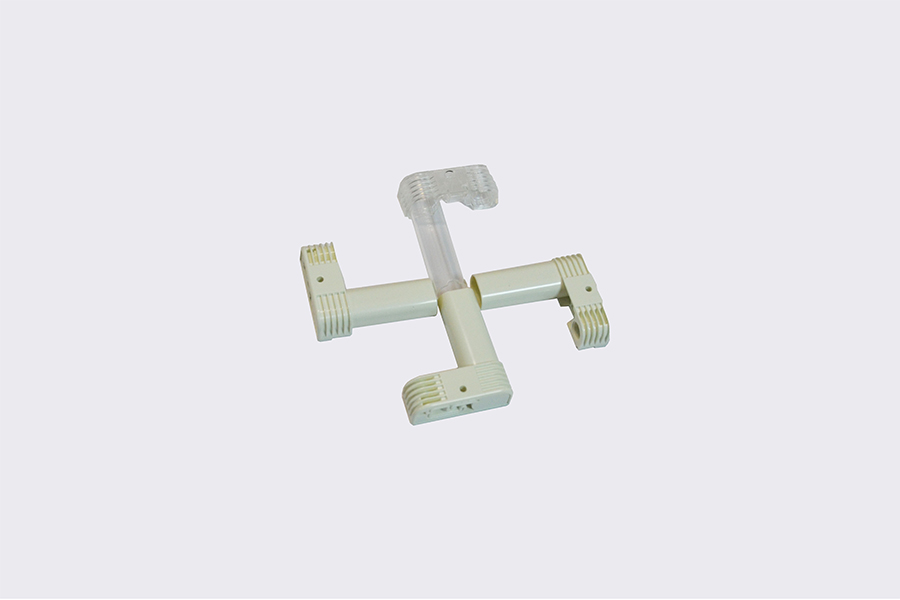
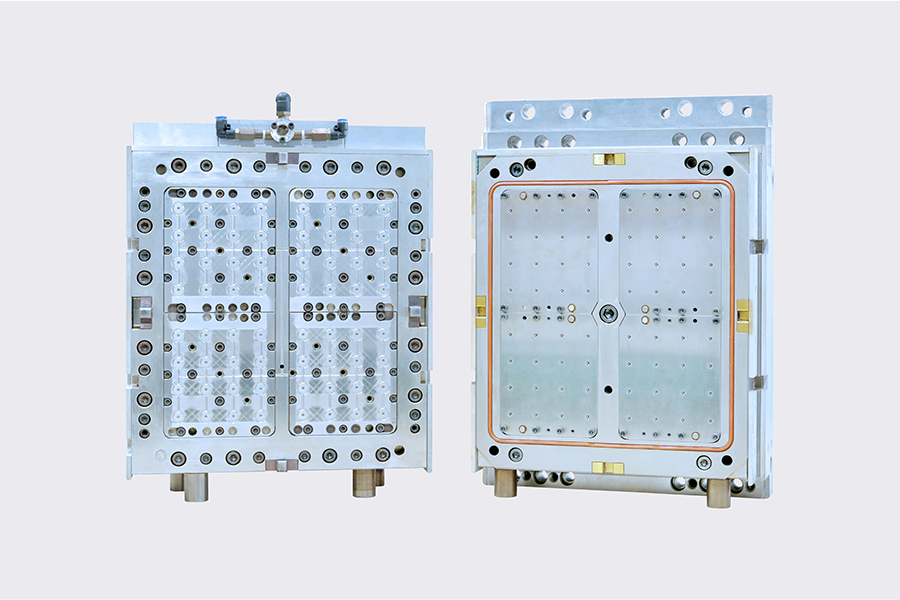
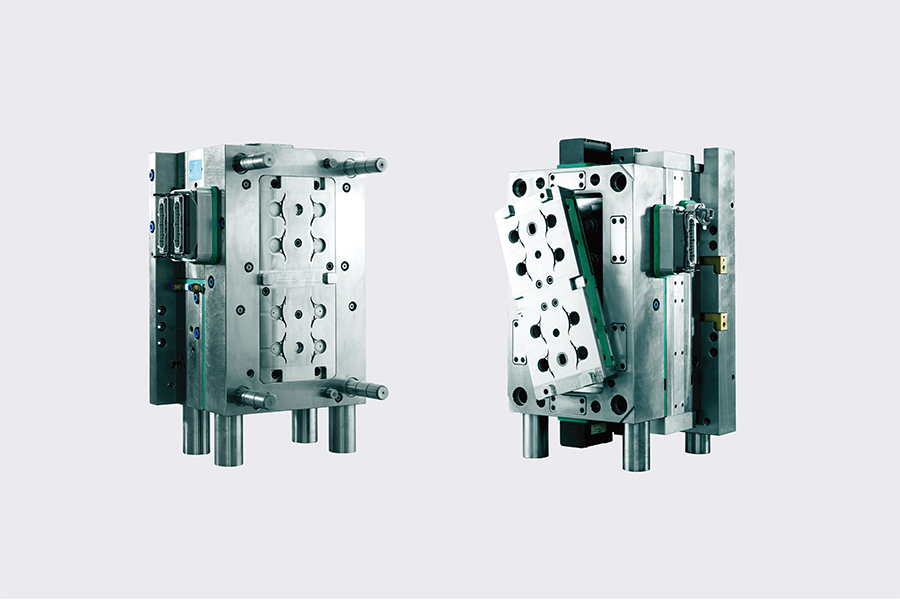
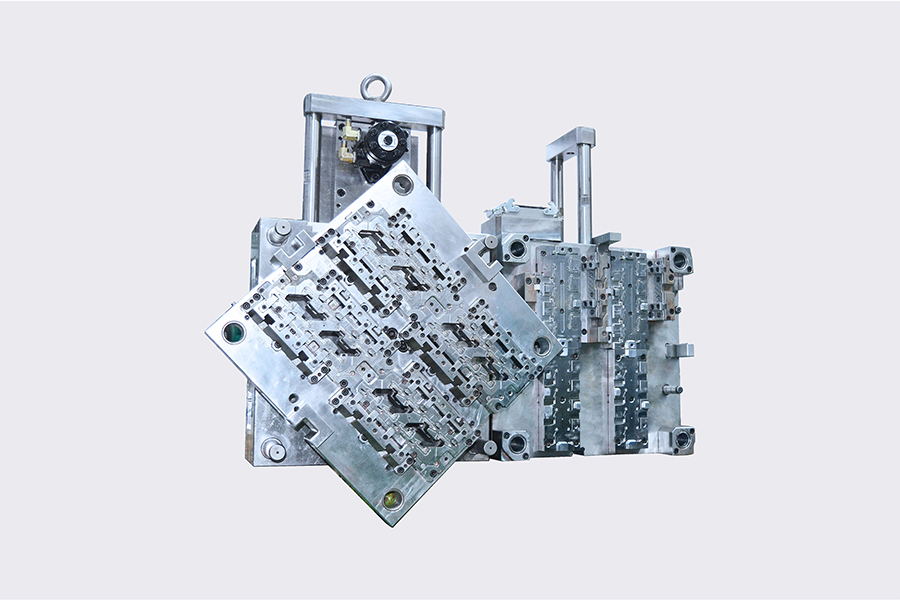
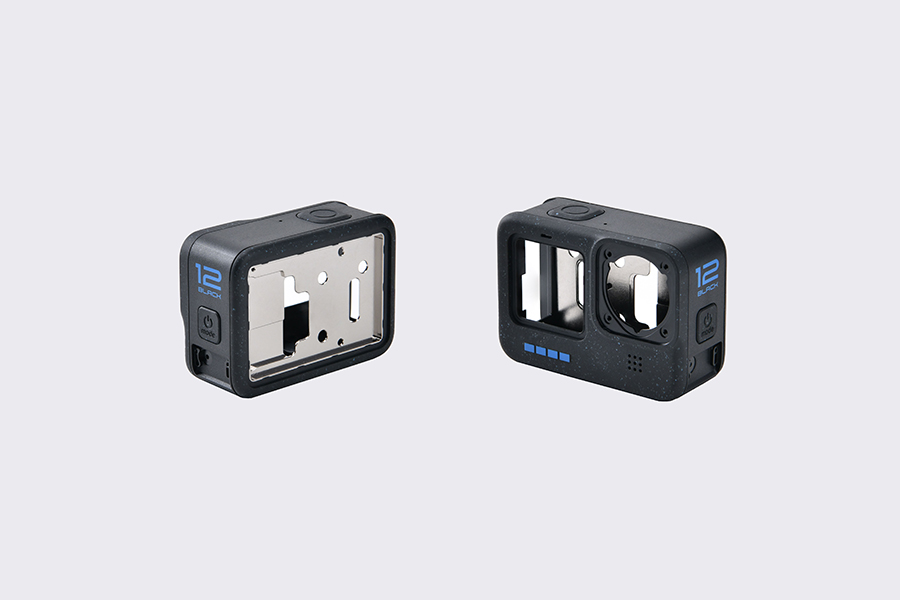
In the rapidly transforming landscape of the automotive industry, the demand for sophisticated Multi-Component Molding For Automotive Sensors And Control Components has reached an all-time high. As vehicles transition from mechanical machines to "computers on wheels," the integration of complex electronic systems requires manufacturing processes that offer precision, durability, and cost-efficiency. Multi-component molding, also known as 2K, 3K, or multi-shot injection molding, has emerged as the cornerstone technology for producing the next generation of automotive sensors.
Why Multi-Material Integration Matters
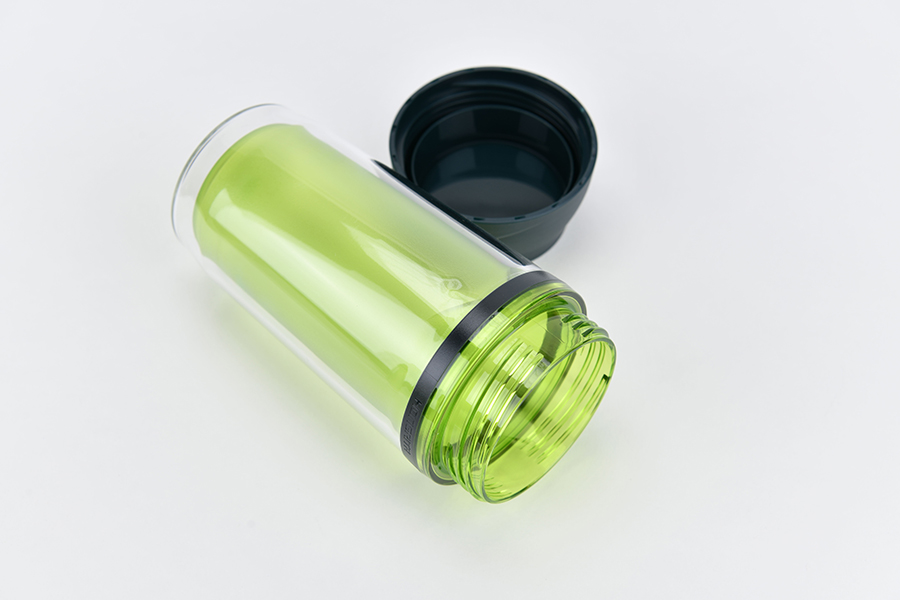
Modern vehicles utilize hundreds of sensors for ADAS (Advanced Driver Assistance Systems), powertrain management, and cabin comfort. Multi-component molding allows for the combination of rigid thermoplastics with flexible Liquid Silicone Rubber (LSR) or Thermoplastic Elastomers (TPE) in a single automated cycle. This eliminates secondary assembly steps, reduces potential leak paths, and ensures a chemical bond between materials that is vital for harsh automotive environments.
Industrial Status: The Drive Towards Electrification
The global automotive sensor market is currently experiencing a CAGR of over 8%, largely driven by Electric Vehicles (EVs) and Autonomous Driving. In this context, Multi-Component Molding is no longer a luxury but a necessity. Manufacturers are now tasked with creating components that are not only lighter—to extend EV battery range—but also more resilient to electromagnetic interference (EMI) and thermal fluctuations.
Currently, Tier 1 suppliers are shifting toward integrated sensor housings where the connector, the seal, and the structural body are molded as one unit. This "total integration" approach reduces the bill of materials (BOM) and significantly lowers the risk of component failure due to vibration or moisture ingress, which are the primary causes of sensor malfunction in EVs.
GLOBAL MANUFACTURING FOOTPRINT
-
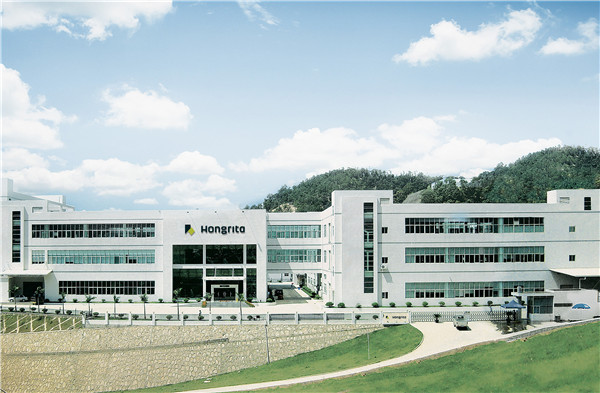
Shenzhen
Focusing on the 3C and intelligent technology components business, overseas commercial mold business, and in-house use molds.
-
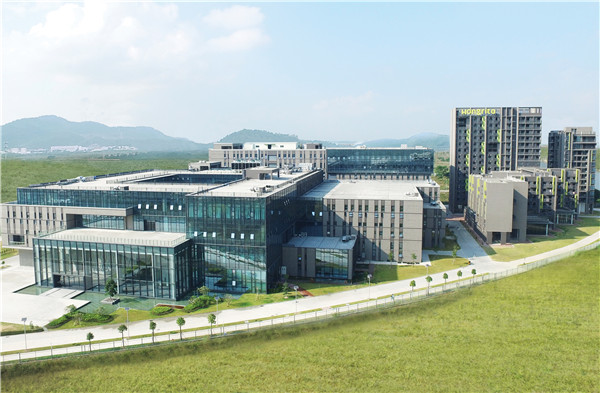
Zhongshan
Serving as Hongrita's hub for innovation R&D, engineering, major projects and production; proving grounds for intelligent manufacturing.
-
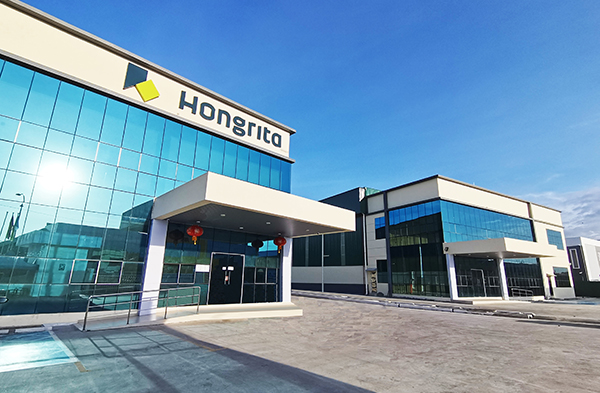
Penang
Developing tooling and molding business in Southeast Asia; serving as a training base for the overseas global expansion team.
QUALIFICATIONS & CERTIFICATIONS
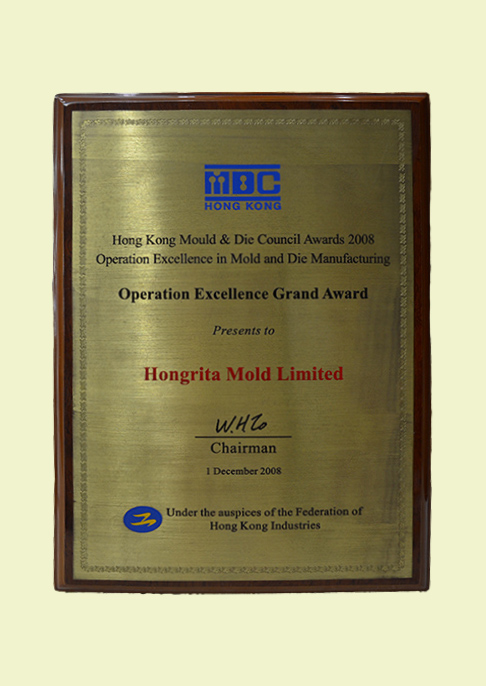
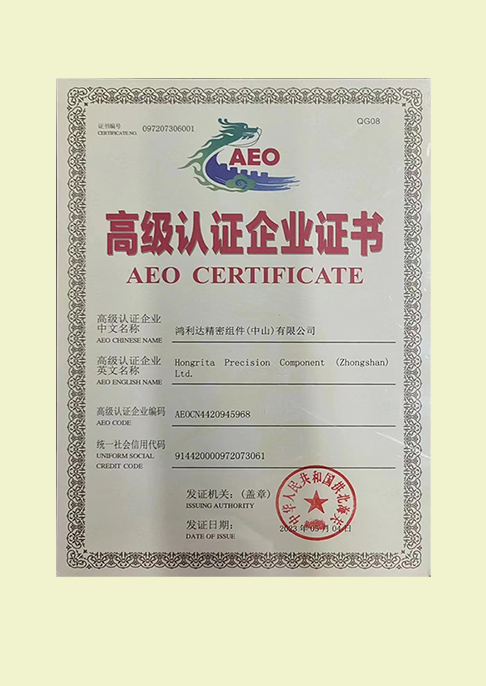
Hongrita is certified with ISO14001, ISO9001, IATF16949, ISO13485, ISO45001, ISO/IEC27001, ISCC PLUS and FDA registered.



Future Trends: Smart Materials and AI-Driven Production
Looking ahead, the integration of AI and Smart Materials into the molding process is the next frontier. We are seeing a trend toward "In-Mold Electronics" (IME), where conductive circuits are printed onto films and then over-molded. This creates a seamless, buttonless control interface that is both aesthetically pleasing and functionally superior for automotive cockpits.
Deep Application: ADAS & Radar Housings
One of the most critical applications for Multi-Component Molding is in ADAS radar and LiDAR housings. These components require a rigid frame for precise sensor alignment, a soft gasket for hermetic sealing, and often a third material that is transparent to specific electromagnetic wavelengths. Using 3K molding technology, these three distinct functions are achieved in one step, ensuring the highest level of safety for autonomous driving systems.
Sustainability in Multi-Component Manufacturing
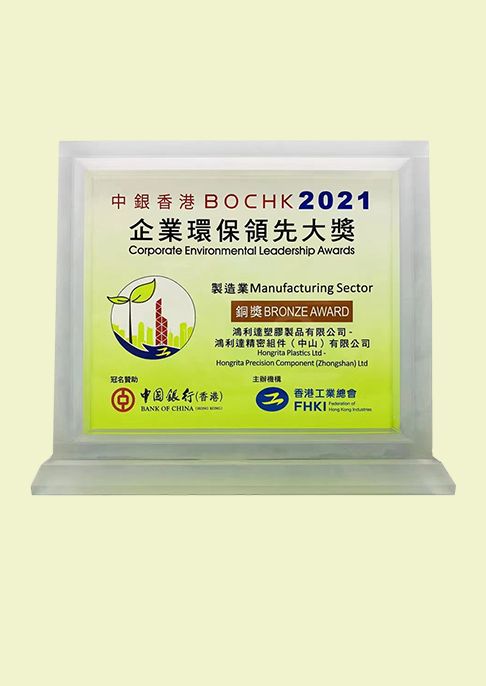
As ESG (Environmental, Social, and Governance) goals become mandatory for automotive OEMs, the efficiency of multi-component molding plays a vital role. By reducing waste through high-precision runners and eliminating the energy-intensive assembly lines, the carbon footprint of each sensor is reduced. Furthermore, the ability to use bio-based or recycled resins in the structural component of a 2K part helps manufacturers meet strict sustainability targets without compromising on the high-performance requirements of the automotive sector.
OUR JOURNEY & VISION

1988 - The Foundation
Founded by Mr. Felix Choi, Hongrita started as a precision mold engineering company, building a reputation for excellence in plastic mold manufacturing.

1993 - Innovation Leap
Established Shenzhen base and pioneered research into multi-material/multi-component molding and Liquid Silicone Rubber (LSR) technologies.

2015-Future
Expansion into Malaysia and Zhongshan, moving towards a world-class lighthouse factory with AI applications and digital intelligence.

Vision
Create better value together.

Mission
Make a product better with innovative, professional and intelligent molding solutions.

Core Value
Passion, Collaboration, Innovation, Professionalism, Advancement, Sustainability.
MANAGEMENT METHODOLOGY