


Advanced Medical Molding Solutions
The Strategic Importance of Metal Insert Moulding in Modern Medicine
In the rapidly evolving landscape of healthcare technology, Metal Insert Moulding for Medical Devices and Medical Components has emerged as a cornerstone manufacturing process. This sophisticated technique involves the injection of thermoplastic or liquid silicone rubber (LSR) around a pre-placed metal component (the insert). The result is a single, integrated part that leverages the structural strength of metal with the biocompatibility, sealing properties, and complex geometries of advanced polymers.
Current industrial trends indicate a massive shift toward miniaturization and smart integration. As robotic surgery and wearable diagnostic devices become the standard of care, the demand for high-precision metal-to-plastic bonding has skyrocketed. Manufacturers are no longer just making parts; they are creating complex systems-on-a-component where electrical conductivity (via metal inserts) meets hermetic sealing (via overmolding).
Deep Dive: Application Scenarios in High-Precision Medical Gear
Metal insert moulding is utilized across a vast spectrum of medical sub-sectors. At Hongrita, we focus on applications where failure is not an option:
- Surgical Instrumentation: Scalpel handles, electrosurgical tools, and endoscopic components require metal inserts for conductivity and strength, overmolded with medical-grade PEEK or LSR for ergonomic grip and electrical insulation.
- Diagnostic Equipment: Sensors used in MRI and CT scanners often utilize insert-molded lead frames to ensure stable signal transmission within a protective plastic housing.
- Implantable Devices: Components for pacemakers or neurostimulators use specialized biocompatible metals and plastics, requiring ISO 13485 certified cleanroom environments for the moulding process.
- Fluid Management: Dialysis machines and infusion pumps rely on insert-molded valves and connectors to prevent leaks and ensure precise flow control.
OUR GLOBAL FOOTPRINT
-
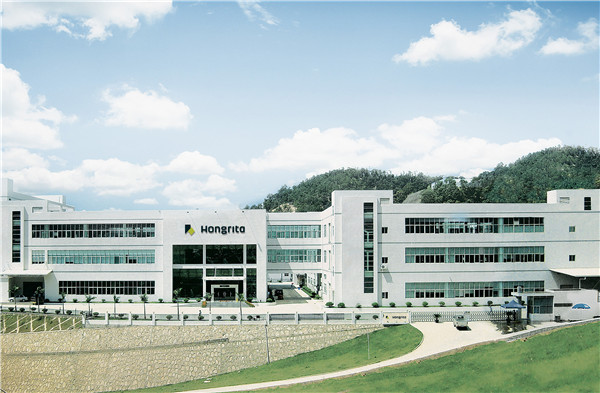
Shenzhen
Focusing on the 3C and intelligent technology components business, overseas commercial mold business, and in-house use molds.
-

Zhongshan
Serving as Hongrita's hub for innovation R&D, engineering, major projects and production; and the proving grounds of change management.
-
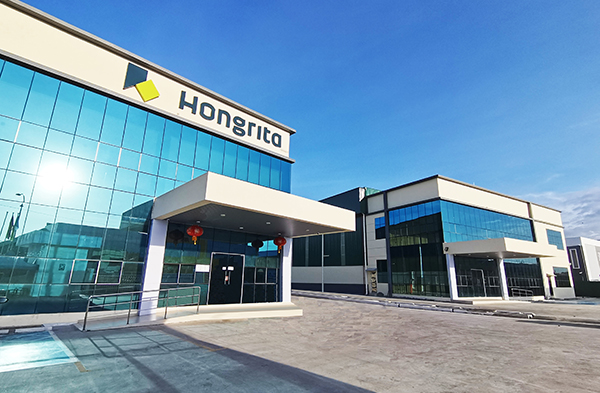
Penang
Developing tooling and molding business in Southeast Asia; serving as a training base for the overseas team.
OUR STORY & EVOLUTION
1988: Founded by Mr. Felix Choi, Hongrita started as a precision mold and hardware processing company. Through a spirit of diligence and innovation, it established a reputation for excellence in precision plastic molds.
1993-2012: Expanded into Shenzhen. In 2003, the company pioneered multi-material/multi-component moulding. By 2012, Hongrita achieved breakthroughs in Liquid Silicone Rubber (LSR) technology, becoming an industry benchmark.
2015-Future: Established bases in Zhongshan and Malaysia. Today, Hongrita is moving towards becoming a "Lighthouse Factory," integrating digital intelligence, AI applications, and ESG strategies for sustainable global growth.
Industrial Trends and Future Outlook
The global medical device market is projected to reach unprecedented heights by 2030, driven by an aging population and the democratization of healthcare in emerging markets. Metal Insert Moulding is at the heart of this growth. We are seeing a trend towards "Sustainable Medical Manufacturing," where bio-based plastics are being paired with recycled medical-grade alloys without compromising safety.
Furthermore, the integration of IIoT (Industrial Internet of Things) in the moulding shop floor allows for real-time traceability. For medical components, this means every single part can be traced back to its raw material batch, injection parameters, and the specific metal insert used, providing a level of accountability required by the FDA and other global regulatory bodies.
Comprehensive Medical & Industrial Portfolio
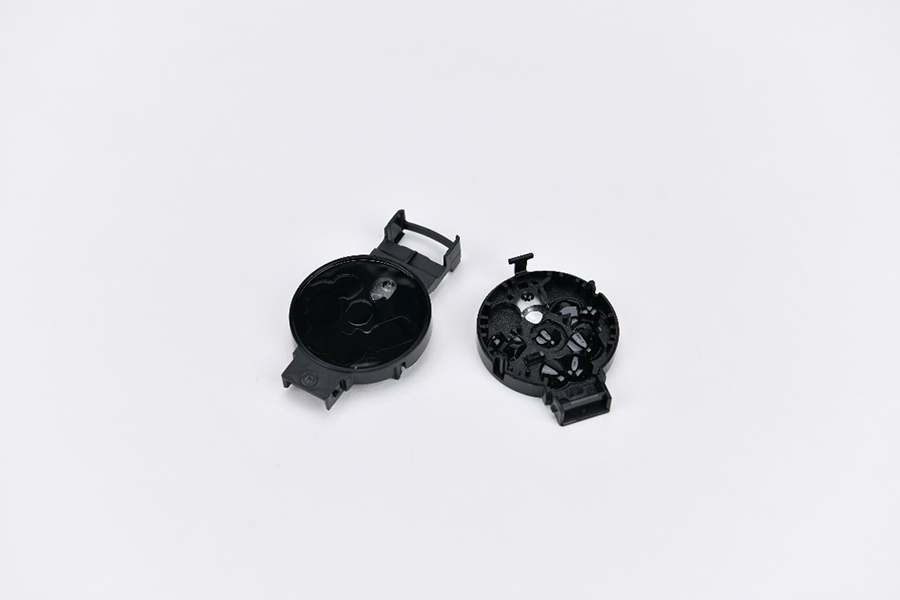 Advanced 3K Medical Sensor Housing
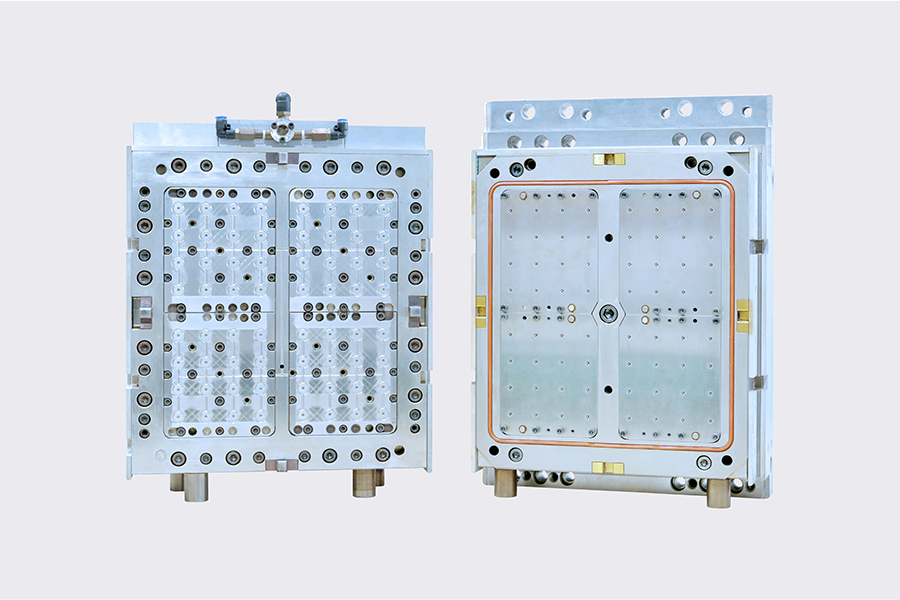 LSR Waterproof Medical Connector Plug
 High-Precision Medical Device Fuse Housing
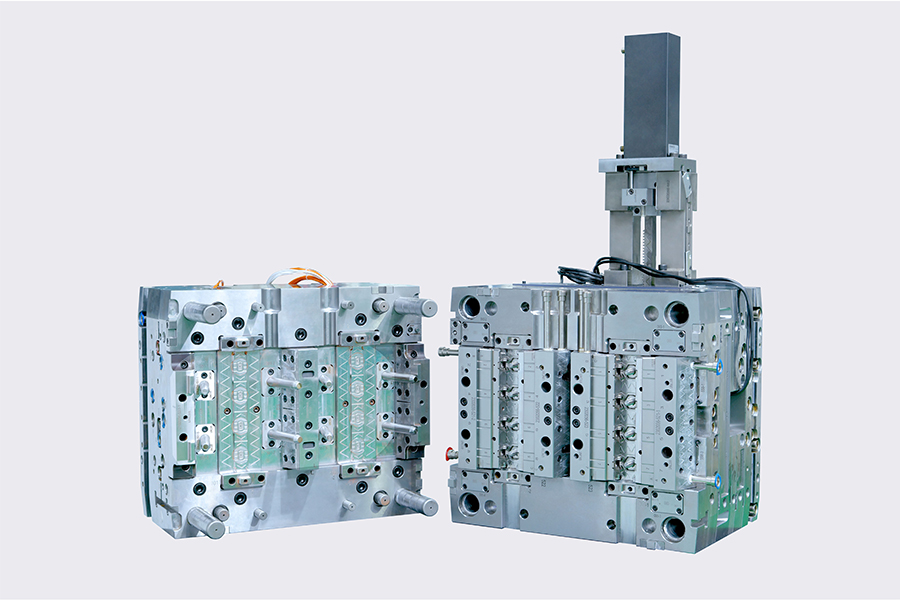 Intelligent Medical Cabinet Locking System
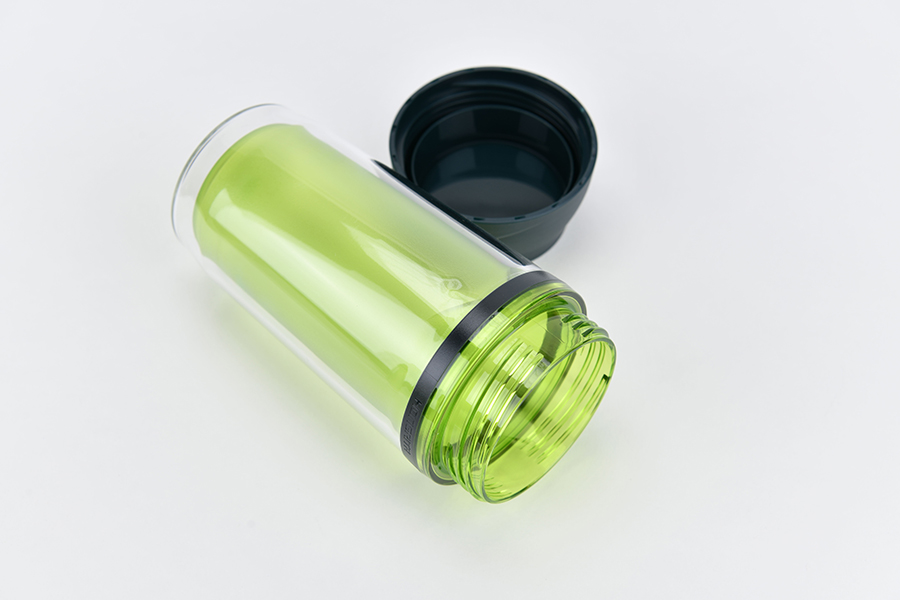 Lab-Grade 3-Component Insulated Unit
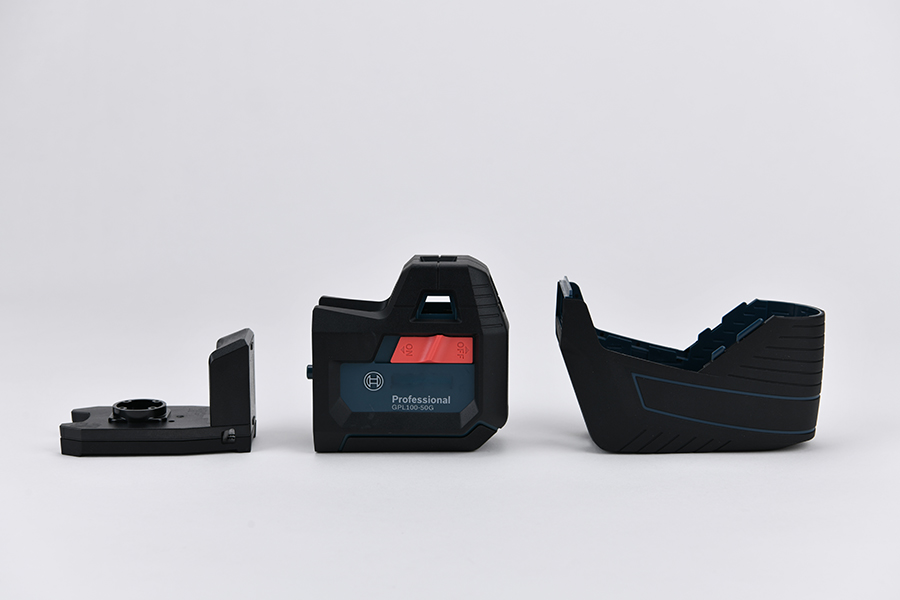 Stent Measurement Precision Gauge
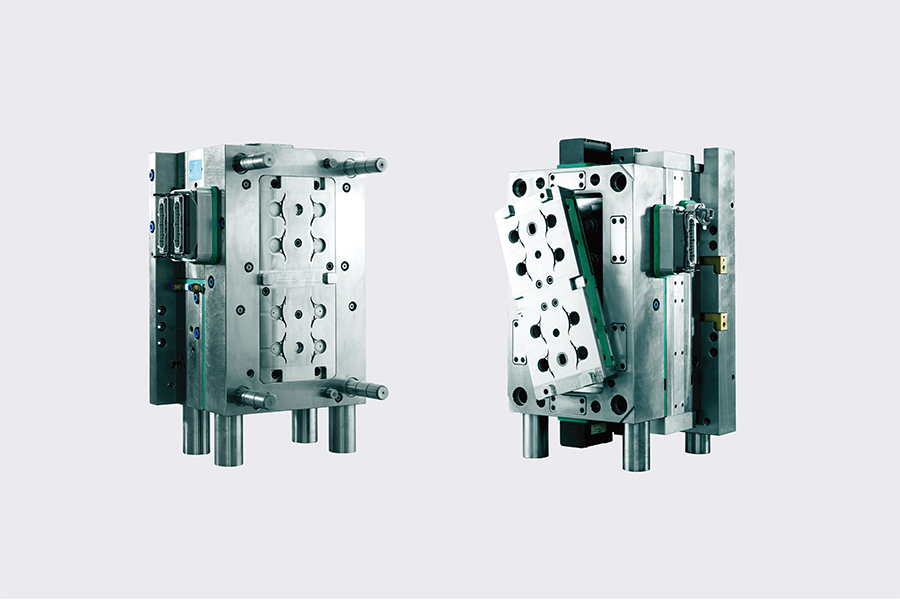 Ergonomic Surgical Prep Component
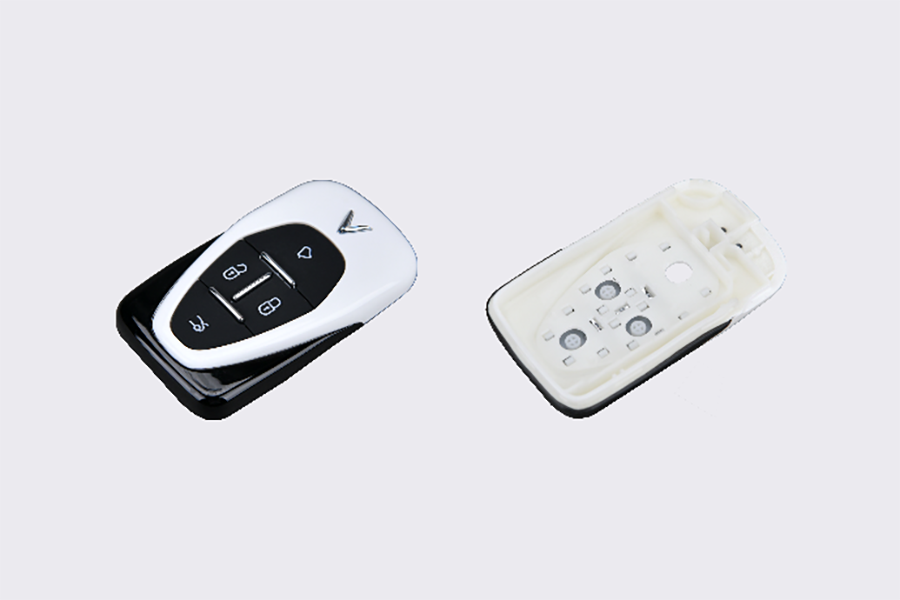 Medical Equipment Remote Control Unit
Partnering for Medical Innovation
Choosing a partner for Metal Insert Moulding For Medical Devices And Medical Components requires more than just technical capability; it requires a culture of quality and a deep understanding of regulatory landscapes. Hongrita’s "Management Methodology" integrates OKRs, AI-driven efficiency, and a win-win culture to ensure that every medical component we produce contributes to better patient outcomes. Whether you are developing the next generation of robotic surgical arms or simple diagnostic consumables, our multi-material expertise and global manufacturing footprint are designed to bring your vision to life with precision and reliability.