Innovative Packaging Solutions
Explore our top-tier metal insert molded components designed specifically to meet the high aesthetic and functional demands of the cosmetics and rigid packaging industries.
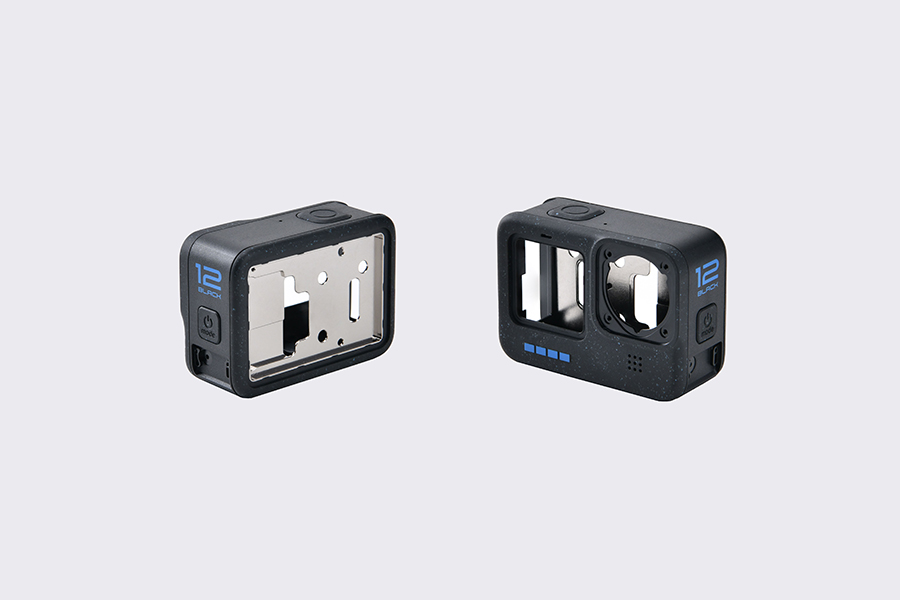

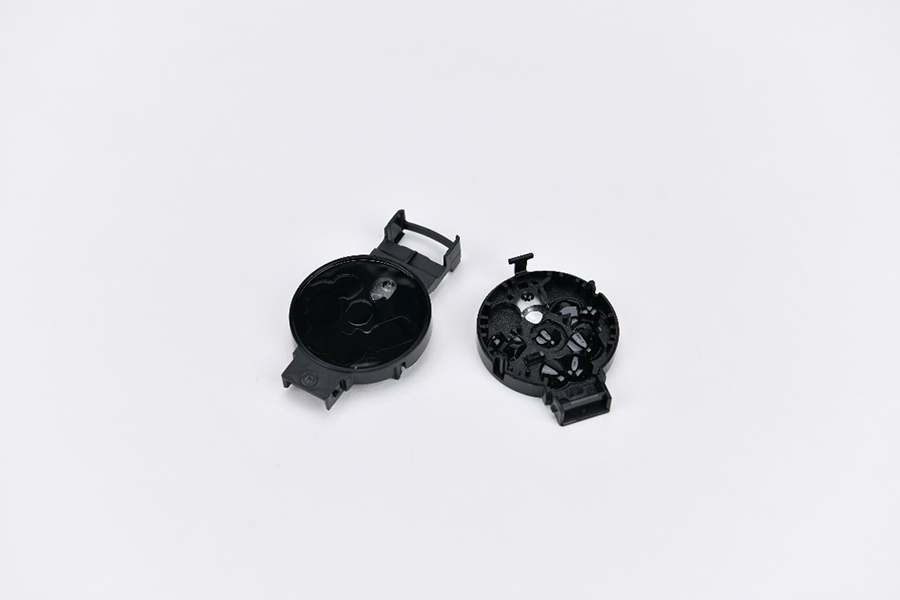
The Evolution of Metal Insert Moulding in Packaging
In the highly competitive cosmetics and rigid packaging sectors, packaging is no longer just a container—it is a critical touchpoint of brand identity and user experience. Metal Insert Moulding has emerged as a revolutionary technology that bridges the gap between the premium feel of metal and the design versatility of plastics.
Traditionally, cosmetics brands had to choose between heavy, expensive metal containers or lightweight, cost-effective plastic ones. Metal insert moulding eliminates this compromise by permanently encapsulating metal elements within a polymer matrix during the injection molding process. This creates a single cohesive part that exhibits the durability, weight, and premium tactile feel of metal, alongside the intricate geometries and sealing properties of advanced plastics.
From a commercial perspective, this hybrid manufacturing method streamlines supply chains. By combining metal components (such as weights, decorative collars, or functional threads) with plastic housings in a single automated step, manufacturers reduce secondary assembly costs, eliminate the need for toxic adhesives, and significantly improve production yields.
"The modern consumer associates weight and thermal conductivity (the cold touch of metal) with luxury. Metal insert moulding allows cosmetic brands to deliver this premium experience cost-effectively and sustainably."
- Tactile Luxury: Enhances the perceived value of perfume caps, lipstick tubes, and cream jars.
- Structural Integrity: Provides robust metal threads for refillable packaging systems, supporting circular economy initiatives.
- Seamless Integration: Eliminates secondary bonding processes, preventing chemical degradation from cosmetic formulations.
- Design Freedom: Enables complex exterior plastic geometries with internal metal reinforcement.
Commercial Landscape & Future Trends
The global market for cosmetic and rigid packaging is undergoing a profound transformation driven by two main factors: sustainability and smart technology. Metal insert moulding is at the forefront of this evolution, adapting to meet new regulatory standards and changing consumer preferences.
1. Refillable & Durable Packaging
As brands commit to reducing single-use plastics, refillable packaging has transitioned from a niche trend to an industry standard. Metal insert moulding plays a vital role by embedding durable metal threads and hinge mechanisms into plastic containers. This ensures that the outer packaging can withstand hundreds of refill cycles without wearing out, while the inner pod can be easily replaced.
2. Material Compatibility & Recycling
One of the historical challenges of hybrid packaging was recyclability. The industry is now driving towards "design for recycling." Modern insert moulding techniques focus on mechanical interlocking rather than chemical bonding. This allows the metal insert to be easily separated from the plastic shell during the recycling process, ensuring both materials can enter their respective circular loops.
3. Smart Packaging Integration
The rise of the Internet of Packaging (IoP) has introduced NFC chips, sensors, and LED indicators into cosmetic and pharmaceutical packaging. Metal insert moulding is used to embed electronic contacts and antenna arrays directly into rigid caps and closures. This protects sensitive electronics from moisture and cosmetic formulations while providing seamless connectivity for consumers.
Furthermore, the integration of Liquid Silicone Rubber (LSR) with metal-plastic hybrids is opening new doors. For instance, high-end cosmetic dispensers require precise seals that do not degrade over time. By overmolding LSR onto a metal-insert-reinforced plastic body, manufacturers achieve unparalleled sealing performance and soft-touch actuation in a single component.
Core Competences
Hongrita's core competences form the foundation of our competitive edge in the precision plastic and hybrid molding industry. By leveraging advanced tooling and smart manufacturing, we deliver tailored solutions that meet the strict tolerances of cosmetic and rigid packaging applications.
Hongrita's core competences in ISBM, LSR molding, multi-component molding, tooling, and smart manufacturing collectively strengthen its position as a leading provider of precision plastic components and products. These competences allow Hongrita to deliver innovative and tailor-made solutions to diverse industries, including medical, healthcare, automotive, and rigid packaging, while continuously pursuing technological excellence and sustainable business management practices.
Technology Excellence
Pioneering new molding methodologies to achieve flawless surface finishes and high structural integrity.
LSR Molding
Liquid Silicone Rubber molding for premium seals, soft-touch surfaces, and medical-grade packaging components.
Multi-Component Molding
Integrating multiple materials (plastics, metals, rubbers) in a single cycle to reduce assembly costs.
ISBM Solutions
Injection Stretch-Blow Molding for high-clarity, high-strength rigid containers and bottles.
High Performance Tooling
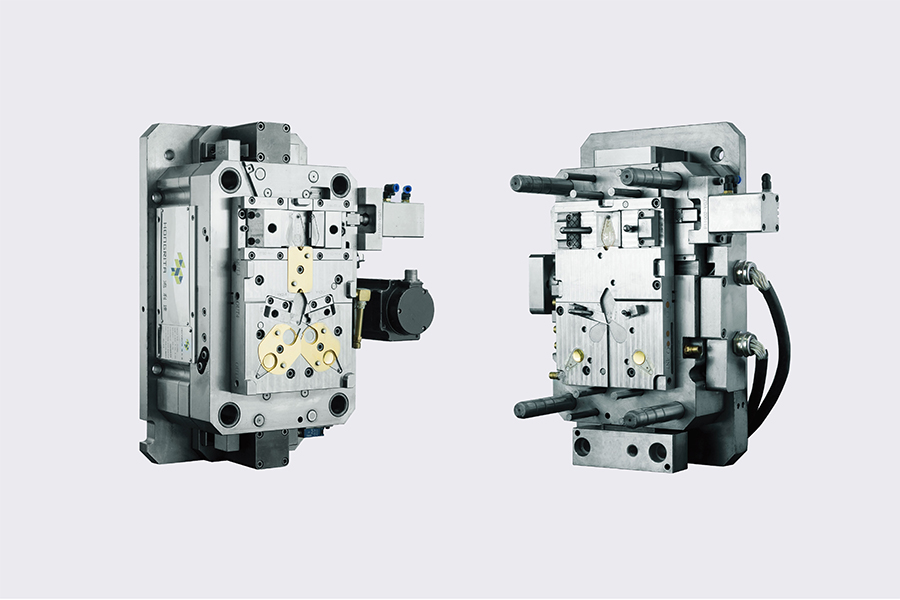
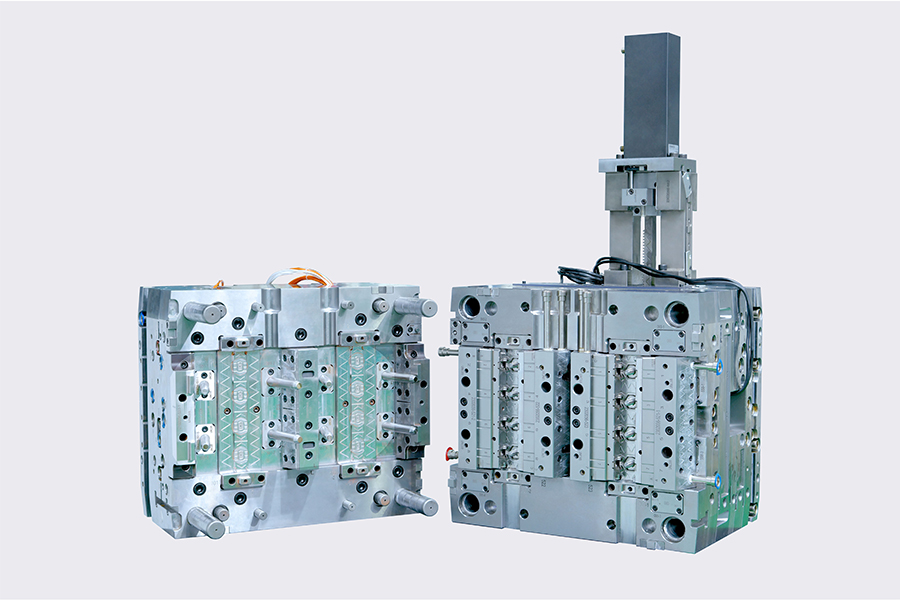
In-house design and fabrication of high-cavitation molds with micron-level precision.
Smart Manufacturing
AI-driven decision-making, automated production lines, and real-time quality monitoring.
Advanced Molding Technologies
Explore our specialized injection molding capabilities tailored for complex product designs and high-volume production requirements.
Our Laboratory Capabilities
To ensure that metal-insert molded packaging components meet the rigorous aesthetic and mechanical standards of luxury brands, Hongrita operates state-of-the-art testing laboratories. We perform rigorous testing on material compatibility, insertion strength, thermal cycling, and surface wear resistance.
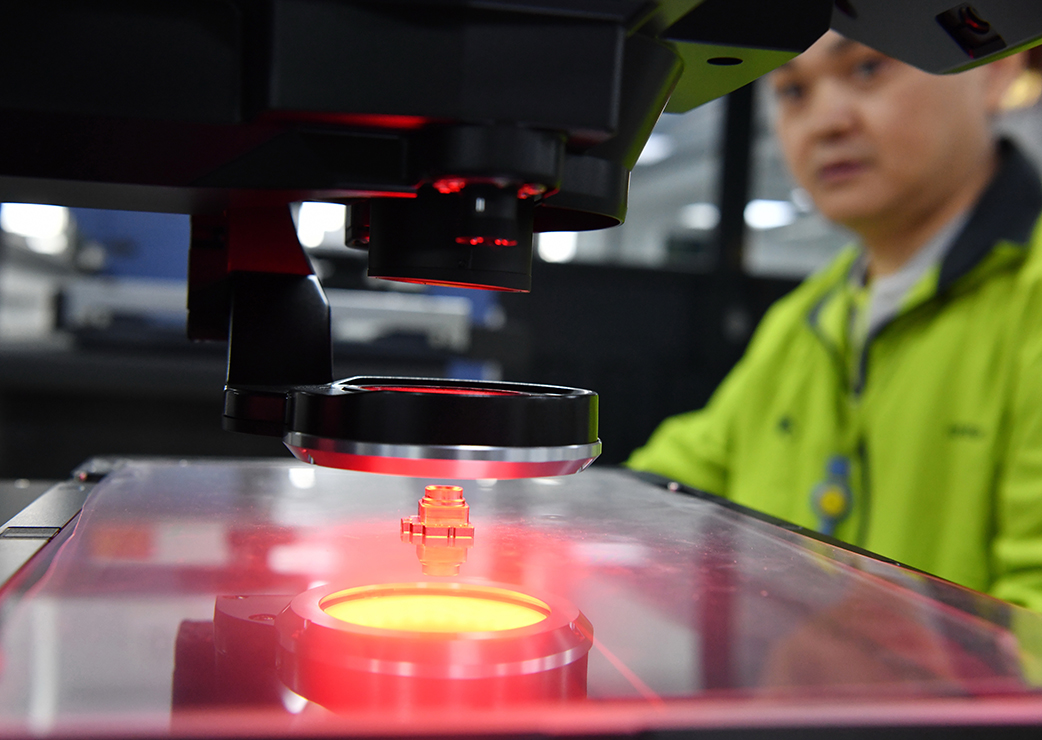
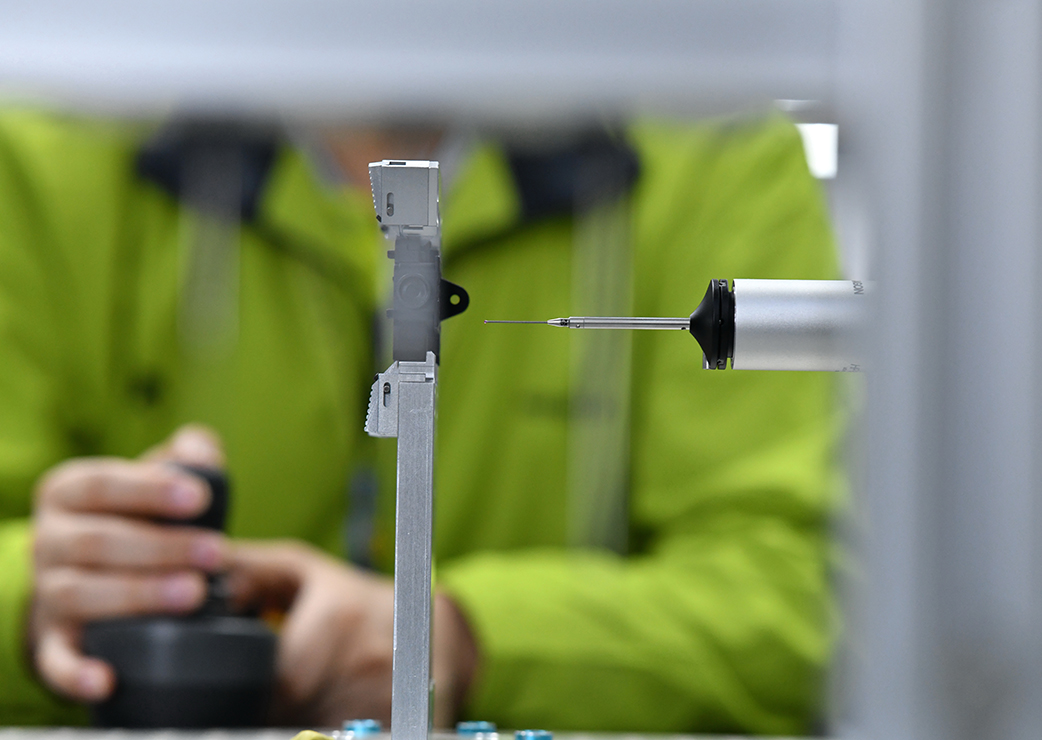
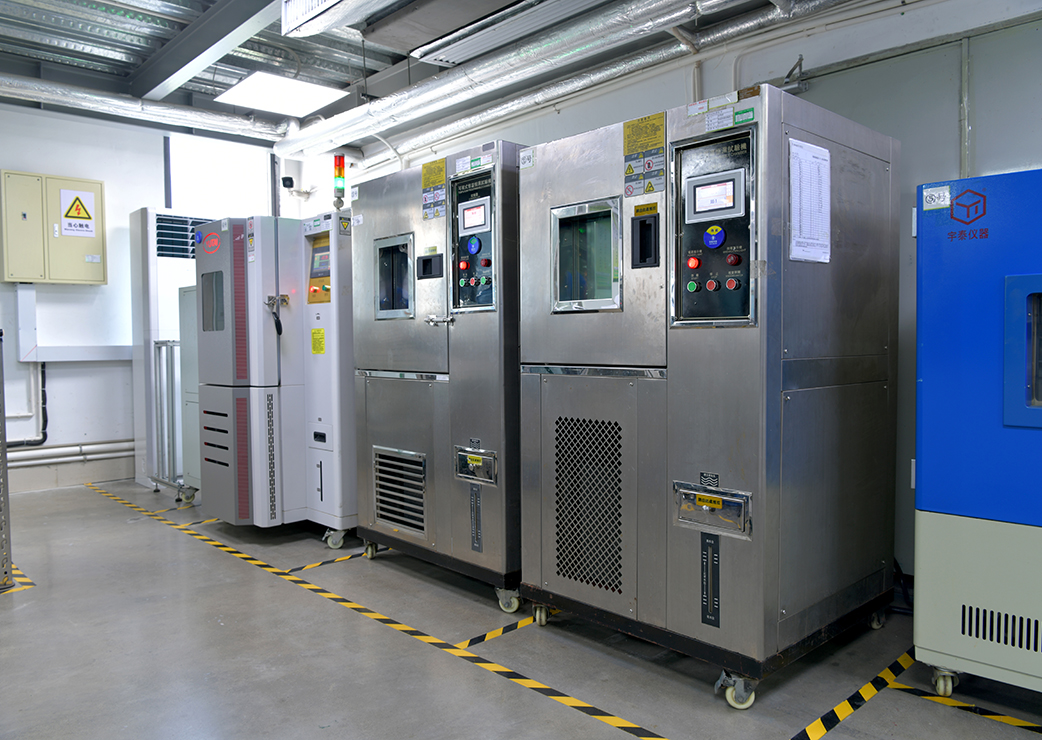


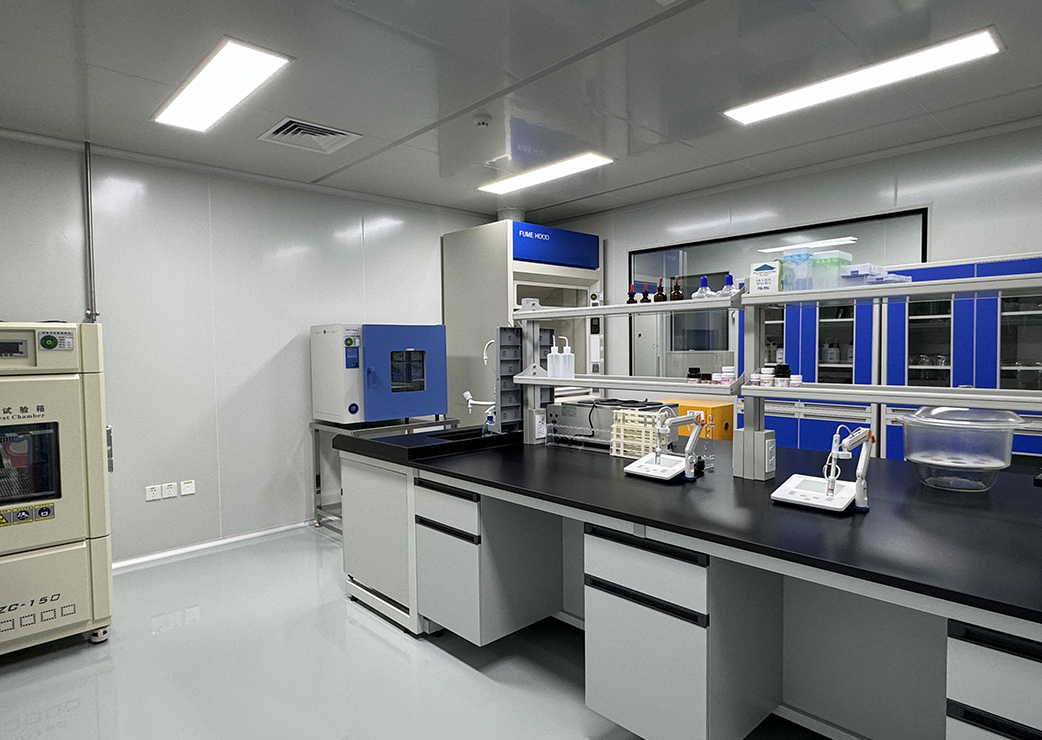
Smart Manufacturing & AI Integration
The application of smart systems has enabled Hongrita to achieve better production automation, digital management, and AI decision-making, thereby enhancing the factory's level of intelligence, optimizing enterprise operational efficiency, and quality management, and strengthening the company's competitiveness in the industry.
High Performance Mold and Smart Manufacturing
Integrating cyber-physical systems to optimize mold design and predict maintenance cycles before failures occur.
Read MorePrecision Injection Molding Workshop
Fully automated injection molding cells equipped with robotic arms for precise insert placement and parts extraction.
Read MoreDigital Management Platforms
Real-time data tracking and cloud-based ERP integration to ensure complete traceability for every manufactured batch.
Read MoreDeep-Dive Application Scenarios in Modern Packaging
To understand the impact of metal insert moulding, we must look at specific, real-world applications where this technology solves critical design and functional challenges.
Luxury Perfume Bottle Caps
A classic challenge in luxury perfume packaging is creating a cap that feels heavy and substantial, clicks satisfyingly into place, and does not react with the alcohol-based fragrance. Pure metal caps can tarnish, react with the perfume, or scratch the glass bottle neck. By using metal insert moulding, a heavy brass or zinc weight is encapsulated inside a chemically resistant Surlyn or PCTG outer shell. The outer plastic can be molded with absolute clarity or decorated with intricate textures, while the inner metal provides the weight. Furthermore, a flexible liner can be integrated to ensure a perfect, airtight seal.
High-End Cosmetic Compacts & Hinges
Traditional cosmetic compacts (for powders, blushes, and eyeshadows) often suffer from fragile hinges that break when dropped. Metal insert moulding allows micro-metal pins or complete hinge structures to be insert-molded directly into the plastic casing. This drastically increases the drop-proof rating of the compact. The integration of metal components also allows for magnetic closure systems to be seamlessly embedded, eliminating unsightly mechanical latches and creating a clean, minimalist aesthetic.
Refillable Skincare Jars with Threaded Necks
With the cosmetic industry moving towards circular economies, refillable jars are becoming standard. However, plastic-on-plastic threads wear down quickly, leading to stripping or poor sealing over time. By insert-molding a stainless steel threaded ring into the neck of the outer jar, the packaging can withstand thousands of refill cycles. The inner product pod (made of thin, recyclable plastic) can be easily screwed into the metal-reinforced neck, ensuring a secure, premium feel every time the consumer replaces the product.
Smart Dispensing Pumps for Pharmaceuticals
In rigid packaging for medical or high-end clinical skincare, dosage accuracy is critical. Smart dispensing pumps use embedded sensors to track usage and dispense precise amounts. Metal insert moulding is utilized to overmold conductive metal tracks and contact plates directly into the plastic pump housing. This allows the packaging to interface with electronic bases or mobile applications without exposed wires, maintaining a waterproof and hygienic exterior.
Our Complete Product Portfolio
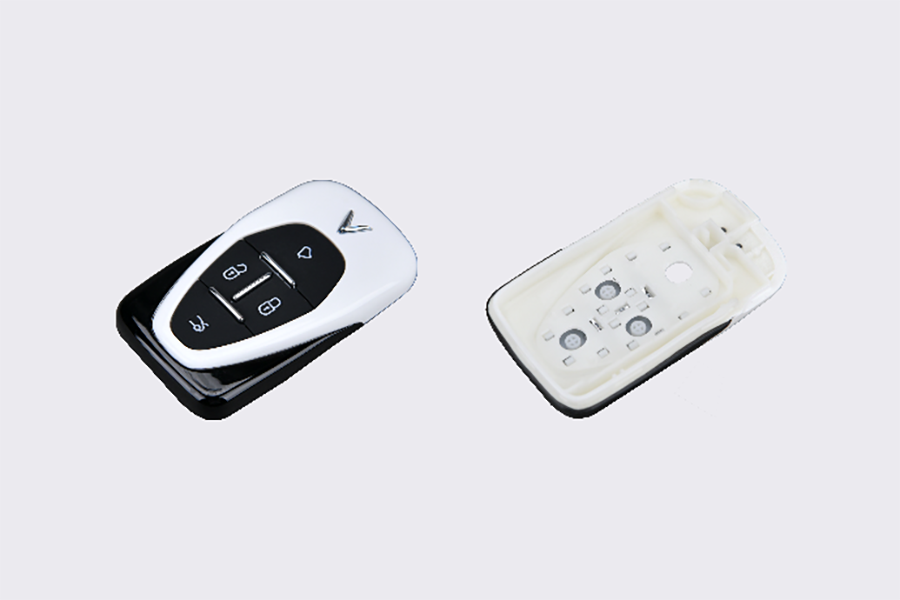
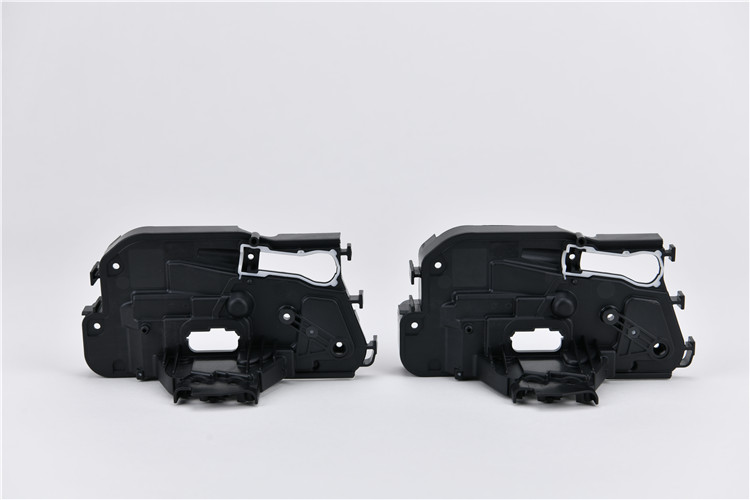
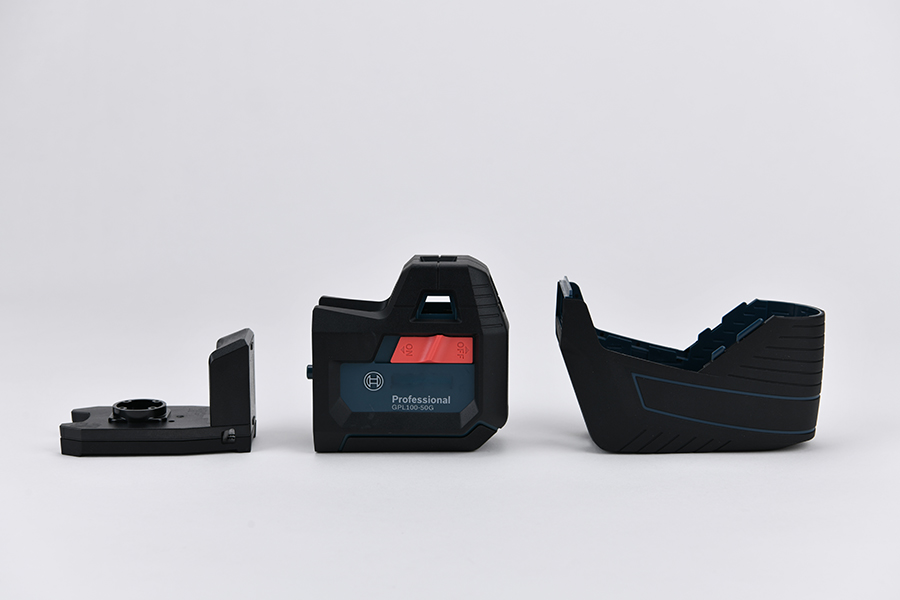
Browse our extensive range of high-precision components, engineered to deliver exceptional performance across cosmetic, automotive, medical, and consumer electronics packaging.