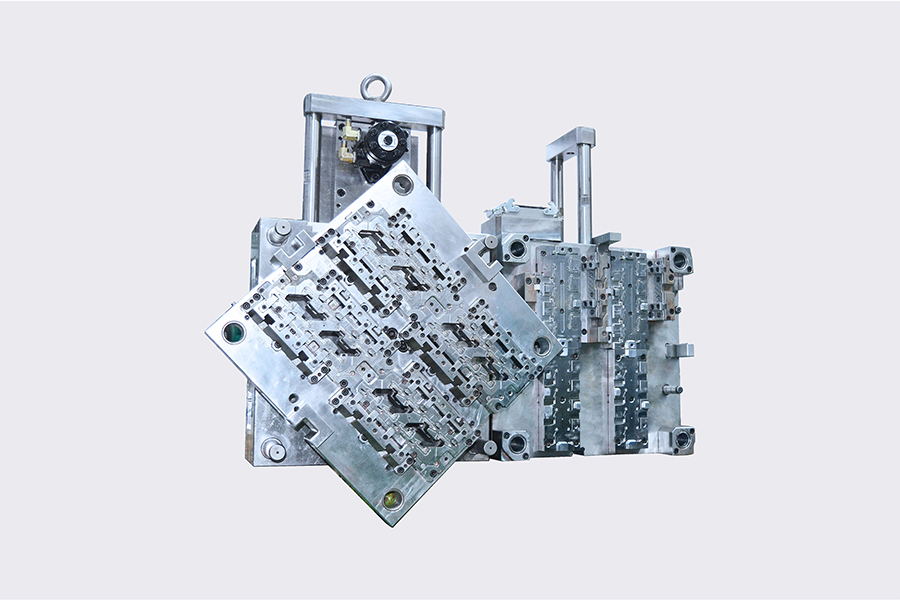
Featured Smart Device Components
Explore our advanced insert molded applications designed for extreme precision, robust durability, and seamless structural integration in consumer electronics.
Multi-functional 2K Component - Efficient and Convenient Kitchen Device Helper
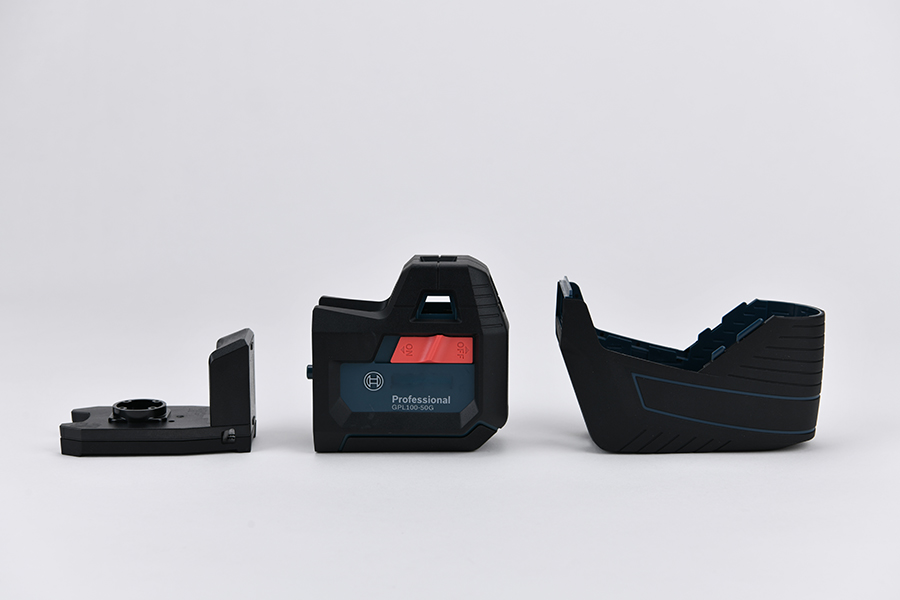
Industrial-grade 2K Stent Gauge - Accurate and Stable for Complex Environments
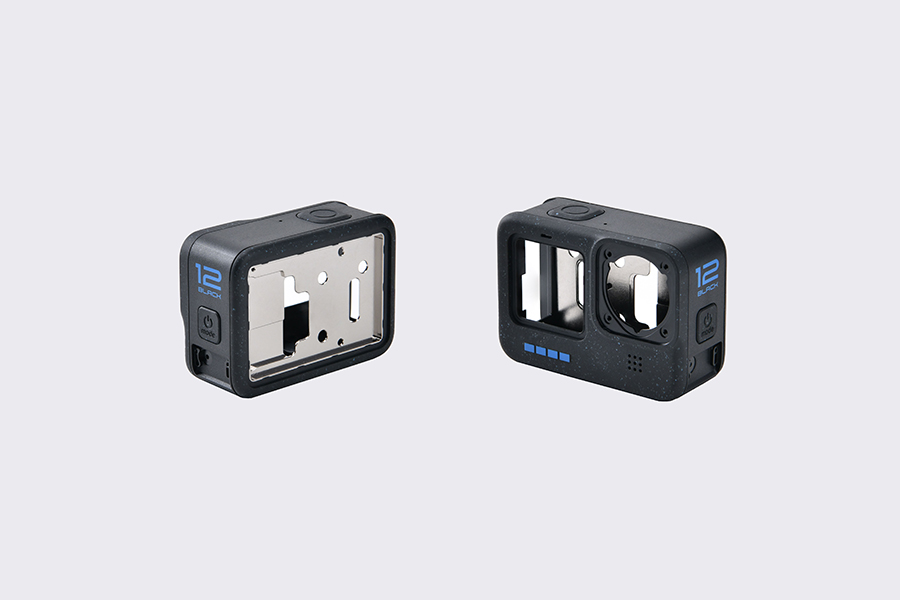
Action Camera Housing - Waterproof and Drop-proof Extreme Sports Gear
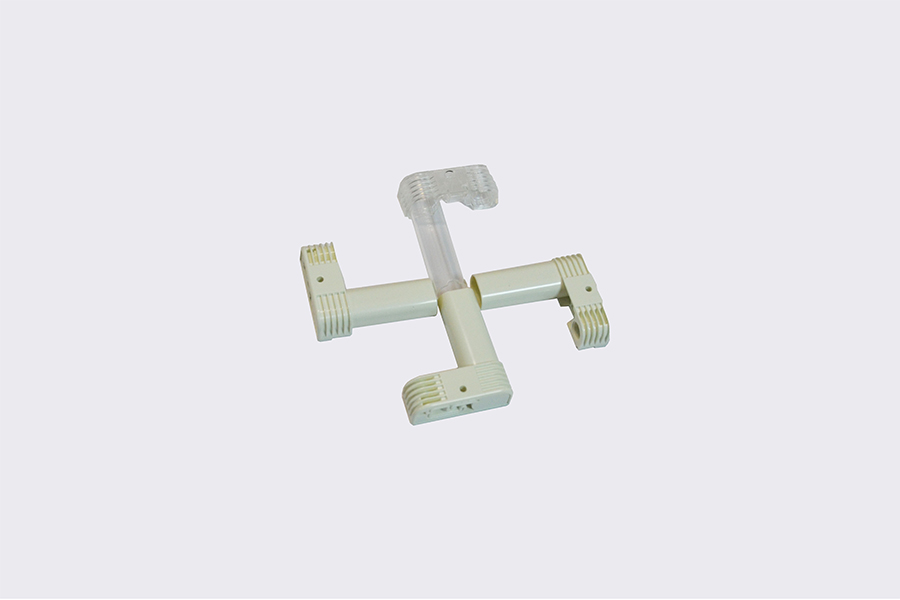
Insulin Accessories - Portable Medical Smart Housings for Diabetics
The Industrial Evolution of Metal Insert Moulding
In the fast-paced realm of consumer electronics and smart devices, the demand for thinner profiles, enhanced structural integrity, and multi-functional integration has never been higher. Metal Insert Moulding (the process of injection moulding plastic resin around a pre-placed metal insert) has emerged as a cornerstone technology to meet these complex engineering challenges.
Modern smart devices—ranging from 5G smartphones and wearable fitness trackers to AR/VR headsets and smart home hubs—rely on hybrid metal-plastic assemblies. By combining the high mechanical strength, electrical conductivity, and thermal dissipation of metals with the design flexibility, lightweight properties, and electrical insulation of engineering plastics, manufacturers can achieve architectural breakthroughs that were once deemed impossible.
As global markets shift towards miniaturization and IoT (Internet of Things) connectivity, the integration of sensors, antennas, and structural reinforcement elements directly into the device chassis via insert moulding is driving efficiency, reducing assembly steps, and lowering overall production costs.
Key Market Drivers:
- Miniaturization: Space-saving designs require ultra-thin walls molded directly onto micro-metal pins and contacts.
- 5G & RF Transparency: Smart layout of metal inserts and polymer matrices to optimize internal antenna signals.
- Enhanced Durability: Metal inserts provide robust screw threads and load-bearing joints in delicate plastic structures.
- Waterproofing (IP67/IP68): Seamless overmolding prevents moisture ingress in rugged action gear and smartwatches.
Technological Synergy in Smart Devices
How metal insert moulding bridges the gap between mechanical rigidity and complex electrical architectures.
Structural Integrity
Overmolding high-strength steel, aluminum, or brass inserts into thin-walled polycarbonate shells to prevent bending, warping, and drop damage in premium smart devices.
Electrical Interconnects
Embedding lead frames, contact pins, and busbars directly inside the molded part, eliminating secondary soldering steps and ensuring reliable signal path transmission.
Thermal Management
Integrating heat sinks and thermal-conductive metal pathways into structural plastic frames to dissipate heat away from high-performance microprocessors and battery modules.
Deep-Dive Application Scenarios
From everyday wearables to specialized industrial devices, explore the critical application areas of precision hybrid moulding.
Smartphones & Foldables
Modern flagship smartphones utilize complex internal metal chassis overmolded with glass-fiber reinforced plastics. The metal parts provide structural rigidity and act as ground planes, while the plastic provides isolation and complex snap-fit geometries for internal batteries, cameras, and PCBs.
Wearables & Smartwatches
With skin-contact requirements, wearable tech demands biocompatible materials. Integrating metal charging pins or heart-rate sensor rings into Liquid Silicone Rubber (LSR) or thermoplastic elastomer (TPE) watch bodies requires extreme precision to ensure water resistance under pressure.
Automotive Smart Keyless Systems
Keyless entry fobs require hermetically sealed electronics. Precision overmolding of metal contacts and battery terminals directly into the housing prevents dust, sweat, and moisture from damaging the internal transponders, ensuring decades of reliable operation.
Core Competences
Hongrita's core competences form the foundation of the competitive edge at plastic industry:
- Technology Excellence
- LSR (Liquid Silicone Rubber) Molding
- Multi-Component Molding
- ISBM (Injection Stretch-Blow Molding)
- High Performance Tooling Solutions
- Smart Manufacturing
Hongrita's core competences in ISBM, LSR molding, multi-component molding, tooling, and smart manufacturing collectively strengthen its position as a leading provider of precision plastic components and products. These competences allow Hongrita to deliver innovative and tailor-made solutions to diverse industries, including medical, healthcare, automotive, and rigid packaging, while continuously pursuing technological excellence and sustainable business management practices.
Precision Molding Capabilities
Explore our core engineering segments designed to push the boundaries of multi-material and high-cavity production.
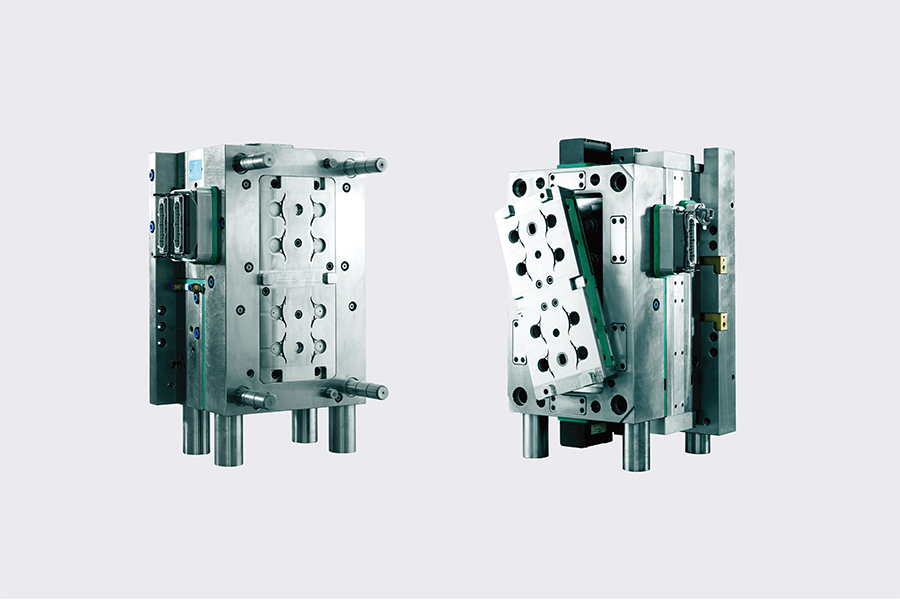
Multi-Component Injection Molding
Combining different materials (e.g., rigid plastics, soft elastomers, and metal inserts) in a single cycle for optimized performance.
Multi-Cavitation Mold
High-volume production efficiency with balanced runner systems and ultra-precise dimensional consistency across all cavities.
LSR Injection Molding
Liquid Silicone Rubber processing for soft-touch surfaces, environmental seals, and biocompatible medical device components.
Precision Injection Molding and Equipment
State-of-the-art machinery and closed-loop control systems ensuring tolerances within single-digit micrometers.
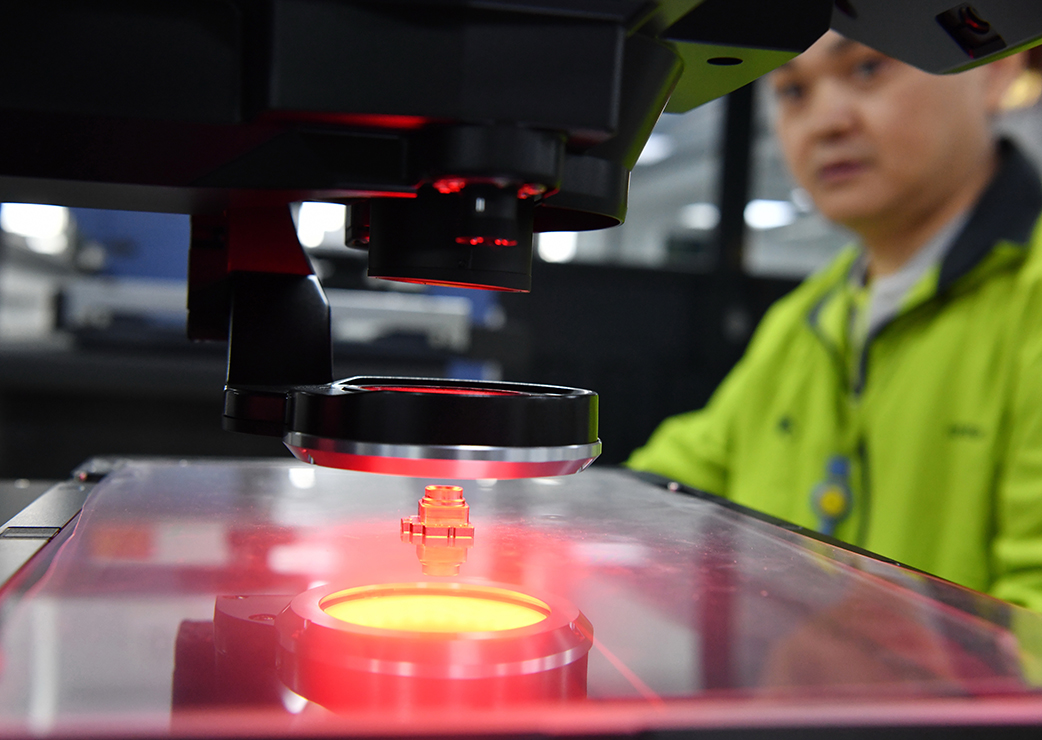
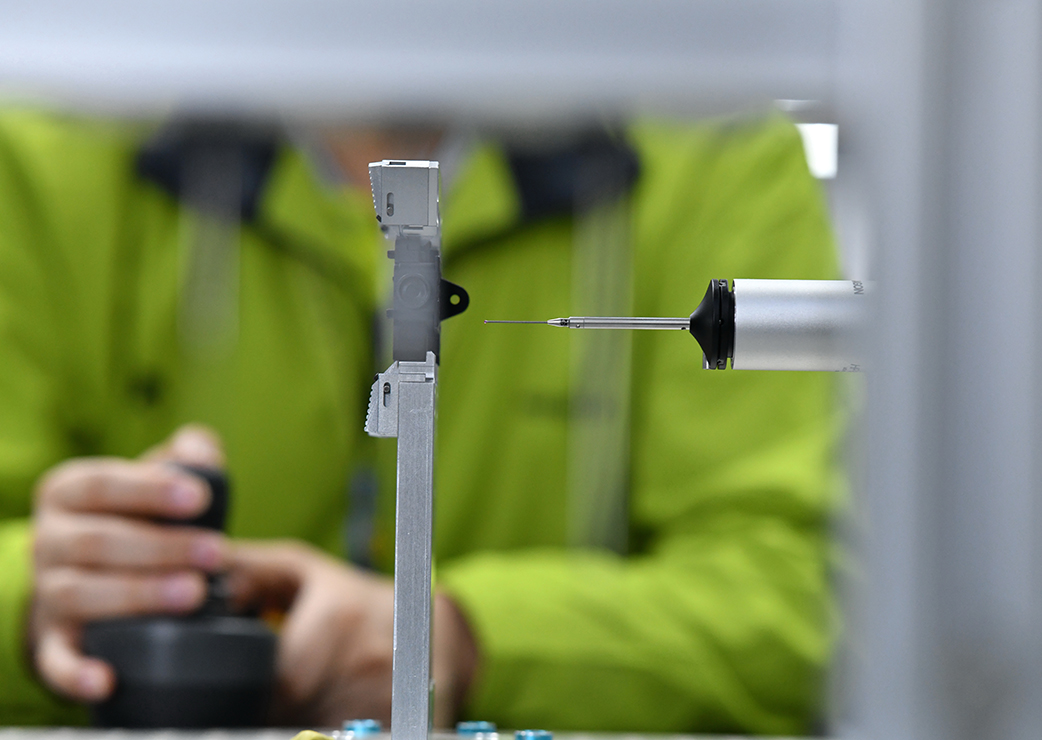
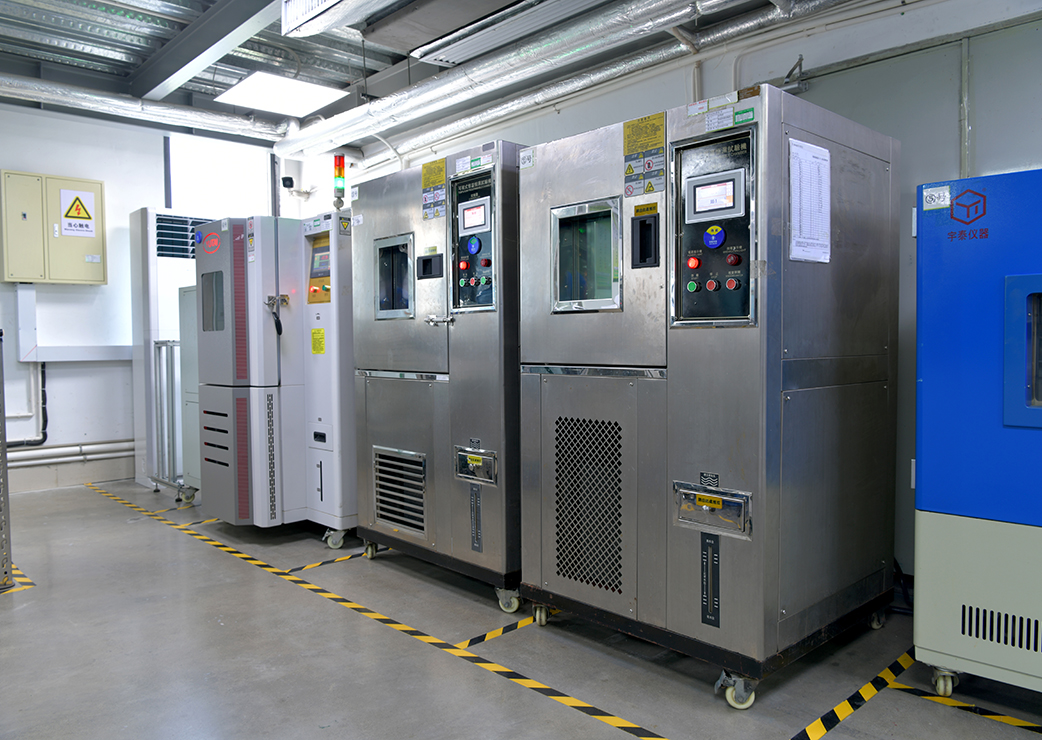
Advanced Laboratory & Quality Assurance
Our rigorous testing and inspection infrastructure ensures every insert-molded component complies with strict international standards.


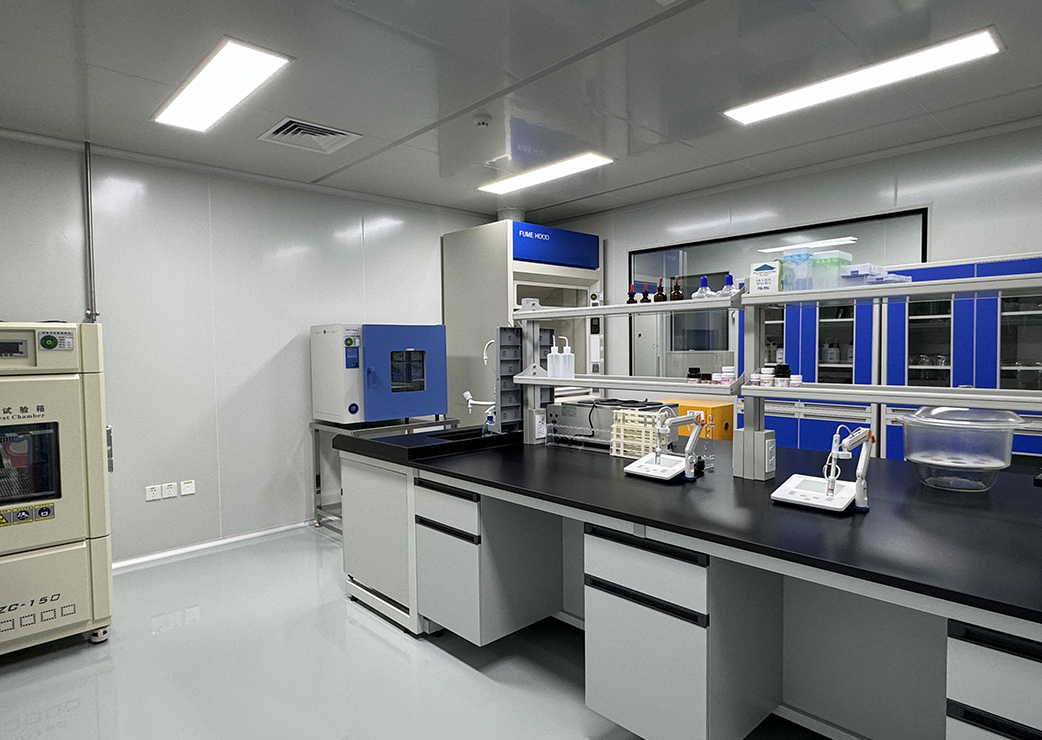
Smart Manufacturing & Industry 4.0
Leveraging AI, automation, and real-time digital management systems to optimize production efficiency and absolute precision.
The application of smart systems has enabled Hongrita to achieve better production automation, digital management, and AI decision-making, thereby enhancing the factory's level of intelligence, optimizing enterprise operational efficiency, and quality management, and strengthening the company's competitiveness in the industry.
High Performance Mold and Smart Manufacturing
Intelligent mold design and sensor-integrated tooling for real-time monitoring of pressure, temperature, and cycle time.
Precision Injection Molding Workshop
Fully automated robotic arms, clean-room environments, and closed-loop material feeding systems for zero-defect output.
Digital Management
MES and ERP system integration for full traceability of every single batch, from raw plastic pellets to final packaged assemblies.
Future Trends in Hybrid Molding for Smart Devices
What lies ahead for metal insert moulding as consumer electronics demand even tighter tolerances and green manufacturing?
1. Nano Molding Technology (NMT)
NMT chemically treats metal surfaces to create nano-scale pores before injection moulding. Resin flows directly into these pores, creating an incredibly strong, airtight bond between plastic and metal at the molecular level, critical for waterproof smartphones.
2. Sustainable & Bio-based Polymers
With global brands pledging carbon neutrality, the insert moulding industry is adopting post-consumer recycled (PCR) resins and bio-based engineering plastics. Overmolding these green resins onto recyclable aluminum frames presents new challenges in thermal bonding, requiring advanced tool temperature controls.
3. Automated Insert Feeding via AI Vision
To prevent mold damage and ensure flawless insert positioning, robotic arms equipped with AI vision systems inspect, align, and load metal inserts into the mold cavity within milliseconds, eliminating human placement error entirely.
Our Complete Hybrid & Multi-Component Product Portfolio
Browse our complete range of precision-engineered components, spanning consumer devices, automotive electronics, and health tech.
Multi-functional 2K Component - Efficient and Convenient Kitchen Device Helper
Industrial-grade 2K Stent Gauge - Accurate and Stable for Complex Environments
Action Camera Housing - Waterproof and Drop-proof Extreme Sports Gear
Insulin Accessories - Portable Medical Smart Housings for Diabetics
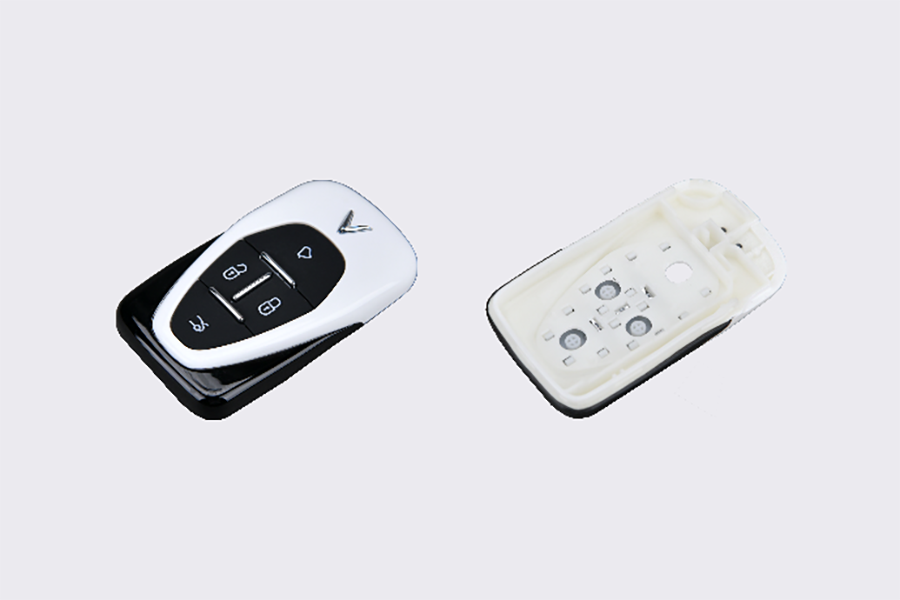
Customized Car Remote Keys for Changan V Series - Durable Keyless Entry
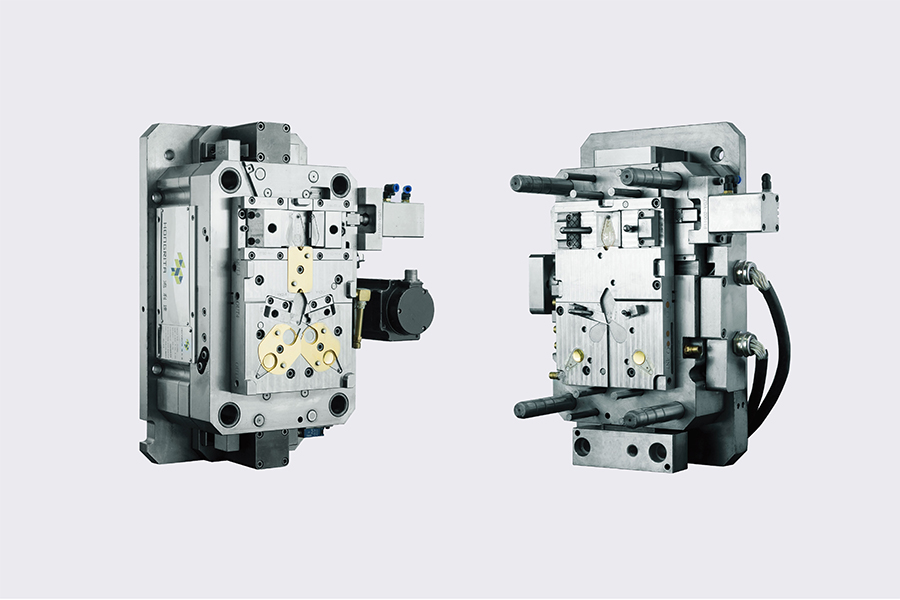
3-Component Magnifier - Molded in One Assembly for Reading & Inspection
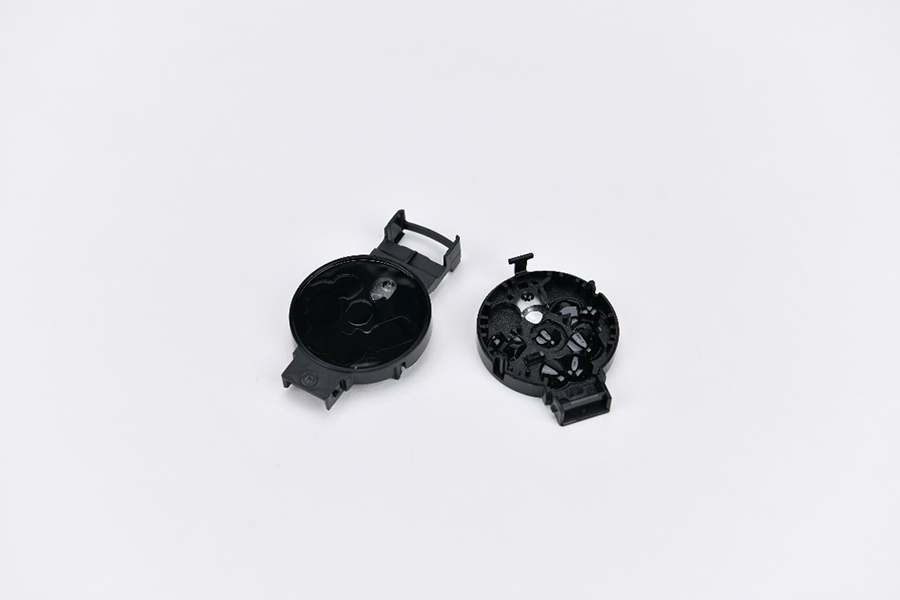
3K Sensor - High Precision Multi-Material Integrated Sensor Body