Featured Automotive Sensor Solutions
The Evolution of Metal Insert Moulding in Automotive Electronics
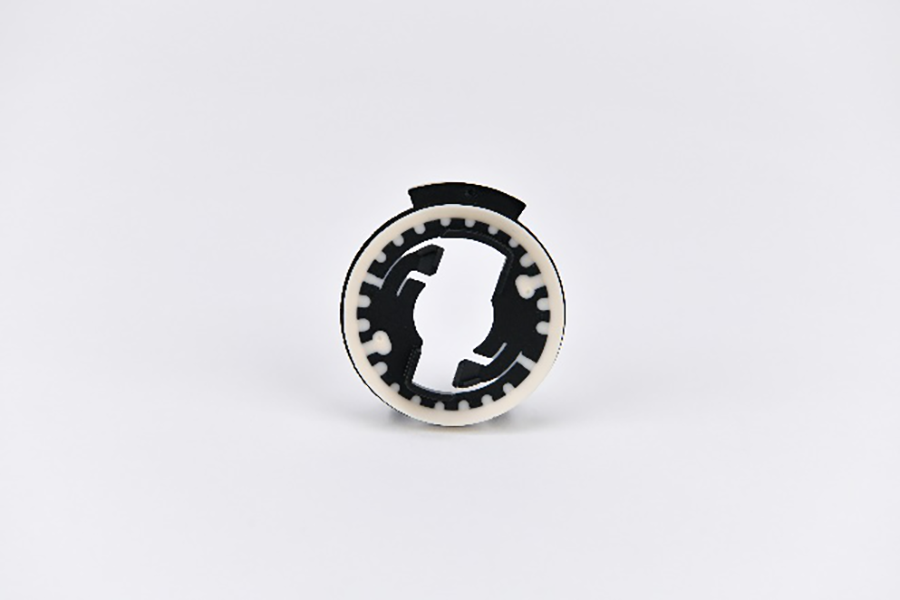
As the automotive industry pivots toward electrification and autonomous driving, the demand for sophisticated Metal Insert Moulding For Automotive Sensors And Control Components has reached an all-time high. This process, which involves injecting thermoplastic resin around a pre-placed metal insert, is critical for creating durable, high-conductivity, and space-efficient parts.
Modern vehicles are essentially "computers on wheels," requiring hundreds of sensors for ADAS (Advanced Driver Assistance Systems), powertrain management, and cabin comfort. Metal insert moulding provides the structural integrity and electrical connectivity required to withstand the harsh vibrations, thermal cycles, and chemical exposure typical of automotive environments.
Core Competences in Precision Engineering
Technology Excellence
Hongrita's core competences form the foundation of the competitive edge at plastic industry, ensuring every automotive component meets global safety standards.
LSR (Liquid Silicone Rubber) Molding
Essential for sealing automotive sensors against moisture and dust, providing IP67/IP68 rated protection for sensitive electronics.
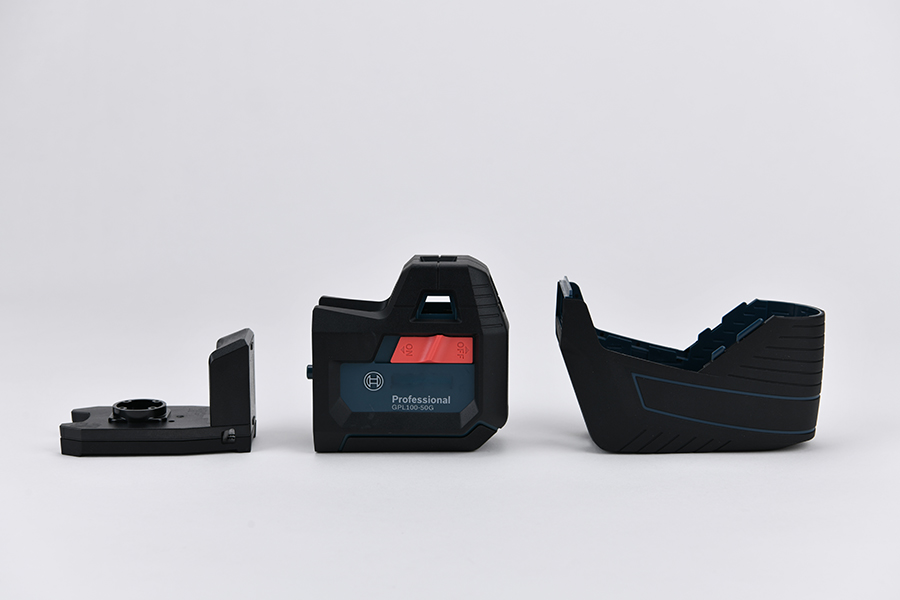
Multi-Component & Insert Molding
Integrating metal leads, busbars, and pins directly into plastic housings to reduce assembly steps and improve electrical reliability.
Smart Manufacturing
Utilizing AI-driven decision-making and digital management to optimize production efficiency and quality control for high-volume automotive runs.
Hongrita's core competences in ISBM, LSR molding, multi-component molding, tooling, and smart manufacturing collectively strengthen its position as a leading provider of precision plastic components. These competences allow Hongrita to deliver innovative and tailor-made solutions to diverse industries, including medical, healthcare, automotive, and rigid packaging.
Deep Application Scenarios for Automotive Components
1. ADAS and Radar Housings
High-frequency radar and LiDAR systems require housings that offer electromagnetic shielding and precise alignment. Metal insert moulding allows for the integration of shielding plates and mounting brackets into a single, compact unit.
2. EV Battery Management Systems (BMS)
In Electric Vehicles, the BMS requires complex busbars and voltage sensors. Our insert moulding technology ensures that high-voltage metal components are perfectly insulated and securely fixed within the plastic frame, preventing short circuits and mechanical failure.
3. Transmission Control Units (TCU)
Control components inside the transmission are exposed to hot oil and extreme pressure. By using high-performance polymers like PPA or PBT with metal inserts, we create components that maintain dimensional stability and electrical contact under the most grueling conditions.
4. Smart Cockpit Interfaces
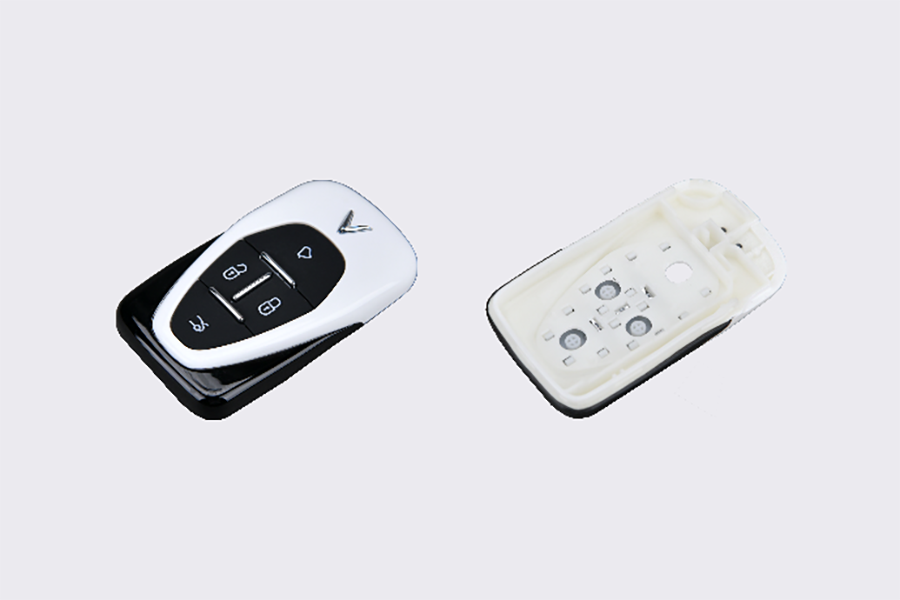
From haptic feedback controllers to integrated touch panels, the transition to smart cockpits demands aesthetic finish combined with electronic functionality. Multi-component moulding allows for soft-touch surfaces integrated with rigid electronic housings.
Advanced Laboratory & Quality Assurance
-
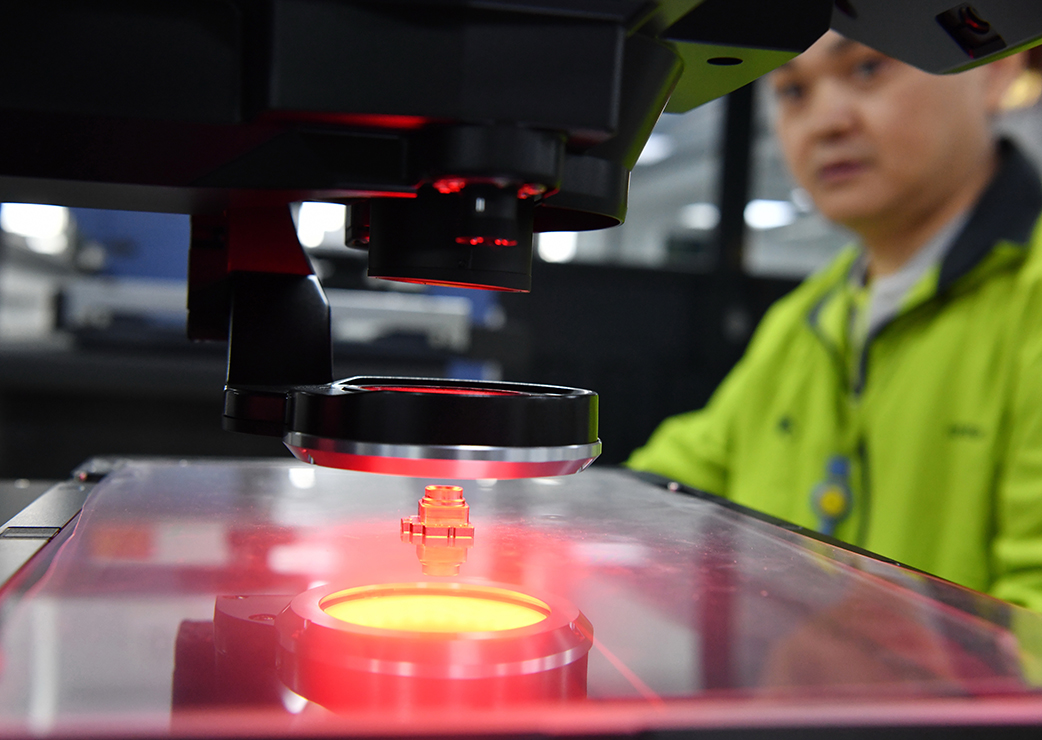
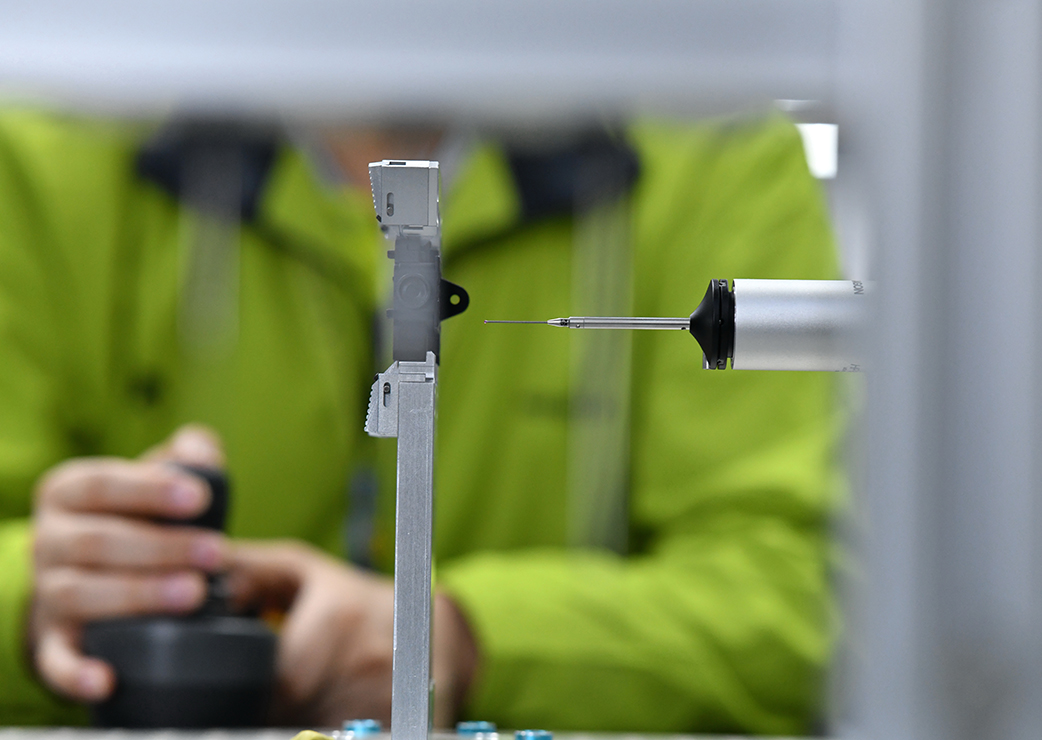
Optical Measurements
High-precision, non-contact measurement for complex sensor geometry, improving production efficiency and quality control.
Physical & Environmental Testing
Reliability & Lifecycle Testing
Microbiological & Chemical Laboratory
Digital Intelligence & Smart Production
The application of smart systems has enabled Hongrita to achieve better production automation, digital management, and AI decision-making, thereby enhancing the factory's level of intelligence and strengthening the company's competitiveness in the automotive industry.
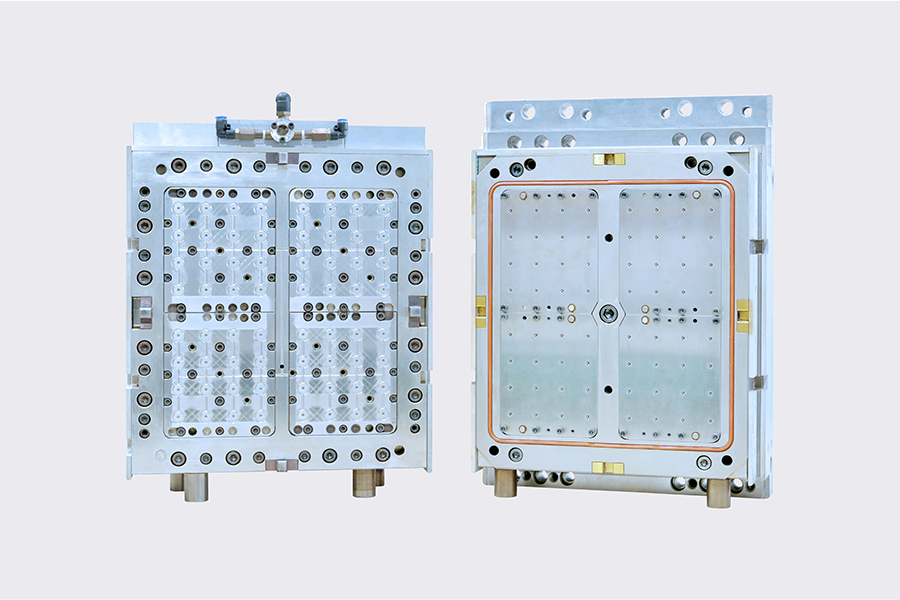
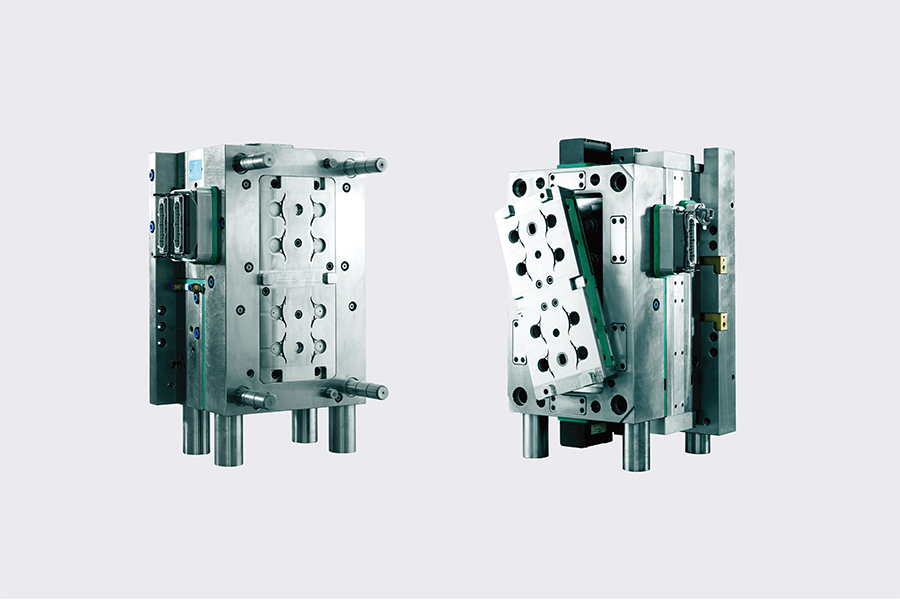
High Performance Mold
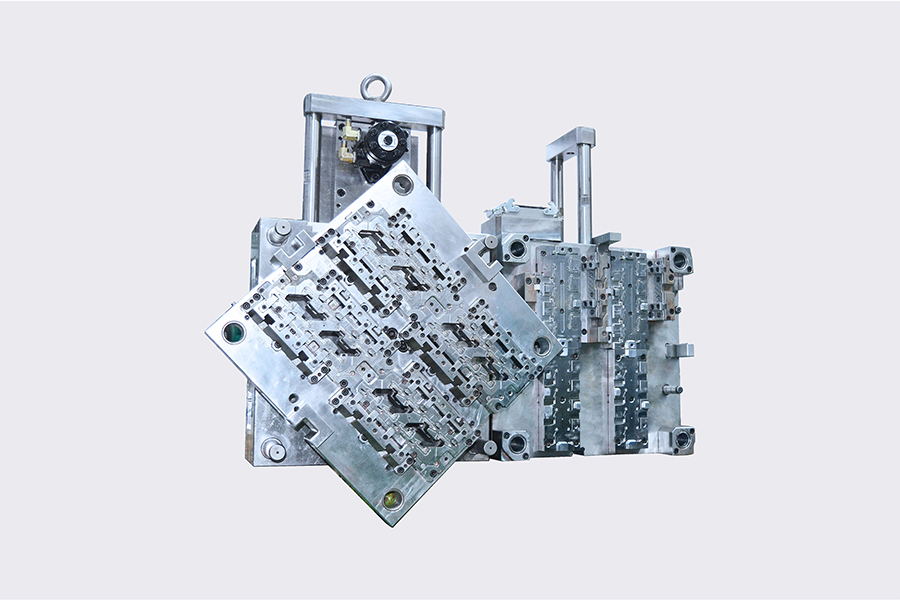
Advanced tooling for high-speed, high-precision insert moulding cycles.
Read MorePrecision Workshop
Clean-room environments for sensitive automotive electronic components.
Read MoreDigital Management
Real-time tracking of every production batch for full automotive traceability.
Read MoreFuture Trends in Automotive Insert Moulding
Miniaturization: As sensors become smaller, the precision of metal insert placement must reach micron-level accuracy. We are investing in ultra-precision robotics to handle micro-inserts for the next generation of MEMS sensors.
Sustainability: The shift toward bio-based resins and recyclable metal alloys is gaining momentum. Our R&D team is currently testing high-performance recycled materials that meet stringent automotive safety requirements.
Integrated Electronics (IME): The future lies in In-Mold Electronics, where circuitry is printed directly onto the plastic film before moulding. This will revolutionize control panels and interior lighting by eliminating traditional PCBs.
Thermal Management: With the heat generated by high-speed processors in autonomous driving units, thermally conductive plastics combined with metal heat sinks via insert moulding are becoming vital.