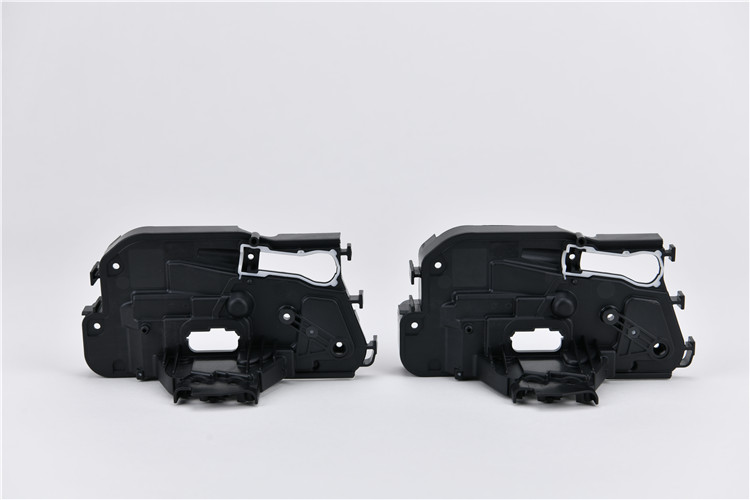
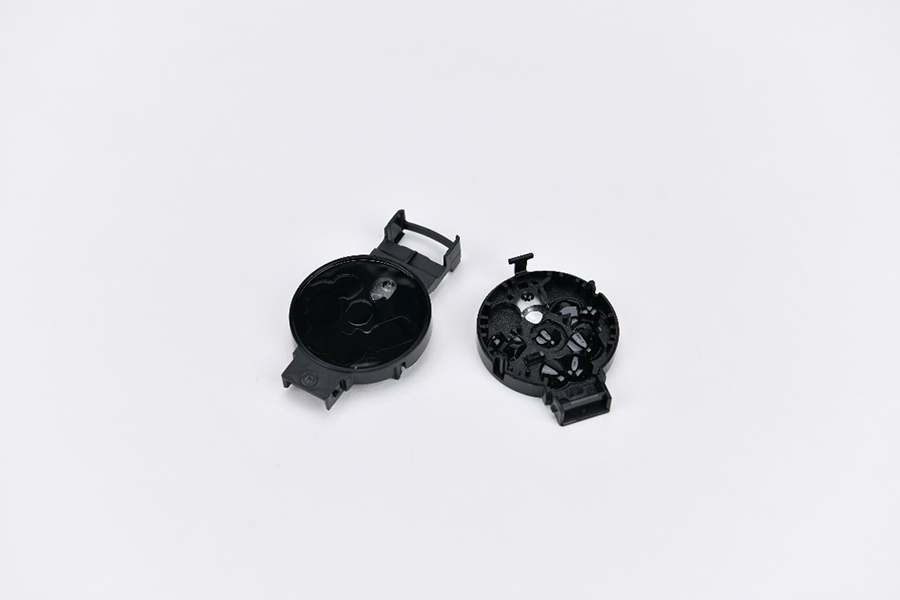
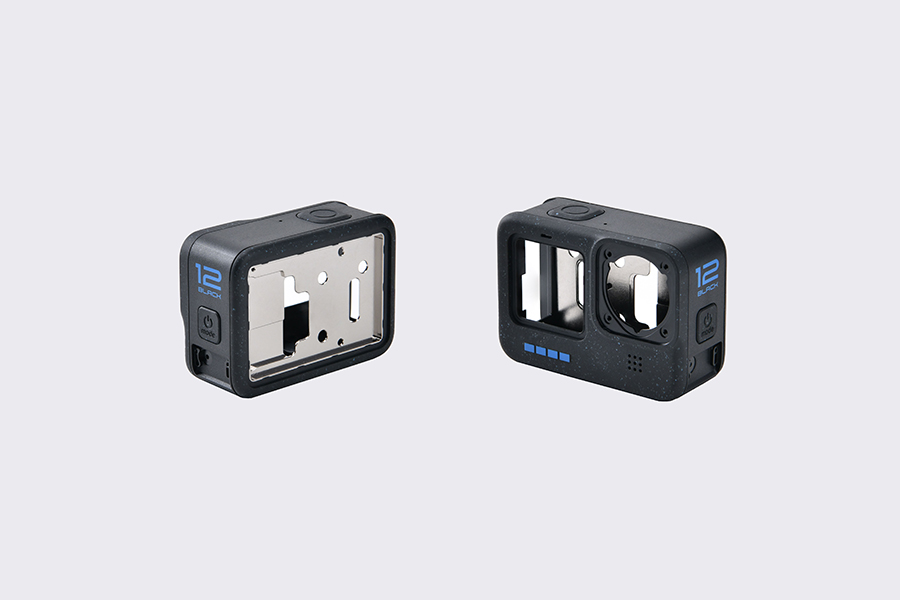
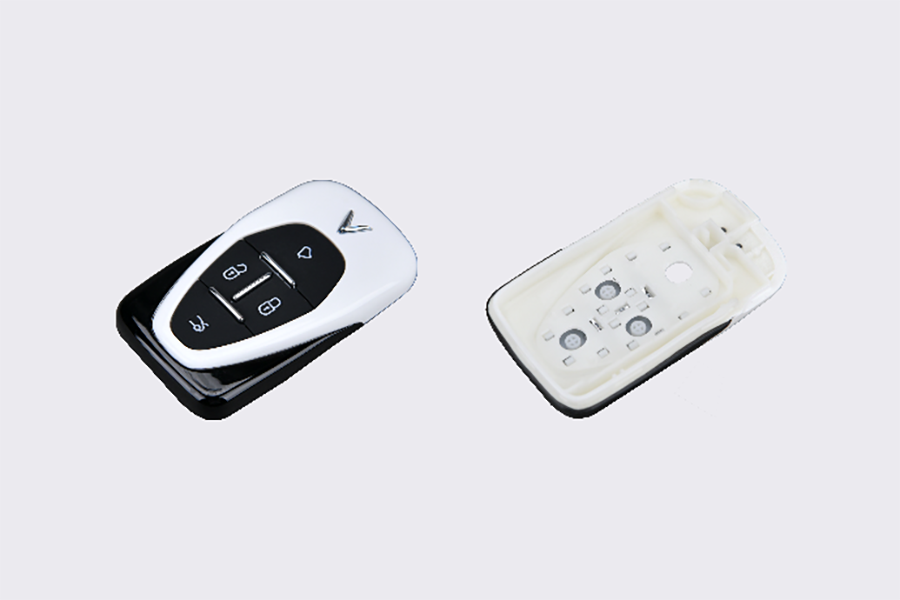
Featured Medical-Grade Molded Components
Explore our high-performance solutions designed to meet the rigorous demands of medical device OEMs, featuring advanced multi-component molding, biocompatible materials, and micro-precision engineering.
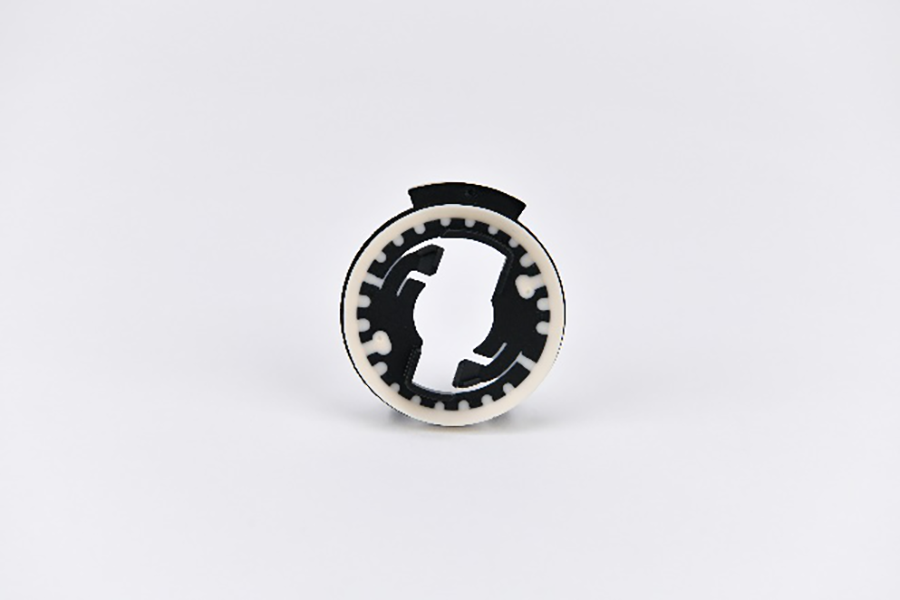
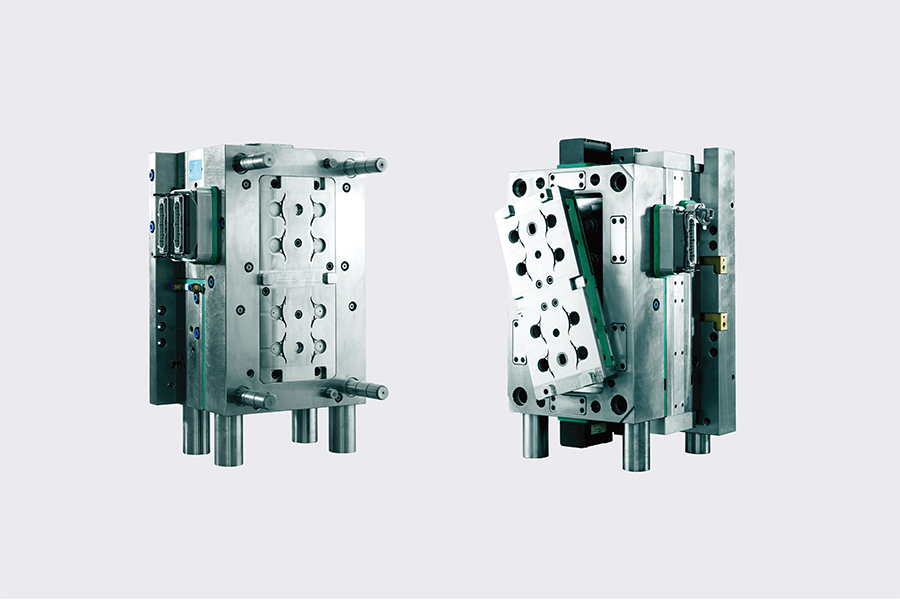
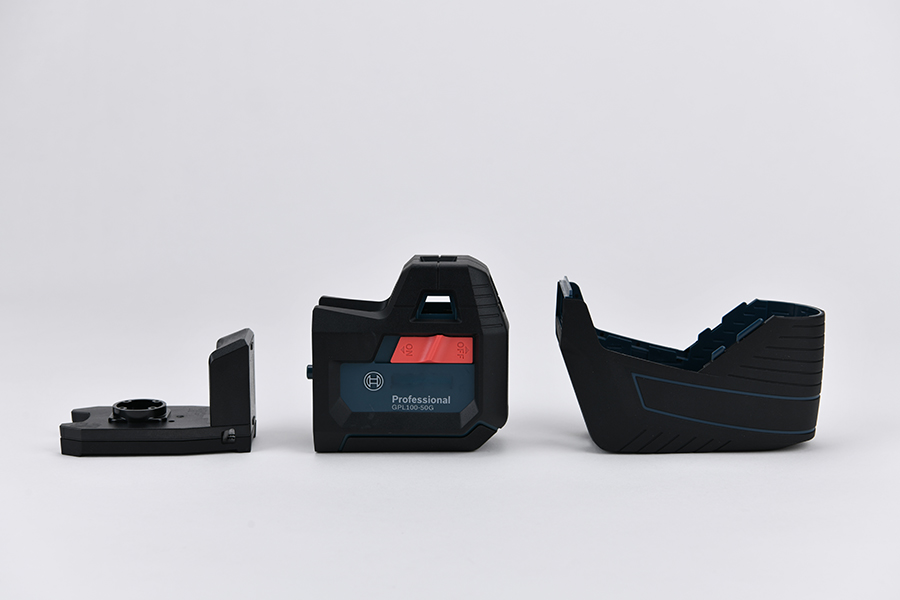
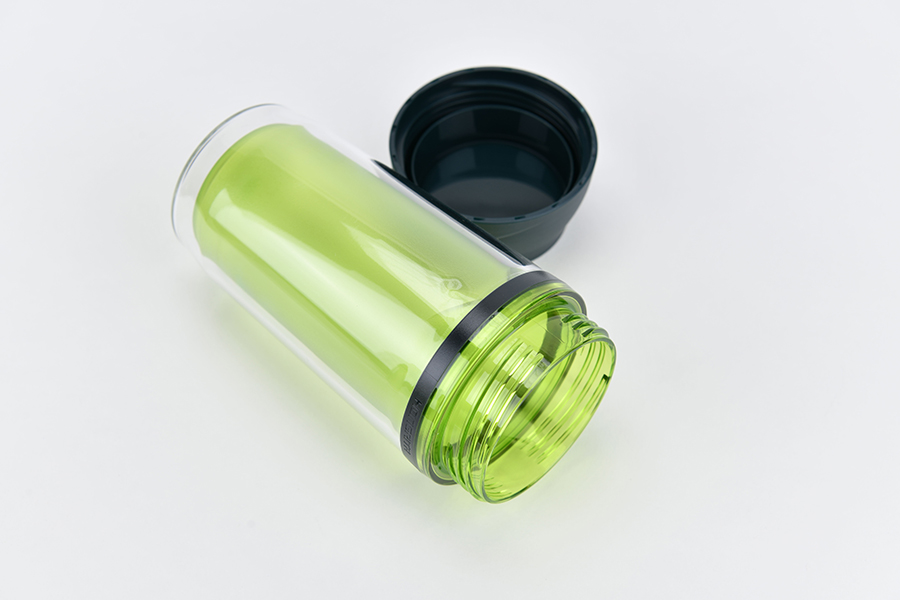
The Landscape of Medical Injection Molding in the United States
The United States stands as the global epicentre for medical device innovation, with major clusters in California's Silicon Valley, Minnesota's Medical Alley, Massachusetts, and Texas driving the demand for high-precision manufacturing. Medical injection molding is a cornerstone technology within this ecosystem, transforming raw biocompatible polymers and liquid silicones into critical diagnostic, surgical, and therapeutic components. As medical technology advances toward minimally invasive procedures and smart wearable devices, the demand for tight-tolerance, multi-material, and micro-scale molded parts has reached unprecedented levels.
To sustain rapid product development cycles, US-based medical OEMs rely on a hybrid supply chain strategy. This combines local rapid prototyping and design verification services with global manufacturers capable of scaling production under strict regulatory compliance. The integration of advanced manufacturing technologies, such as cleanroom molding, automated vision inspection, and scientific molding processes, ensures that every component meets the zero-defect standards required for clinical applications. As a leading partner in this space, we bridge the gap between complex engineering concepts and high-volume, compliant production.
Precision Tooling & Tolerances
Achieving micron-level tolerances is critical for medical assemblies. Advanced tooling design eliminates flash, parting line mismatches, and structural weaknesses in critical parts.
Cleanroom Manufacturing
Production in Class 7 and Class 8 cleanrooms ensures that medical components remain free from particulate contamination, meeting strict bioburden standards.
Biocompatible Materials
Expertise in handling medical-grade resins, including PEEK, polycarbonate, cyclic olefin copolymers (COC), and liquid silicone rubber (LSR) for implantable and fluid-path devices.
Key Technological Trends Driving the Medical Molding Sector
The medical injection molding industry is undergoing a technological revolution, heavily influenced by the rise of smart medical devices, personalized healthcare, and sustainability. Key trends reshaping the industrial landscape in the United States include:
1. Multi-Component and 2K/3K Molding: The integration of multiple materials into a single molded component is key to modern medical design. By overmolding soft-touch elastomers (such as thermoplastic elastomers or liquid silicone rubber) onto rigid substrates, manufacturers can create ergonomic surgical handles, integrated seals, and multi-colored diagnostic housings in a single cycle. This eliminates secondary assembly steps, reduces contamination risks, and lowers overall production costs.
2. Liquid Silicone Rubber (LSR) Molding: LSR is highly valued in the medical industry for its biocompatibility, thermal stability, and chemical resistance. The demand for LSR components, such as seals, diaphragms, check valves, and wearable device interfaces, is growing rapidly. Advanced cold runner systems and closed-loop process controls are essential to handle the low viscosity of LSR and ensure flash-free molding.
3. Micro-Molding for Minimally Invasive Devices: As surgical procedures become less invasive, the components used in catheter tips, surgical staplers, and ophthalmic implants are shrinking. Micro-molding enables the production of parts weighing fractions of a gram with sub-micron tolerances, requiring specialized micro-injection units and high-speed optical inspection systems.
4. Digitalization and AI-Driven Quality Assurance: The transition toward "smart factories" or Lighthouse manufacturing involves embedding sensors directly into mold cavities. These sensors monitor pressure, temperature, and material flow in real-time. Combined with AI-driven vision systems, manufacturers can detect and isolate defects instantly, ensuring 100% compliance with FDA traceability requirements.
Localized Medical Application Scenarios
Medical injection molding is utilized across a vast spectrum of healthcare applications in the United States. From clinical diagnostic laboratories to home-use drug delivery systems, precision molded plastics are essential to patient care:
- Drug Delivery Systems: Auto-injectors, insulin pens, and inhalers require highly precise internal gears, housings, and fluid pathways to deliver accurate dosages safely and consistently.
- Point-of-Care Diagnostics: Microfluidic cartridges and test cassettes used for rapid diagnostics require complex micro-channels and optically clear windows for precise analysis.
- Surgical Robotics and Instrumentation: High-strength, sterilization-resistant polymers like PEEK and PPSU are replacing metals in robotic surgical arms, endoscopic housings, and single-use surgical instruments.
- Wearable Health Monitors: Biocompatible, skin-friendly materials molded with integrated sensor housings allow continuous glucose monitoring and cardiac tracking without causing skin irritation.
Global Standards & Quality Qualifications
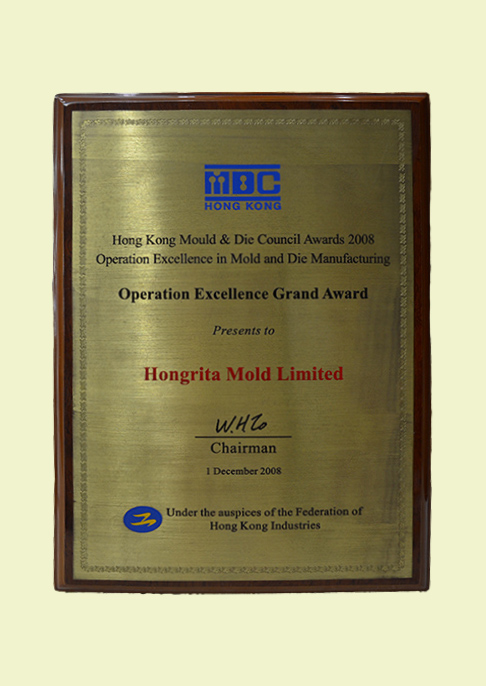
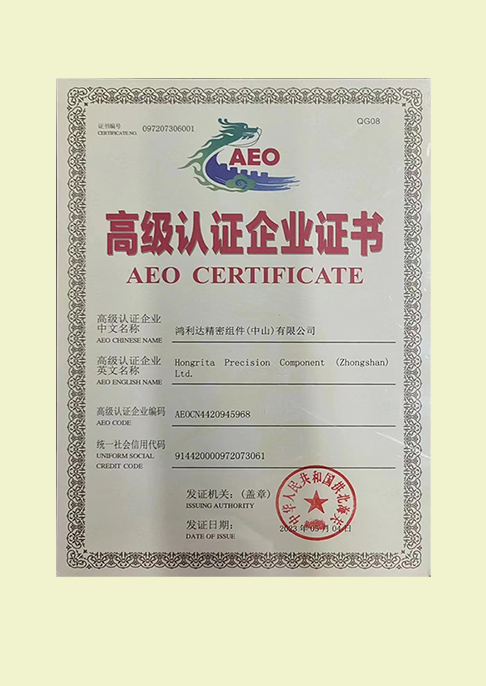
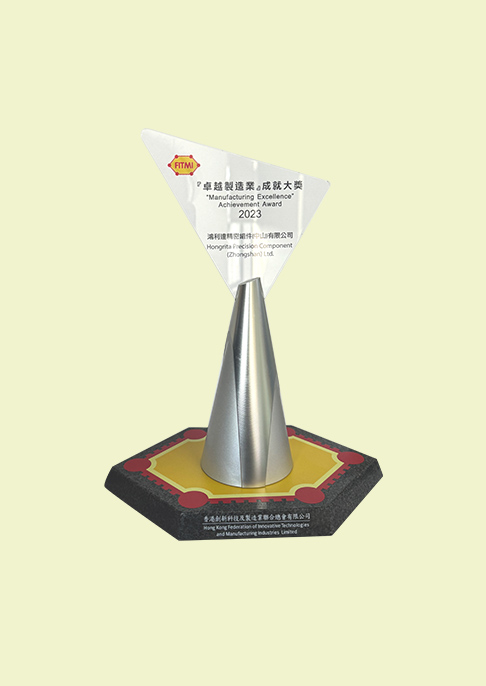
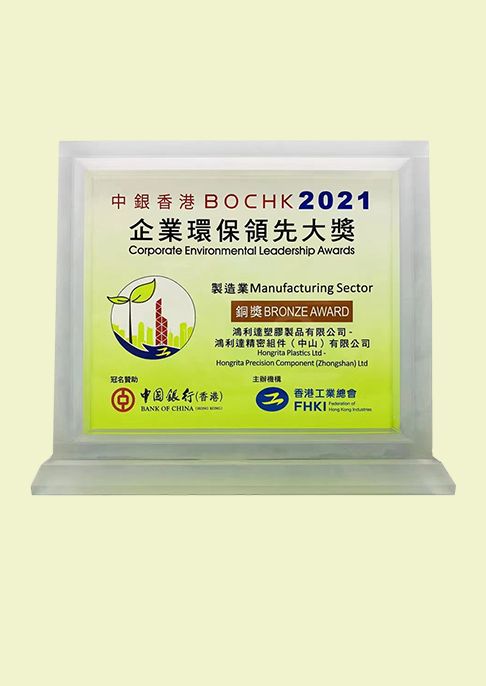
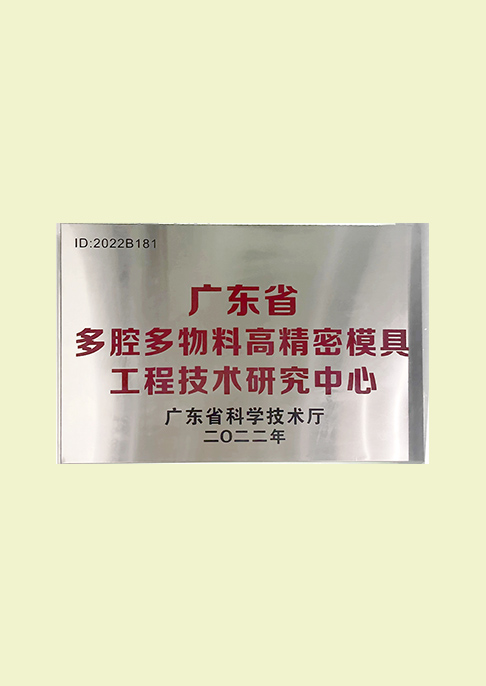
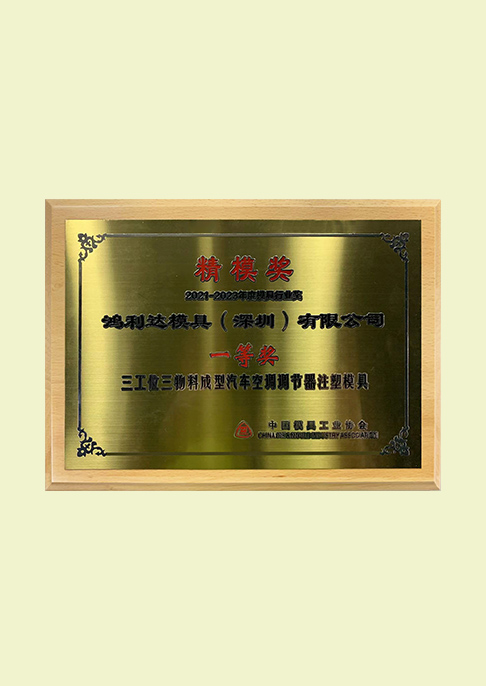
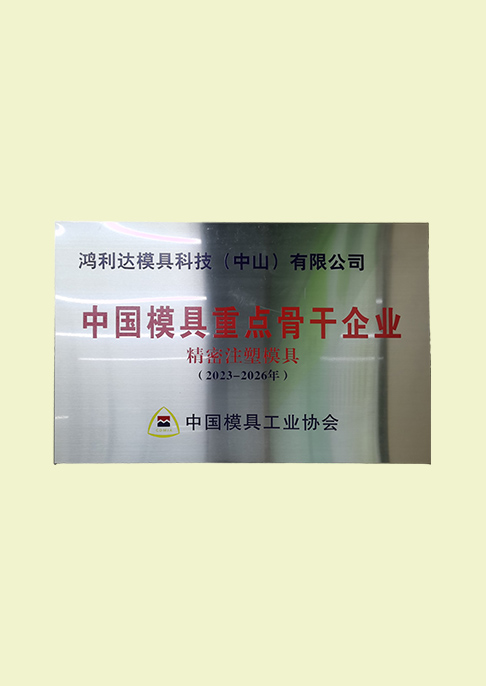
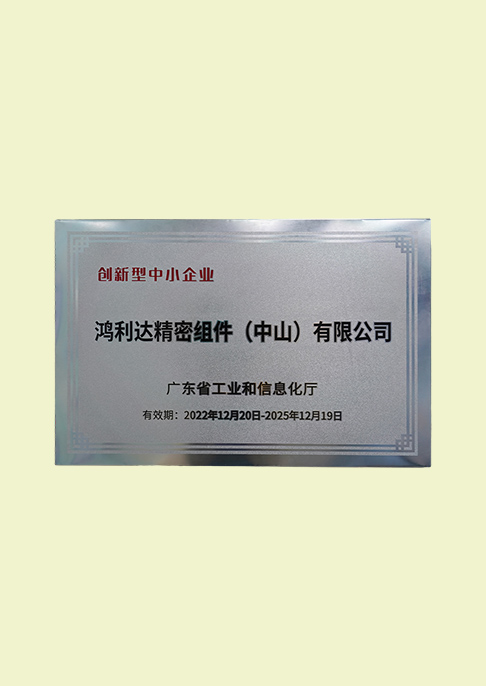
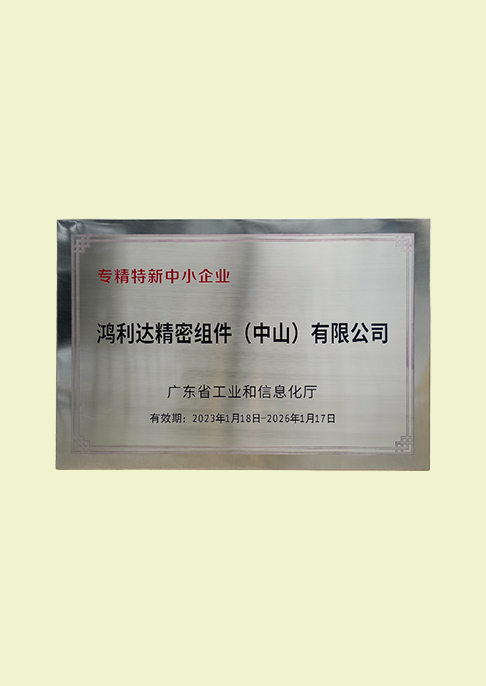
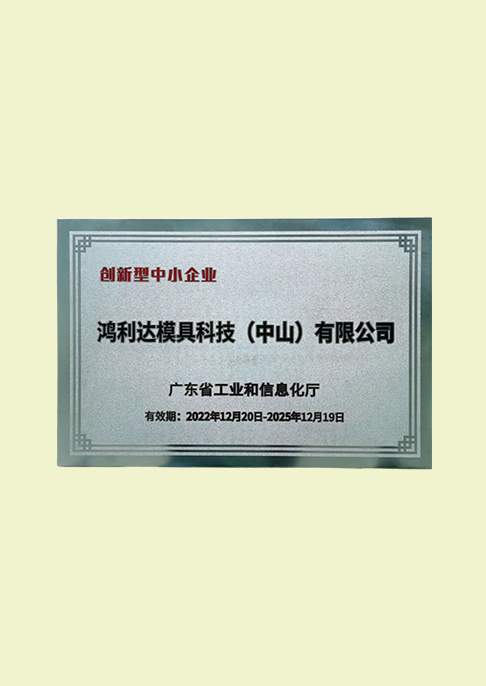
Hongrita is committed to the highest standards of quality management and regulatory compliance. Our facilities hold certifications for ISO 13485 (Medical Devices Quality Management), ISO 9001, ISO 14001, IATF 16949 (Automotive Quality Management), ISO 45001, ISO/IEC 27001, ISCC PLUS, and are FDA registered. This robust quality framework ensures complete traceability and consistency for our US partners.







Our Global Manufacturing Footprint
To support global medical device supply chains, Hongrita has established strategically located manufacturing and innovation hubs. This footprint allows us to offer optimized logistics, local technical support, and scalable capacity.
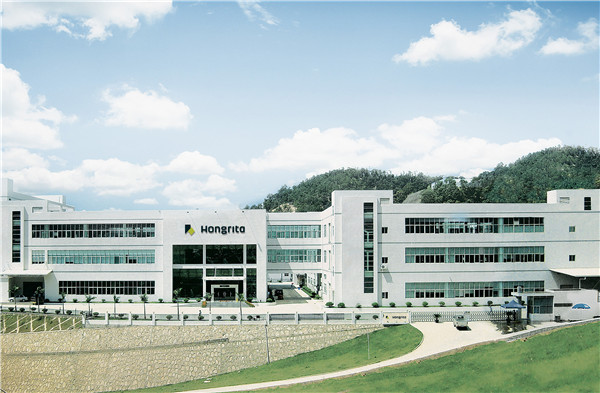
Shenzhen, China
Focusing on the 3C and intelligent technology components business, overseas commercial mold business, and in-house use molds.
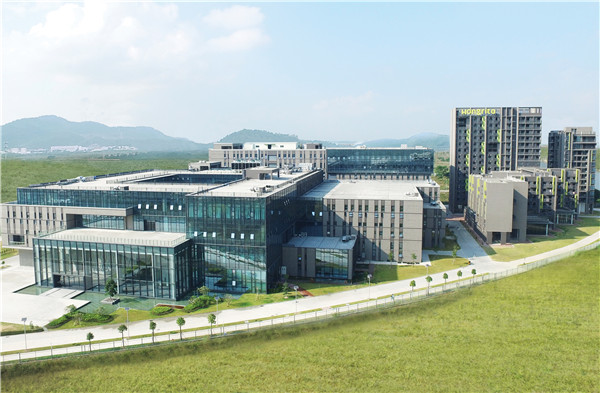
Zhongshan, China
Serving as Hongrita's hub for innovation R&D, engineering, major projects and production; and the proving grounds of change management, new technology applications and intelligent manufacturing.
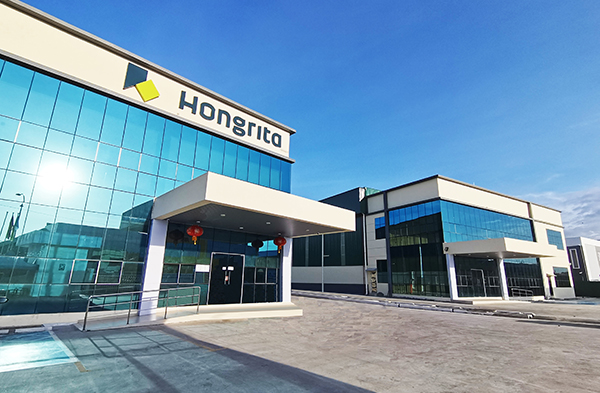
Penang, Malaysia
Developing tooling and molding business in Southeast Asia; and serving as proving grounds of Hongrita's global expansion plan and training base for the overseas team.
Our Story of Precision and Innovation
From humble beginnings to a global leader in precision injection molding, our journey is defined by continuous improvement, technological breakthroughs, and a commitment to customer success.

After completing the apprentice program, Mr. Felix Choi, the founder of Hongrita, borrowed money and invested in the first milling machine in June 1988. He rented a corner in a friend's factory and established Hongrita Mould Engineering Company, specializing in mold and hardware parts processing. Mr. Choi's humble, diligent, and progressive entrepreneurial spirit attracted a group of like-minded partners. With the collaborative efforts of the core team and their excellent skills, the company focused on the design and production of complete molds, establishing a reputation for manufacturing precision plastic molds.

In 1993, riding the wave of national reform and opening up, Hongrita established its first base in Longgang District, Shenzhen, and expanded its business to include plastic moulding and secondary processing. After 10 years of growth, the core team believed that it was necessary to build a unique and differentiated competitive advantage in order to be invincible. In 2003, the company began research and development of multi-material/ multi-component moulding technology and moulding process, and in 2012, Hongrita took the lead in making breakthroughs in liquid silicone rubber (LSR) mould and moulding technology, becoming a benchmark in the industry. By leveraging innovative technologies such as multi-material and LSR, Hongrita has successfully attracted more quality customers by solving customers' product pain points and jointly adding value to development ideas.

In order to expand and strengthen its business, Hongrita established operational bases in Cuiheng New District, Zhongshan City and Penang State, Malaysia in 2015 and 2019, and the management initiated an all-round upgrading and transformation in 2018, formulated a medium- and long-term development plan and ESG sustainable development strategy to fully cultivate a win-win culture. Now, Hongrita is moving towards the goal of building a world-class lighthouse factory by upgrading digital intelligence, AI application, OKR and other activities to improve management effectiveness and per capita efficiency.
Corporate Vision, Mission & Core Values
Our corporate culture guides our daily operations and long-term strategy, ensuring that we deliver maximum value to our clients, employees, and communities.

Vision
Create better value together.

Mission
Make a product better with innovative, professional and intelligent molding solutions.

Core Values
Passion, Collaboration, Innovation, Professionalism, Advancement, Sustainability.
Management Methodology
Hongrita integrates scientific management methodologies with advanced manufacturing technologies to optimize operational efficiency, minimize lead times, and maintain zero-defect standards across all production lines.

Complete Portfolio of Advanced Molded Solutions
Browse our complete range of specialized molding solutions, demonstrating our expertise in multi-component (2K/3K) injection molding, high-precision tooling, and medical-grade custom plastics.