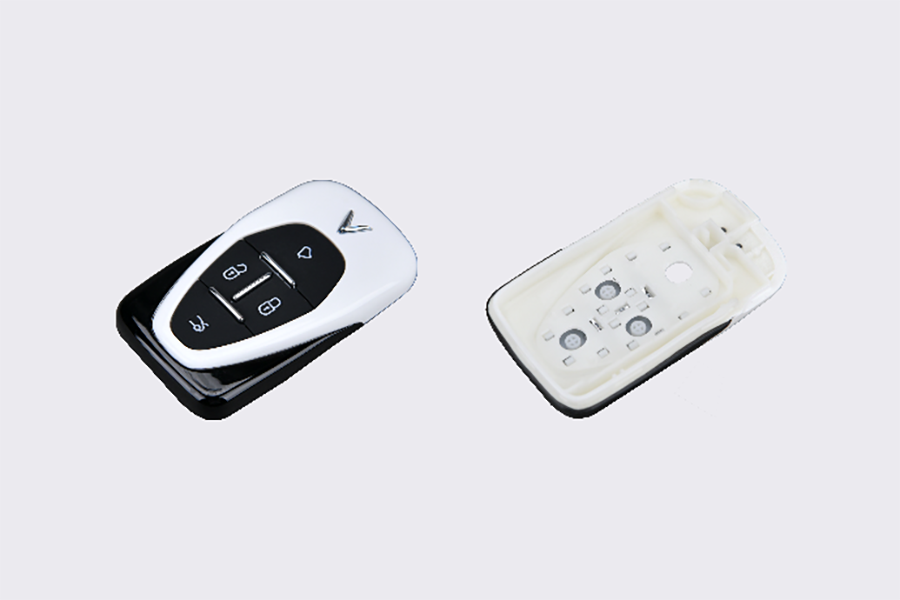
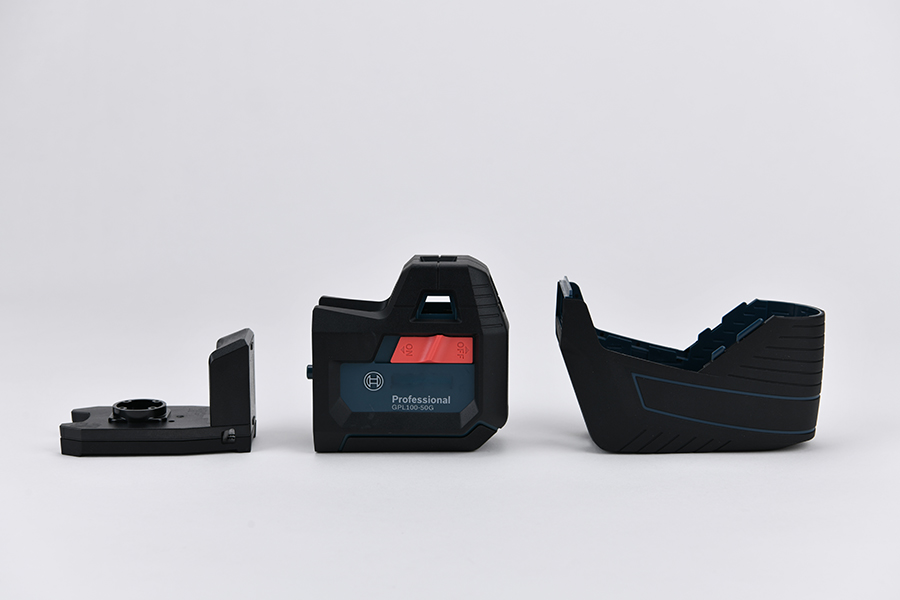
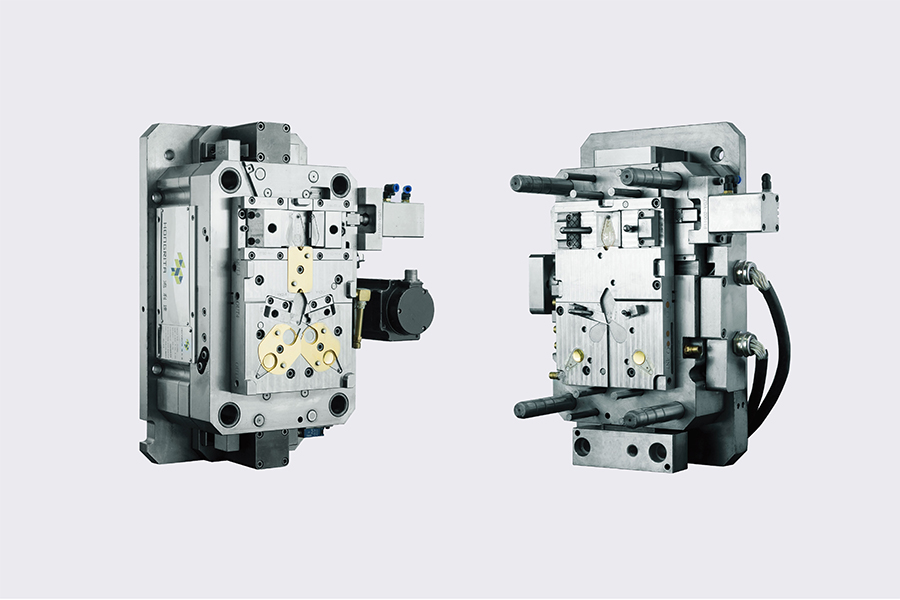
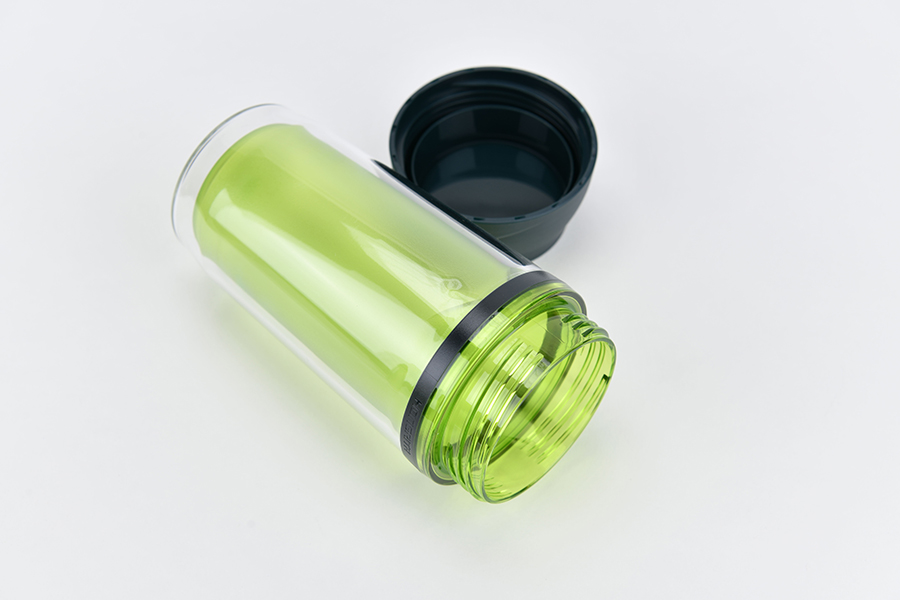
Featured Medical Molding Solutions
Explore our top-tier precision components engineered for medical devices and critical healthcare applications.
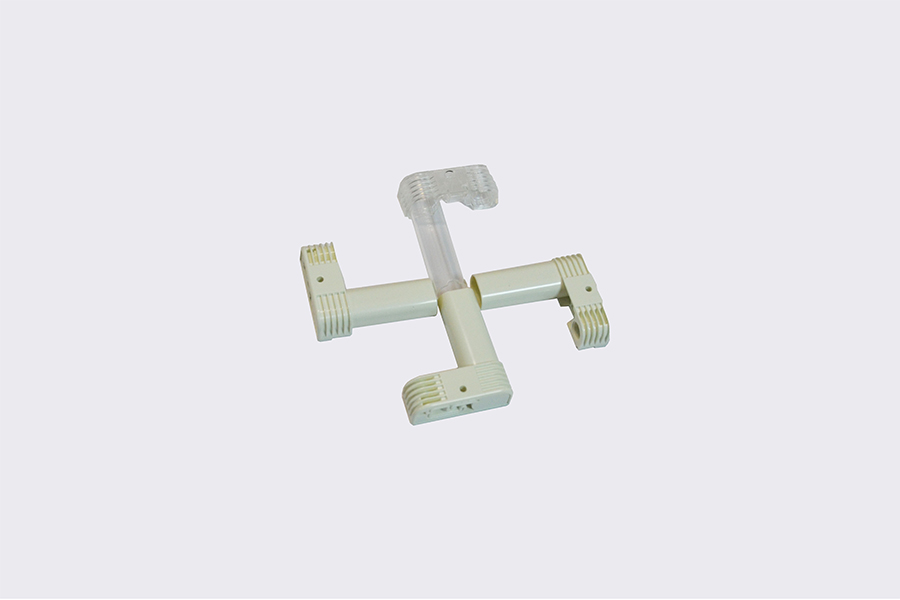
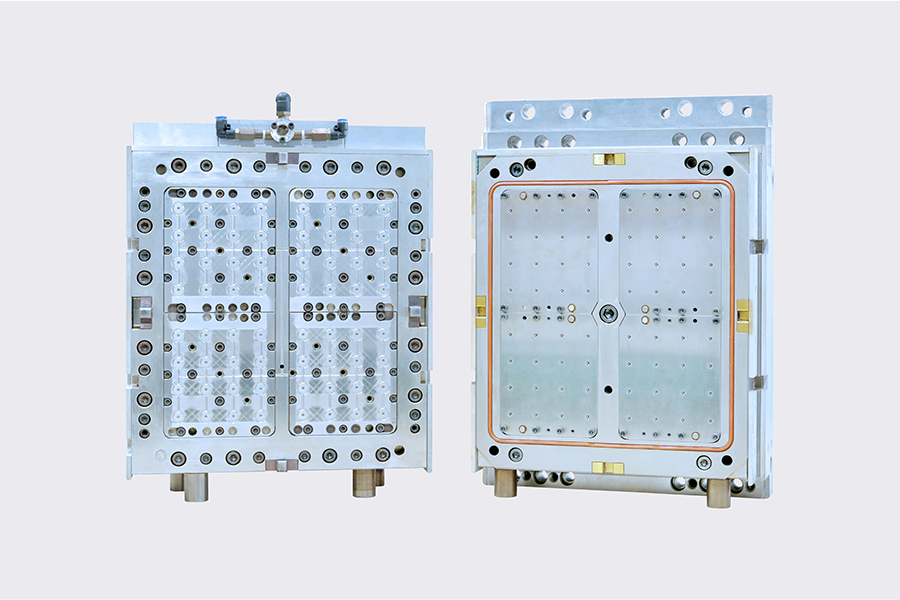
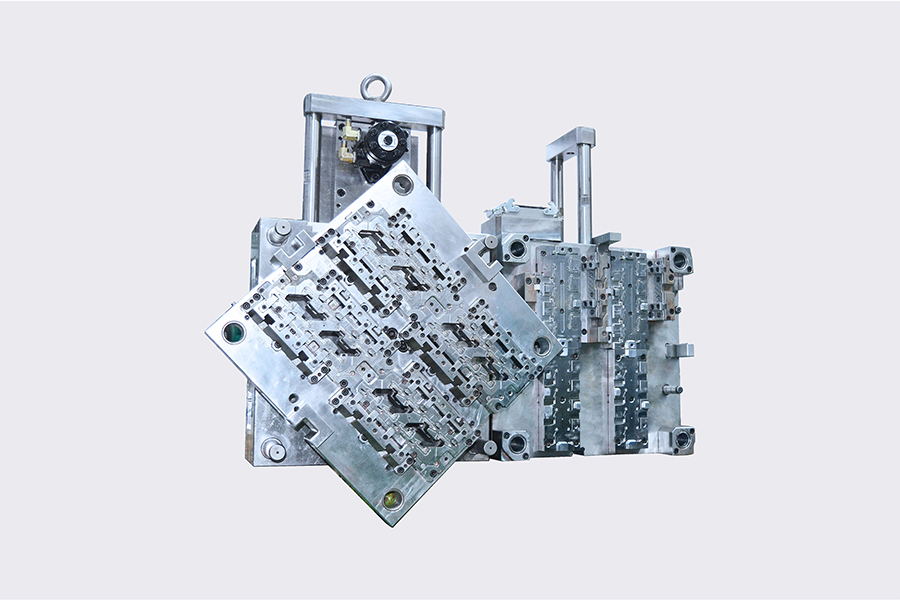
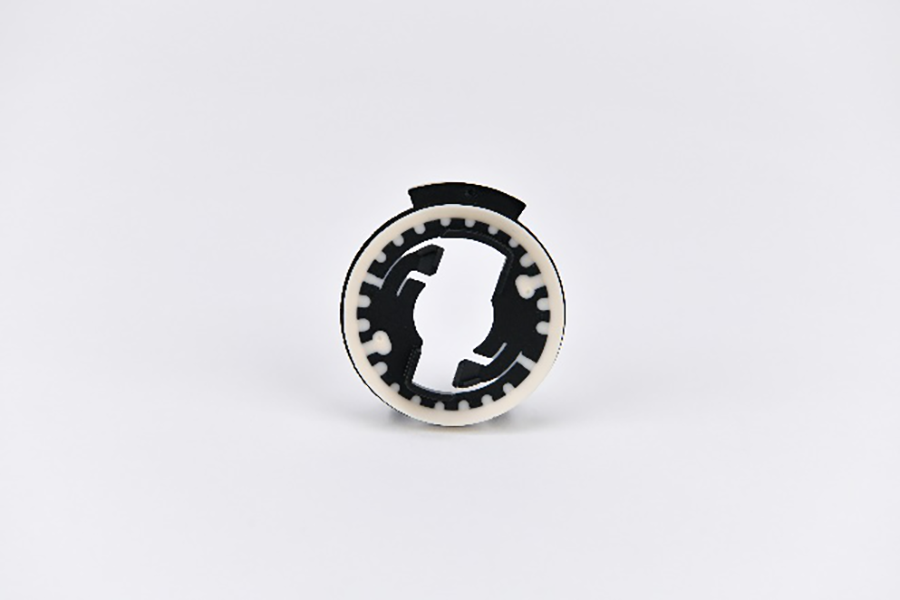
The Landscape of Medical Device Manufacturing in Portugal
Portugal has rapidly transformed into one of Europe's most dynamic hubs for medical technology and precision engineering. Traditionally famous for its robust toolmaking and mold-manufacturing industries centered in regions like Marinha Grande and Oliveira de Azeméis, the country has successfully leveraged this heritage to capture a significant share of the high-tech medical injection molding market. Today, Portuguese manufacturers and suppliers collaborate with global healthcare brands to produce high-precision, life-saving medical devices.
The growth of the Portuguese medical injection molding sector is fueled by several strategic factors. The country offers a highly skilled workforce of engineers and technicians, a competitive cost structure compared to Northern Europe, and an excellent logistics infrastructure that enables rapid distribution across the European Union and transatlantic markets. Furthermore, Portuguese research institutes and universities work closely with industrial molders to develop bio-compatible polymers, advanced tooling processes, and automated quality control systems, positioning the country at the forefront of medical manufacturing innovation.
Key Technological Trends in Medical Injection Molding
The medical device industry demands absolute precision, cleanliness, and repeatability. To meet these stringent requirements, medical injection molding manufacturers in Portugal are adopting cutting-edge production methodologies:
- Liquid Silicone Rubber (LSR) Molding: LSR is widely used in medical applications due to its exceptional biocompatibility, thermal stability, and flexibility. From seals and gaskets to respiratory masks and diagnostic equipment, LSR molding is a cornerstone of modern medical device manufacturing.
- Multi-Component (2K/3K) Molding: Integrating multiple materials (such as hard plastics and soft elastomers) in a single molding cycle eliminates the need for secondary assembly. This process reduces contamination risks, improves structural integrity, and lowers production costs.
- Cleanroom Manufacturing (ISO Class 7 & 8): To prevent particulate contamination, medical molders operate state-of-the-art cleanrooms equipped with positive pressure systems, HEPA filtration, and strict gowning protocols for personnel.
- AI-Driven Quality Assurance: Modern injection molding machines utilize real-time sensor data and AI algorithms to monitor pressure, temperature, and cycle time, automatically segregating any part that deviates from the specified tolerances.
OUR GLOBAL LOCATIONS
Serving global medical and industrial markets with precision molding facilities across strategic regions.

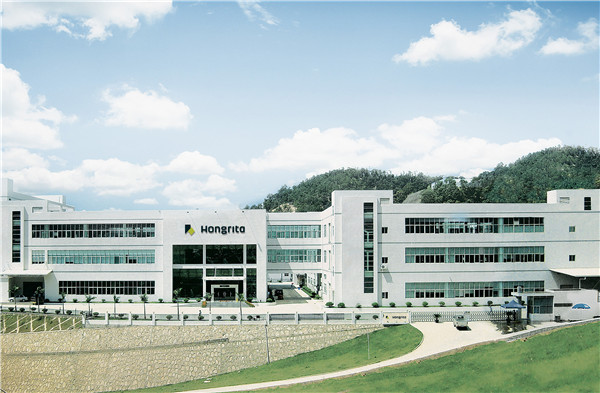
Shenzhen
Focusing on the 3C and intelligent technology components business, overseas commercial mold business, and in-house use molds.
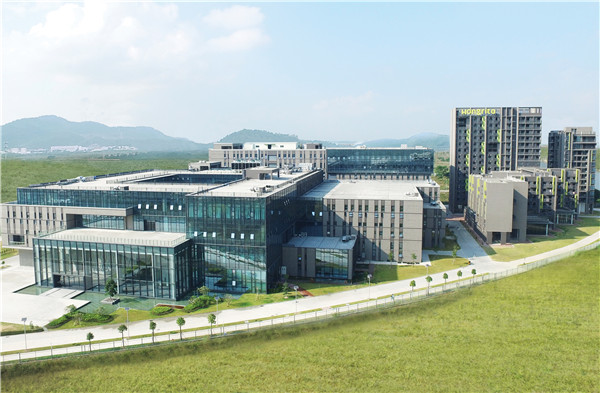
Zhongshan
Serving as Hongrita's hub for innovation R&D, engineering, major projects and production; and the proving grounds of change management, new technology applications and intelligent manufacturing.
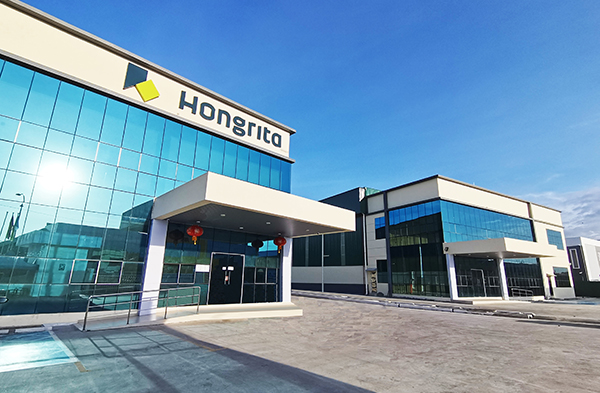
Penang
Developing tooling and molding business in Southeast Asia; and serving as proving grounds of Hongrita's global expansion plan and training base for the overseas team.
Local Application Scenarios in Portugal's Healthcare Sector
The demand for medical injection molded components in Portugal spans a wide array of healthcare and clinical environments. Local hospitals, diagnostic labs, and pharmaceutical companies rely heavily on high-precision plastic components. For instance, in the field of drug delivery, Portuguese manufacturers supply critical parts for insulin pens, inhalers, and pre-filled syringes. These products must operate with absolute mechanical reliability, ensuring accurate dosage delivery for chronic disease management.
Another major application area is in-vitro diagnostics (IVD). Portugal's growing biotechnology sector requires micro-fluidic chips, cuvettes, test tubes, and cartridge assemblies for laboratory testing. These parts demand micro-molding capabilities where features are measured in microns. Additionally, surgical instruments, orthopedic implants, and wearable health monitoring devices utilize biocompatible LSR and high-performance thermoplastics to ensure patient safety and comfort during long-term skin contact.
How Hongrita Supports the European Medical Molding Market
As a leading global injection molding partner, Hongrita brings decades of precision engineering expertise to European medical device OEM and tier-1 suppliers. With state-of-the-art manufacturing hubs in Shenzhen, Zhongshan, and Penang, we offer global delivery capabilities that match the high standards expected by Portuguese and European medical device companies. Our facilities are designed to handle complex multi-component tooling and cleanroom injection molding, ensuring we can deliver high-quality components from prototype to mass production.
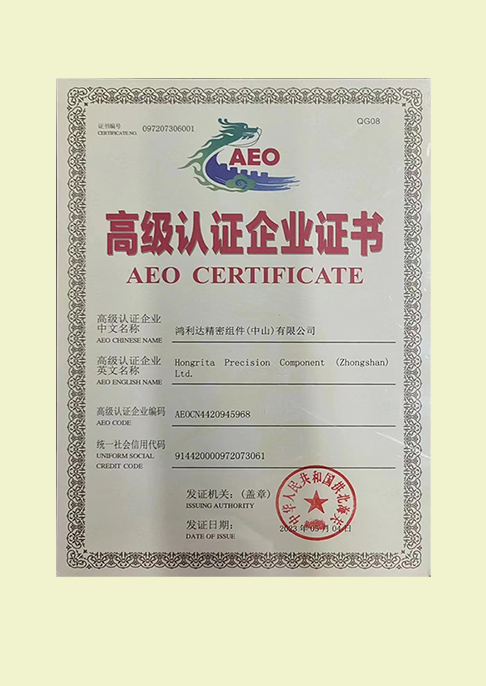
Our commitment to quality is backed by comprehensive international certifications, ensuring full regulatory compliance for medical and automotive industries alike. We manage the entire lifecycle of your project, from design for manufacturing (DFM) and mold flow analysis to custom tooling fabrication, validation, and automated cleanroom assembly.
QUALIFICATIONS & CERTIFICATIONS
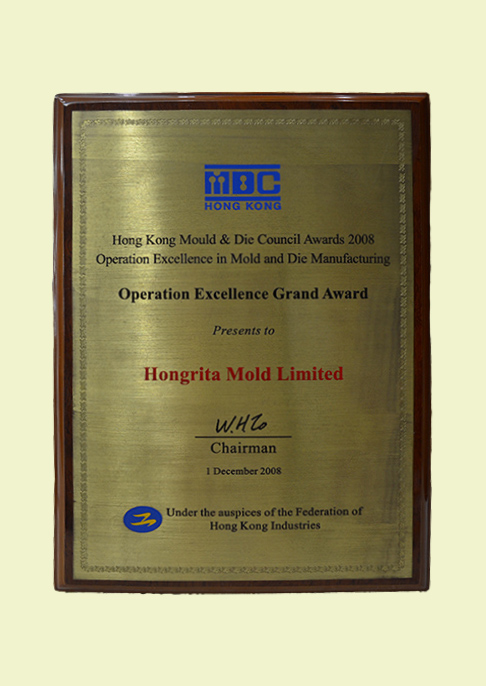
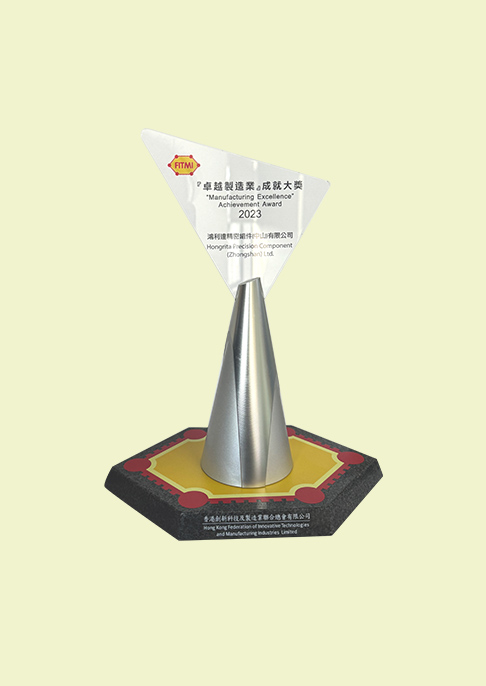
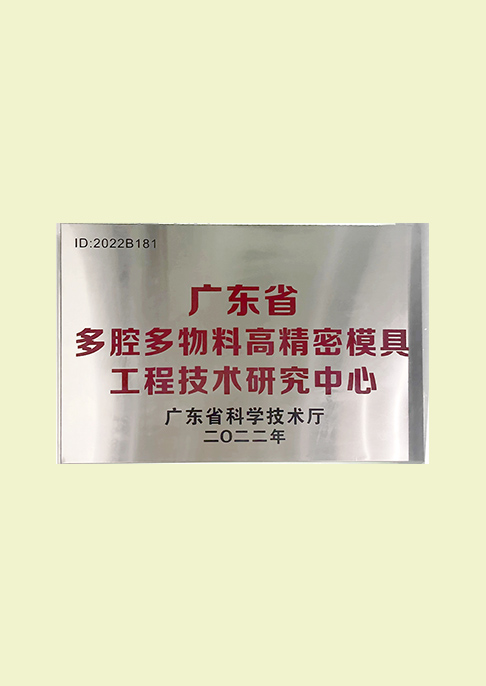
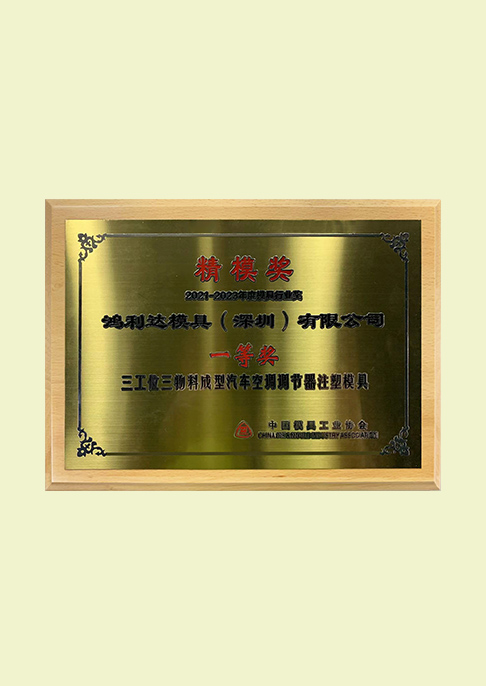
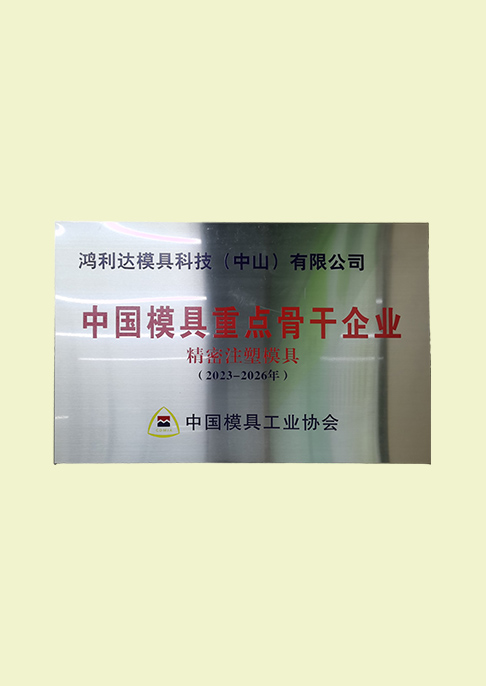
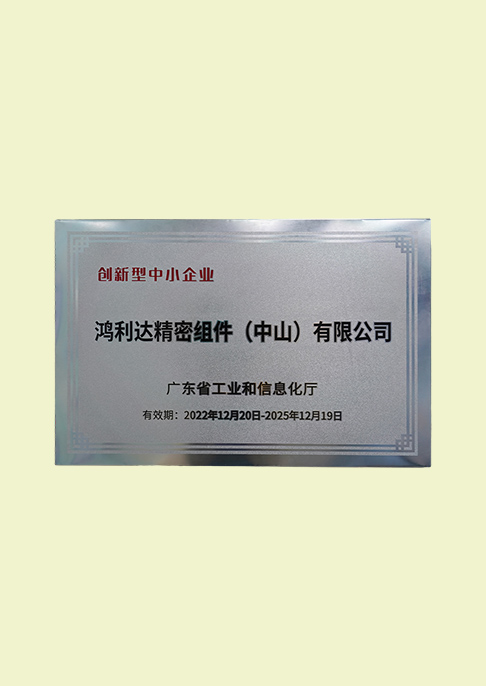
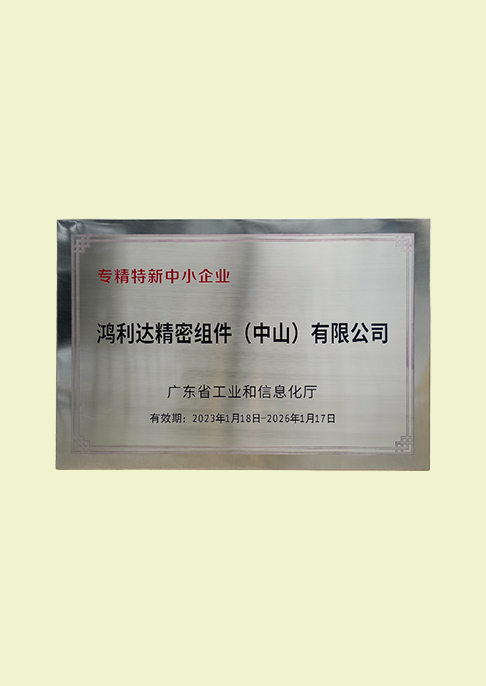
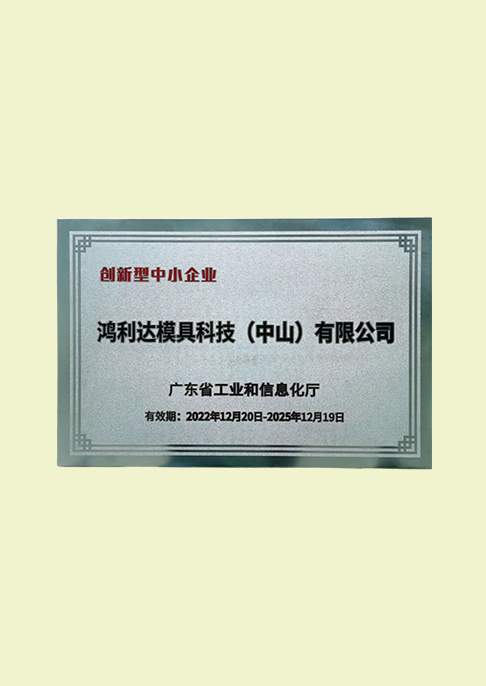
Hongrita has been certified with ISO14001, ISO9001, IATF16949, ISO13485, ISO45001, ISO/IEC27001, ISCC PLUS and has FDA registered. This ensures our medical injection molding processes meet the most stringent global standards for safety, quality, and environmental responsibility.









OUR STORY
A legacy of precision engineering, technical innovation, and global expansion.

After completing the apprentice program, Mr. Felix Choi, the founder of Hongrita, borrowed money and invested in the first milling machine in June 1988. He rented a corner in a friend's factory and established Hongrita Mould Engineering Company, specializing in mold and hardware parts processing. Mr. Choi’s humble, diligent, and progressive entrepreneurial spirit attracted a group of like-minded partners. With the collaborative efforts of the core team and their excellent skills, the company focused on the design and production of complete molds, establishing a reputation for manufacturing precision plastic molds.

In 1993, riding the wave of national reform and opening up, Hongrita established its first base in Longgang District, Shenzhen, and expanded its business to include plastic moulding and secondary processing. After 10 years of growth, the core team believed that it was necessary to build a unique and differentiated competitive advantage in order to be invincible. In 2003, the company began research and development of multi-material/ multi-component moulding technology and moulding process, and in 2012, Hongrita took the lead in making breakthroughs in liquid silicone rubber (LSR) mould and moulding technology, becoming a benchmark in the industry. By leveraging innovative technologies such as multi-material and LSR, Hongrita has successfully attracted more quality customers by solving customers' product pain points and jointly adding value to development ideas.

In order to expand and strengthen its business, Hongrita established operational bases in Cuiheng New District, Zhongshan City and Penang State, Malaysia in 2015 and 2019, and the management initiated an all-round upgrading and transformation in 2018, formulated a medium- and long-term development plan and ESG sustainable development strategy to fully cultivate a win-win culture. Now, Hongrita is moving towards the goal of building a world-class lighthouse factory by upgrading digital intelligence, AI application, OKR and other activities to improve management effectiveness and per capita efficiency.

Vision
Create better value together.

Mission
Make a product better with innovative, professional and intelligent molding solutions.

Core Value
Passion, Collaboration, Innovation, Professionalism, Advancement, Sustainability.
MANAGEMENT METHODOLOGY
Driving operational excellence through scientific management and digital intelligence.

Strategic Sourcing: Bridging Portugal and Global Manufacturing Hubs
When searching for a medical injection molding manufacturer or supplier in Portugal, choosing a partner with a global footprint and robust supply chain resilience is essential. The medical device sector is subject to strict regulatory frameworks such as the European Union Medical Device Regulation (EU MDR). Working with a manufacturer that holds certified cleanroom capabilities, ISO 13485 certification, and comprehensive traceability is critical for compliance.
Hongrita offers a unique advantage by combining regional support with global manufacturing capacity. Our advanced engineering teams work directly with healthcare product design teams to optimize mold design, material selection, and process parameters. By utilizing high-cavitation tooling, automated demolding, and inline inspection, we help clients achieve high productivity and consistent quality. Whether you are launching a new medical device in Lisbon or scaling production for global distribution, our technical expertise ensures a smooth and compliant path to market.
Sustainability, ESG, and the Future of Medical Plastics
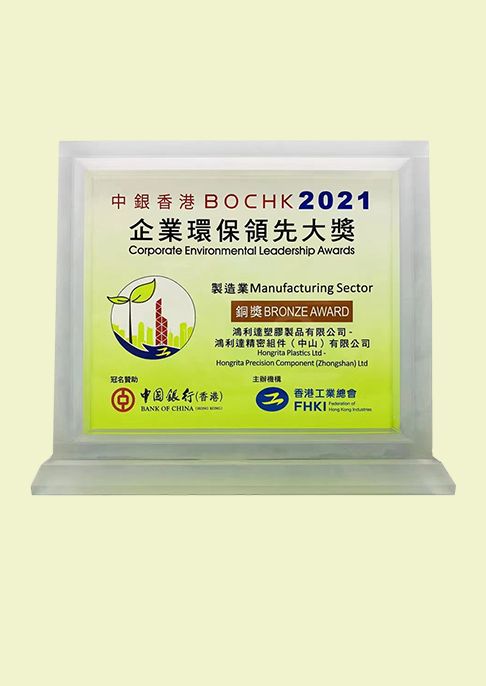
As the healthcare sector increasingly prioritizes environmental sustainability, medical injection molders are adapting to reduce their carbon footprint. In Portugal, where renewable energy accounts for a significant portion of grid power, manufacturers are focusing on energy-efficient molding machines and waste-reduction strategies. At Hongrita, our ESG (Environmental, Social, and Governance) strategy is deeply integrated into our operations. We continuously invest in all-electric injection molding machines, which consume up to 60% less energy than hydraulic alternatives, and implement closed-loop recycling systems for non-medical production waste.
The future of medical plastics also involves the exploration of bio-based and biodegradable polymers that meet strict medical-grade requirements. While biocompatibility and sterilization compatibility remain paramount, the industry is moving towards materials that are easier to recycle or have a lower carbon footprint during production. By partnering with leading polymer suppliers and participating in certifications like ISCC PLUS, we are proud to help our clients navigate the transition toward sustainable medical manufacturing without compromising patient safety or clinical performance.
Our Complete Product Portfolio
Discover our full range of precision molded components, from medical accessories to automotive and industrial solutions.