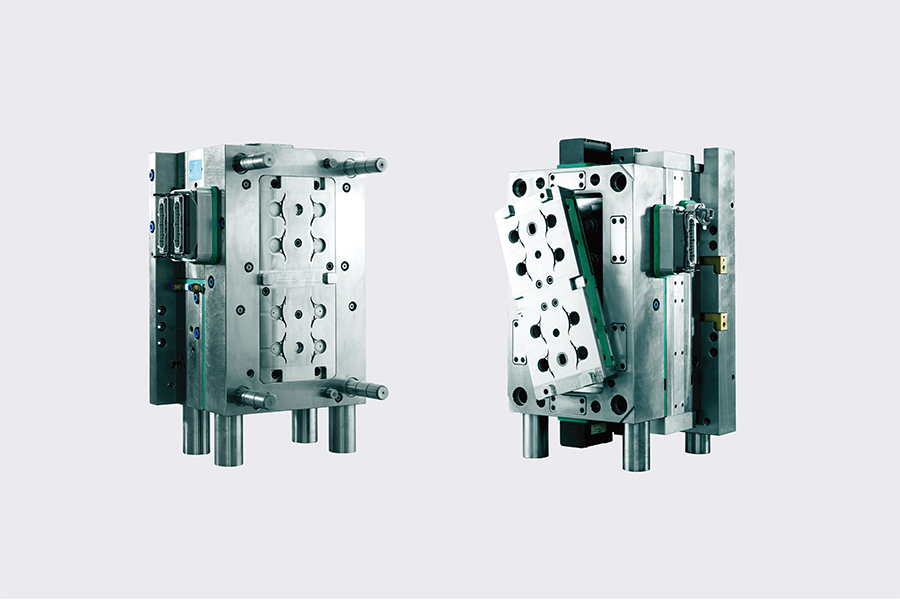
Featured Precision Medical Components
Explore our state-of-the-art multi-component molded solutions designed for high-reliability medical applications.

Customized New Energy Electric Vehicle Fuse Plastic Parts
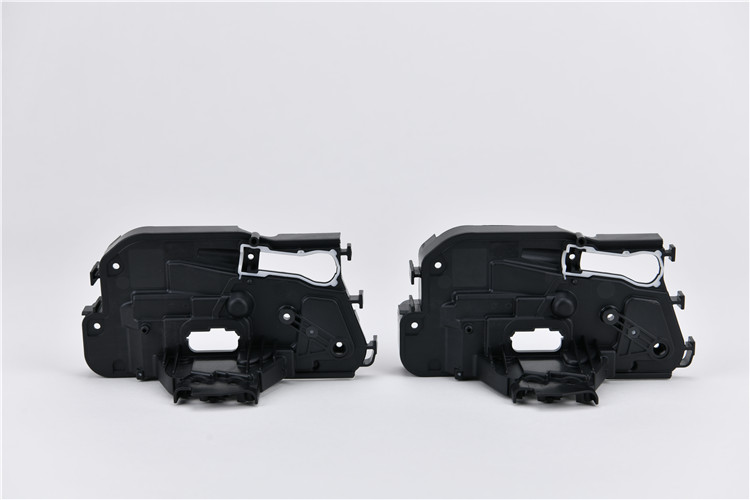
Upper Housing FGL 2K - Premium craftsmanship and materials to enhance door texture and security
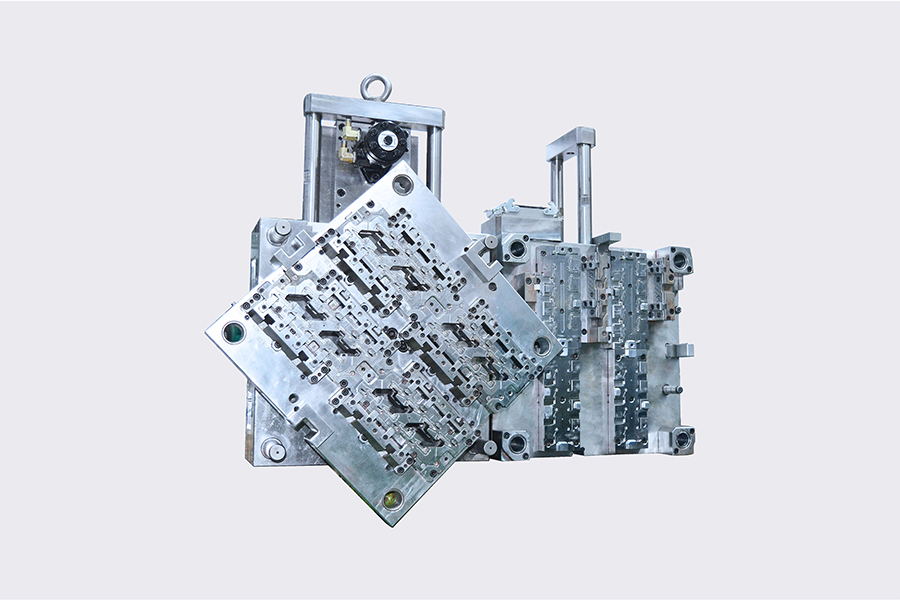
High-quality 2k drawer mounting clips: stable and durable, suitable for various storage scenarios
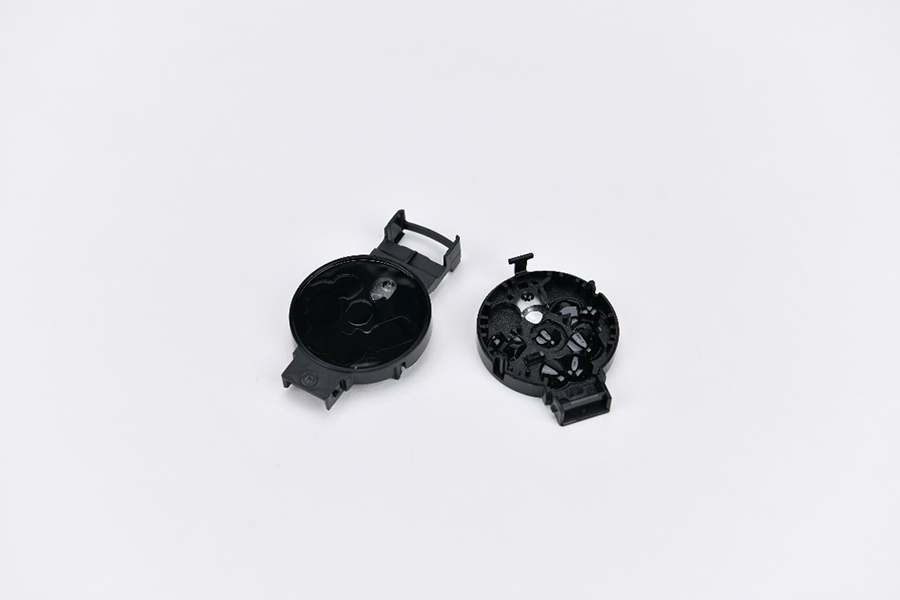
3K Sensor
Japan's Medical Device Component Landscape
Japan stands as one of the most advanced healthcare markets globally, driven by a super-aging demographic and a continuous demand for sophisticated medical devices. The country's medical device component factories and manufacturers operate under a highly regulated framework supervised by the Pharmaceuticals and Medical Devices Agency (PMDA). This demanding regulatory landscape requires local and international suppliers to maintain exceptional levels of quality control, traceability, and engineering precision.
Industrial hubs in regions like Tokyo, Osaka, and Kanagawa are renowned for their concentration of high-tech manufacturing. These clusters foster close collaboration between academic researchers, medical professionals, and manufacturing engineers. Today, the Japanese medical component sector is shifting rapidly toward micro-manufacturing, biocompatible materials, and smart manufacturing systems to produce the next generation of minimally invasive surgical tools, diagnostic equipment, and wearable health monitoring devices.
Core Competences
Hongrita's core competences form the foundation of the competitive edge in the plastic and medical component industry:
- Technology Excellence
- LSR (Liquid Silicone Rubber) Molding
- Multi-Component Molding
- ISBM (Injection Stretch-Blow Molding)
- High Performance Tooling Solutions
- Smart Manufacturing
Advanced Molding Technologies for Medical Applications
How our core competences in material science and engineering support the strict requirements of medical component manufacturing.
Multi-Component Injection Molding
Combining different polymers or materials in a single, automated cycle to create integrated, multi-functional medical components without assembly lines.
Read MoreMulti-Cavitation Mold
High-efficiency, high-volume tooling solutions designed to maintain micron-level consistency across dozens of cavities, optimizing production costs.
Read MoreLSR Injection Molding
Specialized liquid silicone rubber molding in ISO cleanrooms, ensuring biocompatibility, high chemical resistance, and flexibility for implants and seals.
Read MorePrecision Injection Molding & Equipment
State-of-the-art electric injection molding machinery coupled with real-time process monitoring to secure zero-defect manufacturing.
Read MoreHongrita's core competences in ISBM, LSR molding, multi-component molding, tooling, and smart manufacturing collectively strengthen its position as a leading provider of precision plastic components and products. These competences allow Hongrita to deliver innovative and tailor-made solutions to diverse industries, including medical, healthcare, automotive, and rigid packaging, while continuously pursuing technological excellence and sustainable business management practices.
Key Trends & Localized Applications in Japan
The convergence of micro-electronics, biocompatible materials, and robotic surgery is reshaping the requirements for medical components.
1. Endoscopy & Minimally Invasive Surgery
Japan is a global leader in optical medical devices. Micro-molded components, multi-lumen tubes, and ultra-thin silicone sleeves are essential for flexible endoscopes and robotic surgical instruments, requiring extreme precision and biocompatibility.
2. Wearable Health Trackers & Sensors
As Japan promotes home healthcare, wearable diagnostic patches and continuous glucose monitors require soft-touch, non-allergenic LSR components integrated with smart electronics via advanced 2K/3K molding processes.
3. Microfluidic Diagnostic Chips
Point-of-care testing (POCT) cartridges and lab-on-a-chip assemblies demand precise micro-channels to transport biological fluids. Manufacturing these components requires optical-grade polymers and specialized mold surface finishes.
To address these trends, leading manufacturers in Japan are partnering with global molding specialists who can bridge the gap between cleanroom production and high-volume output. By utilizing automated production systems and inline quality inspections, factories can achieve the zero-parts-per-million (PPM) defect rate required by the Japanese medical device industry.
Laboratory & Testing Facilities
Ensuring absolute compliance with ISO 13485 and global medical standards through rigorous material, physical, and environmental testing.
-
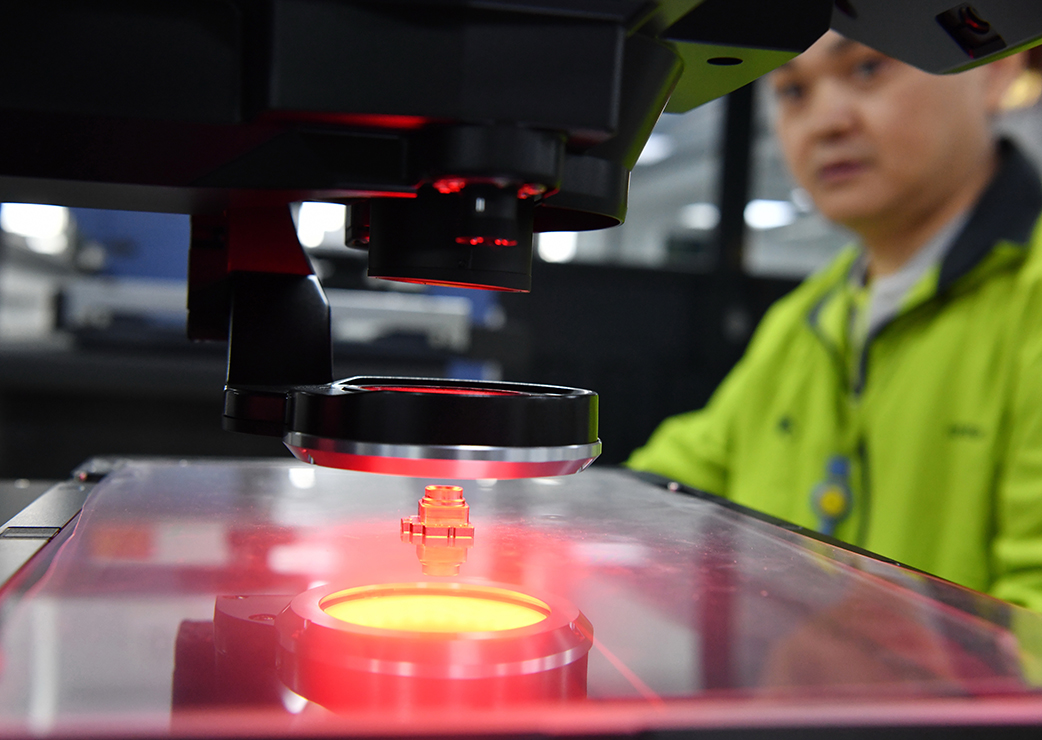
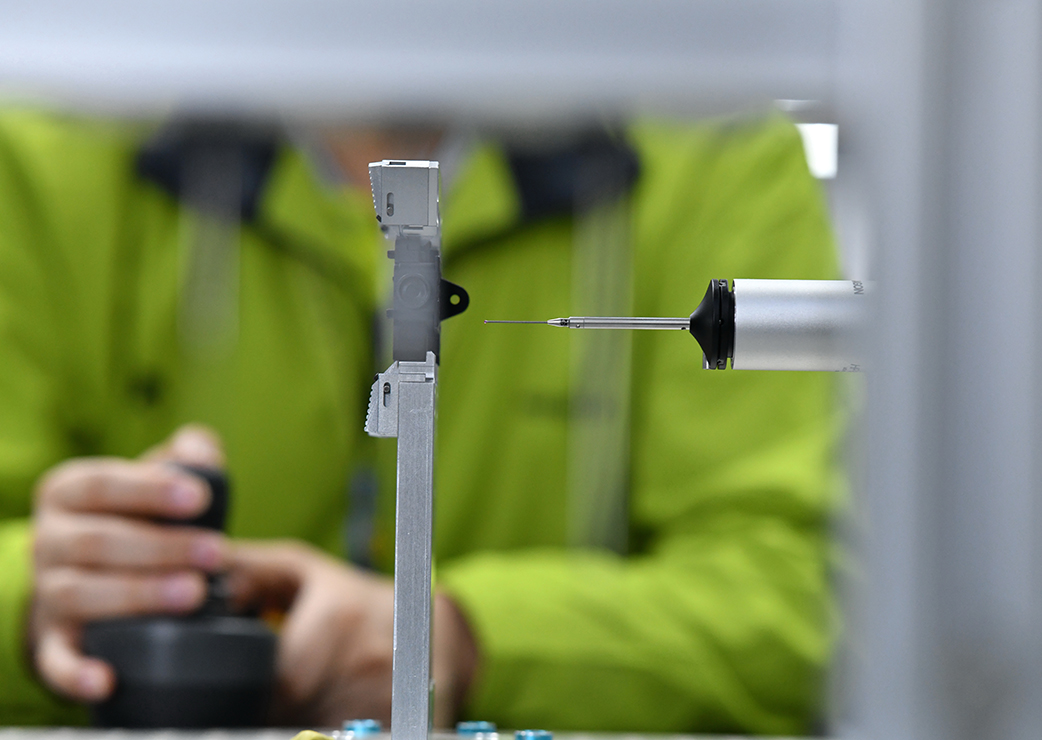
Optical Measurements
- High-precision measurement
- Non-contact measurement
- Production efficiency improvement
- Quality control and improvement
- Research and innovation in new materials
-
Physical Measurements
-
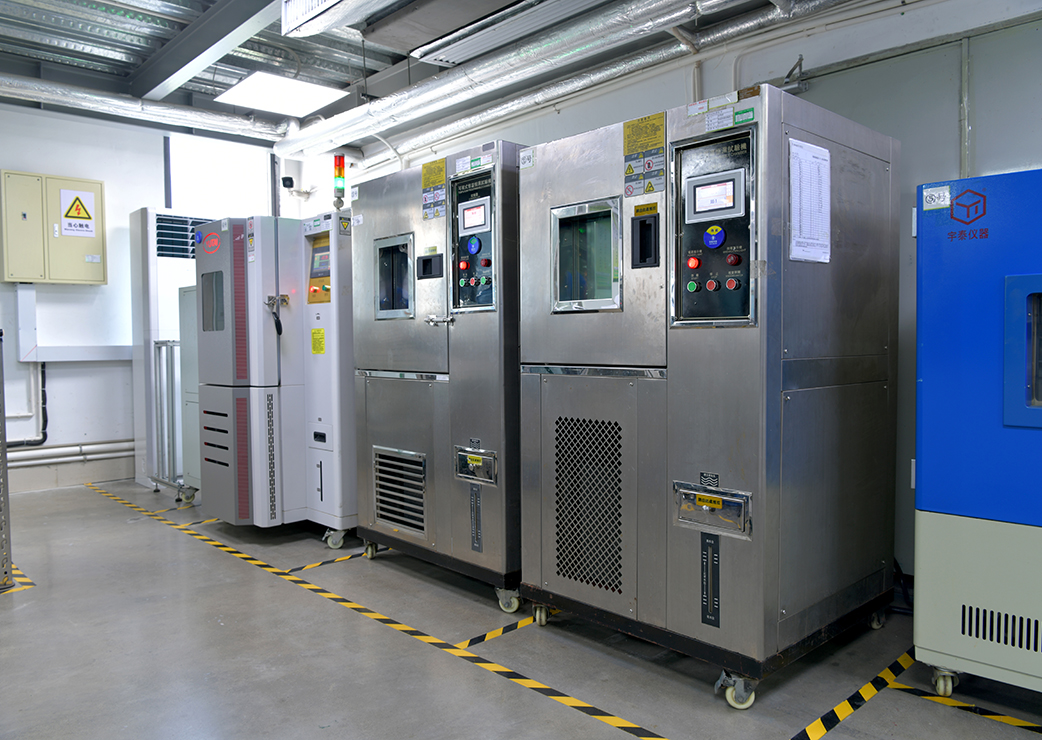
Environmental Testing
-
Reliability Testing
-
Baby Care Product Testing
-
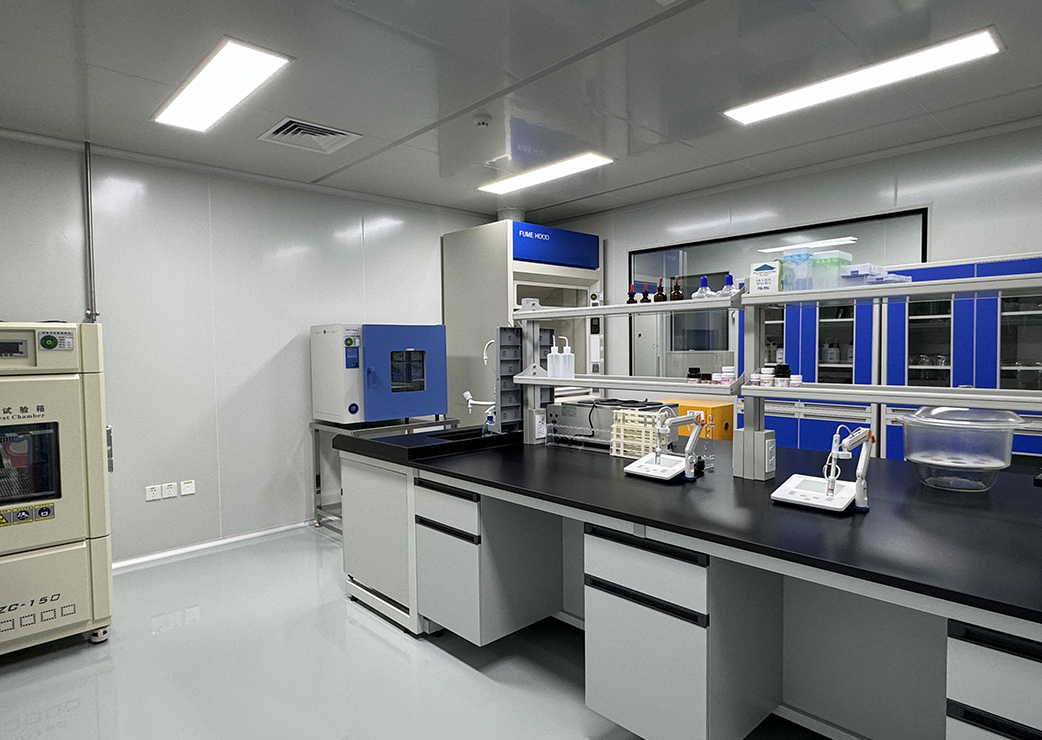
Microbiological Laboratory
-
Physical and Chemical Laboratory


Smart Manufacturing & AI Decision-Making
Integrating digital intelligence platforms to optimize operational efficiency and maintain zero-defect standards.
High Performance Mold & Smart Manufacturing
Combining advanced mold design concepts with smart sensor networks to predict mold maintenance cycles and prevent production downtime.
Read MorePrecision Injection Molding Workshop
Fully automated workshops utilizing robotic arms and central material feeding systems to maintain high-efficiency cleanroom operations.
Read MoreDigital Management
Utilizing MES and ERP systems to achieve real-time process monitoring, end-to-end component traceability, and data-driven decision making.
Read MoreThe application of smart systems has enabled Hongrita to achieve better production automation, digital management, and AI decision-making, thereby enhancing the factory's level of intelligence, optimizing enterprise operational efficiency, and quality management, and strengthening the company's competitiveness in the industry.
Full Product Portfolio
Discover our comprehensive range of high-precision molded components, assemblies, and custom industrial solutions.
Customized New Energy Electric Vehicle Fuse Plastic Parts
Upper Housing FGL 2K - Premium craftsmanship and materials to enhance door texture and security
High-quality 2k drawer mounting clips: stable and durable, suitable for various storage scenarios
3K Sensor
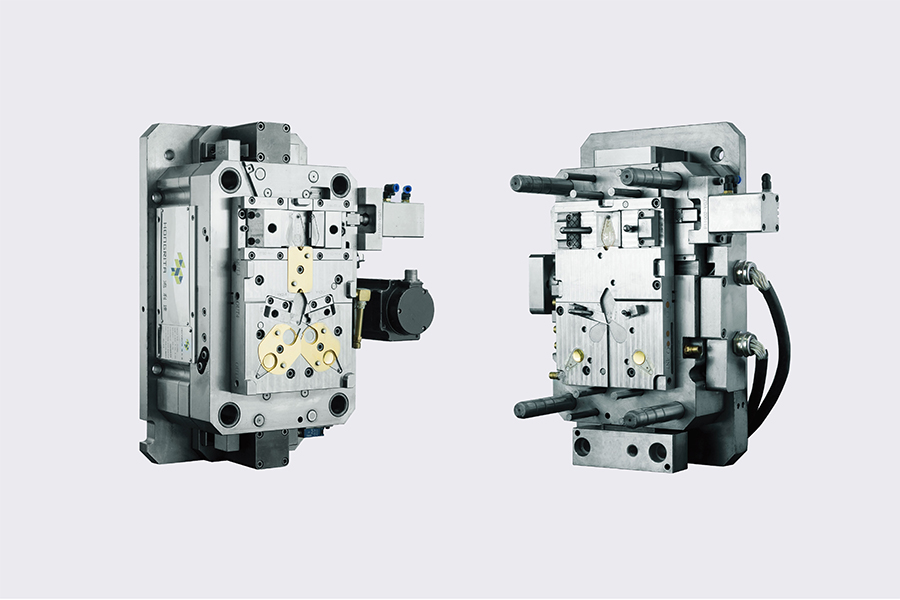
3-Component Magnifier- molded in one assembly, ideal for reading and appreciating artifacts
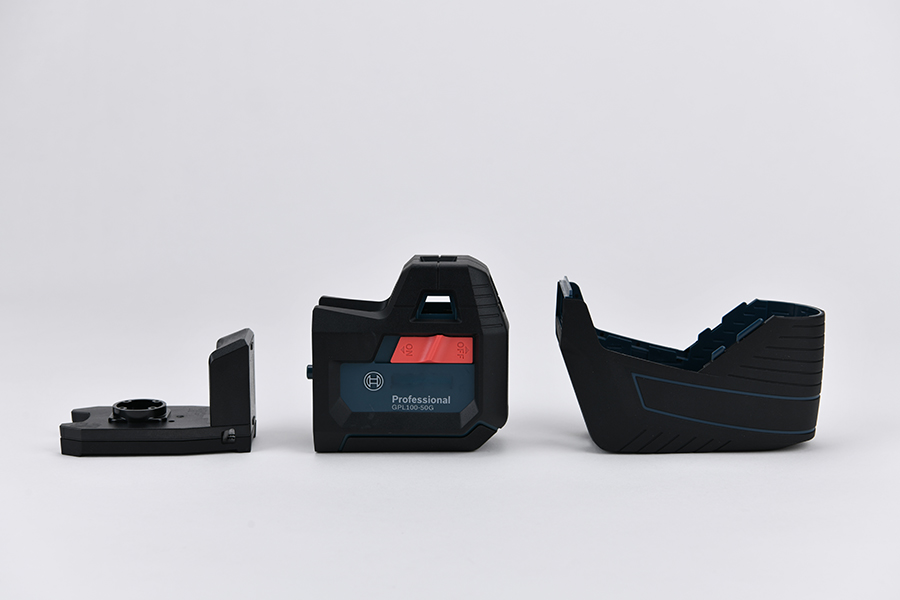
Industrial-grade2k stent gauge - accurate and stable, suitable for all kinds of complex environmental measurement tasks
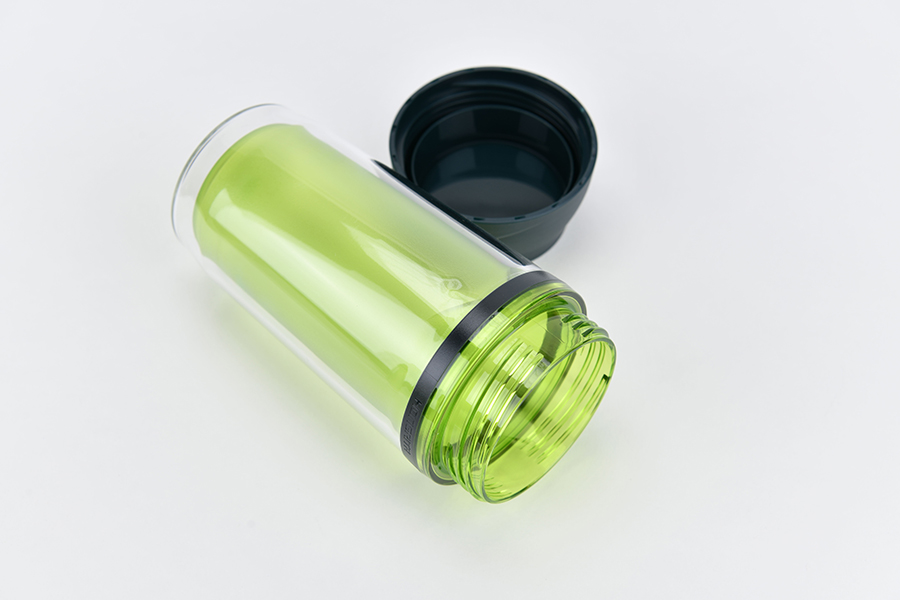
Healthy 3-component Insulated Cup- The Best Choice for Stylish Travel and Business Offices