


The Strategic Rise of Medical Device Component Manufacturing in Egypt
Egypt is rapidly emerging as the premier industrial powerhouse of the Middle East and North Africa (MENA) region. With a population exceeding 100 million and a strategic geographic location bridging Africa, Asia, and Europe, the country has prioritized the localization of high-tech medical manufacturing. Under the national development blueprint, Egypt Vision 2030, the government is actively incentivizing local medical device components factories and international manufacturers to establish robust supply chains within its borders.
Historically reliant on imported medical products, Egypt's healthcare sector is undergoing a paradigm shift. Today, local medical device components manufacturers are expanding their capabilities to produce high-precision parts, sterile plastic packaging, diagnostic equipment housings, and fluid management systems. This transition is supported by world-class infrastructure in specialized zones like the Suez Canal Economic Zone (SCZONE) and the industrial cities of 6th of October and 10th of Ramadan, which offer streamlined logistics and duty-free access to international markets.
Featured High-Precision Components
Explore our core engineering capabilities, serving various sectors from medical devices to electric vehicles and consumer intelligence.
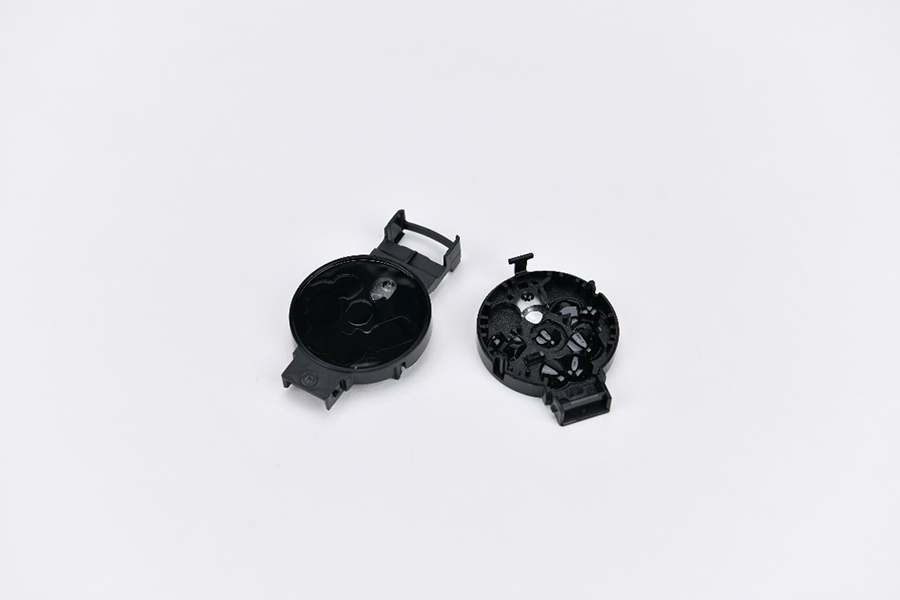
Industrial Trends in Egypt's Medical Device Ecosystem
The demand for medical device components in Egypt is driven by several key industrial trends. First, there is a growing need for local manufacturing of disposable medical supplies and diagnostic equipment. With the expansion of the Universal Health Insurance system across Egypt, hospitals and clinics require a steady, cost-effective, and sterile supply of components such as syringe plungers, IV set connectors, and respiratory therapy masks.
Second, the integration of Liquid Silicone Rubber (LSR) and thermoplastic elastomers (TPE) is revolutionizing device design. LSR is widely preferred for its biocompatibility, chemical resistance, and flexibility, making it ideal for seals, valves, and patient-contact interfaces. As Egyptian medical device factories upgrade their production lines, partnering with a manufacturer capable of high-precision LSR tooling and cleanroom injection molding becomes a strategic advantage.
Precision Tooling
Advanced mold design and fabrication utilizing high-speed CNC machining to guarantee micron-level tolerances for medical components.
LSR Technology
Liquid Silicone Rubber injection molding in certified cleanrooms, ensuring biocompatible, flash-free, and highly durable medical parts.
AI-Driven Quality
Integrating digital intelligence and optical sorting systems to maintain zero-defect standards for critical life-support device parts.
Furthermore, the localized application scenarios in Egypt extend beyond standard clinical settings. Egypt acts as a gateway to the wider African continent through regional trade agreements like COMESA. Medical device components manufactured or assembled in Egypt can be rapidly distributed to sub-Saharan Africa, addressing critical healthcare challenges such as infectious disease management, maternal care, and mobile diagnostics. Consequently, factories must adhere to international quality benchmarks to ensure their products are accepted globally.
Global Expertise, Local Impact: Our Manufacturing Footprint
Hongrita operates state-of-the-art facilities across strategic global hubs, supplying precision components to medical device manufacturers in Egypt and worldwide.
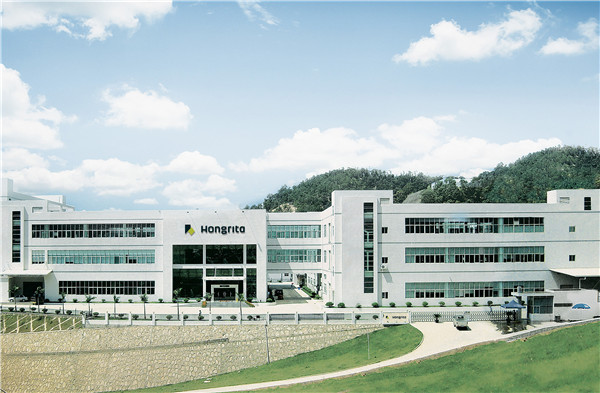
Shenzhen
Focusing on the 3C and intelligent technology components business, overseas commercial mold business, and in-house use molds.
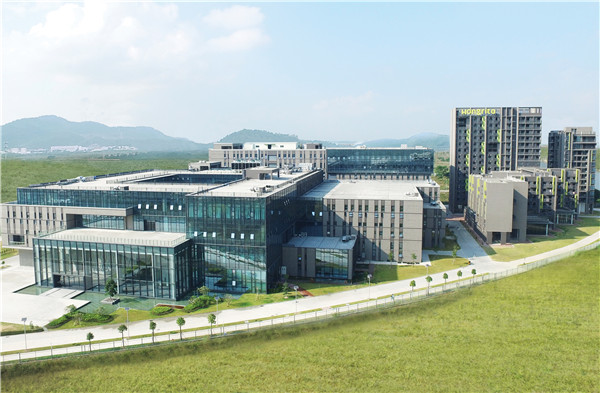
Zhongshan
Serving as Hongrita's hub for innovation R&D, engineering, major projects and production; and the proving grounds of change management, new technology applications and intelligent manufacturing.
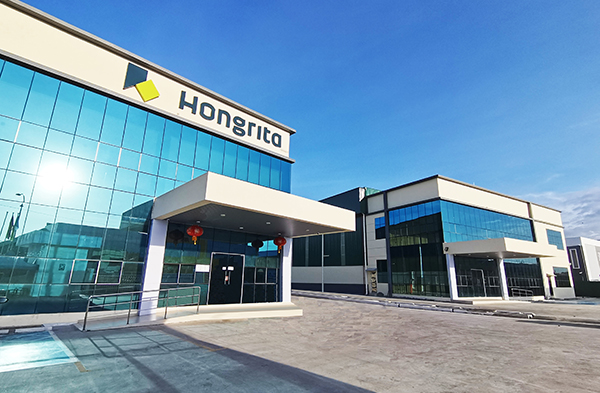
Penang
Developing tooling and molding business in Southeast Asia; and serving as proving grounds of Hongrita's global expansion plan and training base for the overseas team.

Qualifications & Certifications
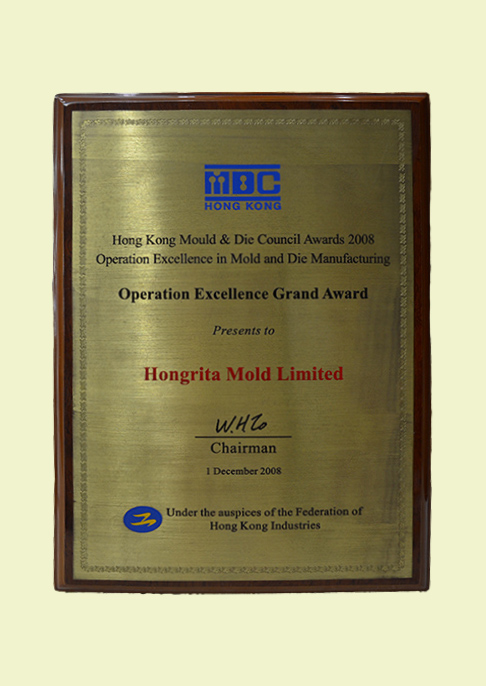
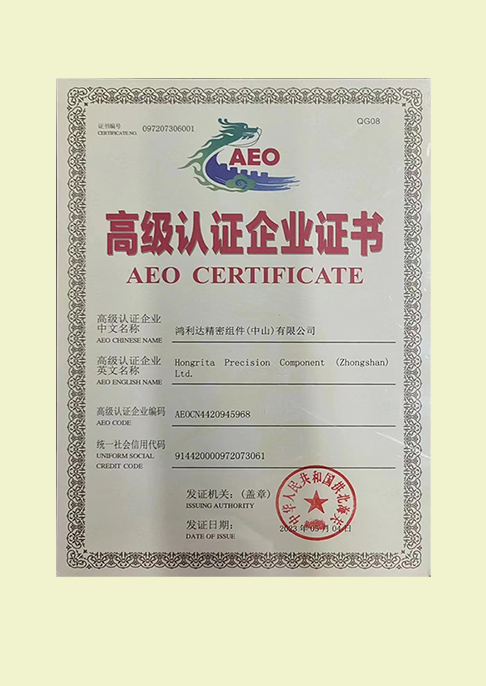
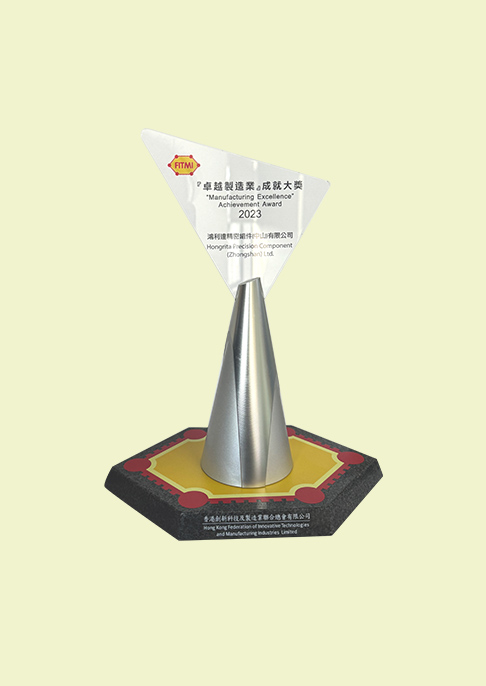
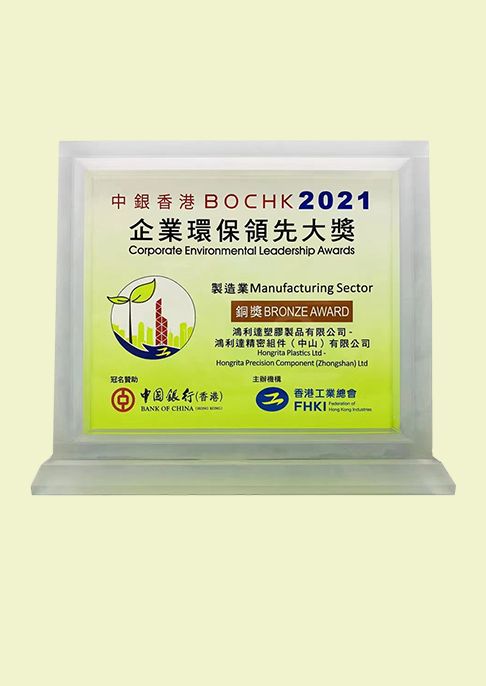
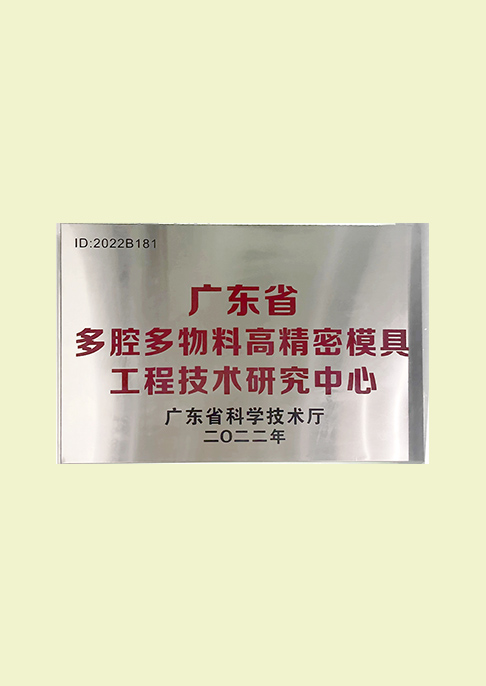
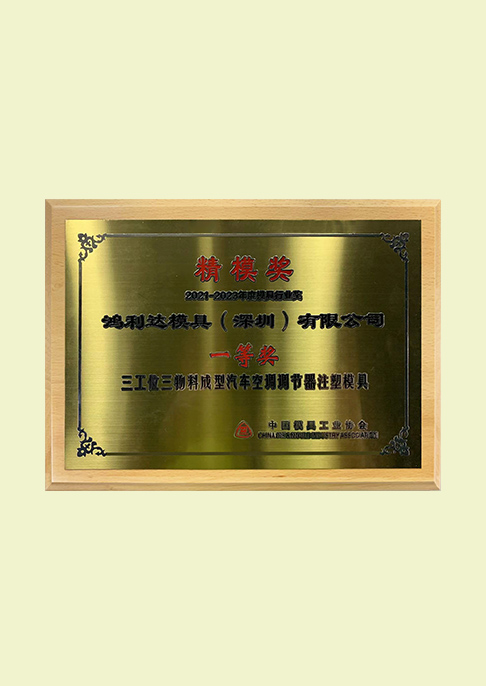
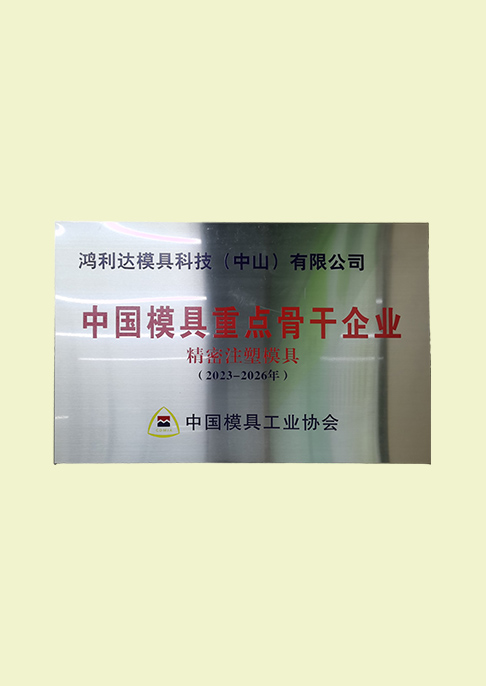
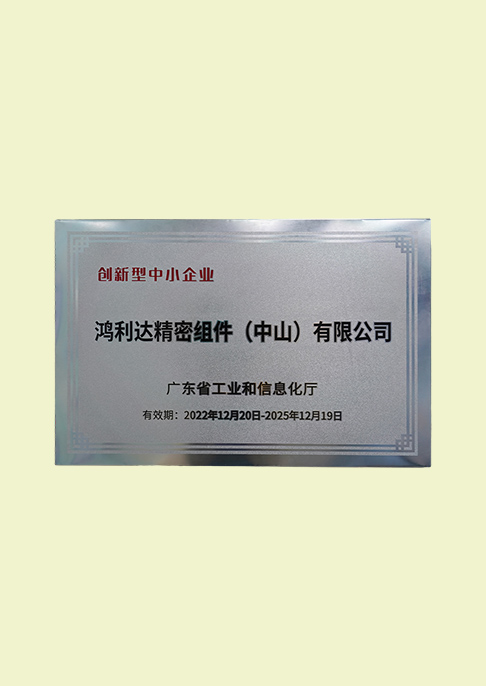
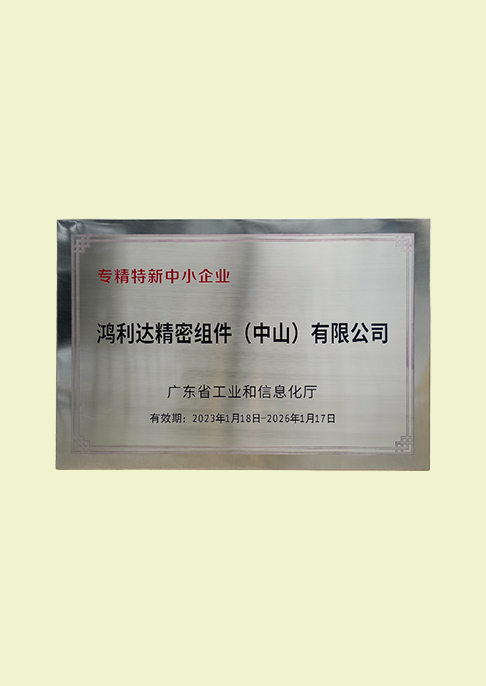
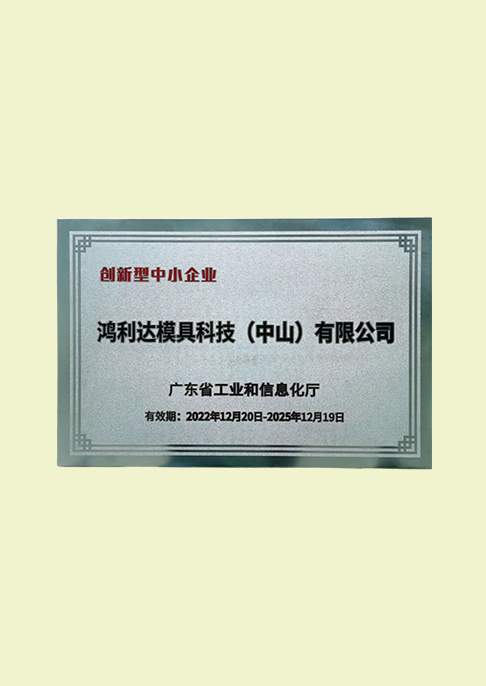
For medical device components factories supplying the Egyptian and global markets, regulatory compliance is the cornerstone of trust. Hongrita has been certified with ISO14001, ISO9001, IATF16949, ISO13485, ISO45001, ISO/IEC27001, ISCC PLUS and is FDA registered. These certifications guarantee that every medical mold and component we manufacture meets the highest standards of safety, quality, and cleanroom traceabilty.









Our Story
From a humble mold workshop to a global leader in multi-component and LSR molding technologies.

1988 - The Genesis of Precision
After completing the apprentice program, Mr. Felix Choi, the founder of Hongrita, borrowed money and invested in the first milling machine in June 1988. He rented a corner in a friend's factory and established Hongrita Mould Engineering Company, specializing in mold and hardware parts processing. Mr. Choi’s humble, diligent, and progressive entrepreneurial spirit attracted a group of like-minded partners. With the collaborative efforts of the core team and their excellent skills, the company focused on the design and production of complete molds, establishing a reputation for manufacturing precision plastic molds.

1993 - Technological Breakthroughs
In 1993, riding the wave of national reform and opening up, Hongrita established its first base in Longgang District, Shenzhen, and expanded its business to include plastic moulding and secondary processing. After 10 years of growth, the core team believed that it was necessary to build a unique and differentiated competitive advantage in order to be invincible. In 2003, the company began research and development of multi-material/ multi-component moulding technology and moulding process, and in 2012, Hongrita took the lead in making breakthroughs in liquid silicone rubber (LSR) mould and moulding technology, becoming a benchmark in the industry. By leveraging innovative technologies such as multi-material and LSR, Hongrita has successfully attracted more quality customers by solving customers' product pain points and jointly adding value to development ideas.

2015 to Future - Digital Intelligence & Global Expansion
In order to expand and strengthen its business, Hongrita established operational bases in Cuiheng New District, Zhongshan City and Penang State, Malaysia in 2015 and 2019, and the management initiated an all-round upgrading and transformation in 2018, formulated a medium- and long-term development plan and ESG sustainable development strategy to fully cultivate a win-win culture. Now, Hongrita is moving towards the goal of building a world-class lighthouse factory by upgrading digital intelligence, AI application, OKR and other activities to improve management effectiveness and per capita efficiency.
Management Methodology & Values
Our strategic values guide our operations, ensuring that every medical device component meets rigorous global standards.

Vision
Create better value together. We collaborate closely with medical device developers in Egypt and globally to design cost-effective, high-yield manufacturing solutions.

Mission
Make a product better with innovative, professional and intelligent molding solutions. Elevating the standards of medical components through precision engineering.

Core Value
Passion, Collaboration, Innovation, Professionalism, Advancement, Sustainability. Driving ESG initiatives across all manufacturing plants.
Integrated Management Methodology

Our Comprehensive Product Catalog
Explore our full range of multi-component, LSR, and high-precision molded products engineered for medical, automotive, and industrial applications.
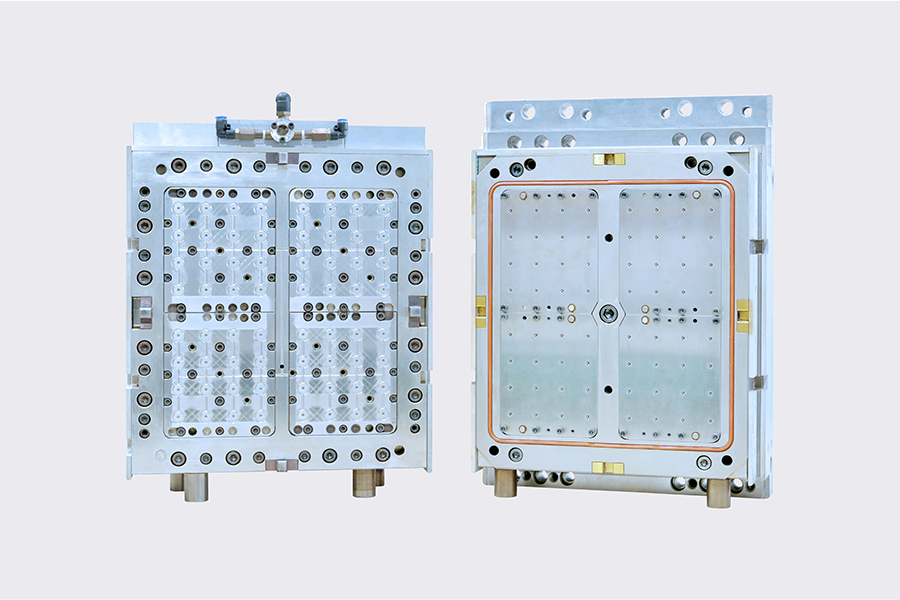
High-quality LSR harness plugs - dustproof and waterproof
View Details →
3K Sensor - High-Accuracy Multi-Material Molded Component
View Details →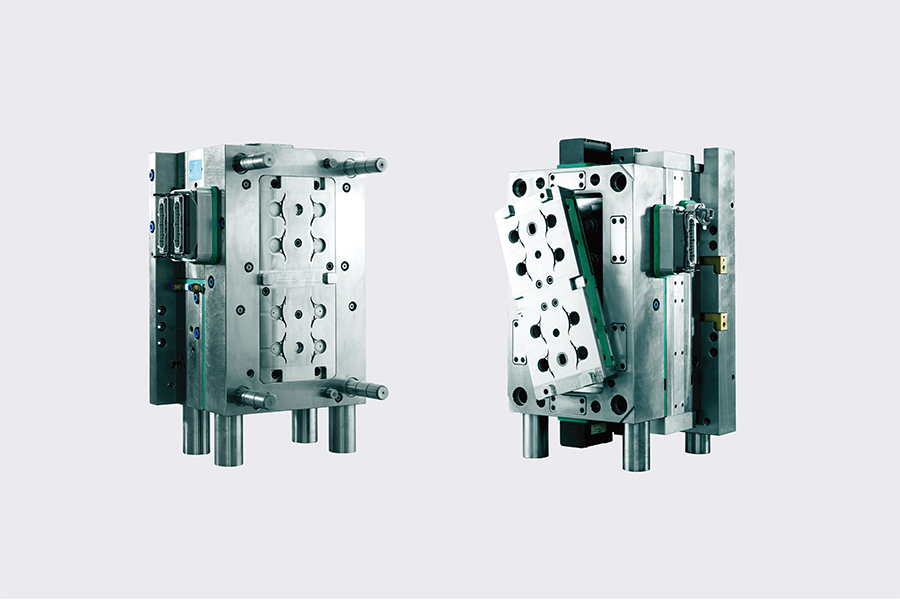
Multi-functional 2K Orange Peeler - Kitchen Utility
View Details →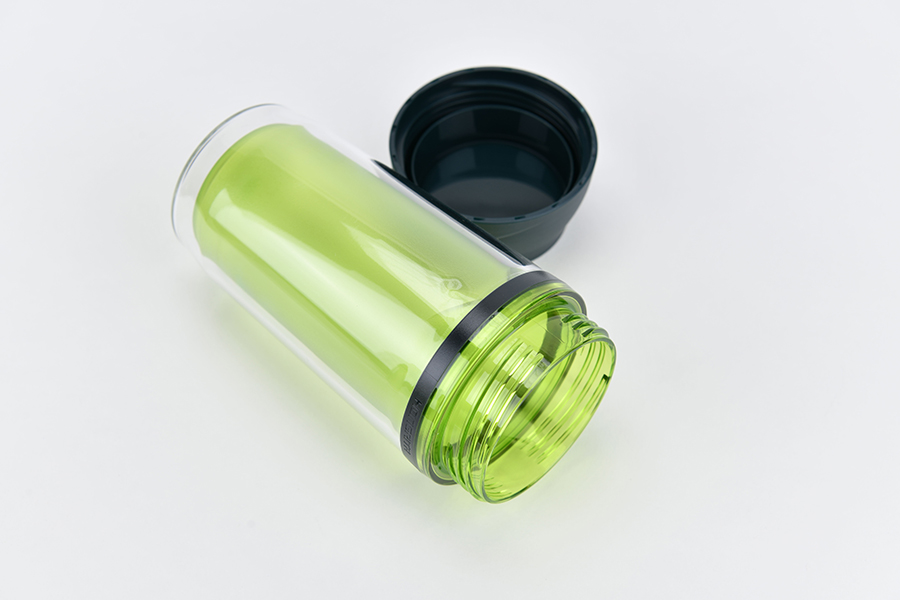
Healthy 3-Component Insulated Cup for Business Offices
View Details →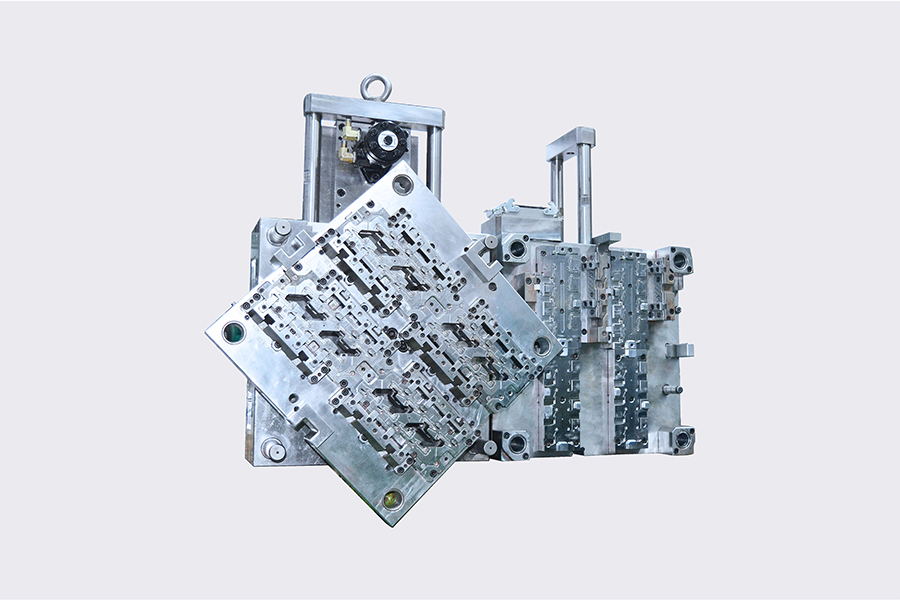
High-quality 2k drawer mounting clips: stable and durable
View Details →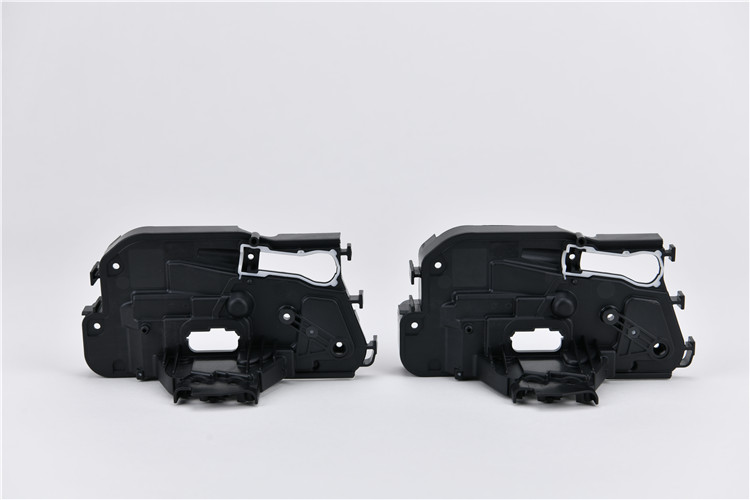
Upper Housing FGL 2K - Premium Craftsmanship
View Details →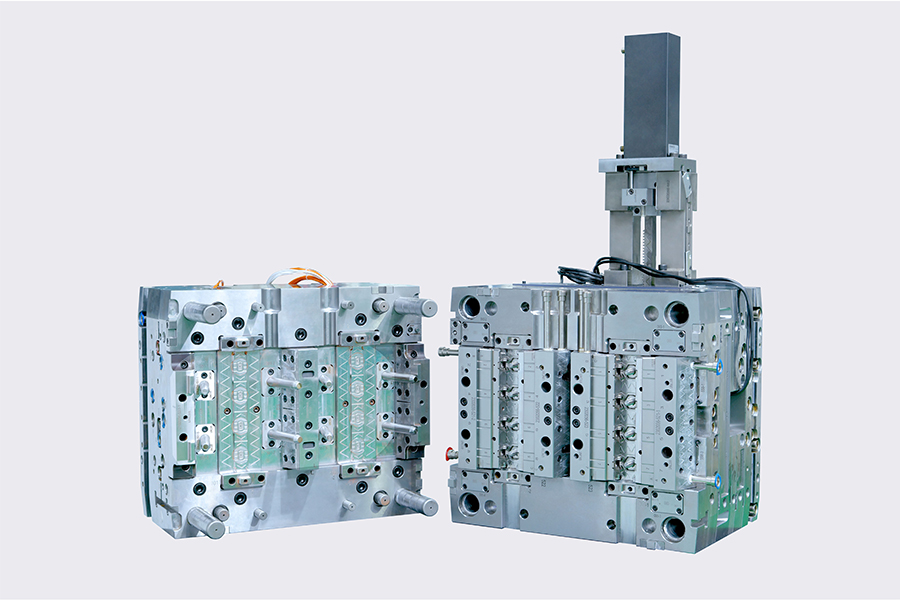
Intelligent Car Door Locks - High Accuracy and Reliable
View Details →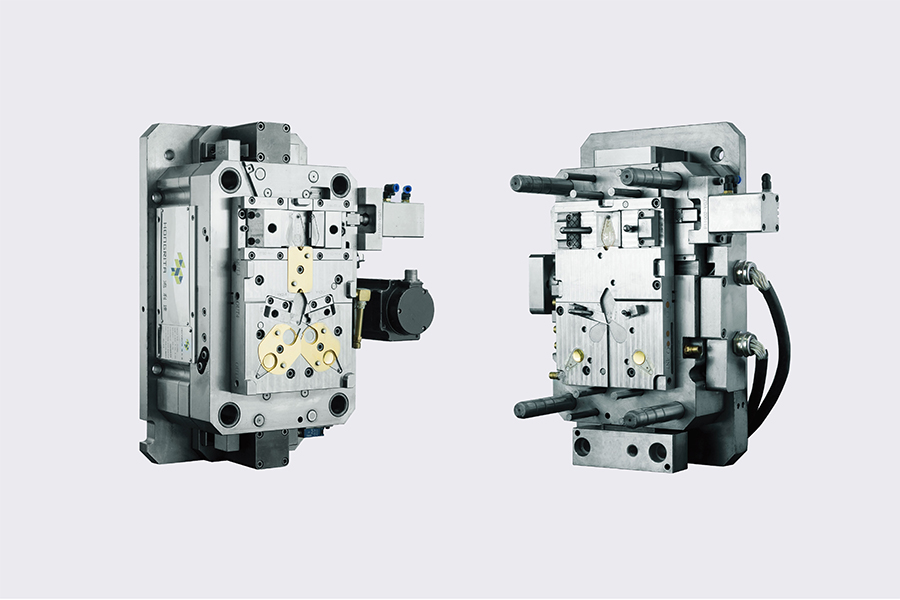
3-Component Magnifier - Molded in One Assembly
View Details →Choosing the Right Medical Device Components Manufacturer in Egypt
When selecting a manufacturing partner for medical components in Egypt, OEMs (Original Equipment Manufacturers) must evaluate several critical factors. First is cleanroom capability. Medical components must be produced in controlled environments (typically Class 7 or Class 8 cleanrooms) to prevent particulate contamination. Second is toolmaking expertise. The longevity and precision of high-cavitation molds directly impact the unit cost and quality consistency of the medical parts.
Hongrita combines decades of precision mold-making experience with advanced multi-component injection molding and LSR technology. Our global footprint, encompassing advanced R&D centers and smart factories, allows us to deliver high-quality tooling and molded parts to medical device factories in Egypt. By integrating digital intelligence and AI-driven quality inspection, we ensure compliance with international standards, helping our partners bring life-saving medical devices to market faster and more efficiently.