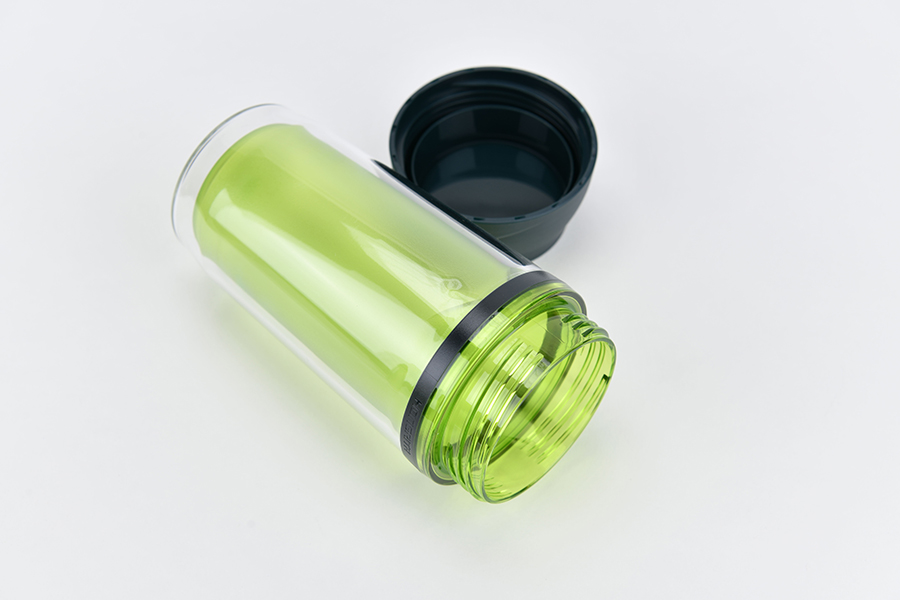
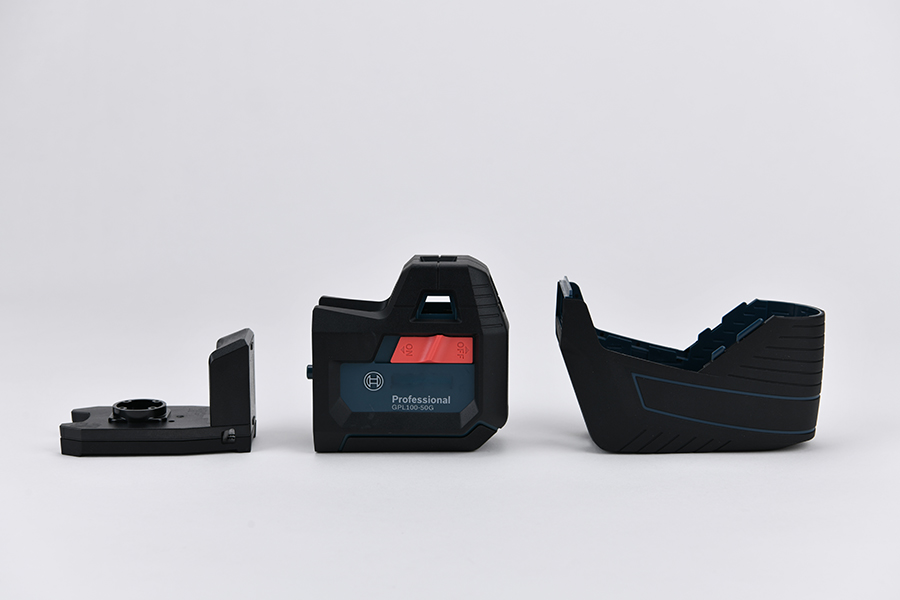
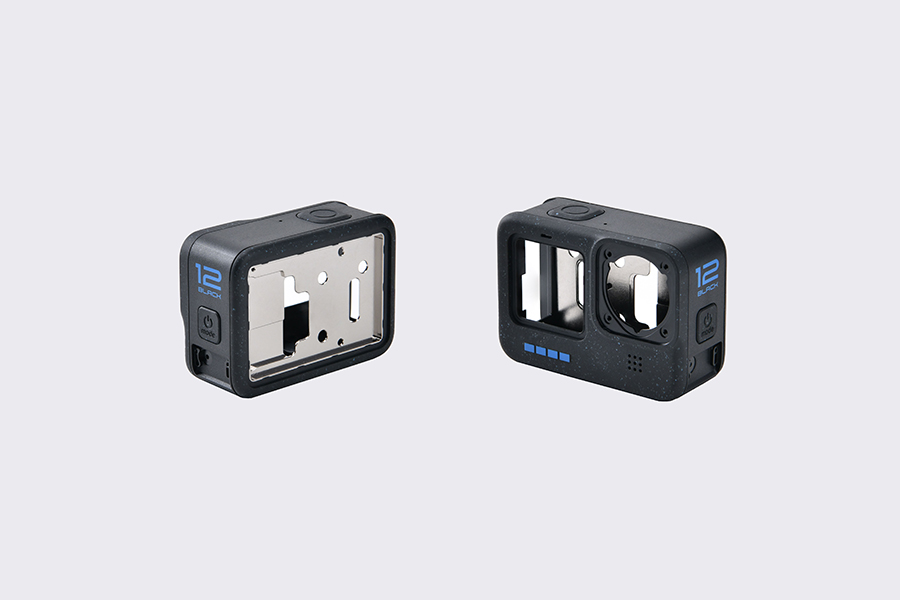
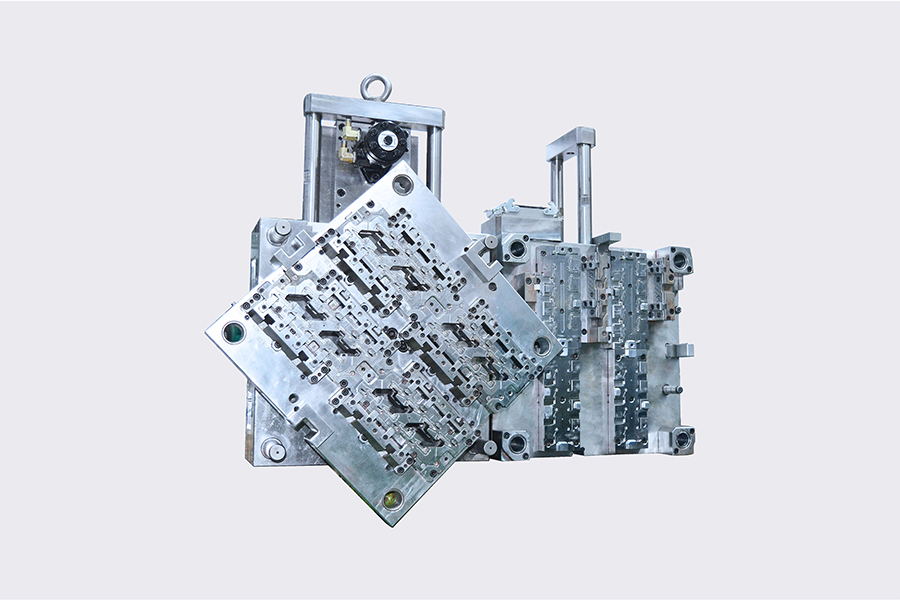
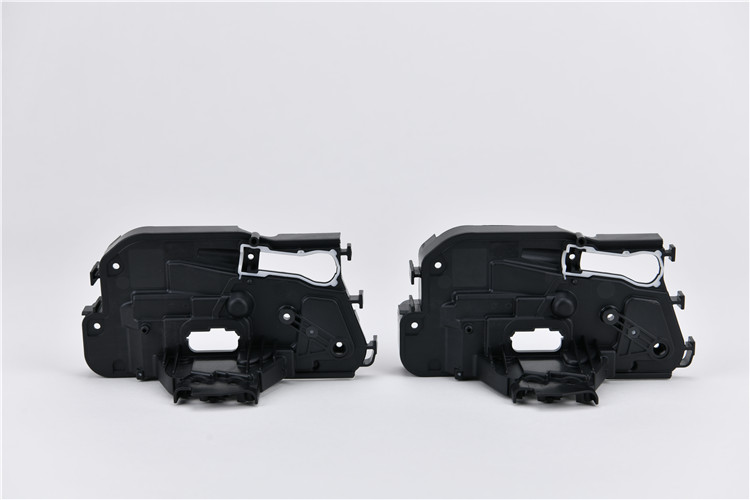
Featured Smart Device Components
The Commercial and Industrial Status of LSR in Consumer Electronics
In the rapidly evolving landscape of consumer electronics and smart devices, the demand for components that offer durability, flexibility, biometric safety, and environmental sealing has reached an all-time high. Liquid Silicone Rubber (LSR) injection molding has emerged as the premier manufacturing technology to address these rigorous requirements. Today’s consumers expect their smartwatches, fitness trackers, wireless earbuds, and virtual reality (VR) headsets to be lightweight, water-resistant, skin-friendly, and capable of enduring daily wear and tear.
Industrially, LSR is replacing traditional elastomers due to its superior thermal stability, chemical resistance, and biocompatibility. The manufacturing sector is witnessing a massive transition toward multi-component injection molding (often referred to as 2K or 3K molding), where LSR is overmolded directly onto rigid thermoplastics or metal substrates. This eliminates the need for manual secondary assembly, reduces manufacturing tolerances, and ensures an IP67 or IP68 ingress protection rating. As smart devices become more compact and complex, the integration of LSR molding has become a critical benchmark for tier-one brands.
Key Development Trends Shaping the LSR Industry
- Micro-Molding and Miniaturization: With smart devices shrinking in size, the demand for micro-LSR parts—such as acoustic diaphragms, connector seals, and micro-valves—is surging. Tooling must now achieve tolerances within the micron range.
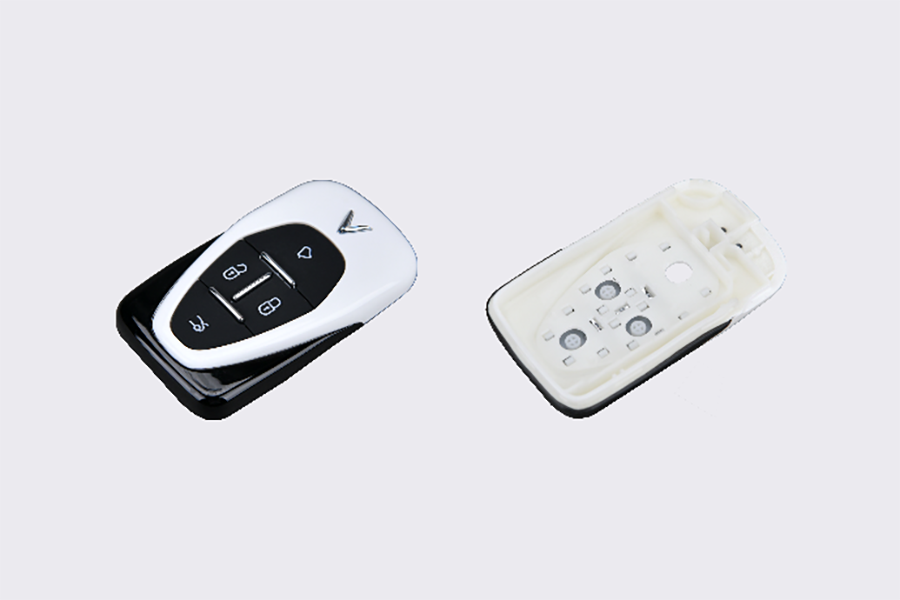
- Multi-Shot (2K/3K) LSR Overmolding: Combining rigid engineering plastics with soft LSR in a single cycle to produce seamless, waterproof interfaces. This is highly utilized in rugged smart cameras, electronic key fobs, and smart home control panels.
- Optical LSR for Smart Optics: The rise of AR/VR headsets and smart automotive displays has driven the adoption of optical-grade Liquid Silicone Rubber. Optical LSR offers high light transmission, UV resistance, and the ability to mold complex micro-lenses without stress marks.
- Sustainability and Flashless Tooling: Modern LSR tooling utilizes cold runner systems to minimize material waste. Advanced valve gate systems ensure flashless molding, drastically reducing secondary trimming operations and matching global green manufacturing initiatives.
Core Competences
Hongrita's core competences form the foundation of our competitive edge in the precision plastic and silicone industry. By integrating advanced tooling design, material science, and automated manufacturing, we deliver high-performance components that satisfy the stringent standards of the consumer electronics and smart device sectors.
Hongrita's core competences in ISBM, LSR molding, multi-component molding, tooling, and smart manufacturing collectively strengthen its position as a leading provider of precision plastic components and products. These competences allow Hongrita to deliver innovative and tailor-made solutions to diverse industries, including medical, healthcare, automotive, and rigid packaging, while continuously pursuing technological excellence and sustainable business management practices.
- Technology Excellence
- LSR Molding
- Multi-Component Molding
- ISBM Solutions
- High Performance Tooling
- Smart Manufacturing
Advanced Molding Capabilities
Explore our specialized services designed to take your smart device concept from high-precision mold design to mass scale automated production.
Deep Application Scenarios of LSR in Smart Devices
Liquid Silicone Rubber is not just a sealing material; it is a design enabler for engineers working on next-generation consumer gadgets. Below are detailed design scenarios where LSR plays a pivotal role.
1. Wearables & Smartwatches: Skin-Contact Safety and Durability
Smartwatches and fitness trackers are worn continuously, exposing them to sweat, cosmetic creams, UV radiation, and temperature fluctuations. LSR stands out here due to its hypoallergenic and biocompatible properties, which prevent skin irritation. Furthermore, multi-component injection molding allows the watch band or internal structural chassis to be overmolded directly onto the metal or plastic housing of the watch sensor. This creates a hermetic seal that protects delicate electronics during swimming, diving, or showering.
2. Acoustic Components: Micro-Seals and Acoustic Diaphragms
In True Wireless Stereo (TWS) earbuds and smart home speakers, maintaining acoustic performance while ensuring water resistance is a major engineering challenge. Liquid Silicone Rubber is used to mold ultra-thin diaphragms and micro-speaker rings. The low modulus and high elasticity of LSR allow it to act as a dampening cushion, optimizing sound quality by reducing distortion. Simultaneously, LSR gaskets seal the acoustic cavity against moisture and dust without compromising the high-fidelity sound output.
3. AR/VR/XR Headsets: Ergonomics, Comfort, and Light-Shielding
Virtual and Augmented Reality headsets require a comfortable interface where the device meets the user's face. LSR face pads are soft, flexible, and adapt to different facial contours, distributing pressure evenly. Because LSR can be colored and textured easily, designers use it to create light-blocking gaskets that enhance immersion by preventing external light leakage. Its resistance to skin oils and ease of sanitization makes it ideal for shared smart devices in commercial or gaming environments.
4. Rugged Industrial Devices & Smart Home Interfaces
Smart home hubs, smart door locks, and hand-held industrial scanners often face harsh operating conditions. LSR overmolded buttons provide tactile feedback while acting as physical barriers against moisture and dust ingress. By utilizing 2K molding (LSR over polycarbonate or ABS), manufacturers can produce single-piece housings with integrated buttons that do not wear out or tear over millions of cycles, ensuring long-term product reliability and brand trust.
Precision Testing Laboratory
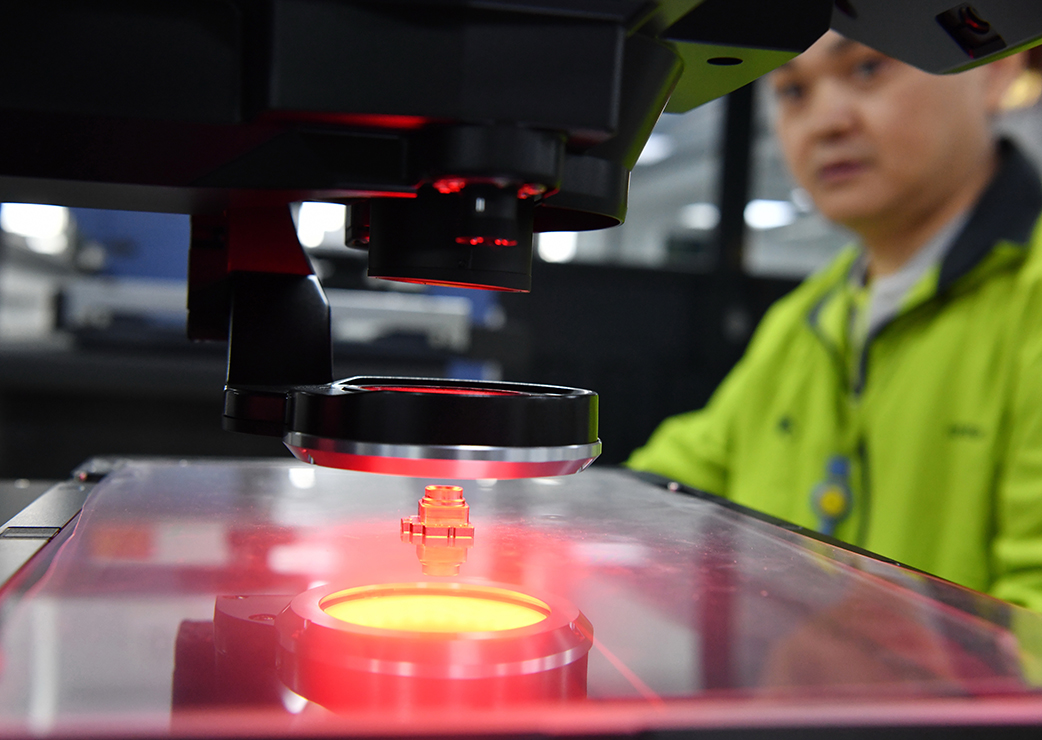
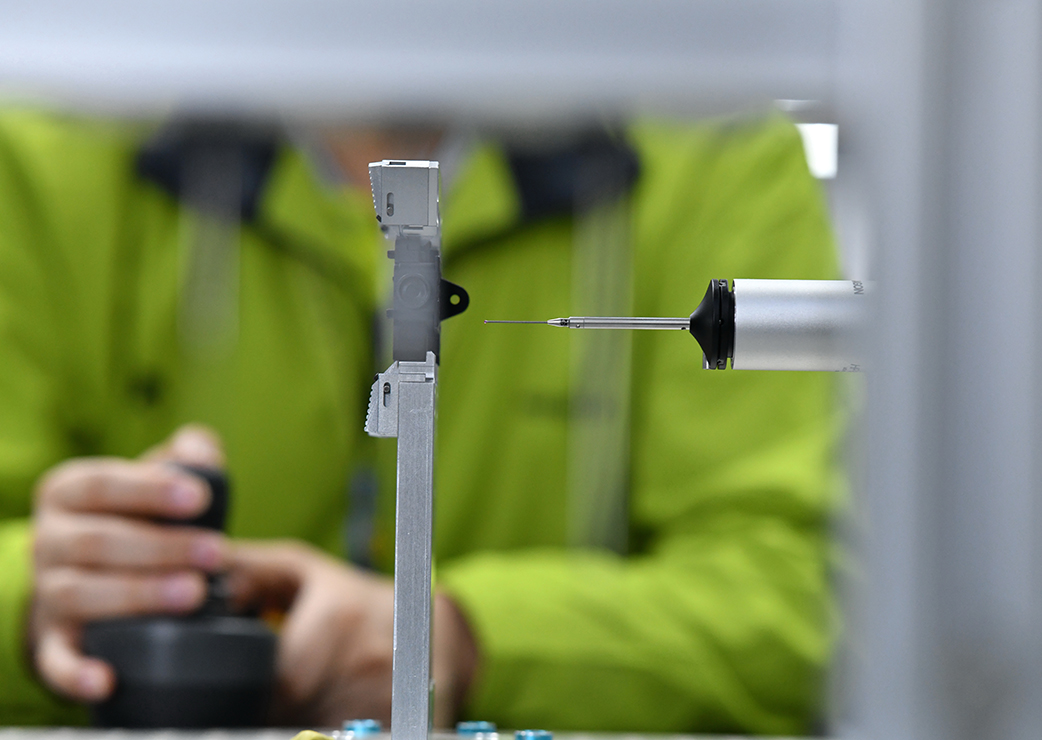
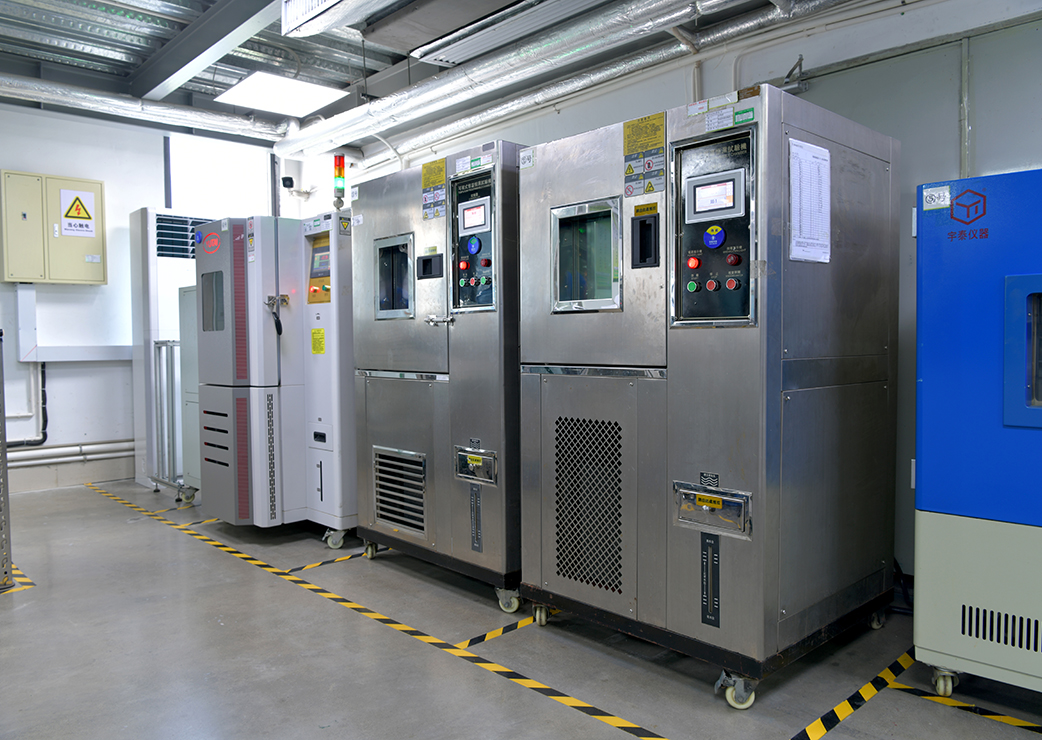
Quality assurance is at the heart of our high-precision manufacturing. Our state-of-the-art laboratory facilities are equipped to conduct rigorous dimensional, physical, and environmental tests to guarantee that every LSR component meets the exact demands of consumer electronics.


Smart Manufacturing & Digital Intelligence
The application of smart systems has enabled Hongrita to achieve better production automation, digital management, and AI decision-making, thereby enhancing the factory's level of intelligence, optimizing enterprise operational efficiency, and quality management, and strengthening the company's competitiveness in the industry.
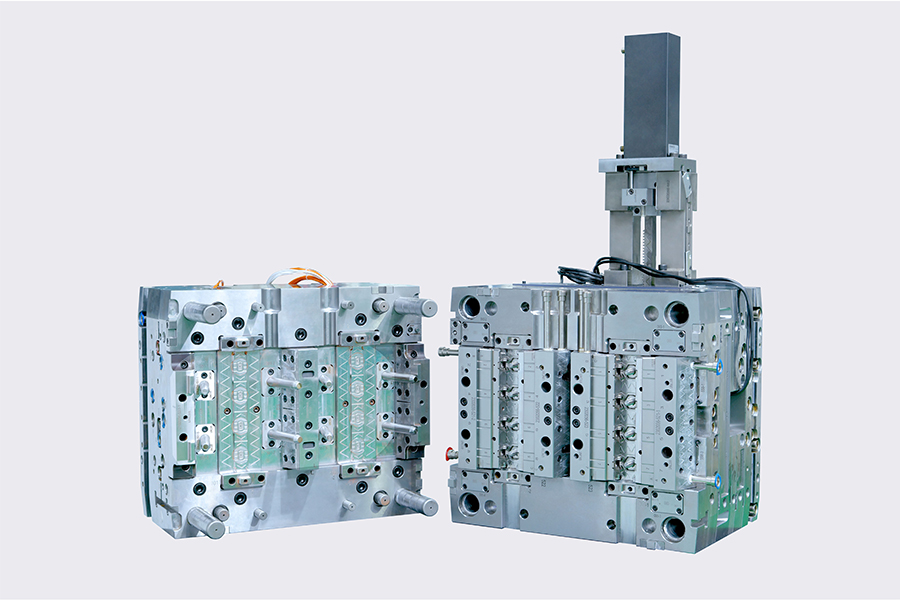
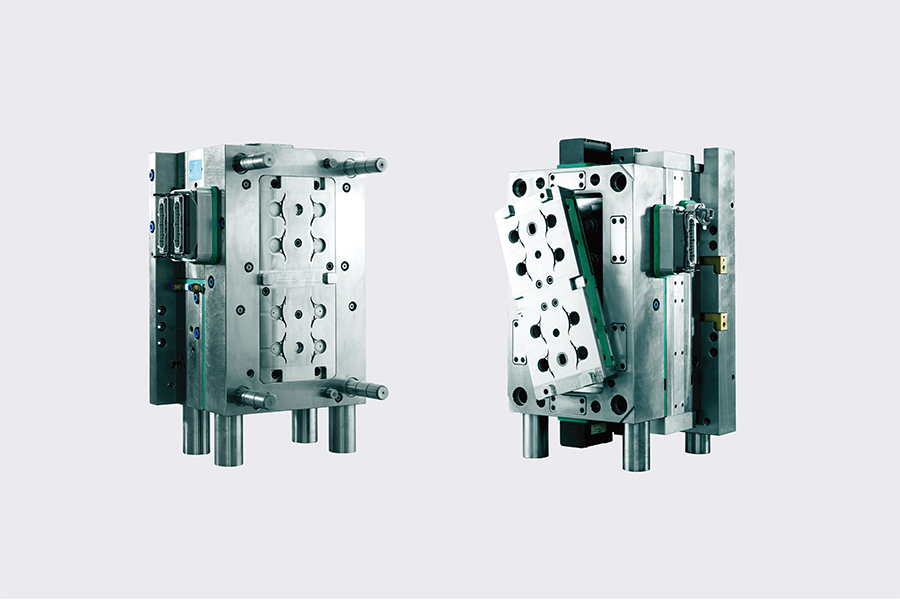
High Performance Mold & Smart Manufacturing
Read MorePrecision Injection Molding Workshop
Read MoreDigital Management Platform
Read MoreEngineering Advantages: Why Choose LSR for Consumer Electronics?
When designing smart electronics, material selection is critical to achieving product longevity and user satisfaction. Liquid Silicone Rubber offers physical and chemical properties that are unmatched by traditional elastomers like TPU or TPE:
- Extreme Thermal Range: LSR retains its flexibility and mechanical properties across temperatures from -50°C to over 200°C. This makes it ideal for fast-charging smart devices and processors that generate significant heat.
- Excellent Compression Set: The material is highly resilient, returning to its original shape even after prolonged compression. This is vital for maintaining waterproof seals over the lifetime of a smart device.
- Biocompatibility: For wearables, LSR is highly compatible with human skin. It is non-toxic, hypoallergenic, and resistant to bacterial growth, which is critical for medical-grade wearables and smart health monitors.
- Design Freedom: LSR flows easily into complex molds, enabling the creation of extremely thin walls, undercuts, and intricate geometries that would be impossible with other plastics or elastomers.
By utilizing advanced tooling technologies such as cold runner valve gates, manufacturers can achieve waste-free production with zero flash, reducing cycles times and unit costs for high-volume consumer electronics.
Our Complete Product Portfolio