Advanced EV Sealing Solutions
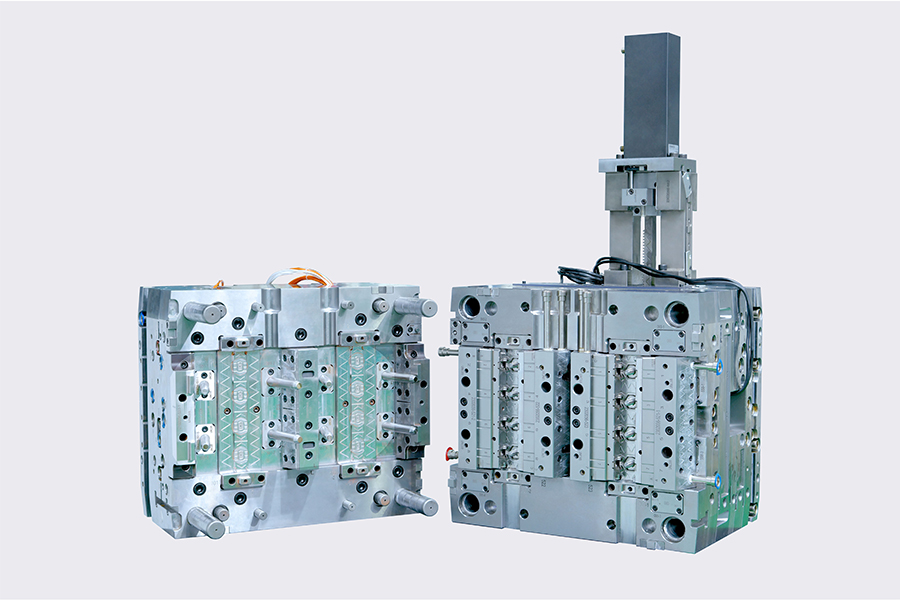
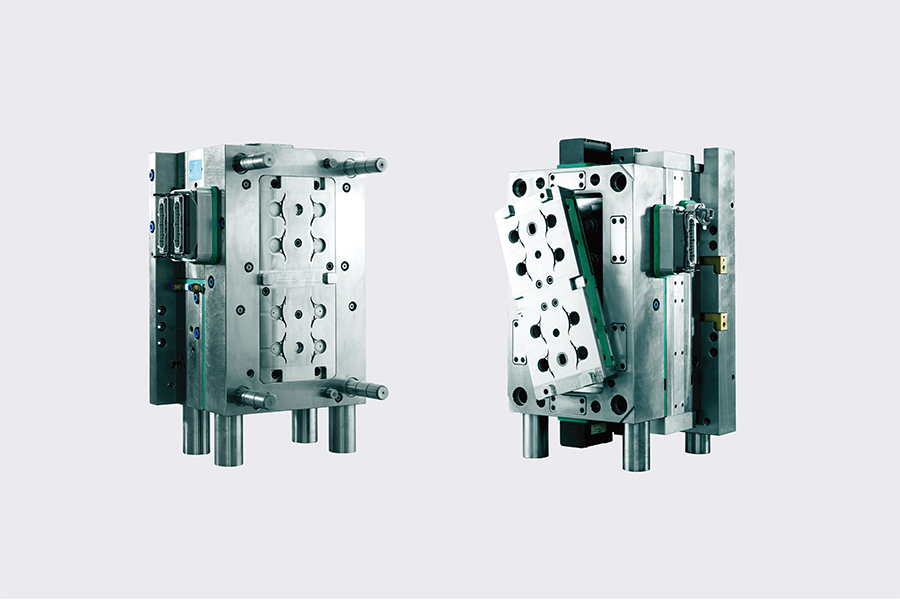
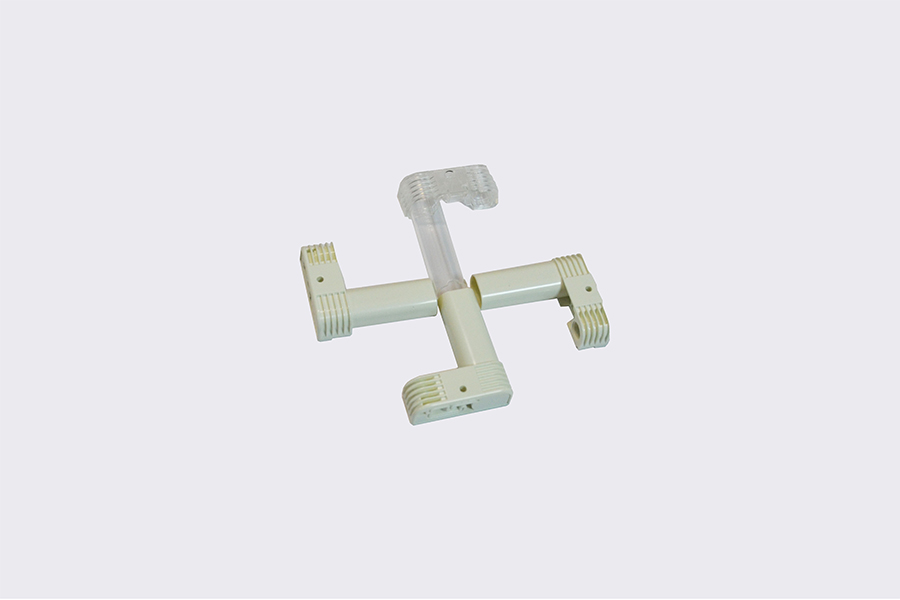
The Revolution of LSR in Electric Vehicles
The global shift toward Electric Vehicles (EVs) has fundamentally changed the requirements for material science in the automotive industry. Liquid Silicone Rubber (LSR) Injection Molding has emerged as the gold standard for sealing and electrical insulation. Unlike internal combustion engines, EVs operate with high-voltage battery packs and sensitive electronic control units (ECUs) that require absolute protection from moisture, dust, and thermal fluctuations.
Market Status
The demand for LSR components in the EV sector is projected to grow by 12% CAGR through 2030. Manufacturers are increasingly moving away from traditional EPDM rubber toward LSR due to its superior aging resistance and ability to be molded into complex, miniature geometries.
Core Competences
Hongrita's core competences form the foundation of the competitive edge at plastic industry:
- Technology Excellence
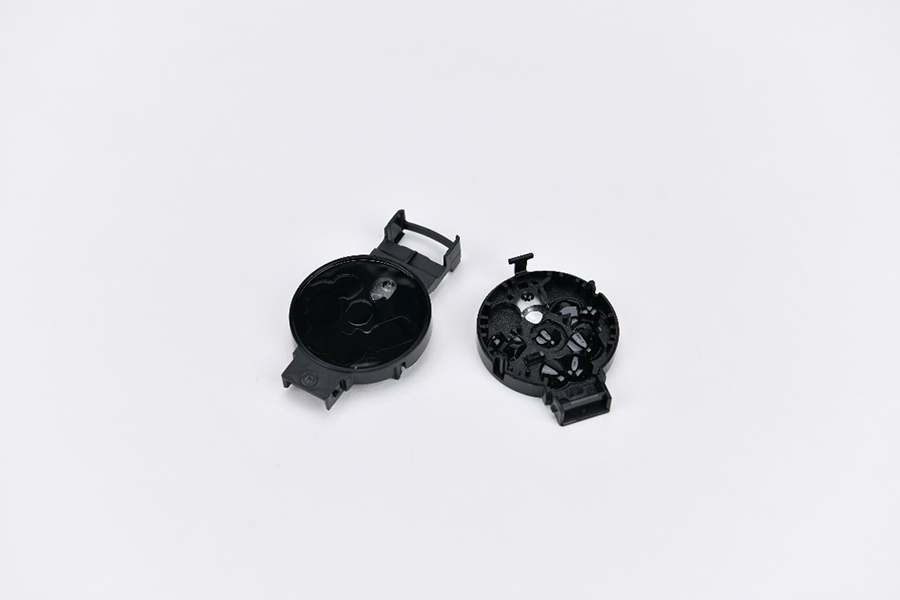
- LSR (Liquid Silicone Rubber) Molding
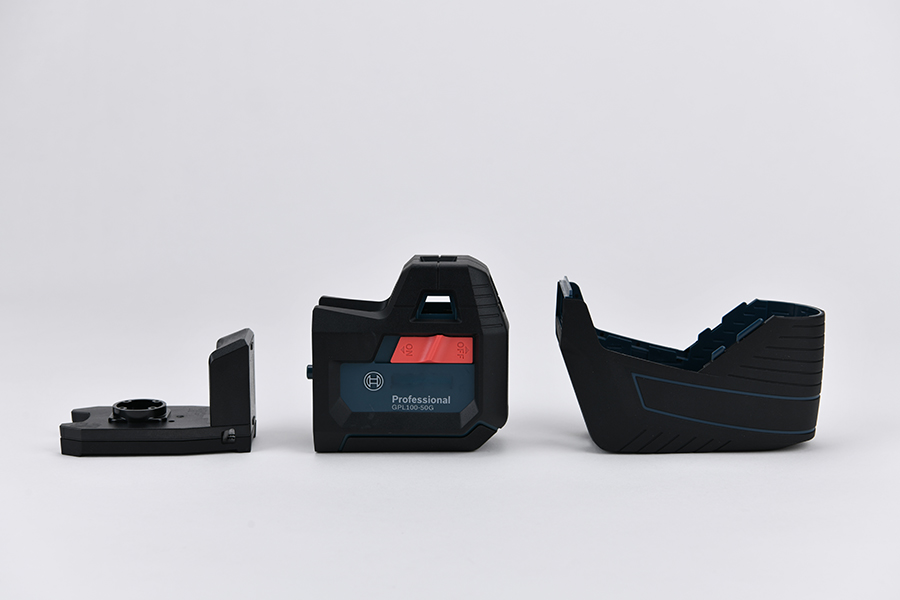
- Multi-Component Molding
- ISBM (Injection Stretch-Blow Molding)
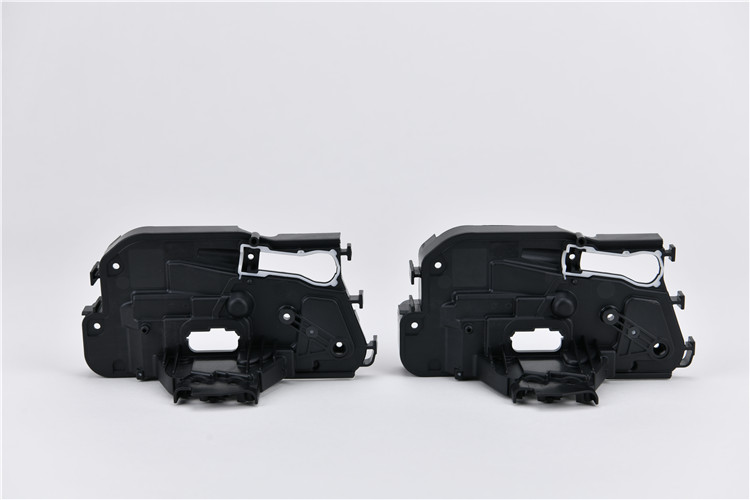
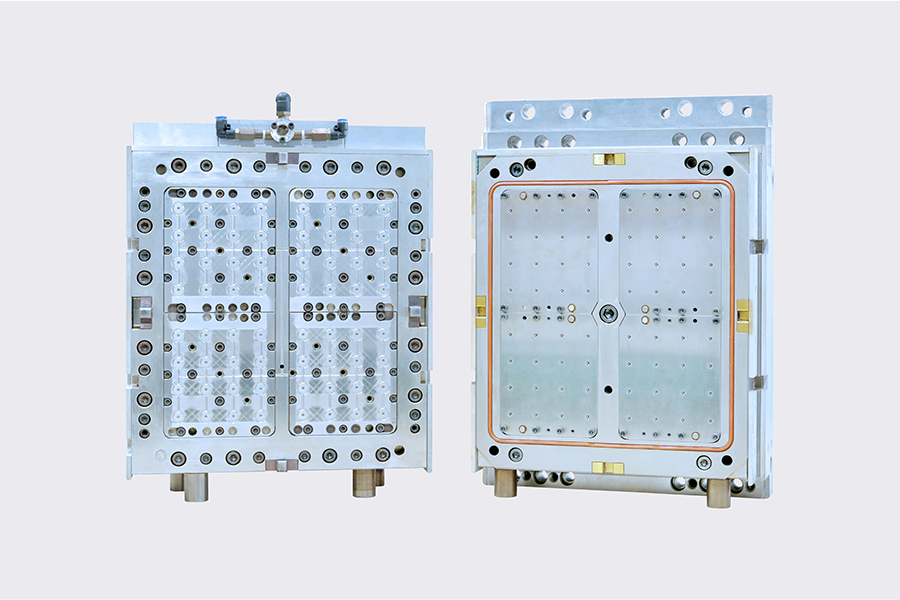
- High Performance Tooling Solutions
- Smart Manufacturing
These competences allow Hongrita to deliver innovative and tailor-made solutions to diverse industries, including medical, healthcare, automotive, and rigid packaging, while continuously pursuing technological excellence and sustainable business management practices.
Advanced Application Scenarios in EV Systems
Battery Management (BMS)
LSR gaskets provide IP67/IP69K sealing for battery housings, ensuring that electrolytes remain contained and external contaminants are excluded, even under extreme vibration.
High-Voltage Connectors
Multi-component molding (LSR + Thermoplastic) creates integrated connector seals that prevent electrical arcing and withstand the high temperatures of fast-charging cycles.
Sensor Encapsulation
Protecting ADAS sensors and LIDAR components requires materials with high optical clarity and weatherability. LSR is the ideal choice for long-term reliability.
Future Trends: AI and Sustainability in LSR Molding
The future of Liquid Silicone Rubber Injection Molding is inextricably linked to Smart Manufacturing. At Hongrita, we are integrating AI-driven process monitoring to ensure zero-defect production for critical EV safety components. The ability to track real-time pressure and temperature fluctuations during the LSR cross-linking phase allows for predictive quality control.
Sustainable Manufacturing
As the automotive industry pushes for a circular economy, we are exploring bio-based silicones and cold-runner systems that eliminate waste (cull) during the molding process, significantly reducing the carbon footprint of every EV part produced.
Miniaturization
With the rise of 800V architectures, electrical components are getting smaller yet more powerful. Our micro-LSR molding capabilities allow for seals with wall thicknesses as thin as 0.1mm, essential for next-gen EV electronics.
Quality Control & Laboratory Excellence
Testing Capabilities
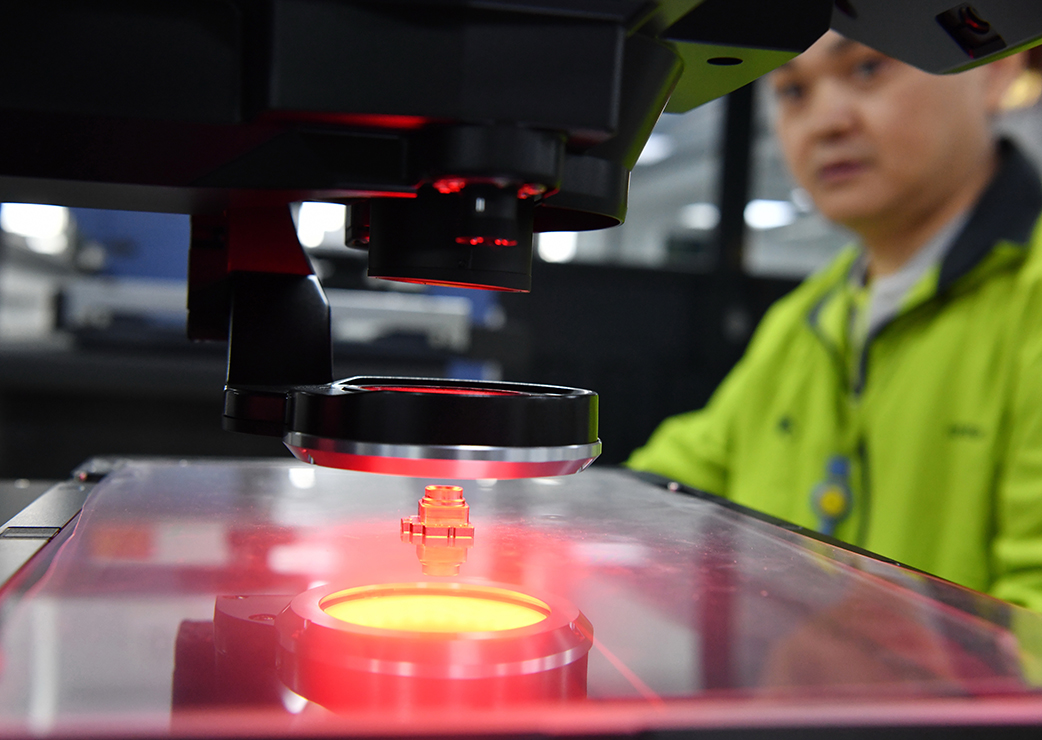
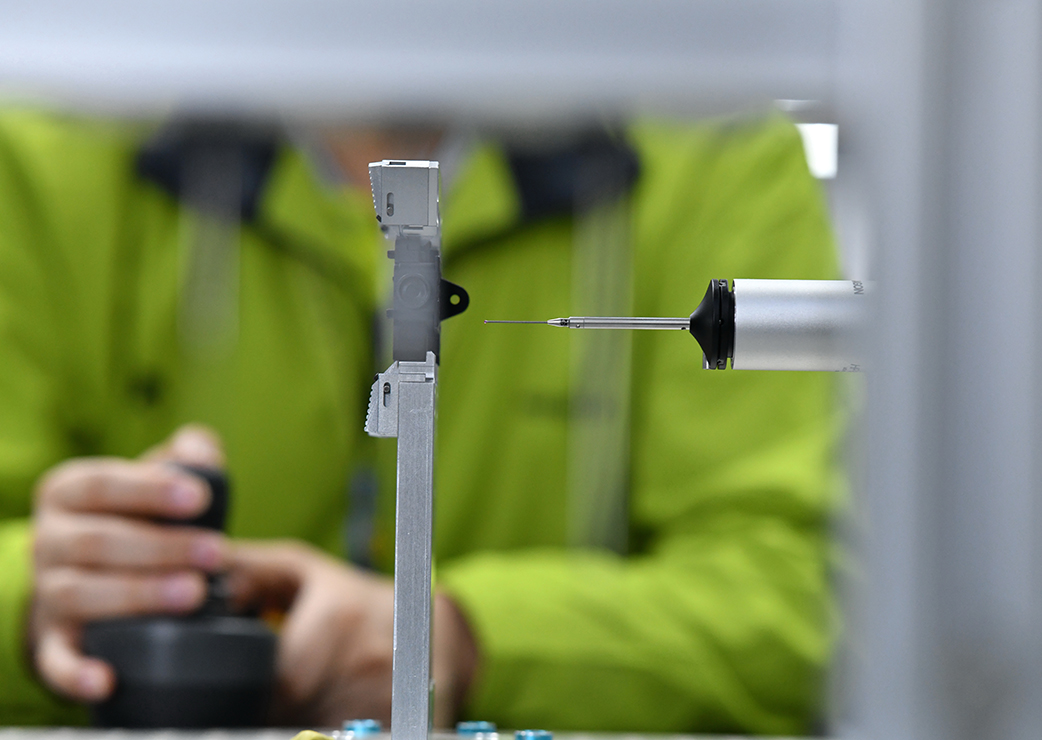
- Optical Measurements: High-precision non-contact measurement.
- Physical Measurements: Structural integrity analysis.
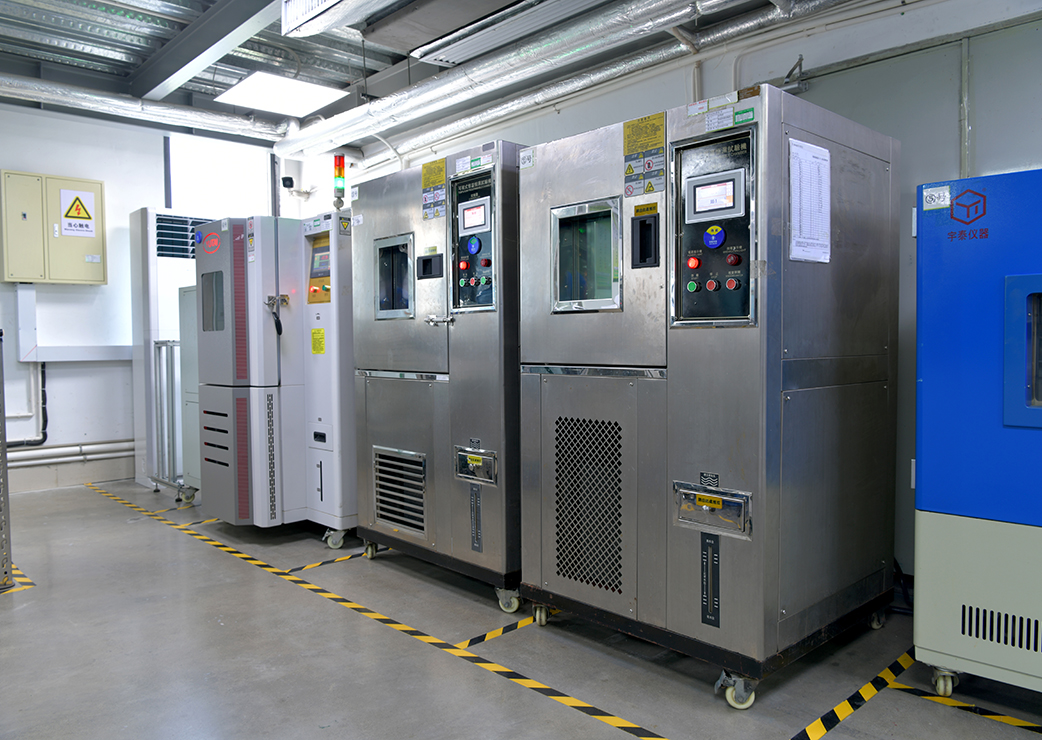
- Environmental Testing: Simulating extreme EV operating conditions.
- Reliability Testing: Long-term lifecycle validation.
- Microbiological & Chemical: Material purity assurance.


Smart Manufacturing & Digital Intelligence
The application of smart systems has enabled Hongrita to achieve better production automation, digital management, and AI decision-making, thereby enhancing the factory's level of intelligence, optimizing enterprise operational efficiency, and quality management.