



The Evolution of LSR Injection Molding in Food & Beverage Industries
Liquid Silicone Rubber (LSR) injection molding has emerged as the gold standard for manufacturing drinkware and food-contact products. As global health regulations like FDA, LFGB, and EU 10/2011 become increasingly stringent, manufacturers are shifting away from traditional elastomers toward high-purity LSR. This material offers unparalleled thermal stability, chemical resistance, and biocompatibility, making it ideal for the next generation of smart kitchenware and portable hydration systems.
Industrial Status & Commercial Impact
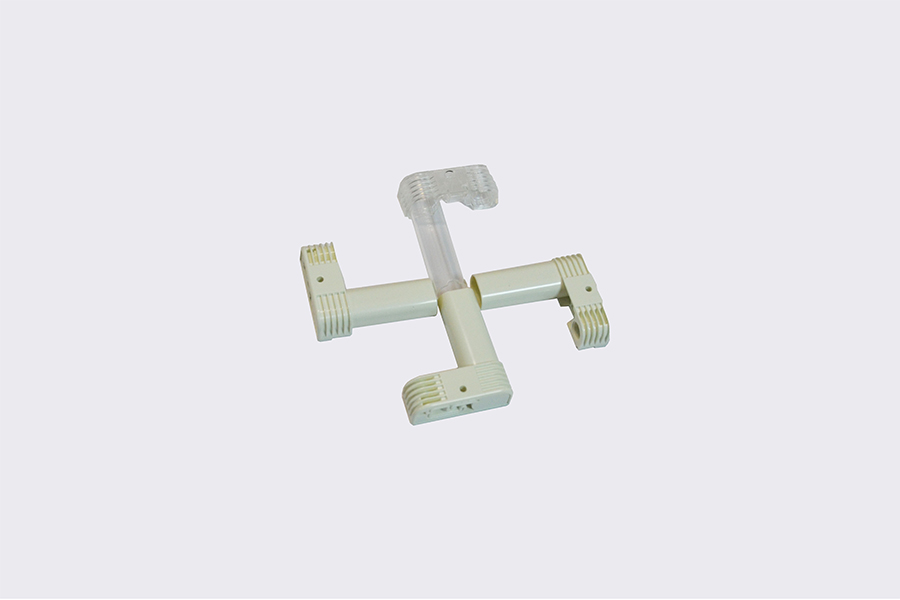
The global market for LSR in food-contact applications is projected to grow at a CAGR of over 8% through 2030. Industrially, the transition to Multi-Component (2K/3K) Injection Molding has allowed brands to combine rigid thermoplastics with soft LSR gaskets in a single automated cycle. This eliminates secondary assembly, reduces contamination risks, and significantly lowers production costs for high-volume consumer goods.
Why LSR is Dominating Drinkware Design
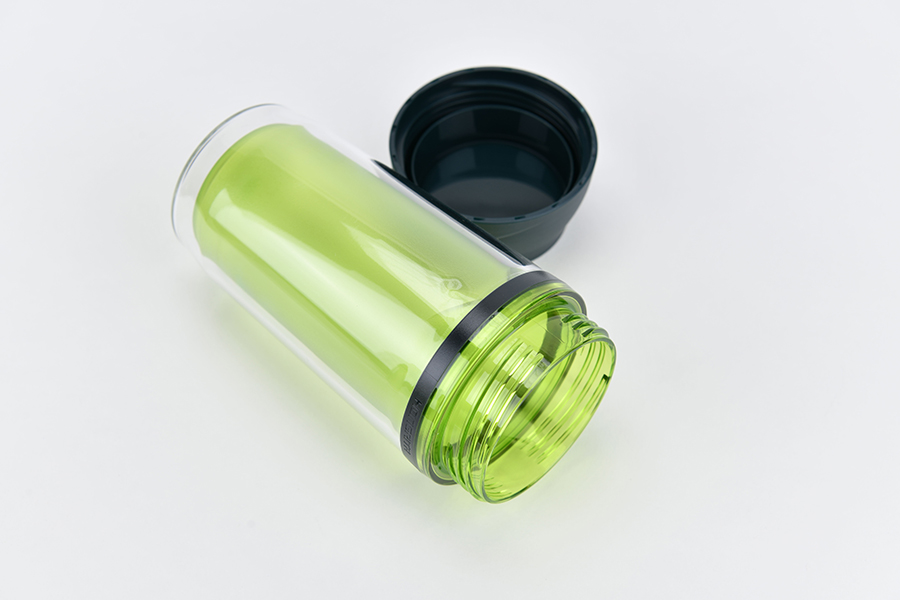
Modern drinkware is no longer just a container; it is a lifestyle accessory. LSR molding enables designers to incorporate complex geometries such as leak-proof valves, ergonomic grips, and collapsible structures. Unlike solid silicone, LSR’s liquid state allows for high-precision injection into intricate molds, ensuring flash-free parts that meet the aesthetic and functional demands of premium brands.
OUR MANUFACTURING JOURNEY

1988: The Foundation
After completing the apprentice program, Mr. Felix Choi, the founder of Hongrita, established Hongrita Mould Engineering Company. His humble, diligent, and progressive entrepreneurial spirit focused on the design and production of complete molds, establishing a reputation for manufacturing precision plastic molds.

1993 - 2012: LSR Breakthrough
In 1993, Hongrita established its first base in Shenzhen. In 2012, Hongrita took the lead in making breakthroughs in liquid silicone rubber (LSR) mould and moulding technology, becoming a benchmark in the industry by leveraging multi-material innovation.

Future: Digital Intelligence
With operational bases in Zhongshan and Malaysia, Hongrita is moving towards the goal of building a world-class lighthouse factory by upgrading digital intelligence and AI applications.
Advanced Application Scenarios for Food-Contact LSR
1. Infant Care & Baby Feeding Products
Safety is paramount in infant care. LSR injection molding is used to produce bottle nipples, pacifiers, and teething rings. The material is odorless, tasteless, and can withstand repeated sterilization in boiling water or steam without degrading or leaching harmful chemicals like BPA or phthalates.
2. Smart Kitchenware & Appliance Seals
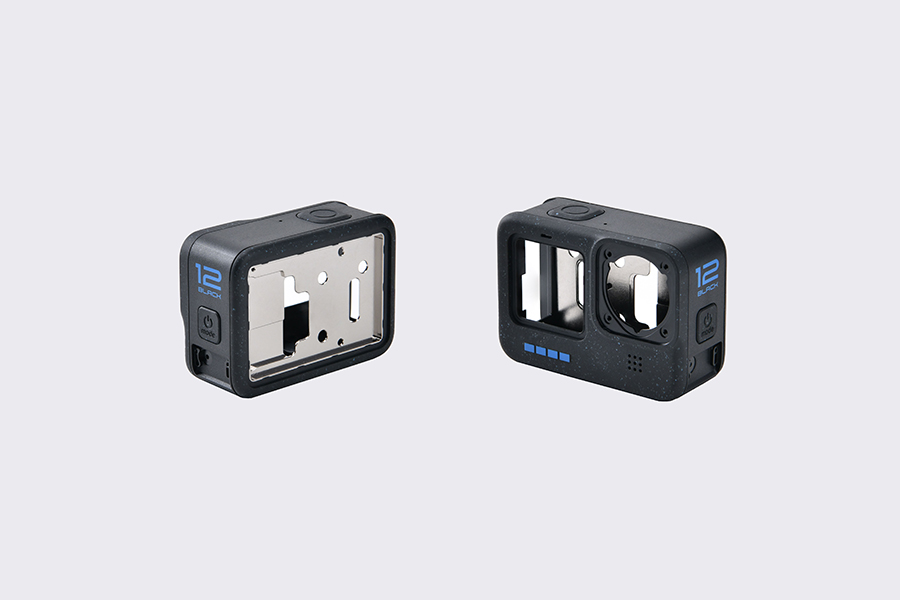
In high-end coffee machines and multi-cookers, LSR seals provide long-term durability under high pressure and temperature. The ability to mold LSR directly onto metal or plastic components (Overmolding) ensures a hygienic, bacteria-resistant bond that is essential for food safety.
Future Trends: AI-Driven Precision & Sustainability
The industry is moving toward AI-Integrated Molding Systems. By using sensors to monitor real-time viscosity and pressure, manufacturers can achieve zero-defect production. Furthermore, the rise of ISCC PLUS certified circular silicones is enabling brands to offer sustainable food-contact products without compromising on performance.
GLOBAL MANUFACTURING FOOTPRINT
-
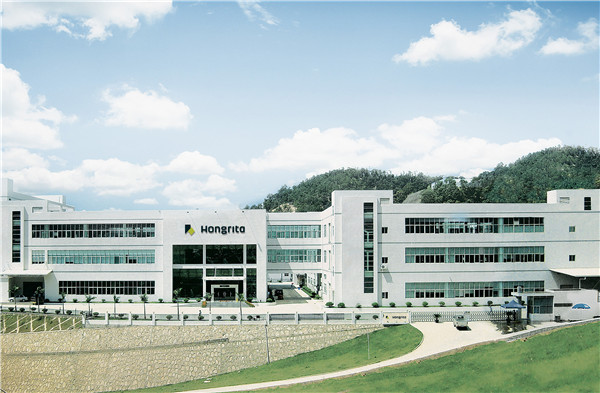
Shenzhen
Focusing on the 3C and intelligent technology components business and overseas commercial mold business.
-
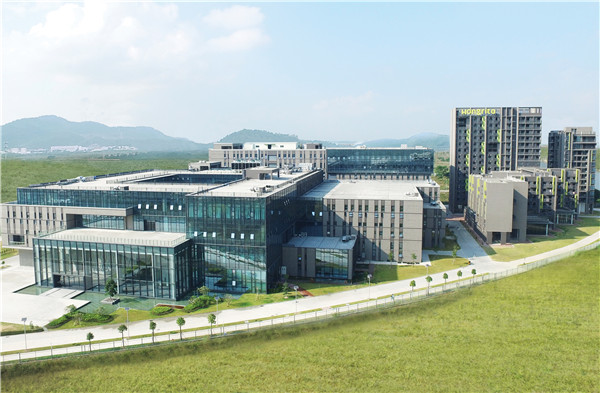
Zhongshan
Hongrita's hub for innovation R&D, engineering, and the proving grounds for AI-driven intelligent manufacturing.
-
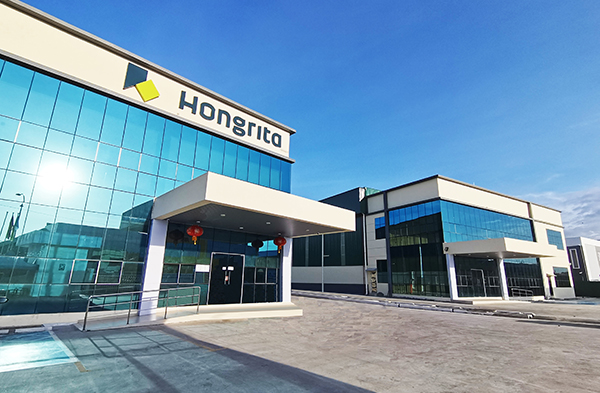
Penang
Southeast Asia hub for global expansion, serving as a training base for our international technical teams.
CERTIFIED EXCELLENCE
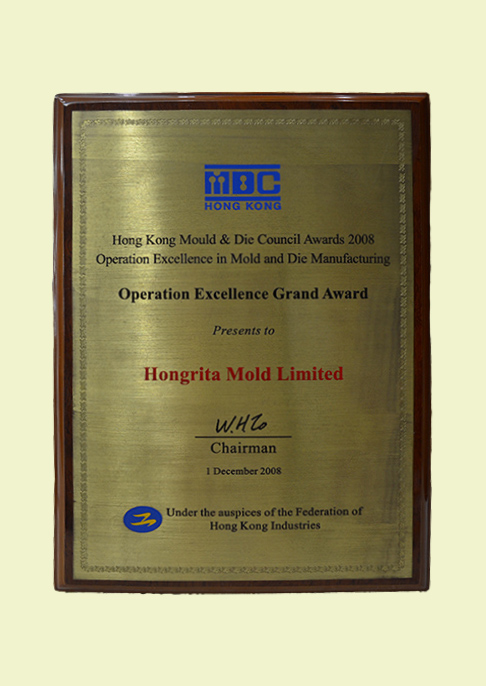
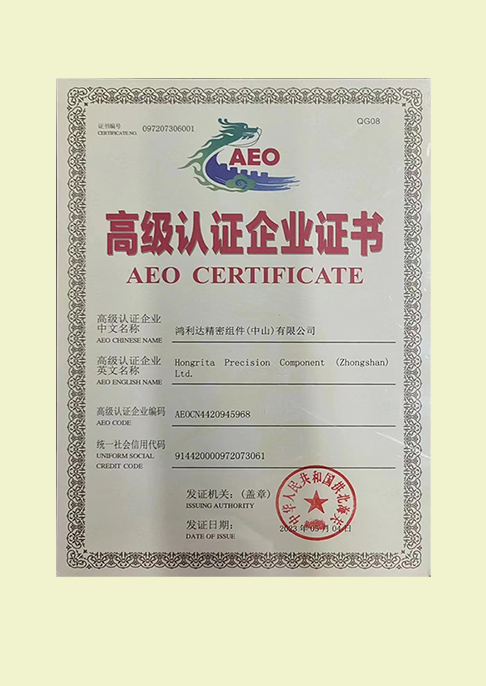
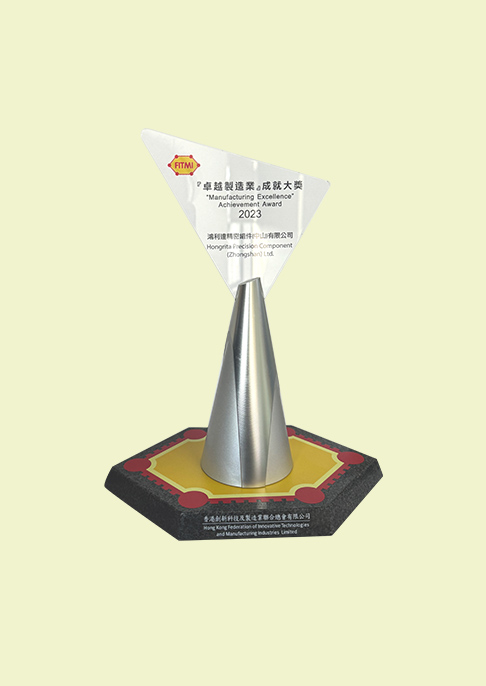
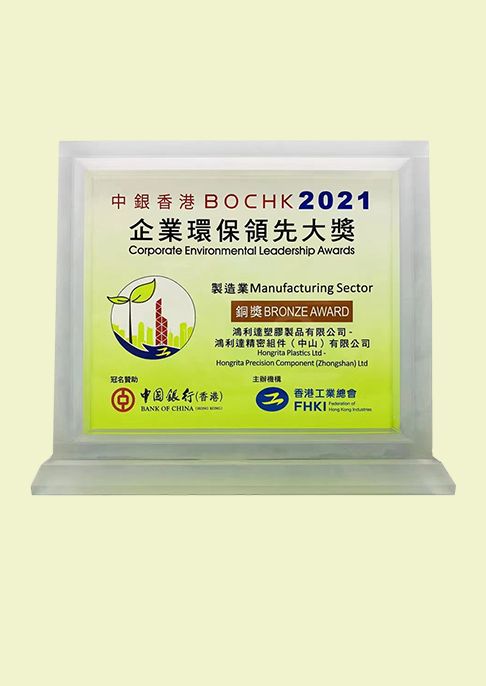
Hongrita is certified with ISO14001, ISO9001, IATF16949, ISO13485, ISO45001, ISO/IEC27001, ISCC PLUS and is FDA registered.



Vision & Mission
Vision: Create better value together.
Mission: Make a product better with innovative, professional and intelligent molding solutions.

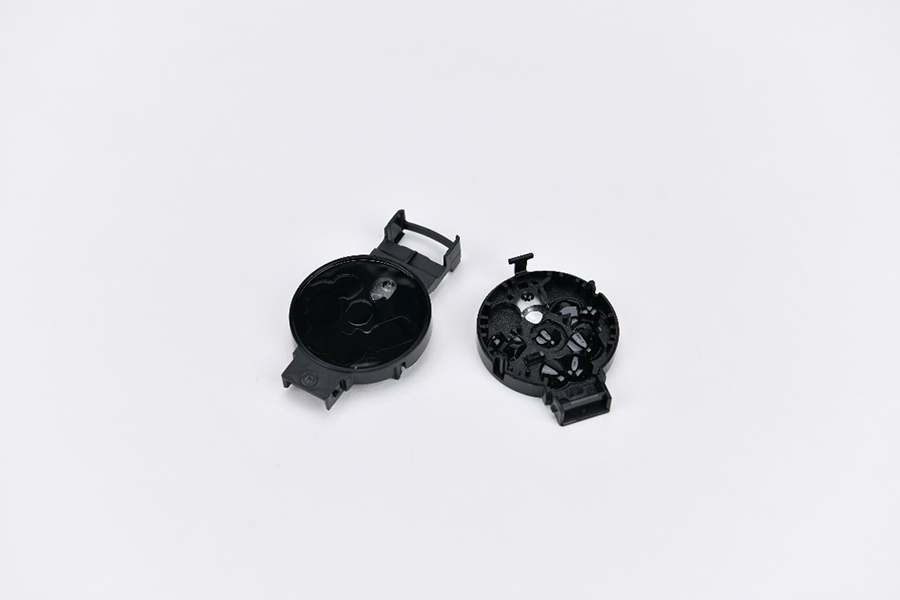
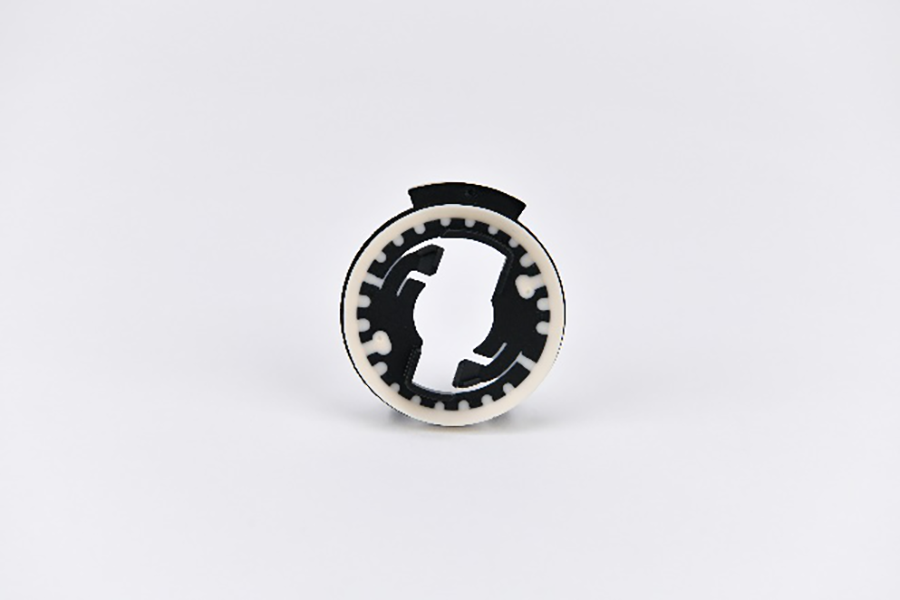
Comprehensive LSR & Precision Molding Portfolio
Technical Superiority of Hongrita's LSR Molding Process
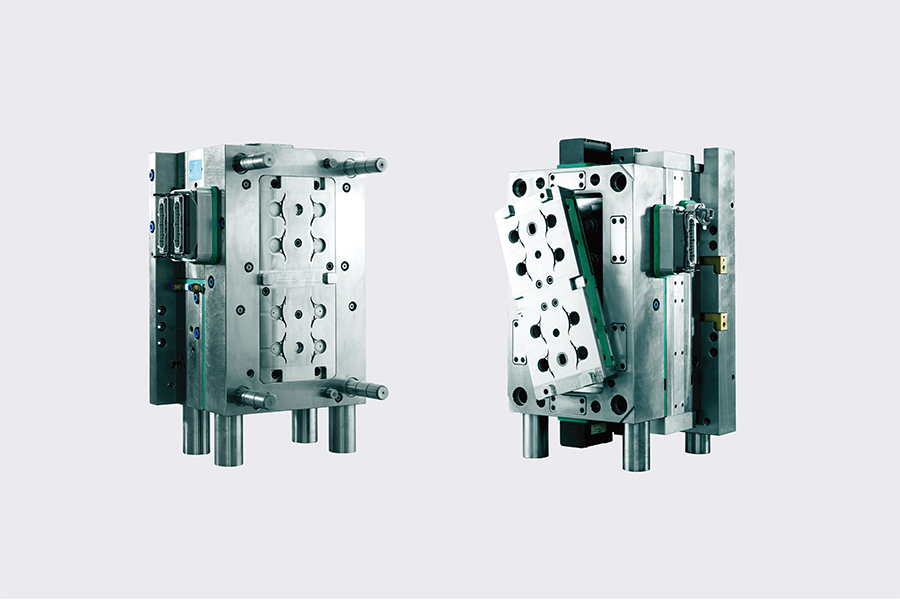
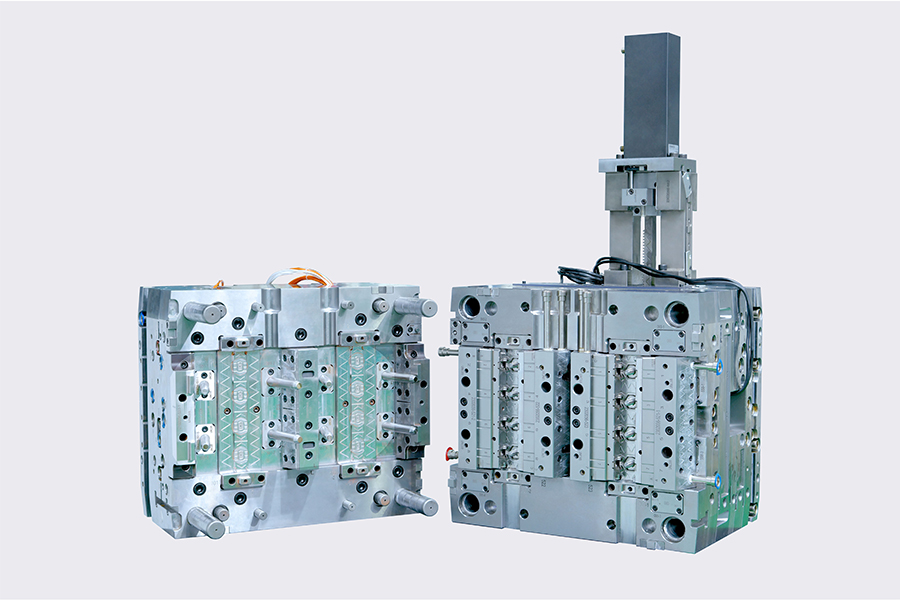
Our Liquid Silicone Rubber injection molding process for drinkware and food-contact products leverages high-efficiency cold runner systems. This technology minimizes material waste (cull-less molding) and ensures that every part is cured uniformly. For food-contact items, this means no residual monomers and a highly stable cross-linked structure that can withstand dishwasher cycles and microwave exposure.
Customization & Engineering Support
We don't just mold parts; we engineer solutions. From material selection (choosing the right Shore A hardness) to mold flow analysis, our team ensures that your food-contact product is optimized for both performance and manufacturability. Our cleanroom facilities ensure that every component meets the hygiene standards required for global market entry.