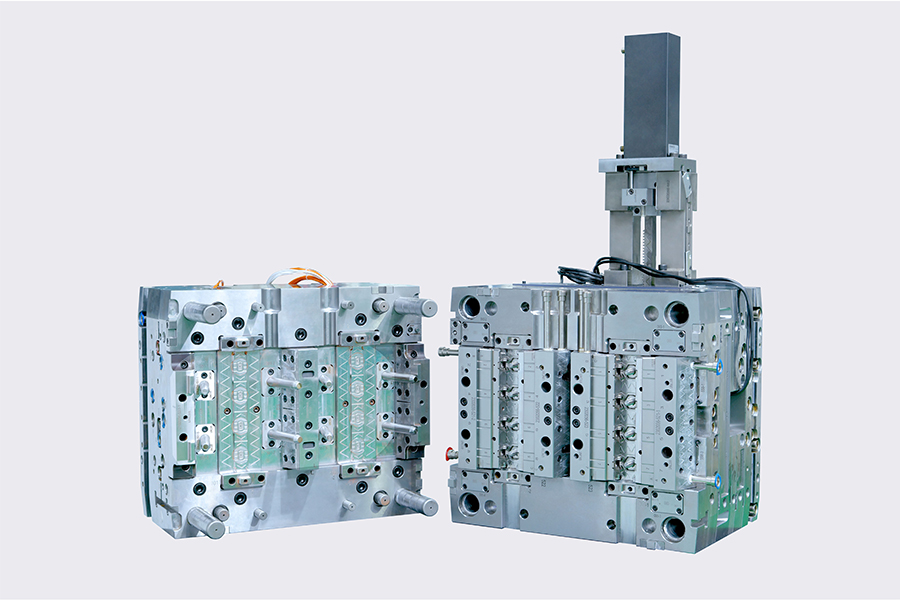
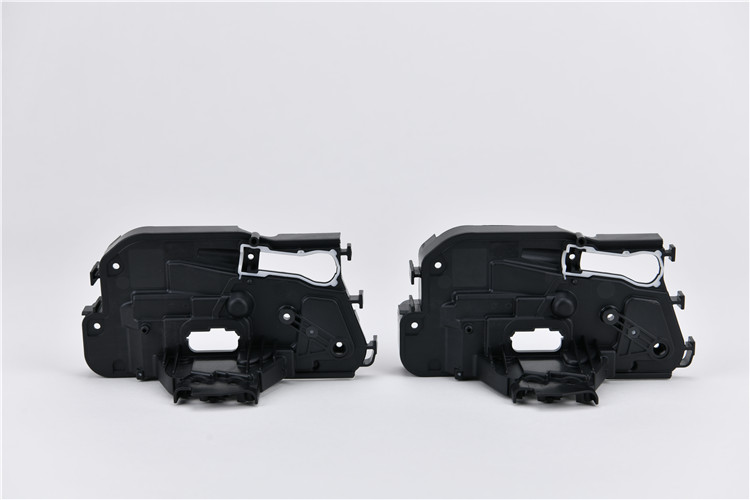
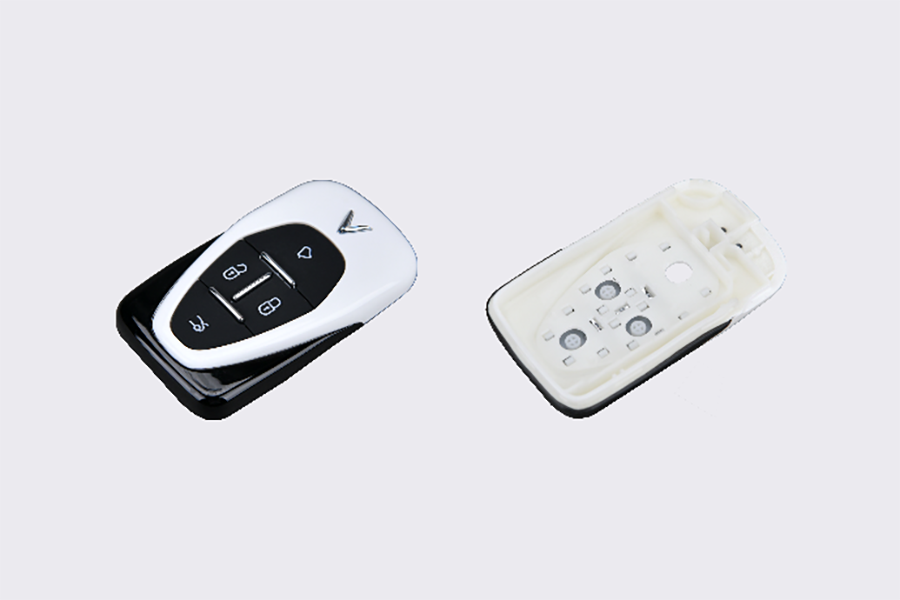
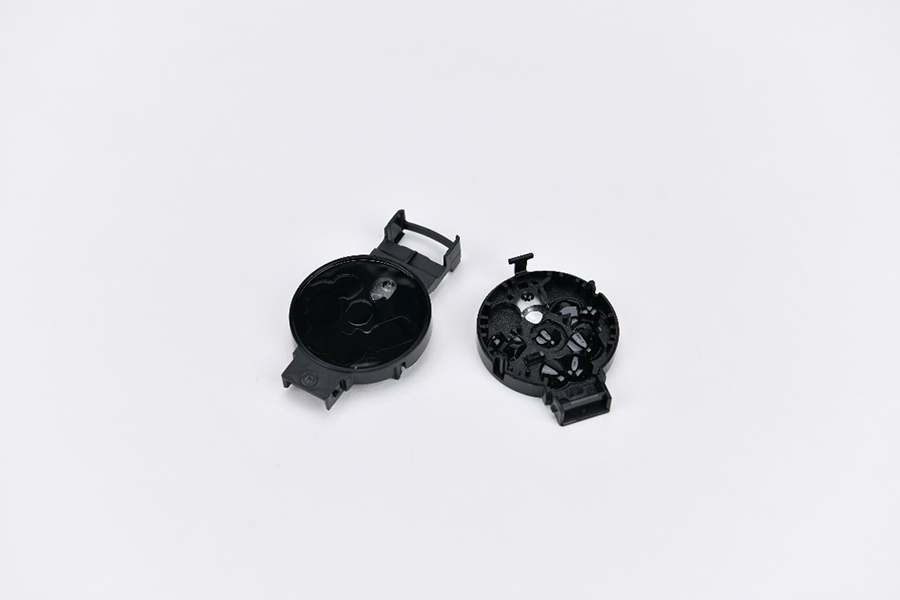
Featured Injection Molding Solutions
The Landscape of Injection Molding Tooling in the UK
The United Kingdom remains a global powerhouse for high-value manufacturing, particularly in sectors requiring extreme precision like aerospace, automotive, and medical devices. Injection molding tooling companies & factories in the UK are currently undergoing a significant digital transformation. With the rise of Industry 4.0, British factories are increasingly integrating AI-driven design and automated tool-making processes to maintain their competitive edge in the European market.
Industrial Hubs & Expertise
From the industrial heartlands of the West Midlands to the high-tech clusters in the South East, UK tooling specialists are renowned for their ability to handle complex multi-cavity molds and high-tolerance components. Local demand is heavily driven by the automotive transition to Electric Vehicles (EVs), requiring lightweight yet durable plastic housings and intricate sensor brackets.
Furthermore, the UK's commitment to sustainability is reshaping the tooling industry. Factories are now focusing on energy-efficient molding cycles and tools designed for recycled or bio-based polymers. This shift is not just environmental but a commercial necessity as UK regulations on plastic packaging and industrial waste tighten.
Global Footprint & Locations

-

Shenzhen
Focusing on the 3C and intelligent technology components business, overseas commercial mold business, and in-house use molds.
-

Zhongshan
Serving as Hongrita's hub for innovation R&D, engineering, major projects and production; and the proving grounds of change management.
-

Penang
Developing tooling and molding business in Southeast Asia; serving as a training base for the overseas team.
Key Trends in the UK Tooling Industry
1. Multi-Material and LSR Molding
One of the most significant trends for injection molding tooling factories is the adoption of Liquid Silicone Rubber (LSR) and multi-component (2K/3K) molding. This technology allows for the creation of complex parts with integrated seals, soft-touch surfaces, or multiple colors in a single cycle. In the UK medical sector, this is vital for producing hygienic, ergonomic surgical instruments and wearable health monitors.
2. AI and Digital Twin Technology
Leading UK factories are utilizing "Digital Twins"—virtual replicas of physical molds—to simulate the injection process before the tool is even cut. This AI-integrated approach reduces trial-and-error, cuts down on material waste, and ensures that the final product meets the exact specifications required by high-stakes industries like aerospace.
Local Application Scenarios
In the UK, localized application scenarios often involve high-precision components for the renewable energy sector, such as specialized connectors for offshore wind turbines, and the smart home market, where aesthetically pleasing yet functional plastic housings are in high demand.
OUR STORY & EVOLUTION

1988: The Beginning
Founded by Mr. Felix Choi, Hongrita started as a mold and hardware parts processing company with a single milling machine. The spirit of diligence and precision was established from day one.

1993-2012: Innovation
Expanded into plastic molding. By 2012, Hongrita made breakthroughs in Liquid Silicone Rubber (LSR) technology, becoming a benchmark for multi-material molding solutions.

2015-Future: Global Scale
Established bases in Zhongshan and Malaysia. Now moving towards "Lighthouse Factory" status through digital intelligence and AI applications to maximize efficiency.
Vision & Mission
Vision: Create better value together.
Mission: Make a product better with innovative, professional and intelligent molding solutions.
Core Values: Passion, Collaboration, Innovation, Professionalism, Advancement, Sustainability.

Certifications & Qualifications
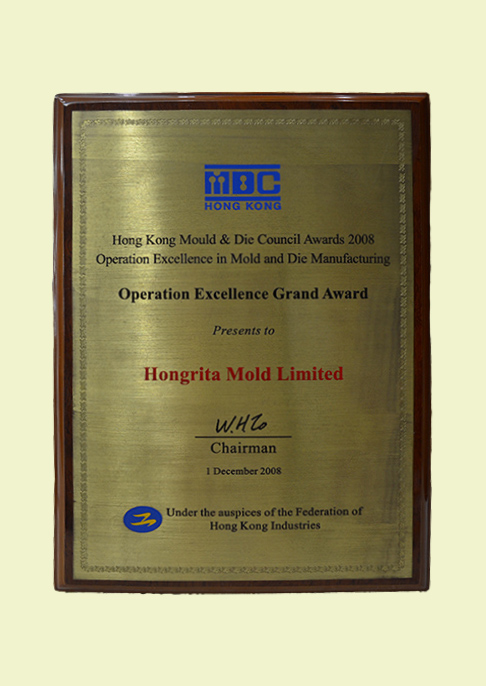
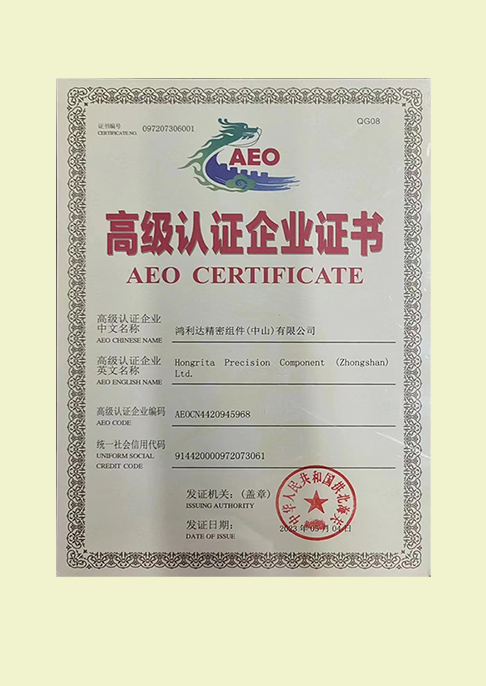
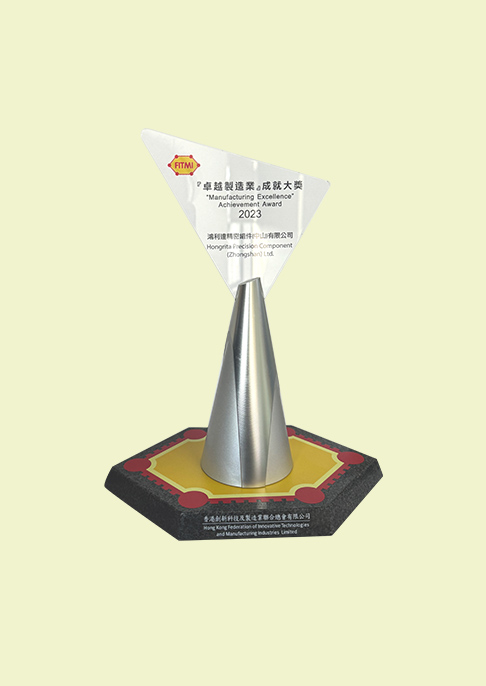
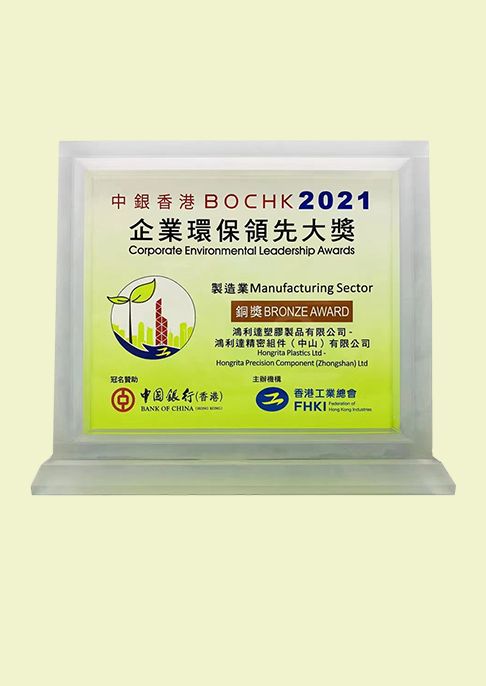
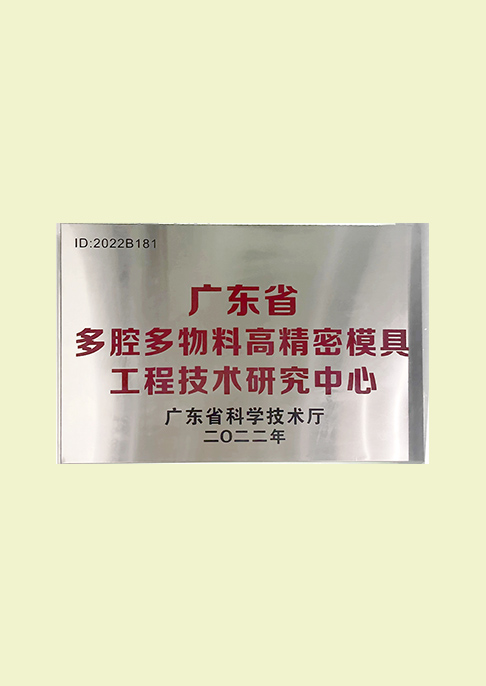
Hongrita is proud to be certified with ISO14001, ISO9001, IATF16949, ISO13485, ISO45001, ISO/IEC27001, ISCC PLUS and is FDA registered, ensuring the highest quality standards for our UK and global partners.



Choosing the Right Tooling Partner in the UK
When searching for injection molding tooling companies in the UK, businesses must look beyond just price. The longevity of the tool, the cycle time efficiency, and the post-production support are critical factors. UK-based engineers value partners who can provide comprehensive DFM (Design for Manufacturing) reports, helping to identify potential issues like sink marks or warpage before production begins.
The integration of smart sensors within the molds is another burgeoning field. These sensors monitor temperature and pressure in real-time, sending data back to the cloud for analysis. This level of "intelligent molding" is what differentiates a standard factory from a world-class manufacturing partner.