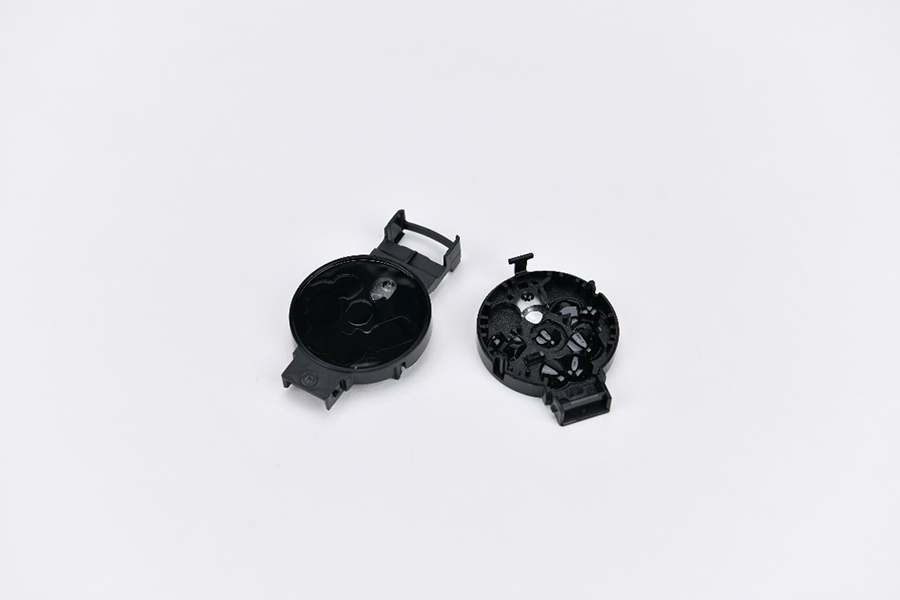
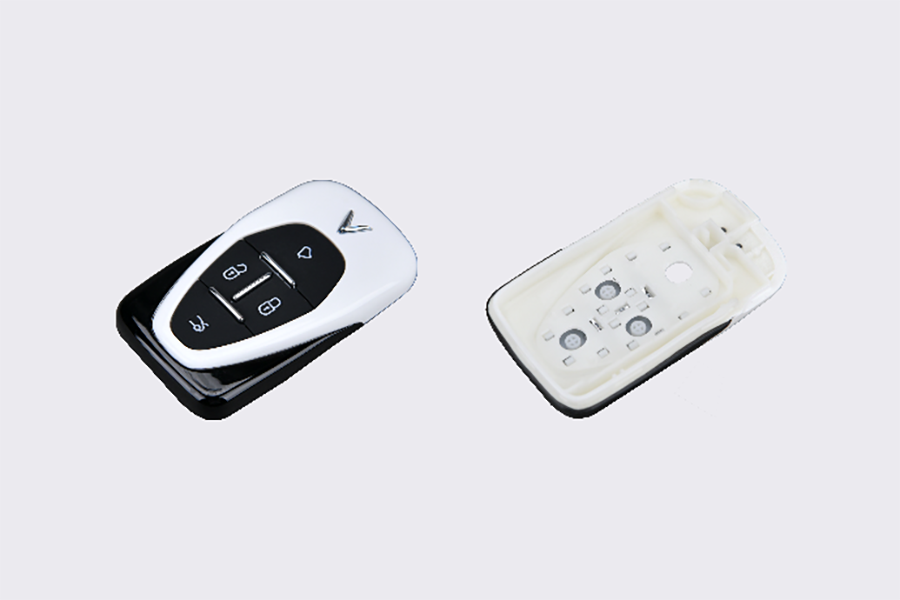
The Evolution of Injection Molding in the EV Era
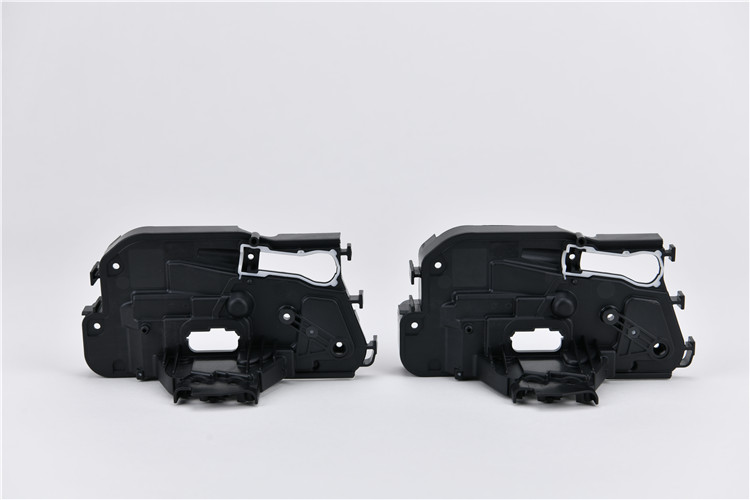
The global transition toward Electric Vehicles (EVs) has fundamentally redefined the requirements for automotive components. Unlike traditional Internal Combustion Engine (ICE) vehicles, EVs demand superior insulation, lightweighting, and high-performance sealing to protect sensitive electronics and high-voltage battery systems. Injection molded auto parts for EV sealing and electrical components have become the backbone of this technological shift.
High-Voltage Safety & Electrical Insulation
Modern EVs operate on architectures ranging from 400V to 800V. This requires plastic components with exceptional dielectric strength and flame retardancy (UL94-V0). Precision injection molding allows for the integration of busbars and connectors directly into housings, reducing assembly errors and improving electrical reliability.
Advanced Sealing for Battery Longevity
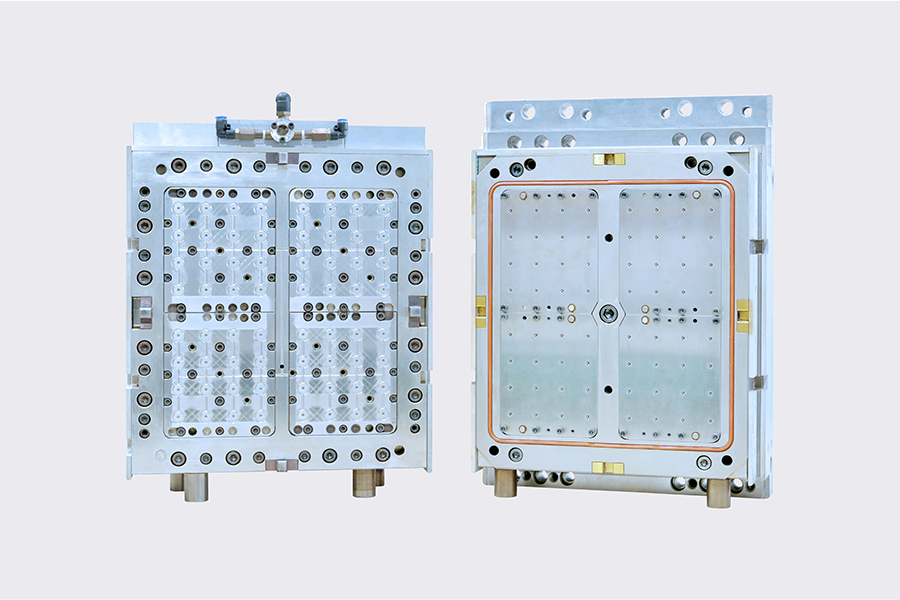
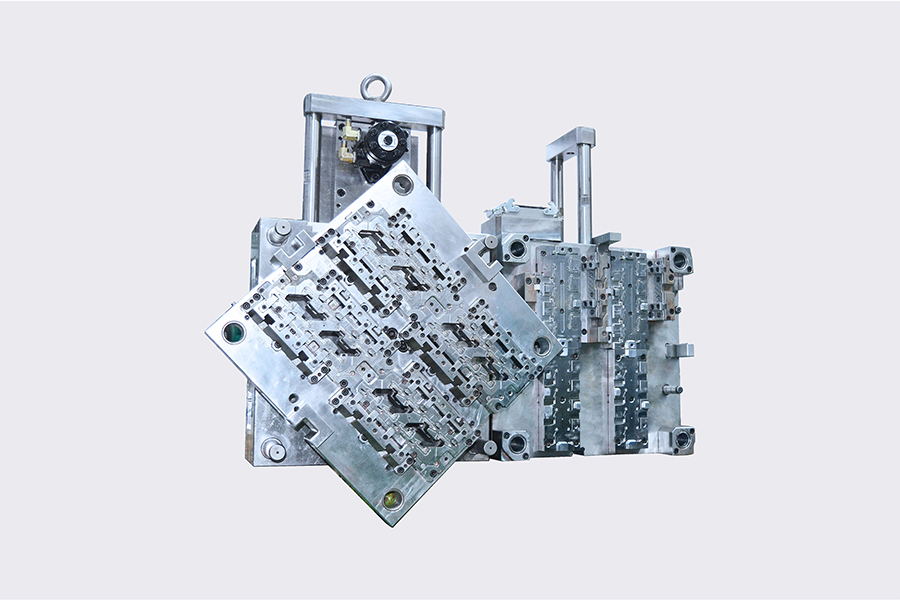
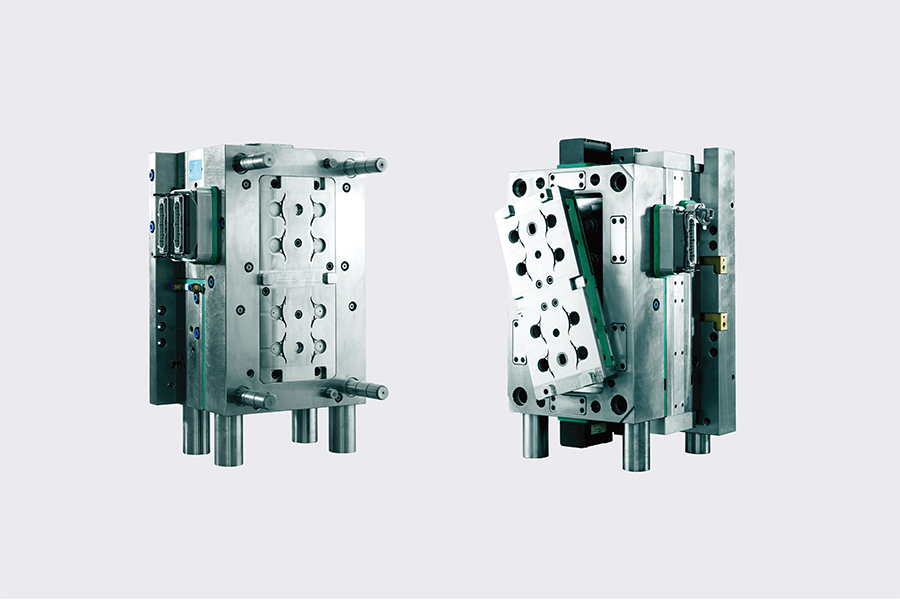
Battery packs must be hermetically sealed to prevent moisture ingress, which could lead to thermal runaway. Multi-material (2K/3K) injection molding combines rigid structural plastics with Liquid Silicone Rubber (LSR) to create integrated gaskets that offer IP67 or even IP69K protection ratings.
GLOBAL MANUFACTURING FOOTPRINT
-
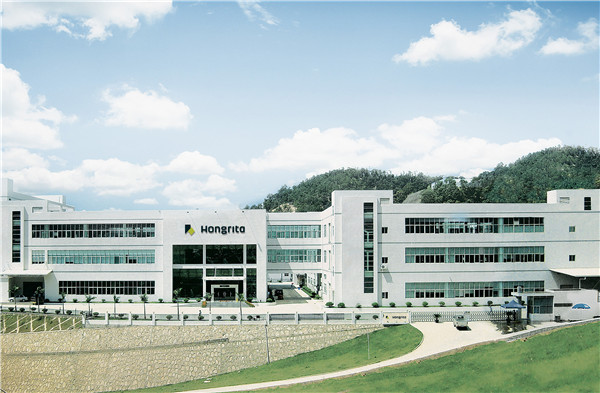
Shenzhen Facility
Focusing on the 3C and intelligent technology components business, overseas commercial mold business, and in-house use molds.
-

Zhongshan Innovation Hub
Serving as Hongrita's hub for innovation R&D, engineering, major projects and production; and the proving grounds of change management.
-
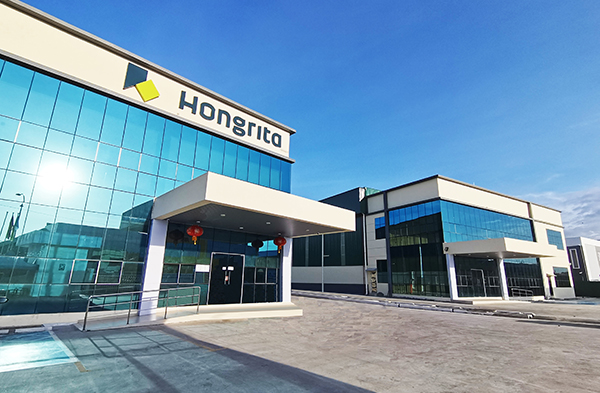
Penang (Malaysia)
Developing tooling and molding business in Southeast Asia; serving as a training base for the overseas team.
OUR STORY & VISION
Since 1988, Hongrita has evolved from a small mold shop into a global leader in multi-material molding. Our journey reflects the history of precision engineering, moving from manual milling to AI-driven "Lighthouse" factory standards. We specialize in solving customer pain points through Liquid Silicone Rubber (LSR) and multi-component molding technologies.
Deep Application Scenarios in EV Infrastructure
As the complexity of autonomous driving and electrification increases, injection molding is being pushed to its limits. Here is how we apply advanced molding to specific EV challenges:
Thermal Management Systems
EV batteries are sensitive to temperature. We produce complex cooling manifolds and valve housings using heat-stabilized polyamides that withstand long-term exposure to glycol-based coolants.
In-Wheel Motor Components
For high-torque wheel motors, we provide high-precision encasements that protect stator windings from road salt, dust, and vibration, ensuring a 15-year service life.
Future Trends: AI and Sustainability
The future of injection molded auto parts lies in "Smart Manufacturing." By integrating AI into the molding process, we can achieve real-time quality monitoring, reducing waste to near-zero. Furthermore, the industry is moving toward bio-based polymers and recycled resins to meet ESG goals without compromising the mechanical integrity of electrical components.
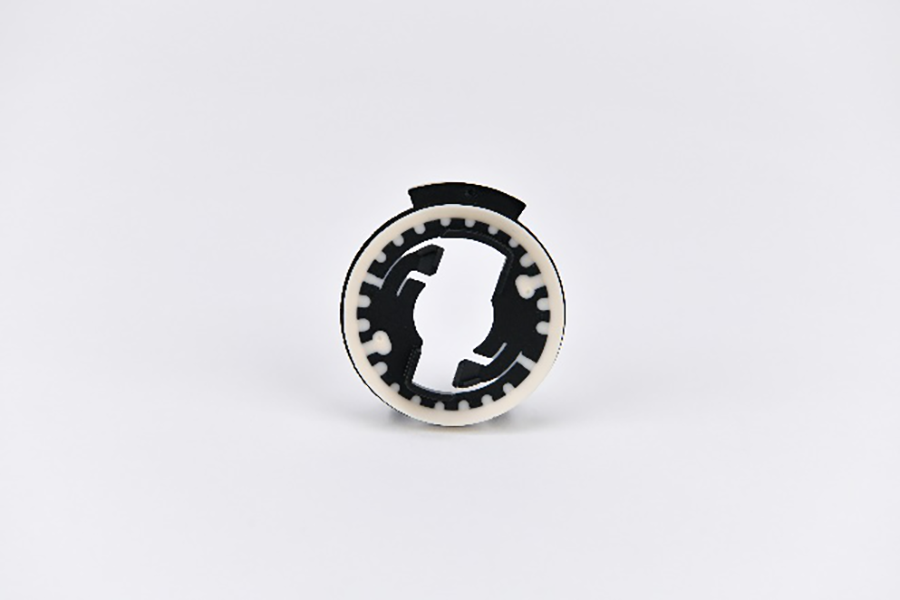
- Micro-Molding: Producing ultra-small connectors for high-density EV sensor arrays.
- Overmolding Electronics: Directly molding plastic over PCBAs to eliminate traditional housings and fasteners.
CERTIFICATIONS & STANDARDS
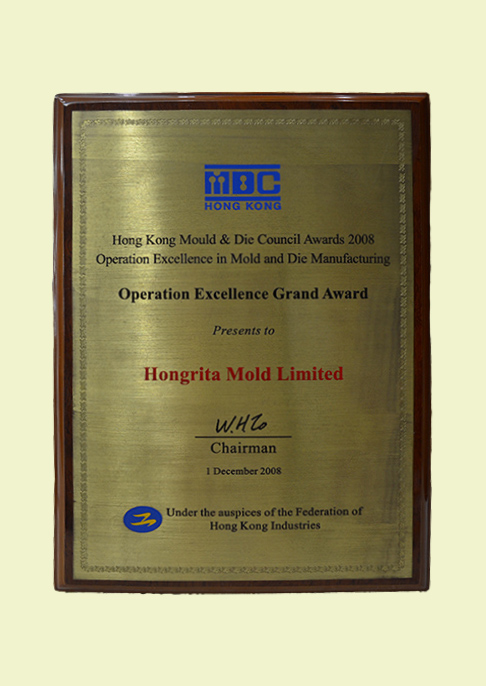
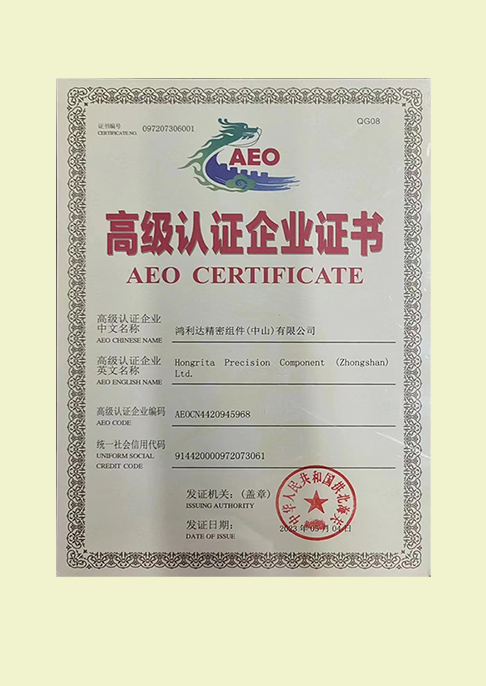
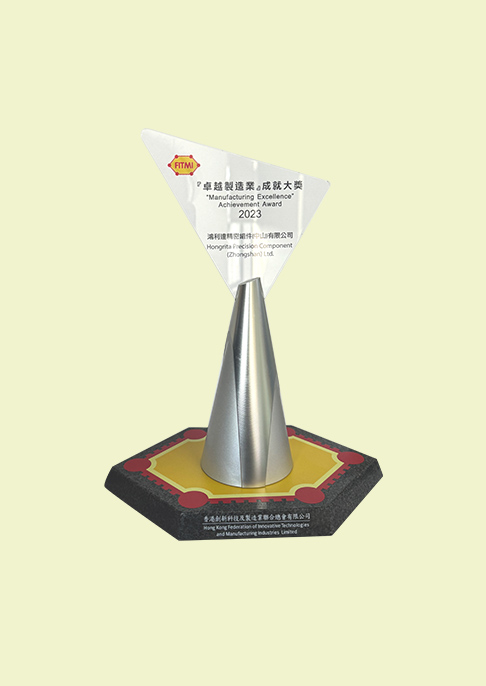
Hongrita has been certified with ISO14001, ISO9001, IATF16949, ISO13485, ISO45001, ISO/IEC27001, ISCC PLUS and has FDA registered.