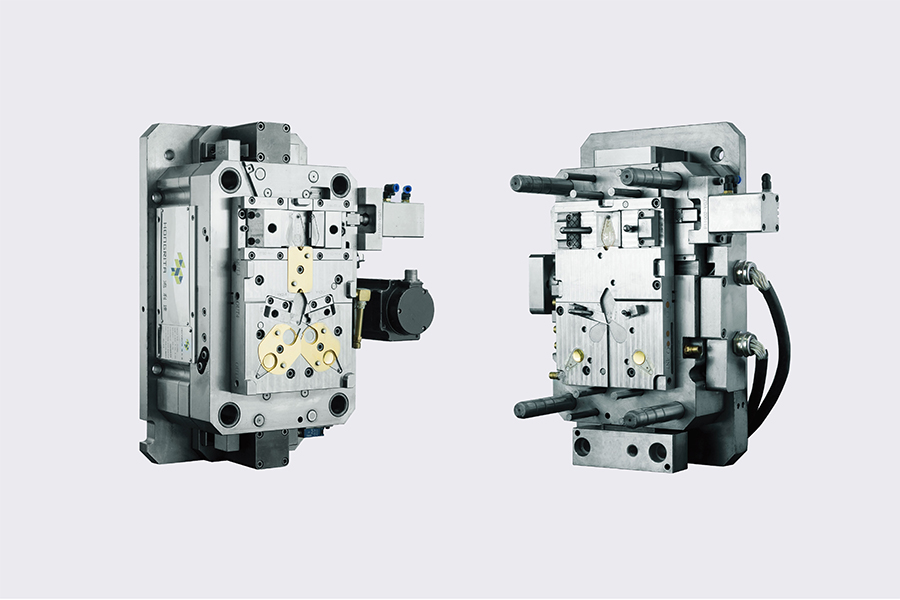
Innovative Auto-Grade Packaging Solutions
Leveraging automotive-grade precision tooling and multi-component injection molding to elevate the durability, tactile feel, and functional performance of luxury cosmetic and rigid packaging.
The Convergence of Automotive Precision and Rigid Packaging
The global manufacturing landscape is witnessing an unprecedented convergence of industries. Historically, the automotive plastic molding sector and the cosmetic packaging industry operated on entirely different tracks. Today, however, the boundaries have blurred. Leading manufacturers are actively transferring the high-precision, robust quality standards of injection molded auto parts to the design and mass production of premium cosmetic and rigid packaging.
This cross-industry evolution is driven by consumer demands for luxury aesthetics, functional longevity, and tactile perfection. Automotive injection molding processes—characterized by tight dimensional tolerances (often down to microns), multi-component (2K/3K) molding, and liquid silicone rubber (LSR) integration—offer the exact technological toolkit needed to solve the most complex structural challenges in modern rigid packaging.
Industrial Status: Why Packaging is Adopting Automotive Standards
In the contemporary packaging market, brand owners face immense pressure to differentiate their products on retail shelves and e-commerce platforms. Flawless surface finishes, distinct clicking sounds upon closure, smooth dispensing mechanisms, and leak-proof seals are no longer optional. These requirements mirror the automotive sector’s emphasis on interior cabin quality, structural integrity, and ergonomic haptics.
By implementing manufacturing methodologies certified under automotive standards such as IATF 16949, precision molders can guarantee zero-defect production runs for high-volume cosmetic components. The integration of robotic automation, AI-driven optical inspection, and scientific molding processes ensures that every cosmetic cap, cream jar, or lipstick mechanism meets the exact specifications of premium global brands.
Key Industrial Advantage
Utilizing high-cavitation, hot runner molds engineered with automotive durability allows packaging brands to achieve exceptionally low cycle times while maintaining absolute dimensional consistency across millions of units.
Deep Application Scenarios of Auto-Grade Molding in Packaging
To fully understand the impact of auto-grade injection molding on packaging, we must analyze specific, high-demand application scenarios where these advanced technologies are deployed:
1. Multi-Material (2K/3K) Co-Injection for Luxury Closures
Just as modern car interiors utilize dual-shot molding to combine hard structural plastics with soft-touch buttons, cosmetic packaging utilizes 2K and 3K molding to create premium caps and closures. By overmolding a rigid thermoplastic core (such as PP or PETG) with a soft thermoplastic elastomer (TPE), manufacturers can create closures that offer both structural tightness and a luxurious tactile grip. This technique eliminates the need for secondary assembly, significantly reducing production costs and eliminating potential failure points.
2. Liquid Silicone Rubber (LSR) for Precision Sealing & Dispensing
LSR has long been a staple in automotive sealing gaskets due to its chemical resistance, flexibility, and thermal stability. In rigid cosmetic packaging, LSR is increasingly used for self-sealing valves in dispensing pumps, airtight gaskets for organic skin care containers, and flexible applicator tips. The high precision required to mold LSR and bond it to rigid plastics is directly derived from automotive engine-bay component manufacturing.
3. High-Gloss and Electroplated Finishes without Weld Lines
Automotive grilles and trim pieces require flawless chrome plating and high-gloss piano black finishes. Achieving these finishes requires highly advanced mold design to eliminate weld lines and surface blemishes. When applied to cosmetic packaging—such as luxury perfume overcaps and metallized mascara tubes—these automotive mold flow optimization techniques ensure a mirror-like finish that enhances the product's perceived value.
Future Trends: Sustainability, AI, and Smart Packaging
As the industry moves forward, several key trends are shaping the future of injection molded packaging components:
Sustainable Materials: The push for circular economies has led to the adoption of Post-Consumer Recycled (PCR) resins and bio-based plastics. Automotive-grade tooling is uniquely equipped to handle the processing variability of recycled resins, ensuring that sustainable packaging does not compromise on mechanical performance or aesthetic appeal.
AI-Driven Smart Manufacturing: The transition toward "Lighthouse Factories" involves integrating AI and IoT sensors directly into the injection molding machines. Real-time cavity pressure monitoring and predictive maintenance algorithms prevent defects before they occur, achieving a level of quality control that was once exclusive to critical automotive safety components.
Global Manufacturing Footprint

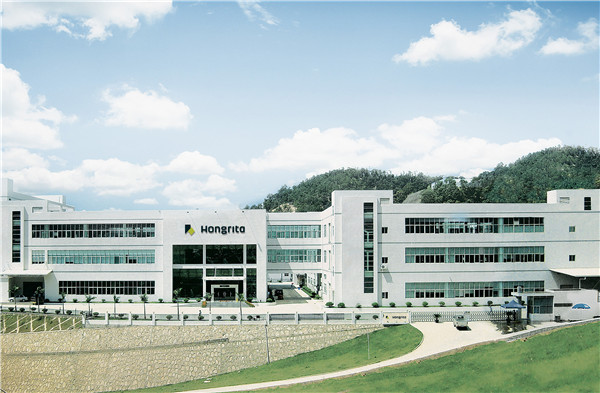
Shenzhen
Focusing on the 3C and intelligent technology components business, overseas commercial mold business, and in-house use molds.
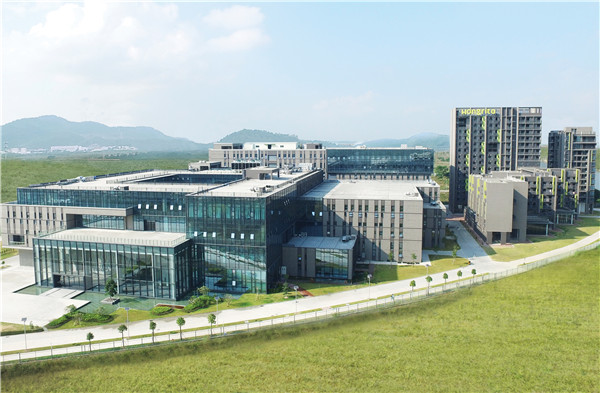
Zhongshan
Serving as Hongrita's hub for innovation R&D, engineering, major projects and production; and the proving grounds of change management, new technology applications and intelligent manufacturing.
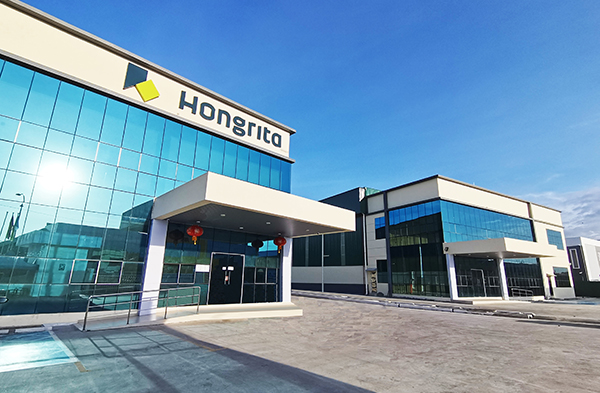
Penang
Developing tooling and molding business in Southeast Asia; and serving as proving grounds of Hongrita's global expansion plan and training base for the overseas team.
Qualifications & Certifications
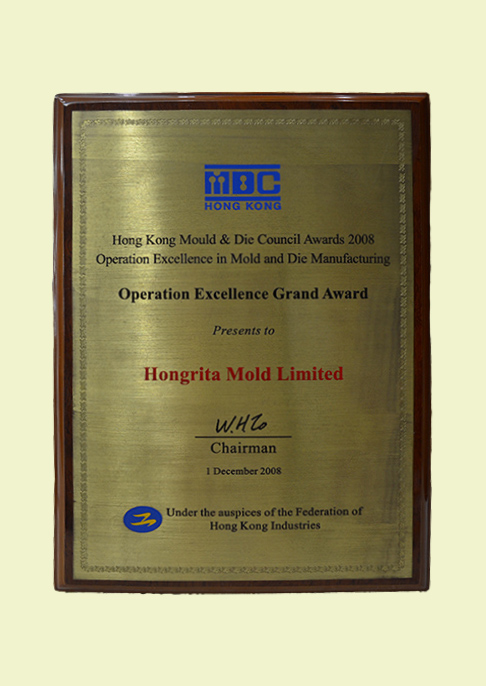
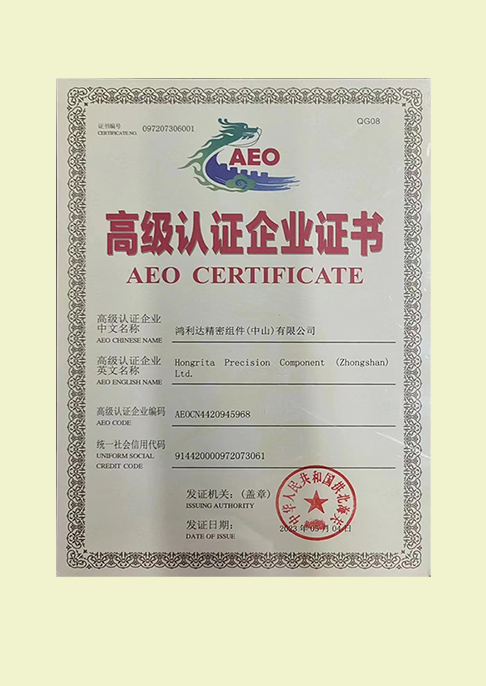
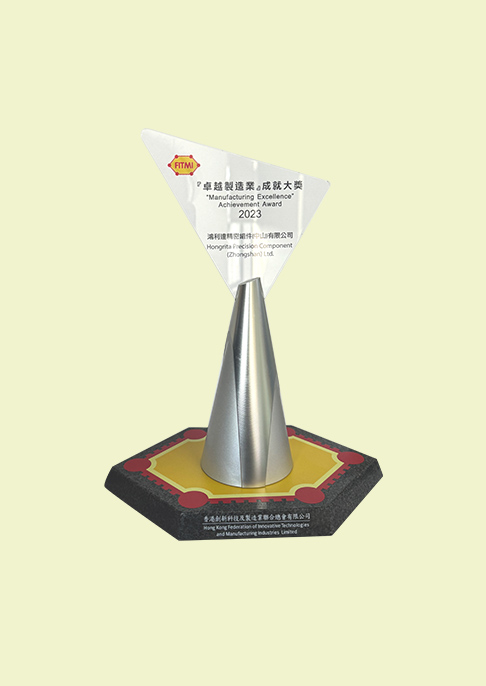
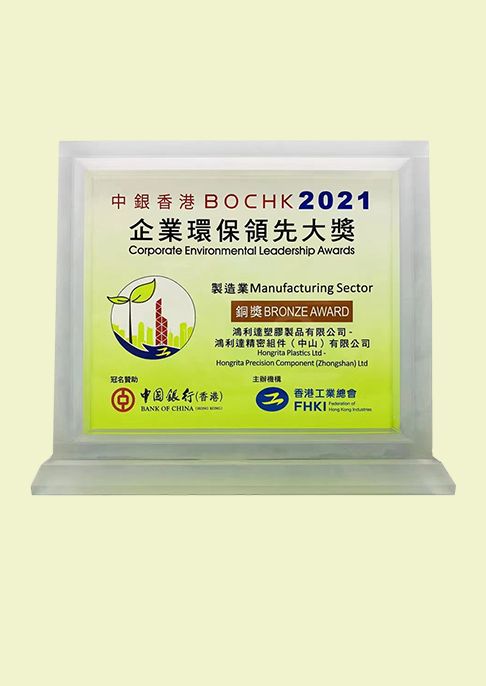
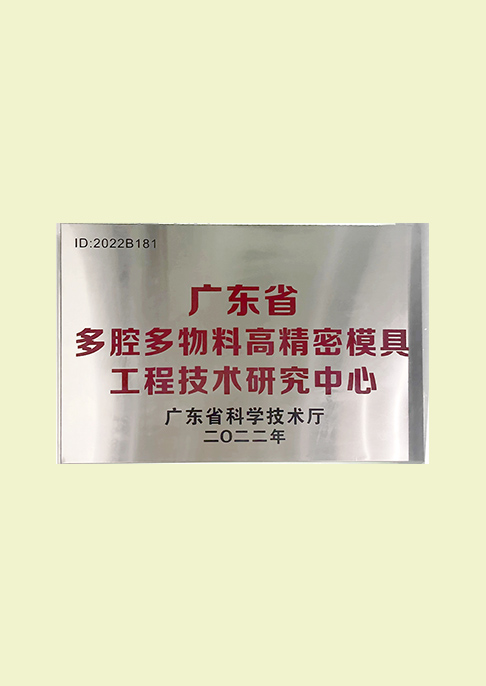
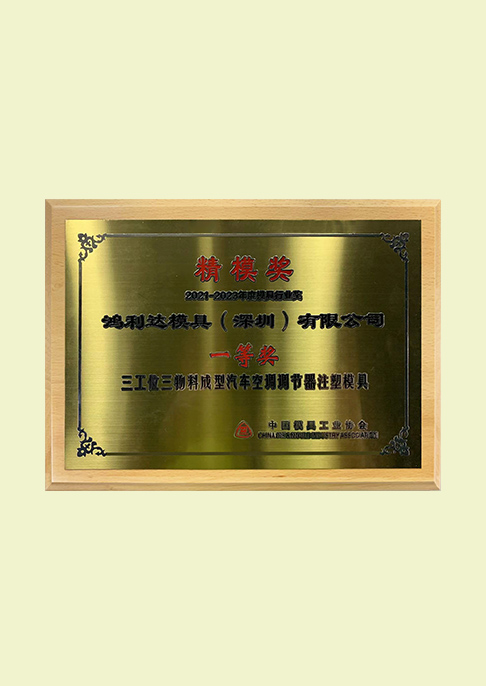
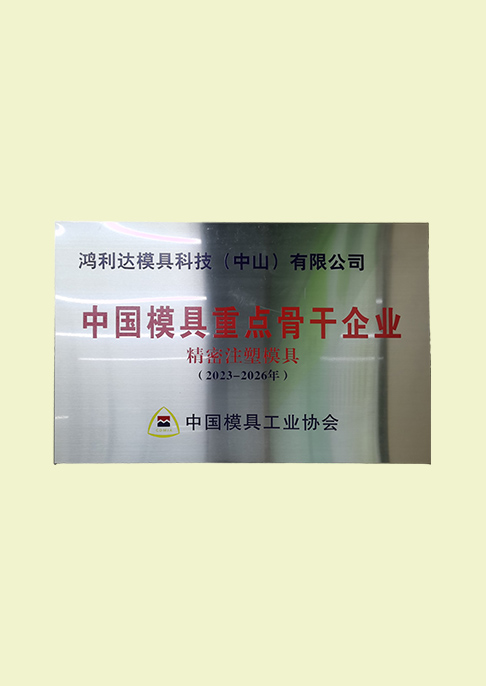
Hongrita is committed to meeting the highest international standards for quality, environmental safety, and data security. Our facilities are certified with ISO14001, ISO9001, IATF16949, ISO13485, ISO45001, ISO/IEC27001, ISCC PLUS and have FDA registered.





Our Story

Establishment of Hongrita
After completing the apprentice program, Mr. Felix Choi, the founder of Hongrita, borrowed money and invested in the first milling machine in June 1988. He rented a corner in a friend's factory and established Hongrita Mould Engineering Company, specializing in mold and hardware parts processing. Mr. Choi's humble, diligent, and progressive entrepreneurial spirit attracted a group of like-minded partners. With the collaborative efforts of the core team and their excellent skills, the company focused on the design and production of complete molds, establishing a reputation for manufacturing precision plastic molds.

Technological Breakthroughs
In 1993, riding the wave of national reform and opening up, Hongrita established its first base in Longgang District, Shenzhen, and expanded its business to include plastic moulding and secondary processing. After 10 years of growth, the core team believed that it was necessary to build a unique and differentiated competitive advantage in order to be invincible. In 2003, the company began research and development of multi-material/multi-component moulding technology and moulding process, and in 2012, Hongrita took the lead in making breakthroughs in liquid silicone rubber (LSR) mould and moulding technology, becoming a benchmark in the industry. By leveraging innovative technologies such as multi-material and LSR, Hongrita has successfully attracted more quality customers by solving customers' product pain points and jointly adding value to development ideas.

Global Expansion & Digitalization
In order to expand and strengthen its business, Hongrita established operational bases in Cuiheng New District, Zhongshan City and Penang State, Malaysia in 2015 and 2019, and the management initiated an all-round upgrading and transformation in 2018, formulated a medium- and long-term development plan and ESG sustainable development strategy to fully cultivate a win-win culture. Now, Hongrita is moving towards the goal of building a world-class lighthouse factory by upgrading digital intelligence, AI application, OKR and other activities to improve management effectiveness and per capita efficiency.

Vision
Create better value together.

Mission
Make a product better with innovative, professional and intelligent molding solutions.

Core Value
Passion, Collaboration, Innovation, Professionalism, Advancement, Sustainability.
Management Methodology

Explore Our Complete Product Catalog
Discover our full range of high-precision components engineered for automotive, medical, cosmetic, and consumer applications.
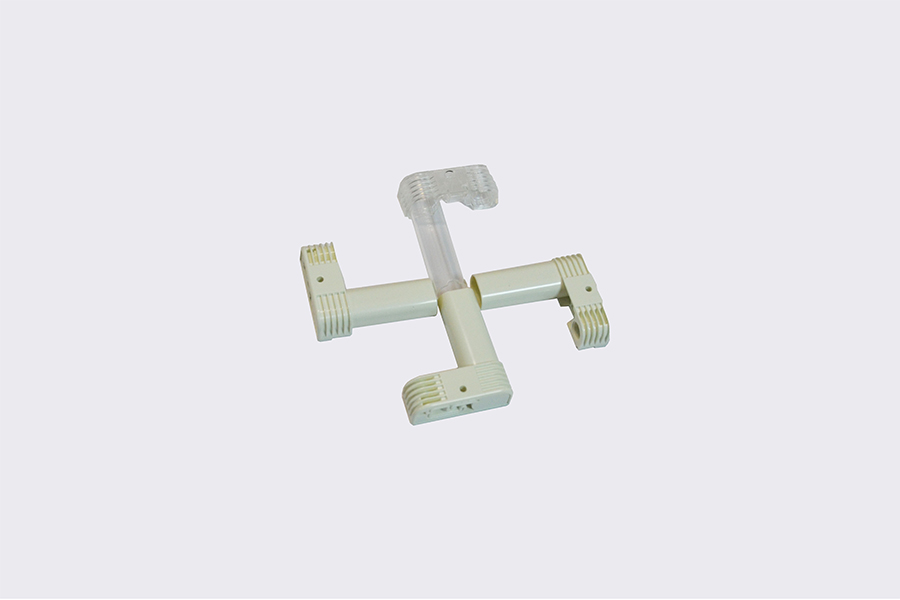
Precision Insulated Auto-Grade Cosmetic Housings
View Details →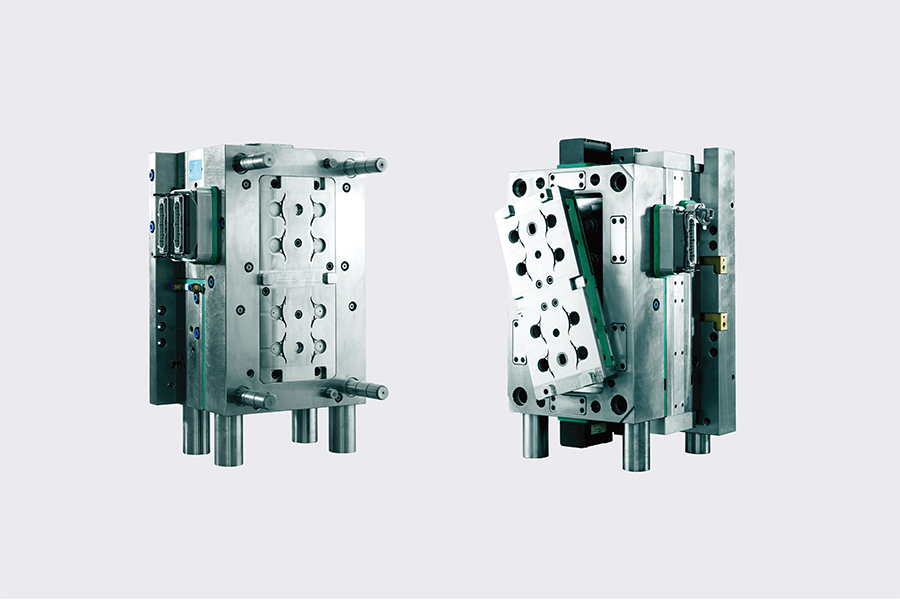
Multi-functional 2K Rigid Packaging Components
View Details →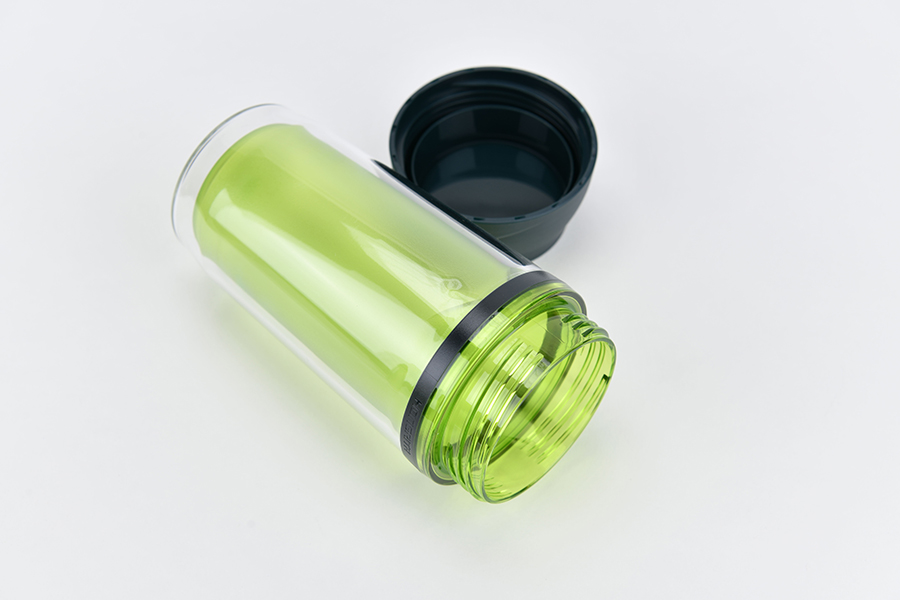
High-Performance 3-Component Auto-Cosmetic Container
View Details →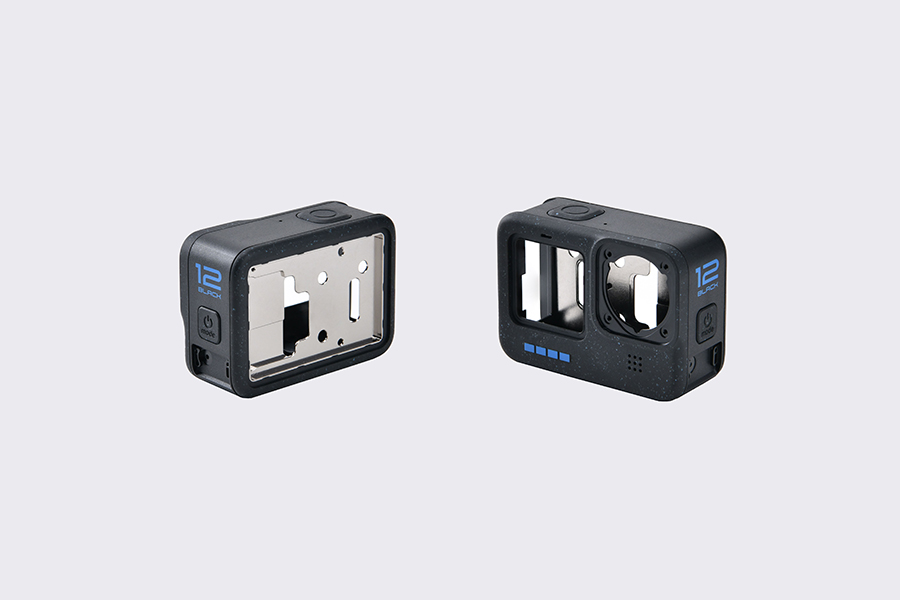
Waterproof Action-Grade Rigid Packaging Housing
View Details →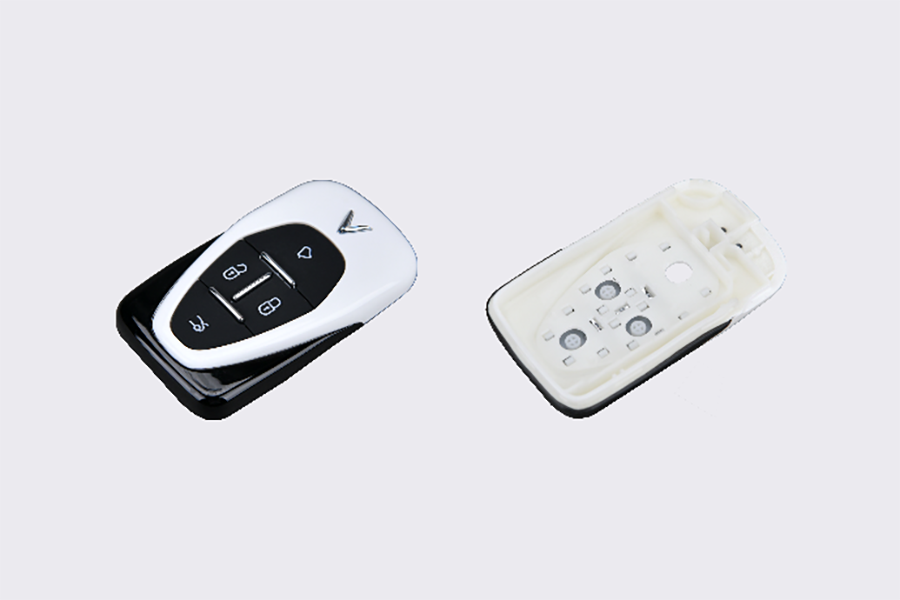
Customized Auto Smart Keys & Cosmetic Packaging Closures
View Details →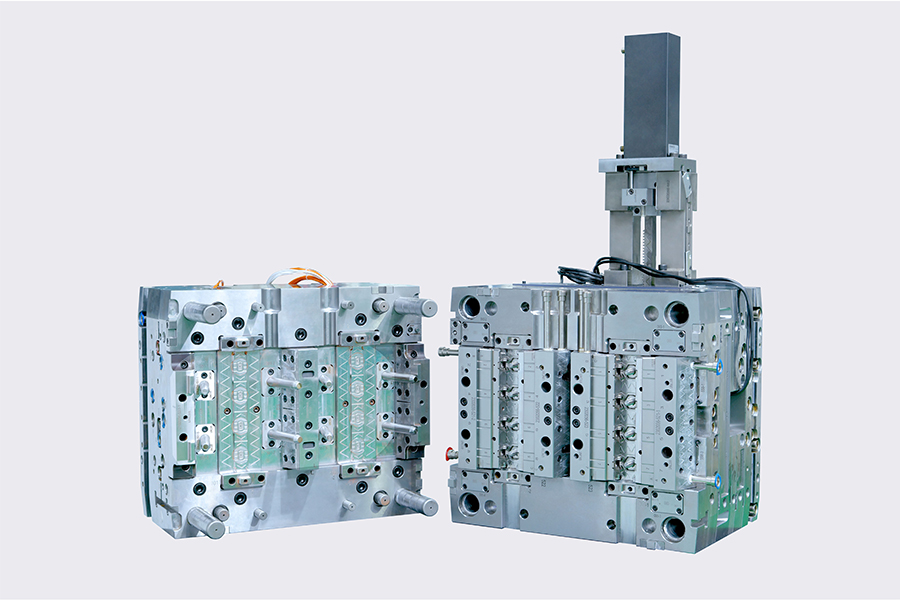
Intelligent Automotive Lock-Mechanism Rigid Packaging Assemblies
View Details →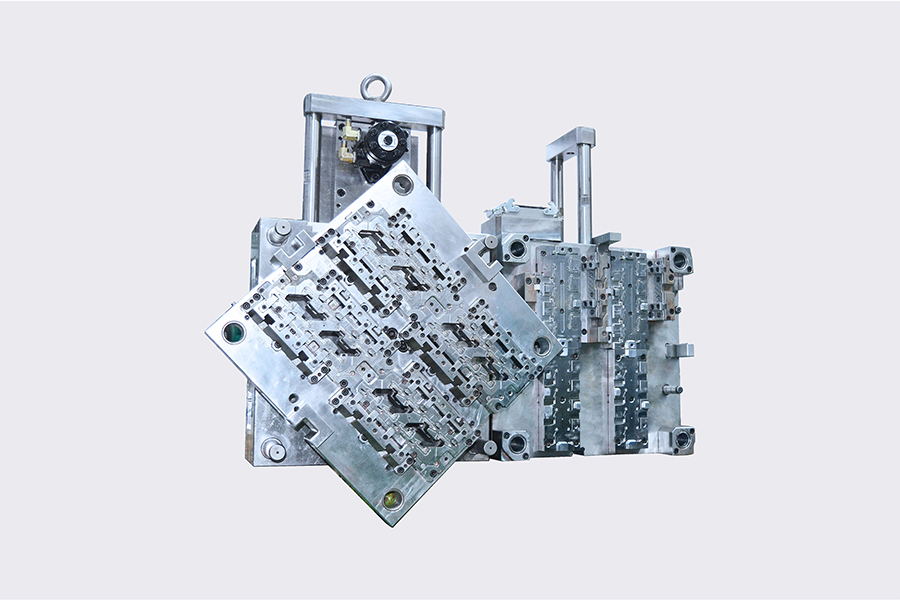
High-quality 2K Heavy-Duty Rigid Packaging Fasteners
View Details →