



The Vital Role of Injection Mold Tooling in Modern Automotive Electronics
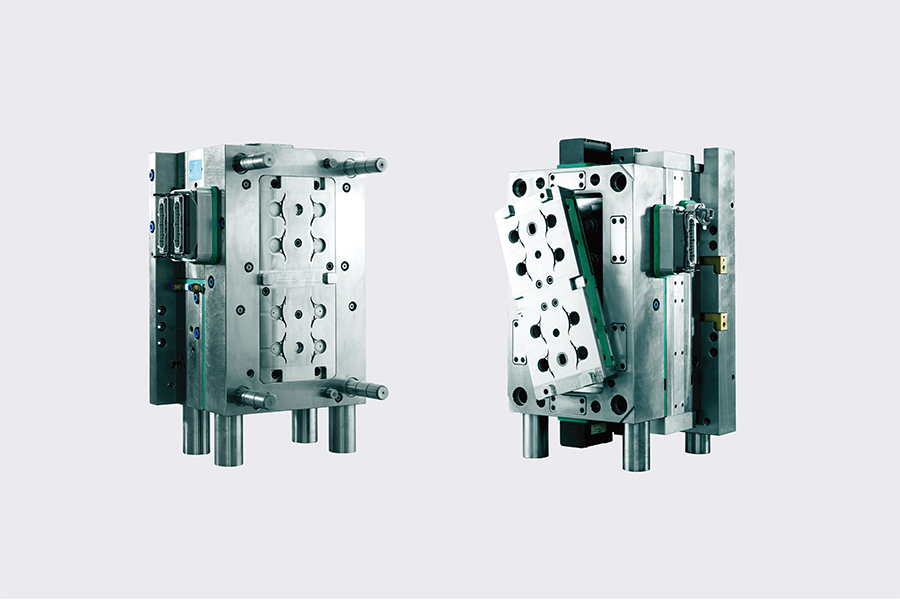
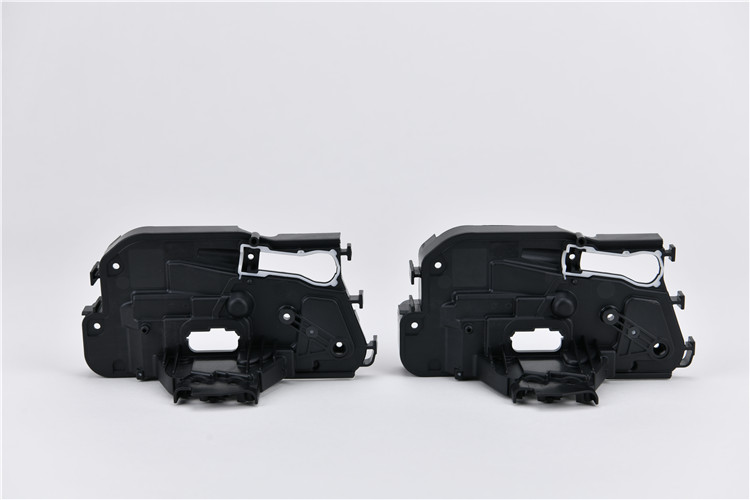
As the automotive industry pivots toward electrification and autonomous driving, the demand for high-precision injection mold tooling for automotive sensors and control components has reached an all-time high. Modern vehicles are essentially "computers on wheels," equipped with hundreds of sensors—ranging from LiDAR and radar to pressure and temperature sensors—that require robust, high-tolerance plastic housings and internal structures.
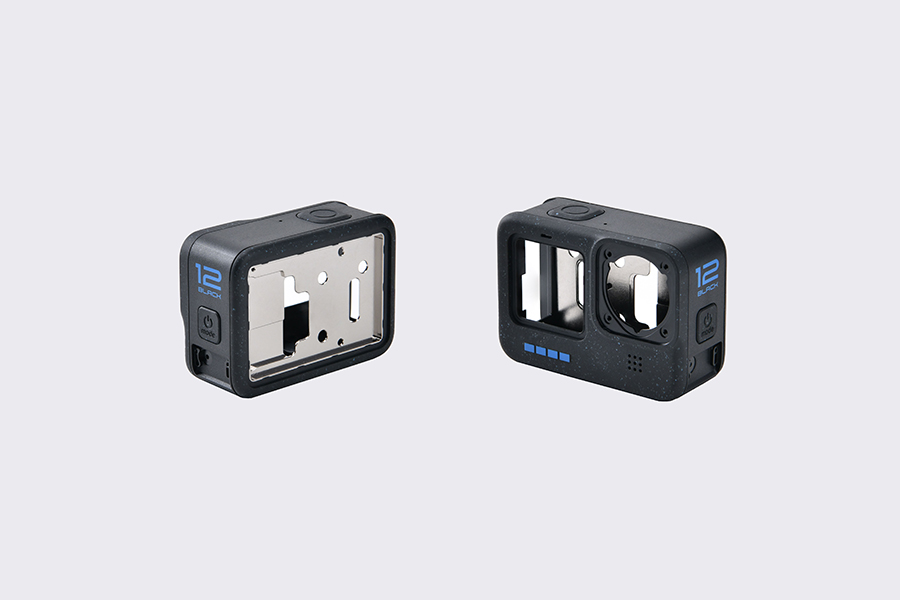
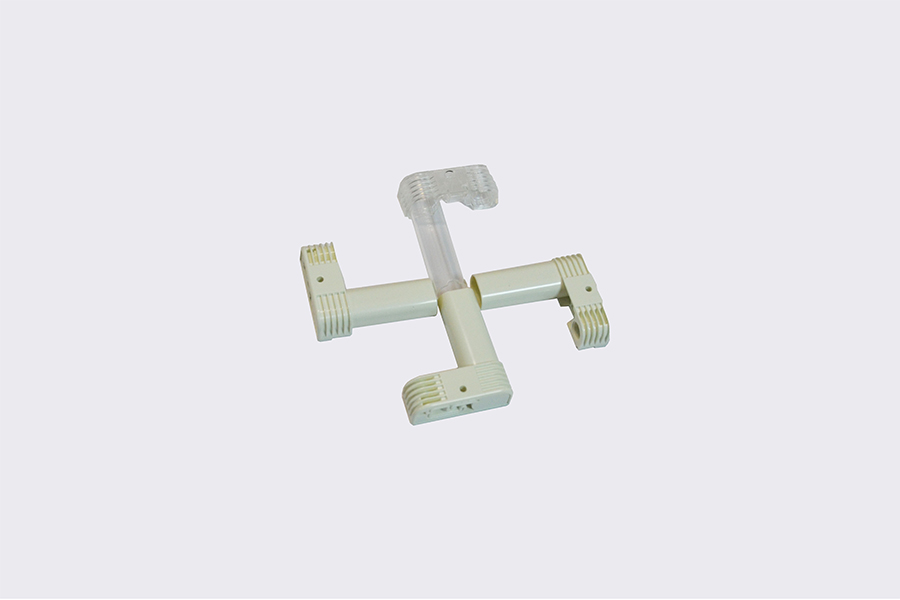
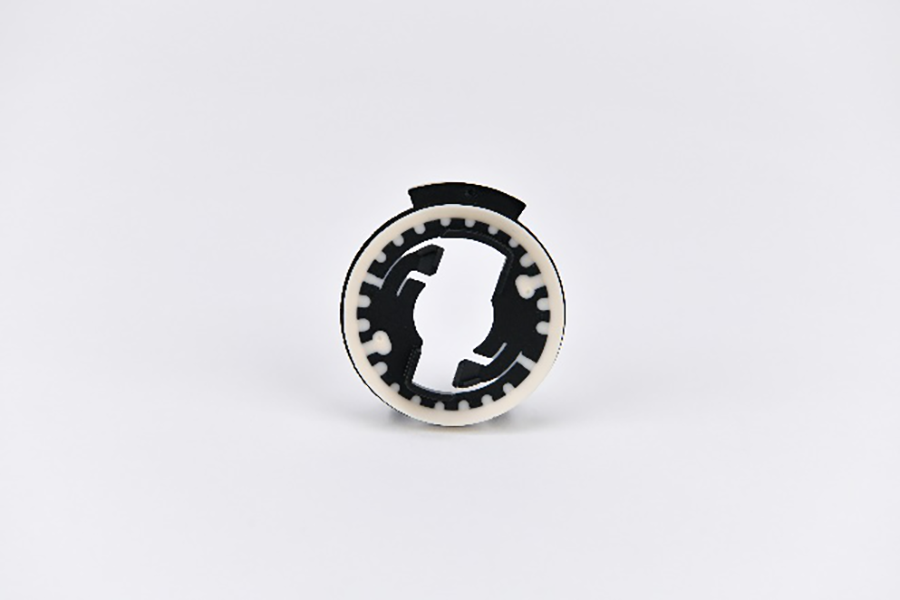
Industrial Trend: The shift from mechanical to electronic control systems (X-by-Wire technology) demands tooling that can handle complex geometries and multi-material integration (2K/3K molding) to ensure EMI shielding and environmental sealing.

High-Precision Requirements
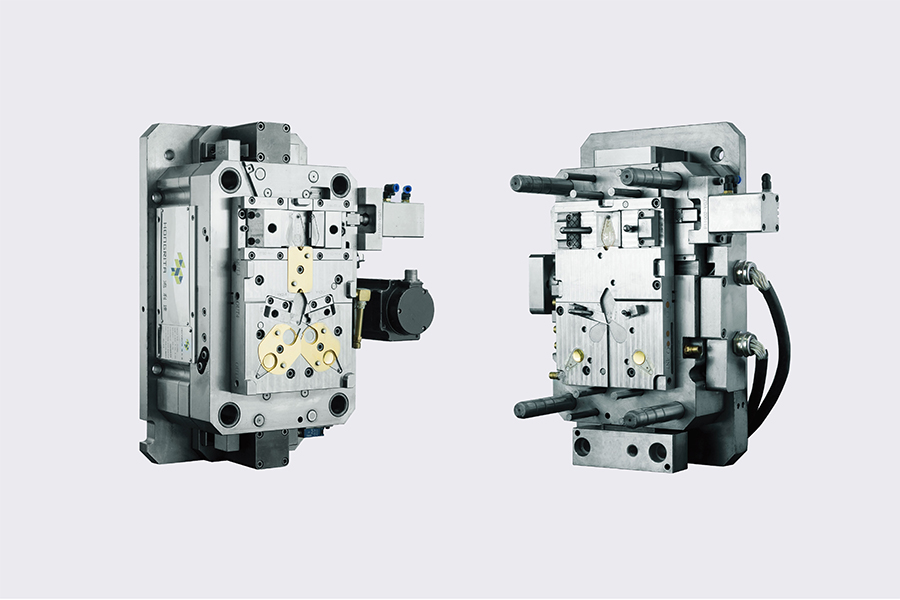
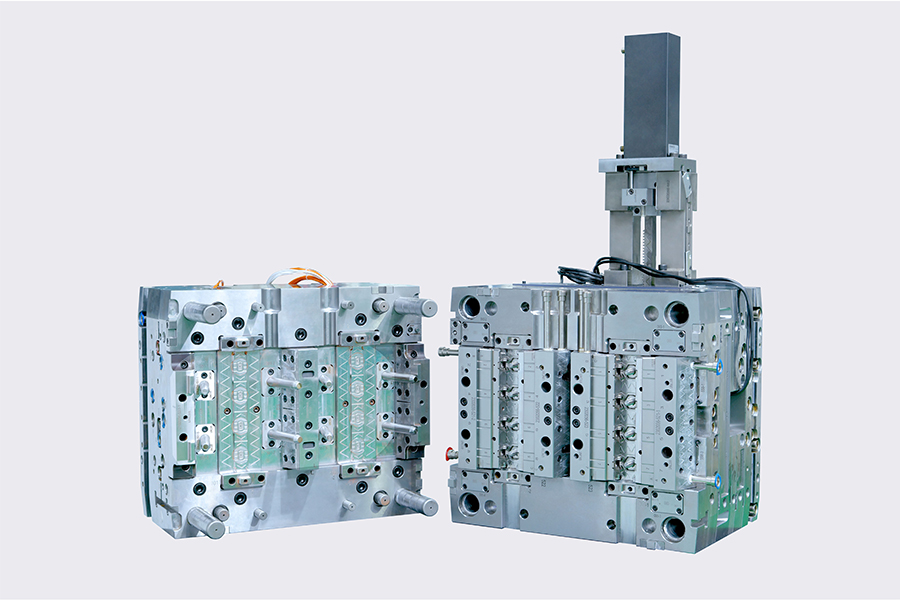
Automotive sensors operate in extreme environments. Tooling must guarantee tolerances within microns to ensure that delicate electronic chips and circuitry are perfectly aligned and protected against vibration, thermal expansion, and moisture ingress.
Global Footprint & Expertise
-
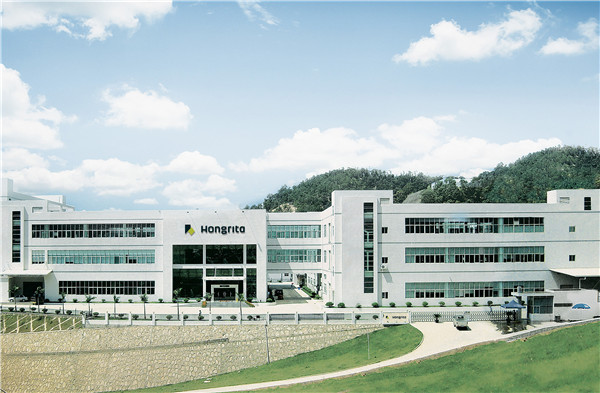
Shenzhen Facility
Focusing on the 3C and intelligent technology components business, overseas commercial mold business, and in-house use molds.
-
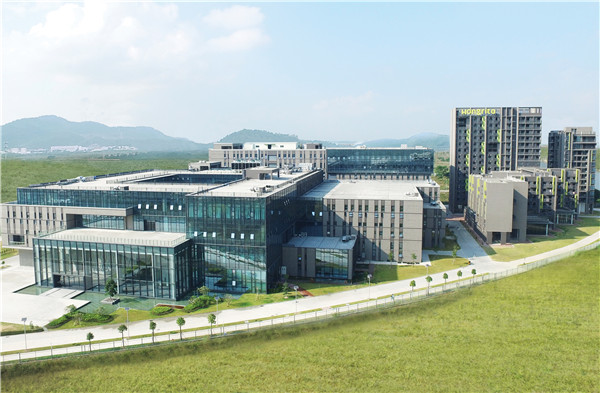
Zhongshan Innovation Hub
Serving as Hongrita's hub for innovation R&D, engineering, and the proving grounds of intelligent manufacturing.
-
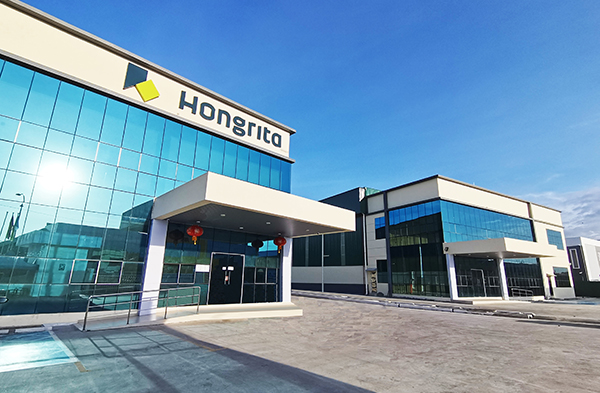
Penang, Malaysia
Developing tooling and molding business in Southeast Asia; serving as a training base for our overseas expansion.
Technological Evolution: LSR and Multi-Material Molding
One of the most significant advancements in automotive control component manufacturing is the application of Liquid Silicone Rubber (LSR) and multi-material injection molding. At Hongrita, we leverage these technologies to create integrated seals and gaskets directly onto the sensor housing, eliminating manual assembly steps and drastically reducing the risk of leakages.
Advanced Application Scenarios:
- ADAS Sensor Housings: Utilizing specialized polymers that are transparent to radar or LiDAR waves while providing structural integrity.
- Battery Management Systems (BMS): Precision molded components that manage high-voltage isolation and thermal dissipation in electric vehicles.
- HMI Control Interfaces: Creating tactile, durable, and aesthetically pleasing control buttons and panels using overmolding techniques.
Our Journey of Excellence

Founded in 1988
Mr. Felix Choi established Hongrita Mould Engineering Company, specializing in precision mold and hardware parts processing. His humble, diligent, and progressive spirit attracted a group of like-minded partners focused on manufacturing precision plastic molds.

Technological Breakthroughs (1993-2012)
Expanded into plastic molding and secondary processing. In 2003, we pioneered multi-material/multi-component molding. By 2012, Hongrita took the lead in Liquid Silicone Rubber (LSR) mold technology, becoming an industry benchmark.
Future Vision: The Lighthouse Factory
Now, Hongrita is moving towards building a world-class lighthouse factory by upgrading digital intelligence, AI application, and OKR management to improve efficiency and value creation.
Certifications & Qualifications
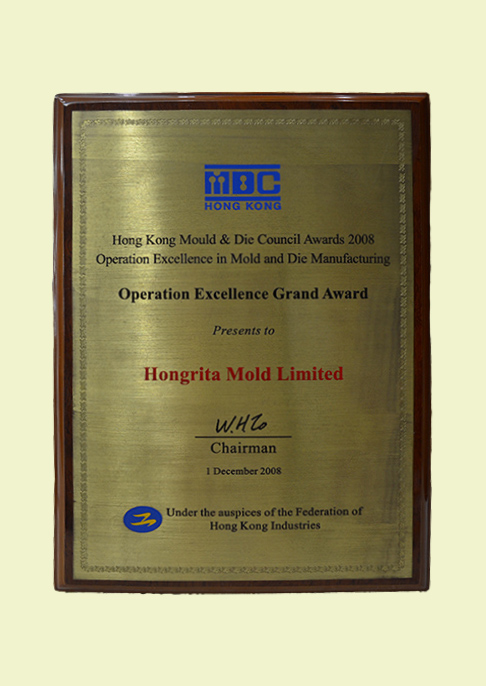
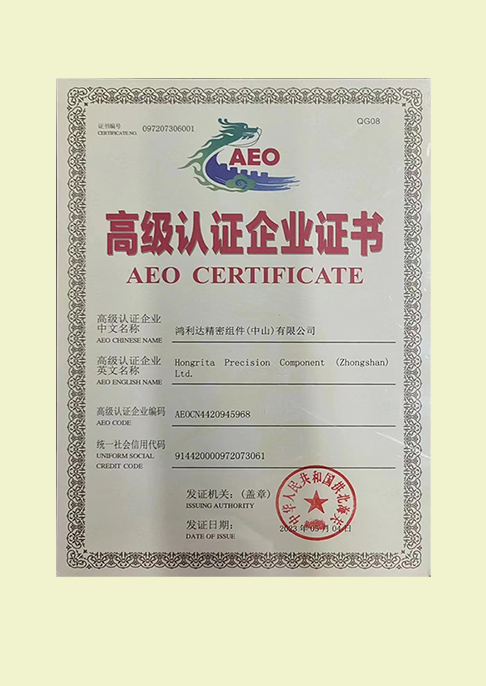
Hongrita has been certified with ISO14001, ISO9001, IATF16949, ISO13485, ISO45001, ISO/IEC27001, ISCC PLUS and has FDA registered.


MANAGEMENT METHODOLOGY


Vision
Create better value together.

Mission
Make a product better with innovative, professional and intelligent molding solutions.

Core Value
Passion, Collaboration, Innovation, Professionalism, Advancement, Sustainability.