Innovative Smart Device Component Solutions
Exploring state-of-the-art precision components optimized for next-generation smart devices, IoT wearables, and consumer electronics.
Commercial Landscape & Trends in Smart Device Tooling
The consumer electronics industry is experiencing a massive paradigm shift. As consumers demand thinner, lighter, and more powerful devices, the pressure on injection mold designers has reached unprecedented heights. Smart devices, including fitness trackers, smart home hubs, AR/VR headsets, and IoT sensors, require complex structural integrations that challenge traditional manufacturing constraints.
Today, injection mold design is no longer just about shaping plastic; it is about functional integration. Designers must incorporate thermal dissipation pathways, electromagnetic shielding (EMI), and multi-material structures directly into the tooling design. This minimizes secondary assembly steps, reduces production cycle times, and enhances the overall structural integrity of the device.
Key Trend: The convergence of cosmetic perfection and robust mechanical protection is driving the adoption of advanced LSR (Liquid Silicone Rubber) and multi-shot molding techniques.
Meeting the Demand for Miniaturization
With internal space in smart devices at a premium, walls are designed as thin as 0.4mm. Achieving this without structural defects like sink marks, warping, or short shots requires sophisticated mold flow analysis, high-performance mold steel, and micro-injection molding capabilities. Tooling designers must optimize gate locations and venting systems to manage extreme cavity pressures.
Additionally, the rise of 5G and high-frequency communication modules in consumer electronics demands materials that do not interfere with signal transmission. This requires mold designers to work hand-in-hand with material scientists to configure molds for engineering plastics like LCP (Liquid Crystal Polymer) and bio-based polyamides.
Hongrita's Core Competences
Hongrita's core competences form the foundation of our competitive edge in the precision plastic industry. Our focus on technological innovation, coupled with deep engineering expertise, allows us to deliver high-performance tooling solutions that meet the stringent requirements of the consumer electronics and smart device sectors.
By leveraging advanced simulation software, state-of-the-art tooling machinery, and automated manufacturing cells, we ensure that every mold designed is optimized for long production runs, minimal maintenance, and maximum yield.
Key Technology Pillars
- Technology Excellence & Engineering Consultation
- LSR (Liquid Silicone Rubber) Molding & Overmolding
- Multi-Component (2K/3K/4K) Molding Solutions
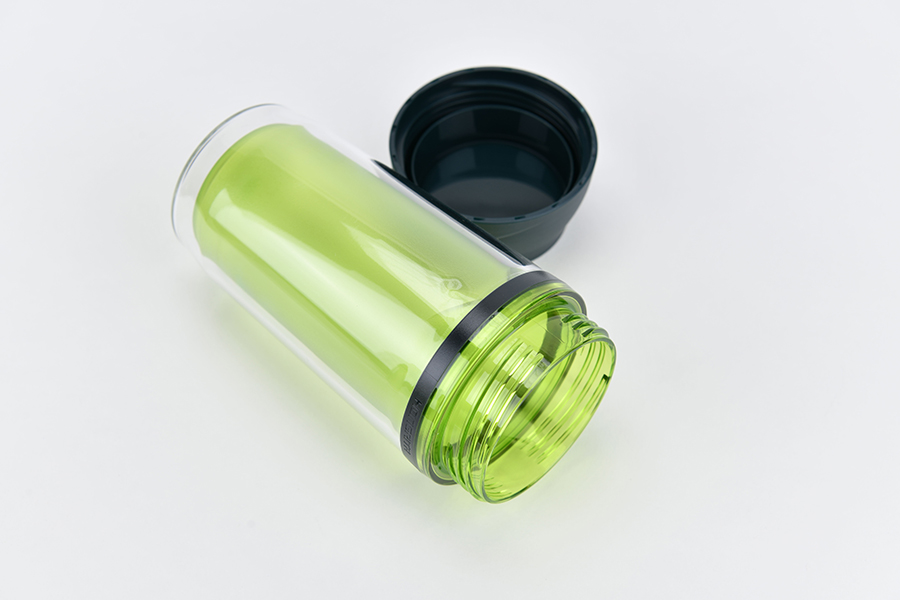
- ISBM (Injection Stretch-Blow Molding) for Complex Geometries
- High Performance Tooling Solutions with Conformal Cooling
- Smart Manufacturing & Digital Factory Integration
Advanced Molding Technologies for Smart Devices
How multi-material and liquid silicone rubber molding are revolutionizing ergonomics, waterproofing, and durability in modern hardware.
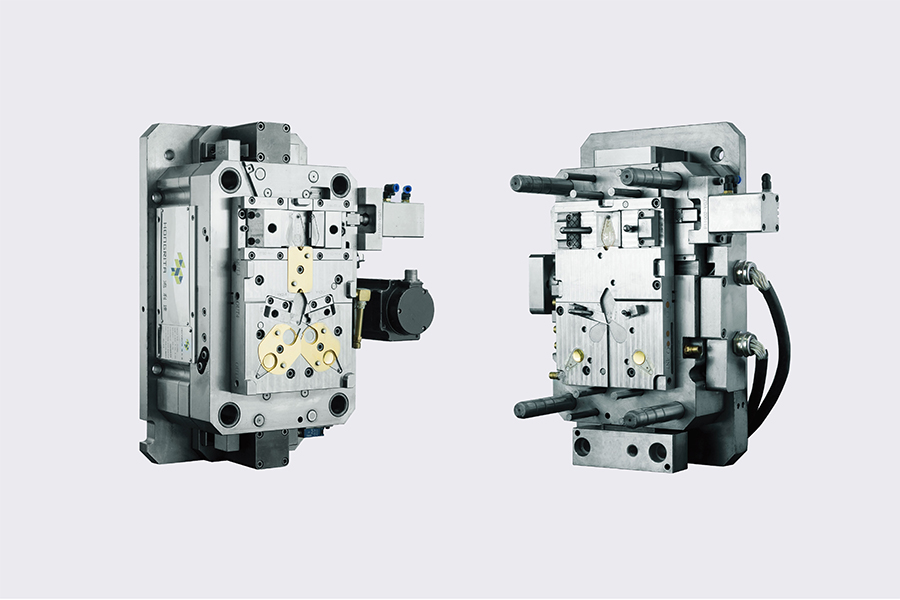
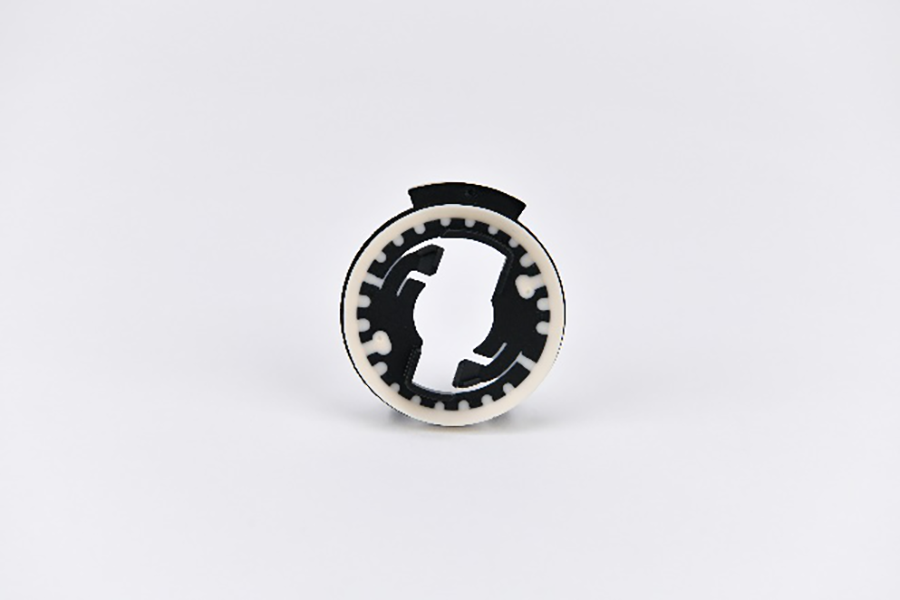
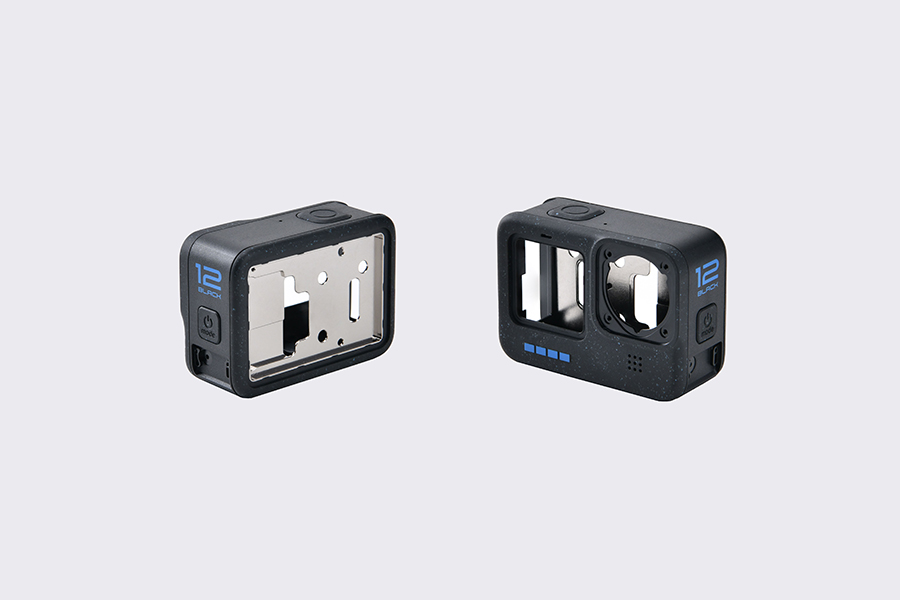
Multi-Component Injection Molding
Combine multiple plastics or hard-soft material configurations in a single cycle. Ideal for integrated buttons, seals, and multi-colored aesthetics.
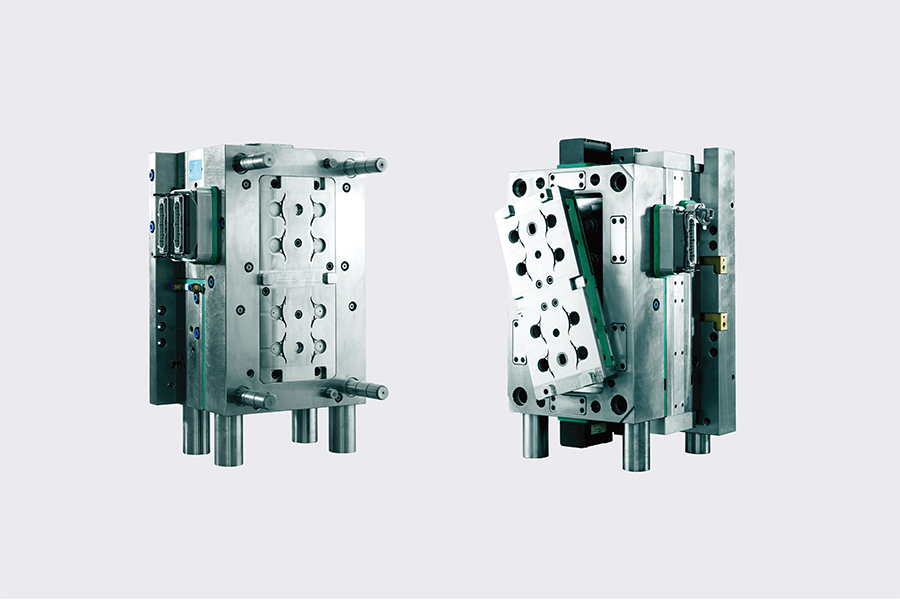
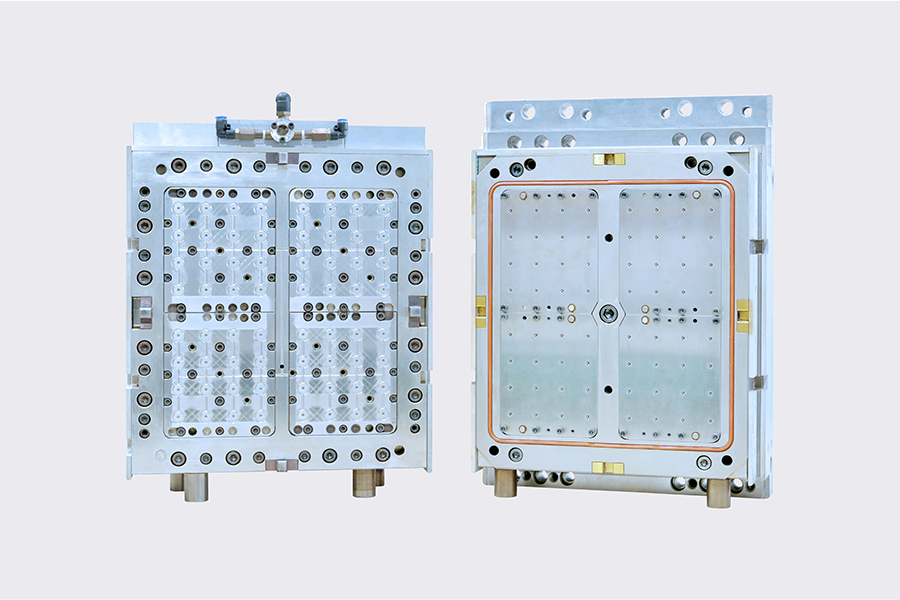
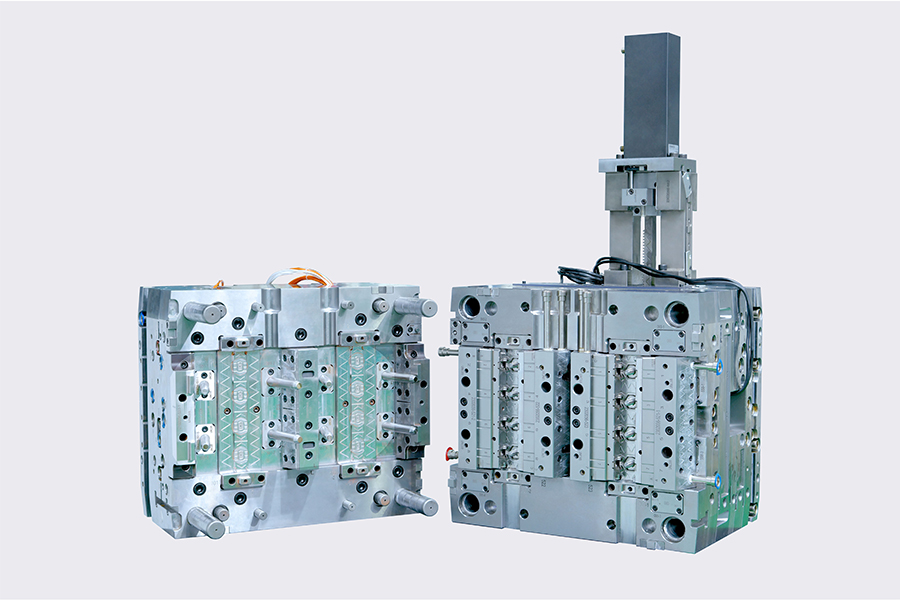
Multi-Cavitation Mold
High-cavity molds engineered for high-volume consumer electronics, ensuring cavity-to-cavity consistency and optimized cycle times.
LSR Injection Molding
Liquid Silicone Rubber molding offers superior biocompatibility, IP68 waterproofing, and chemical resistance for wearable smart devices.
Precision Molding & Equipment
Ultra-precision machining centers and injection presses capable of achieving micron-level tolerances for micro-optics and smart connectors.
Deep Application Scenarios in Smart Devices
1. Waterproofing (IP67/IP68) via LSR Overmolding
Wearable consumer electronics such as smartwatches, fitness bands, and wireless earbuds require robust protection against water, sweat, and dust ingress. Traditional mechanical seals or adhesives often fail over time. Mold design for LSR overmolding addresses this by chemically bonding liquid silicone rubber directly onto rigid plastic substrates (like PC or PA).
This requires extreme precision in mold sealing surfaces to prevent flash, as LSR has a very low viscosity. Tooling designers must incorporate complex shut-offs and precise thermal separation zones within the mold, as the plastic substrate requires a cool mold, while the LSR requires high temperatures to cure.
2. Structural Integration in AR/VR Headsets
Augmented and Virtual Reality headsets demand lightweight structures to ensure user comfort during extended wear. Mold designs utilize thin-wall molding and structural foaming techniques. Furthermore, optical lenses and display mounts inside VR headsets require absolute dimensional stability.
Hongrita's tooling design utilizes advanced conformal cooling channels created via 3D metal printing. This allows uniform cooling across complex, curved mold cavities, eliminating internal stresses that cause optical distortion or mechanical warping in the final molded parts.
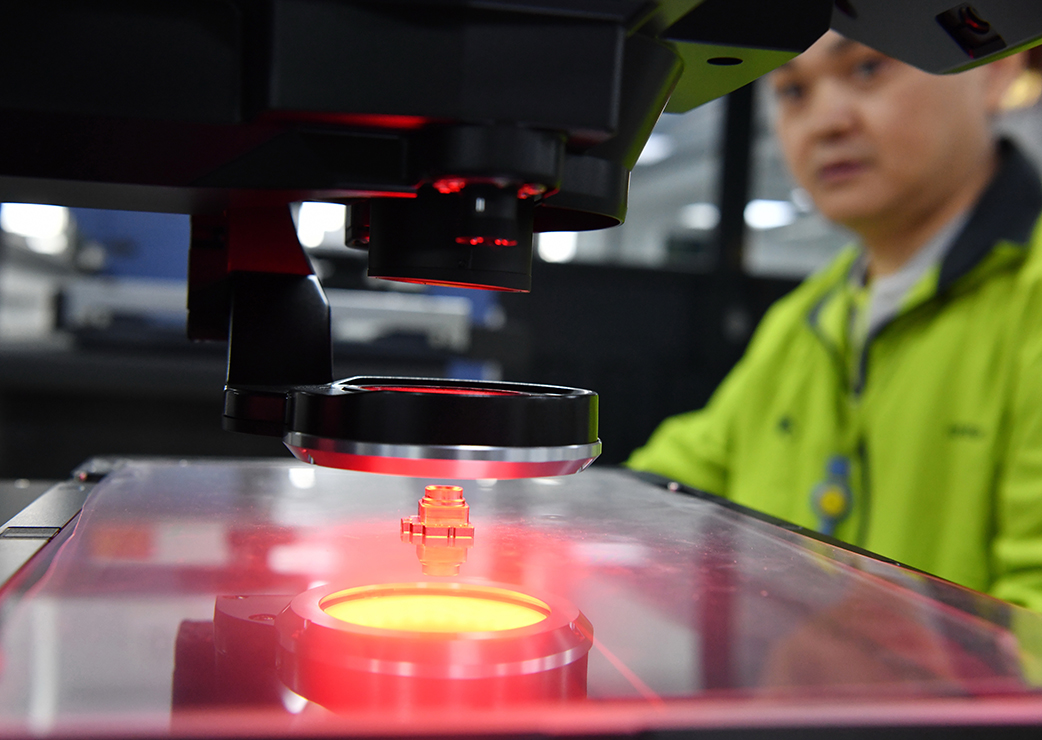
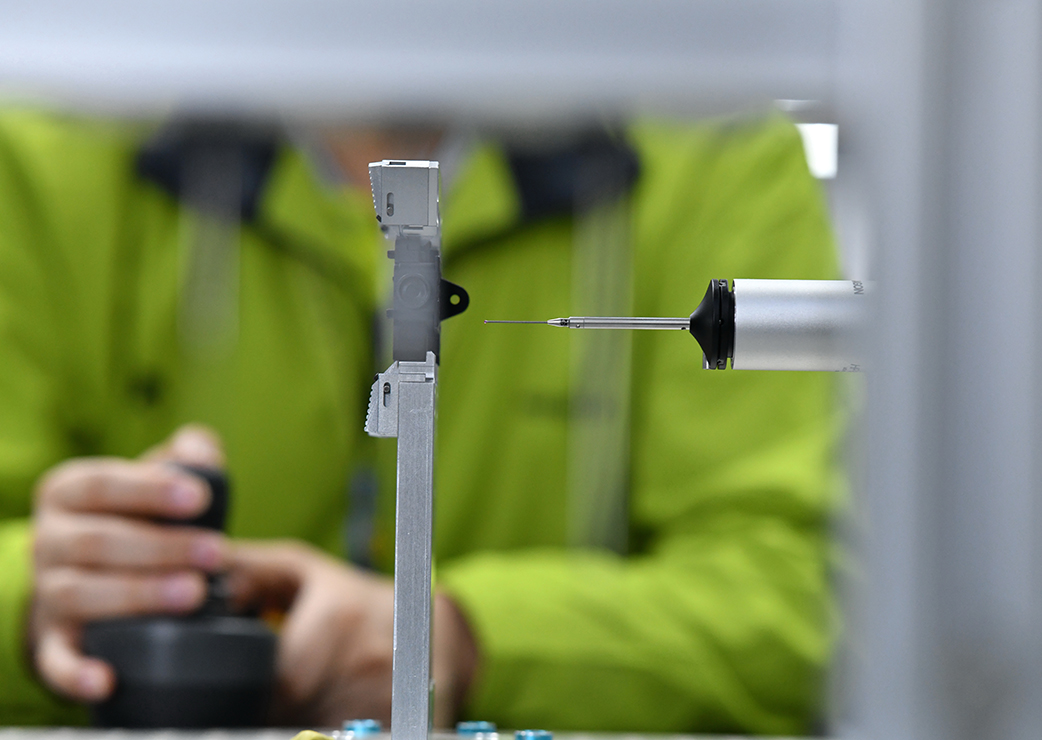
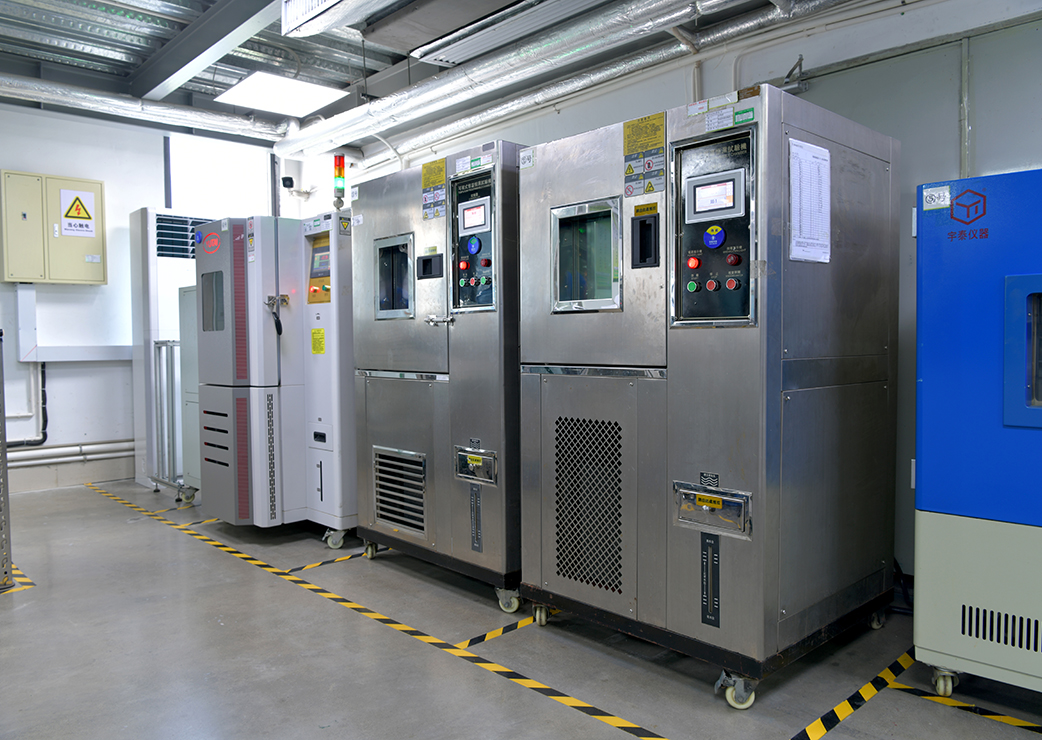
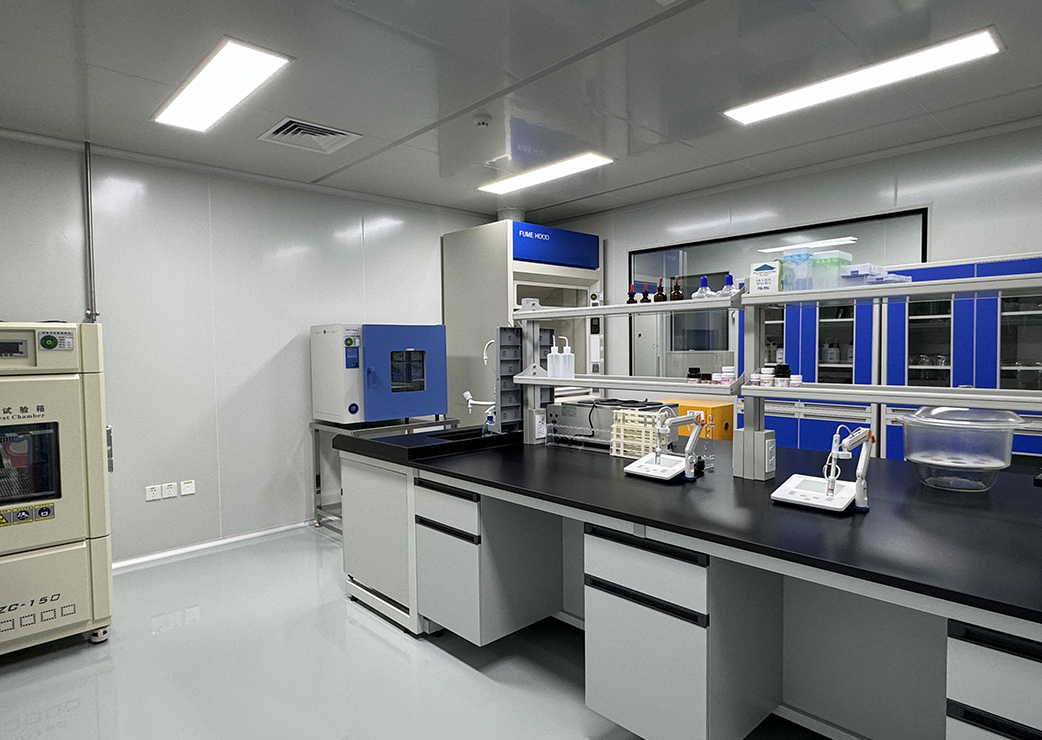
Advanced Laboratory & Quality Assurance
Ensuring reliability and precision through comprehensive testing, optical measurements, and environmental simulation.


Smart Manufacturing & Digital Platforms
The application of smart systems has enabled Hongrita to achieve better production automation, digital management, and AI decision-making. By integrating real-time sensor data from our injection molding machines, we optimize the factory's level of intelligence, streamline enterprise operational efficiency, and elevate quality management. This digital backbone strengthens our competitiveness in the global mold design and manufacturing industry.
High Performance Mold & Smart Manufacturing
Optimizing design cycles and production predictability through advanced simulation, mold flow analysis, and connected tooling diagnostics.
Precision Injection Molding Workshop
Equipped with robotic take-out arms, automated raw material feeding systems, and climate-controlled cleanroom environments.
Digital Management Systems
Real-time MES and ERP tracking systems to ensure complete traceability of materials, process parameters, and quality metrics.
Strengthening the Value Chain
Hongrita's core competences in ISBM, LSR molding, multi-component molding, tooling, and smart manufacturing collectively strengthen its position as a leading provider of precision plastic components and products. These competences allow Hongrita to deliver innovative and tailor-made solutions to diverse industries, including medical, healthcare, automotive, and rigid packaging, while continuously pursuing technological excellence and sustainable business management practices.
By addressing the challenges of mold design early in the product development lifecycle, we help consumer electronics and smart device brands reduce time-to-market, minimize tooling iteration costs, and launch products that stand out in a highly competitive marketplace.
Comprehensive Product Portfolio
Browse our full spectrum of precision engineered components, from automotive safety parts to lifestyle electronic accessories.