The Evolution of Plastic Injection Molding in Industrial Equipment
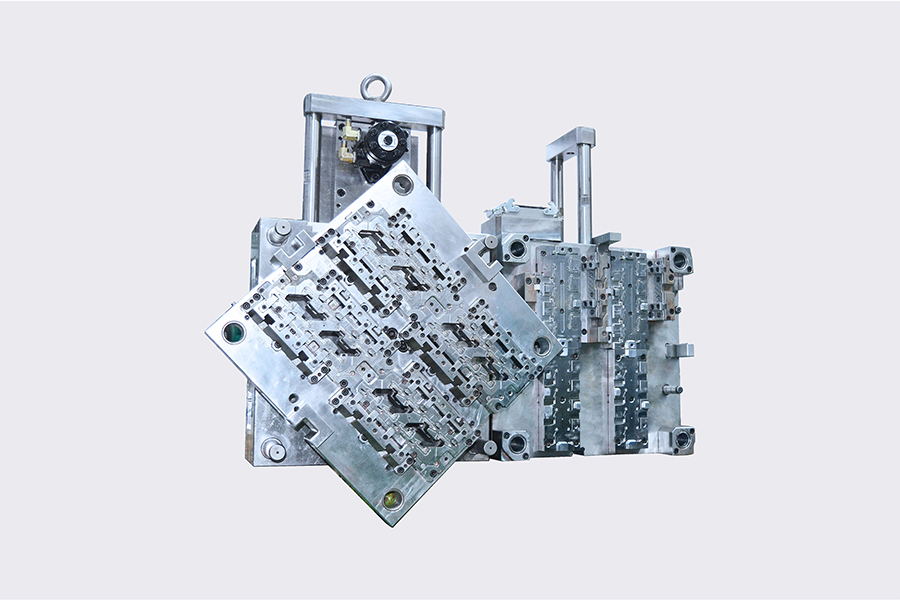
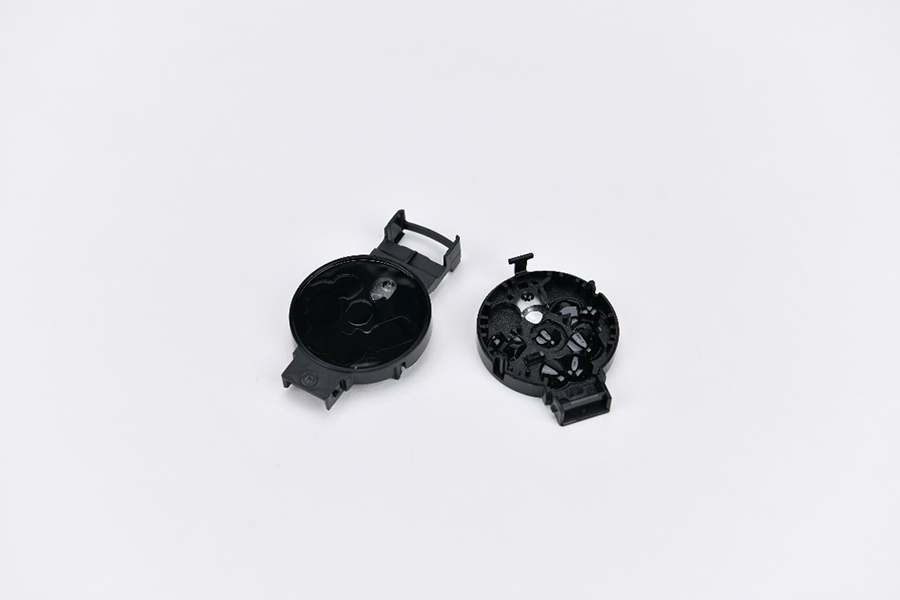
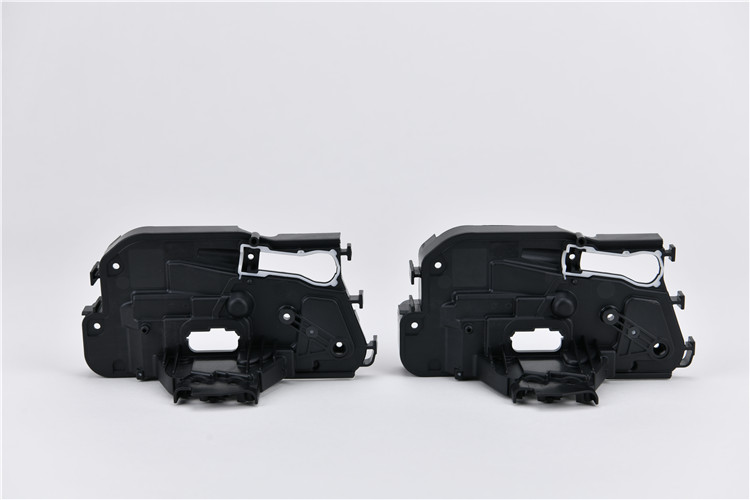
Industrial plastic injection molding has transcended beyond simple part production. In the realm of Industrial Instruments and Equipment, the demand for high-performance polymers and precision engineering has never been higher. Today, companies like Hongrita are at the forefront of this evolution, integrating advanced materials with smart manufacturing processes to create components that withstand extreme environments.
Material Innovation
Utilization of PEEK, PPS, and reinforced polyamides to replace metal parts, reducing weight while maintaining structural integrity.
Precision Tolerance
Achieving micron-level accuracy for sensor housings and metrology equipment through high-performance tooling.
Smart Integration
Embedding electronics and sensors directly into molded parts (In-Mold Electronics) for the next generation of IoT-enabled industrial tools.
Core Competences in Industrial Molding
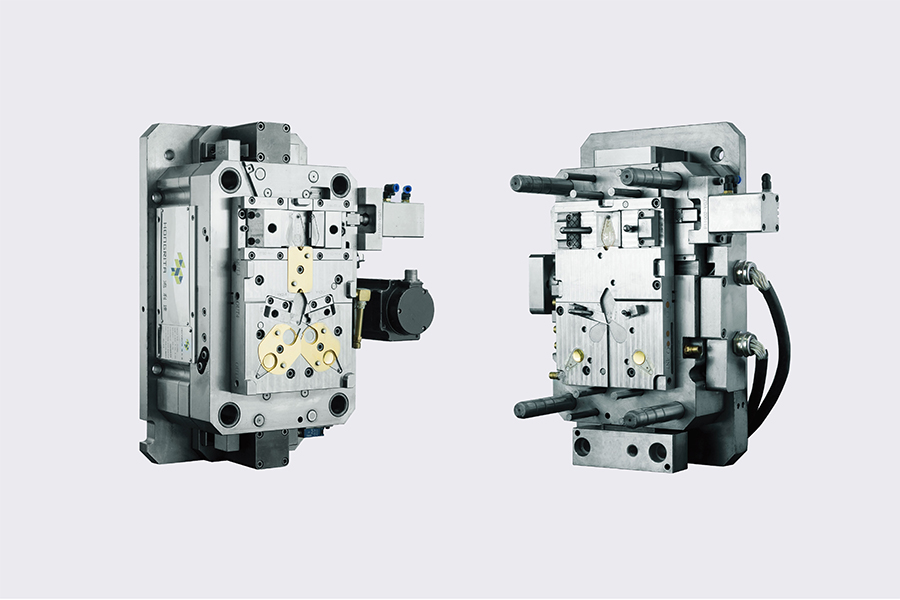
Hongrita's core competences form the foundation of the competitive edge in the plastic industry, specifically tailored for complex industrial equipment:
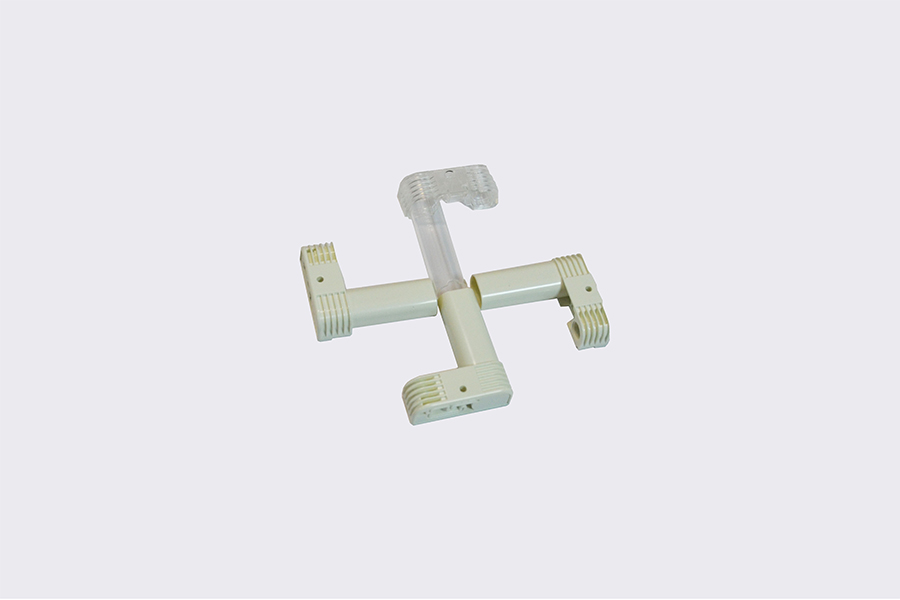
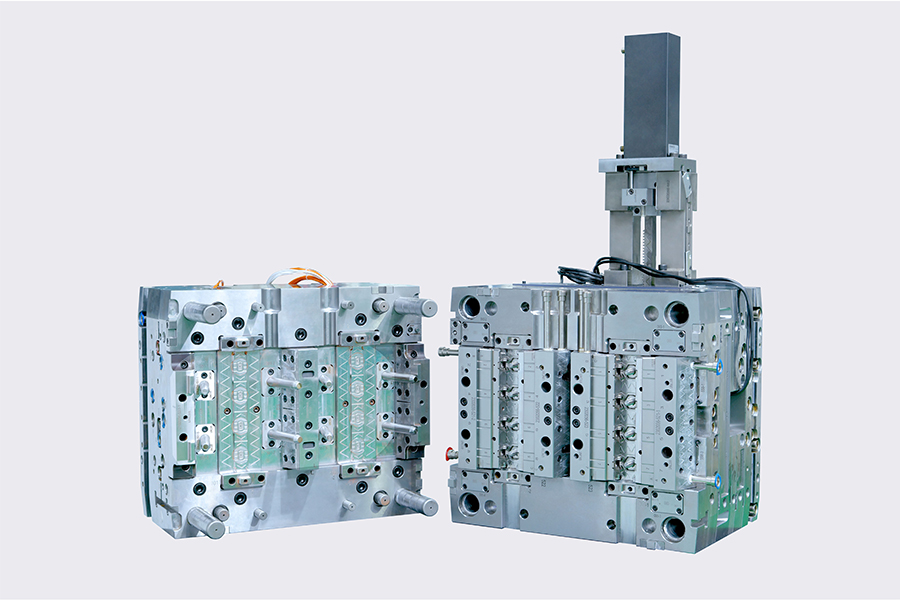
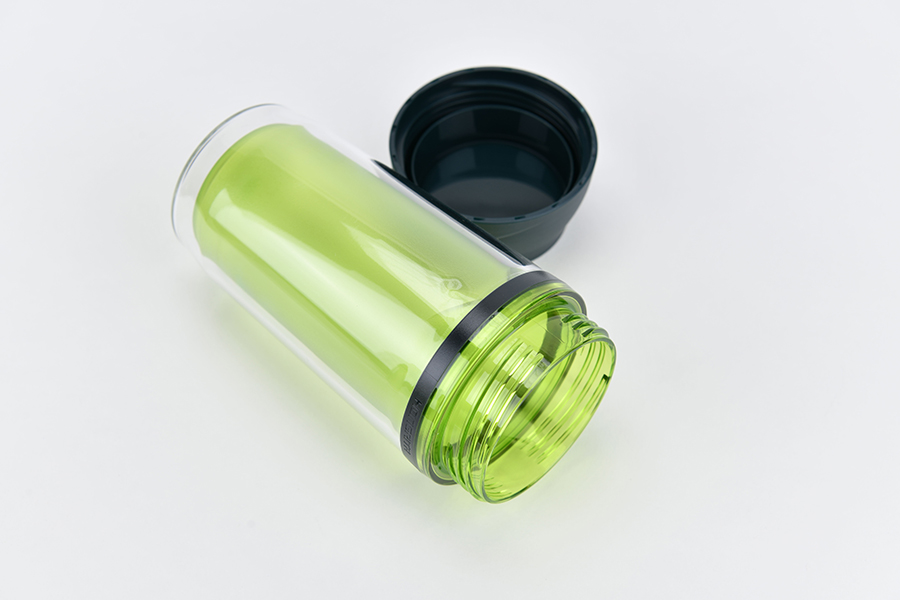
Hongrita's core competences in ISBM, LSR molding, multi-component molding, tooling, and smart manufacturing collectively strengthen its position as a leading provider of precision plastic components. These competences allow Hongrita to deliver innovative and tailor-made solutions to diverse industries, including medical, healthcare, automotive, and rigid packaging.
Deep Application Scenarios for Industrial Equipment
1. Metrology and Optical Instruments
Precision is non-negotiable. Our multi-component molding allows for the creation of vibration-dampening housings that protect sensitive optical sensors. By using non-reflective, high-stability plastics, we ensure that industrial measurement tools maintain calibration even under thermal stress.
2. Harsh Environment Enclosures
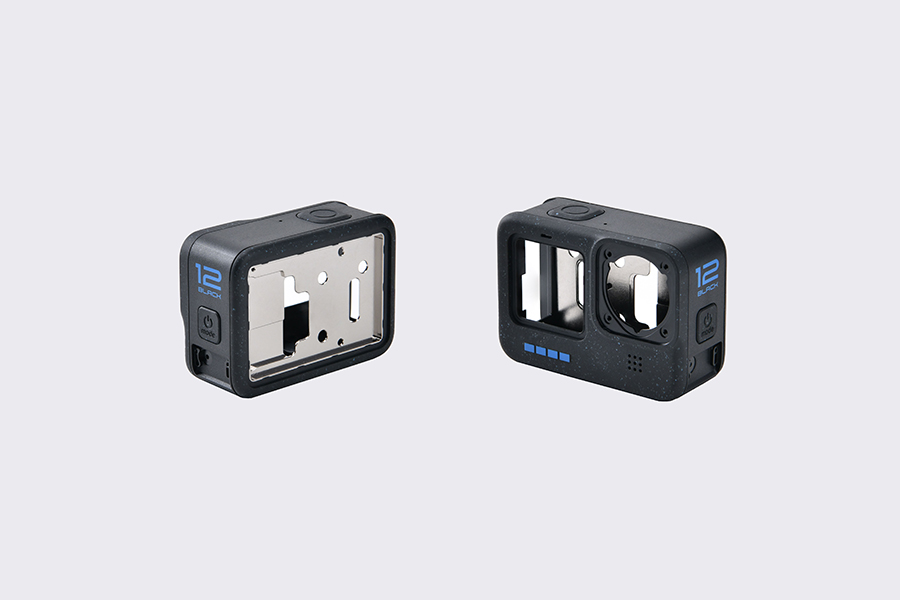
Industrial instruments often operate in chemically aggressive or high-heat environments. Using LSR (Liquid Silicone Rubber) overmolding, we provide IP68-rated sealing for electronic enclosures, ensuring durability against dust, water, and corrosive agents.
Advanced Laboratory & Quality Assurance
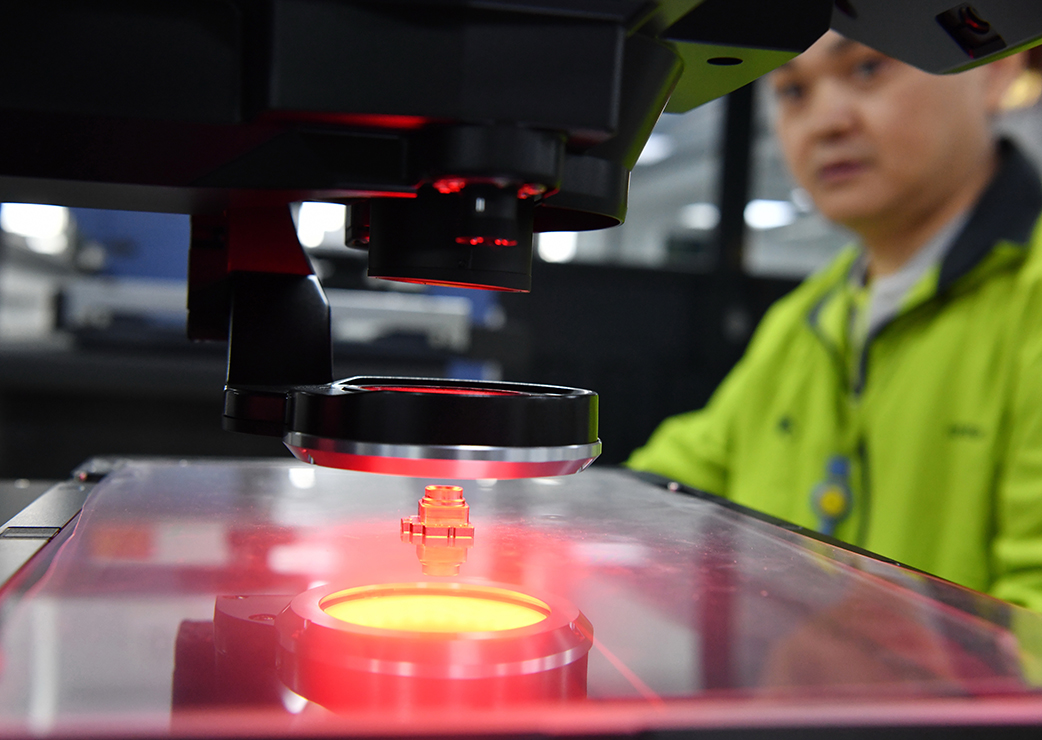
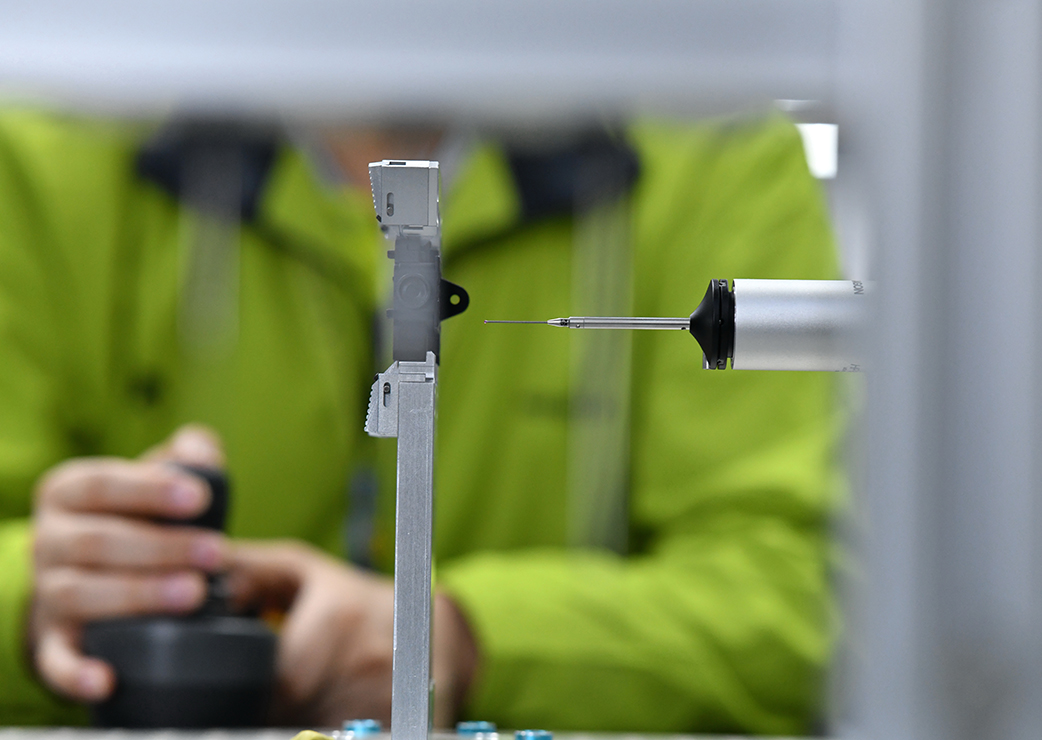
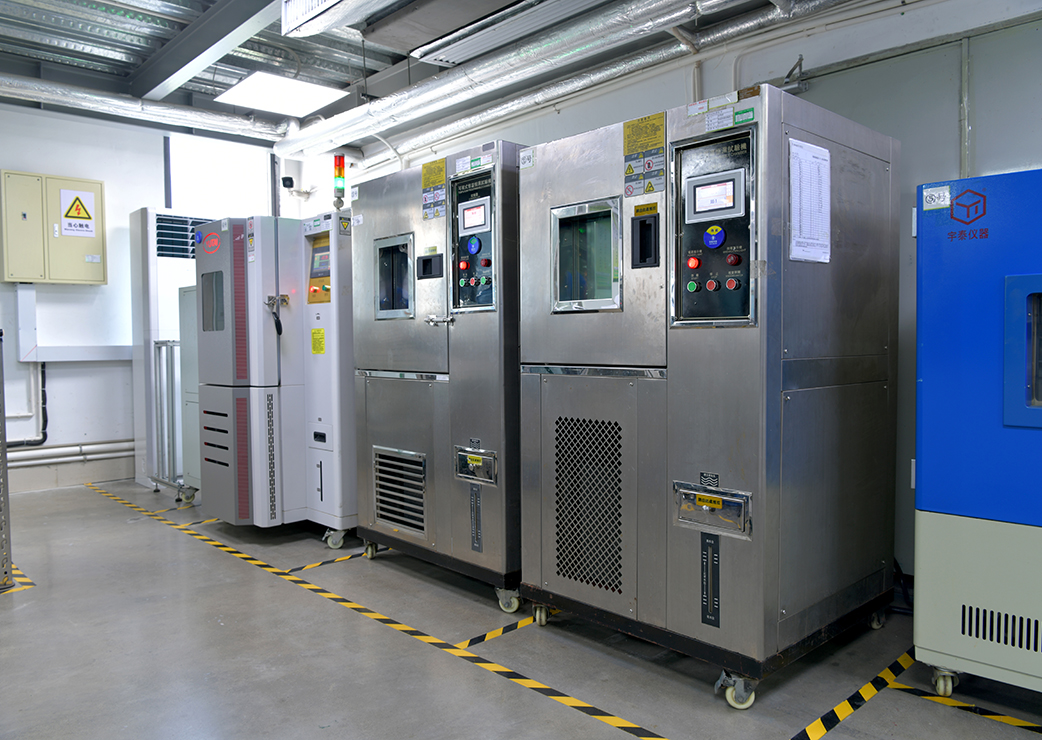
Quality control is the backbone of industrial equipment manufacturing. Our state-of-the-art laboratory ensures every component meets rigorous international standards.
- Optical Measurements: High-precision, non-contact measurement for complex geometries.
- Physical & Environmental Testing: Simulating real-world stress and climate conditions.
- Reliability Testing: Ensuring long-term performance for industrial life cycles.
- Microbiological & Chemical Lab: Specialized testing for medical and food-grade industrial instruments.

AI-Driven Smart Manufacturing
The application of smart systems has enabled Hongrita to achieve better production automation, digital management, and AI decision-making. This enhances the factory's level of intelligence and optimizes enterprise operational efficiency.
Future Trends in Industrial Plastic Molding
As we look toward Industry 4.0, several key trends are shaping the future of industrial equipment components:
Sustainability & Bio-Polymers
The shift towards circular economy is driving the use of recycled resins and bio-based plastics in industrial housings without compromising durability.
Additive Manufacturing Integration
Combining 3D printing for rapid prototyping with injection molding for mass production to shorten the "Time-to-Market" for new industrial instruments.