Precision Engineered Applications
The Landscape of Plastic Injection Molding in Portugal
Portugal has established itself as one of the primary pillars of the European tooling and plastic injection molding industries. Concentrated heavily in industrial clusters such as Marinha Grande and Oliveira de Azeméis, the country boasts a rich heritage of engineering excellence, mold design, and high-precision manufacturing. For global companies looking to source custom plastic components, Portuguese manufacturers offer a unique blend of European quality standards, advanced technological capabilities, and strategic geographical proximity to major European markets.
The synergy between mold making and injection molding in Portugal is unparalleled. Historically renowned for complex mold manufacturing, Portuguese factories have evolved to integrate state-of-the-art injection molding facilities directly alongside their tooling workshops. This integration minimizes tool-testing cycle times and guarantees seamless transitions from design prototype to mass production. Today, Portugal's injection molding ecosystem serves critical sectors including the automotive, medical device, packaging, and consumer electronics industries.
Evolving Industrial Trends in the Iberian Peninsula
The injection molding sector in Portugal is currently undergoing a massive digital transformation, aligning with Industry 4.0 paradigms. Key trends shaping the industry include:
- Sustainable and Bio-based Polymers: Driven by stringent EU environmental regulations, Portuguese factories are pioneering the processing of biodegradable plastics, post-consumer recycled (PCR) resins, and lightweight materials to minimize carbon footprints.
- Liquid Silicone Rubber (LSR) Integration: The demand for multi-material parts has led to the adoption of advanced co-injection and overmolding technologies, combining rigid plastics with flexible LSR for medical seals, automotive connectors, and baby care products.
- AI-Driven Smart Manufacturing: The implementation of IoT sensors within molds and injection machines allows for real-time monitoring of pressure, temperature, and cycle consistency, predicting defects before they occur.
Core Competences
Hongrita's core competences form the foundation of the competitive edge at plastic industry:
- Technology Excellence
- LSR (Liquid Silicone Rubber) Molding
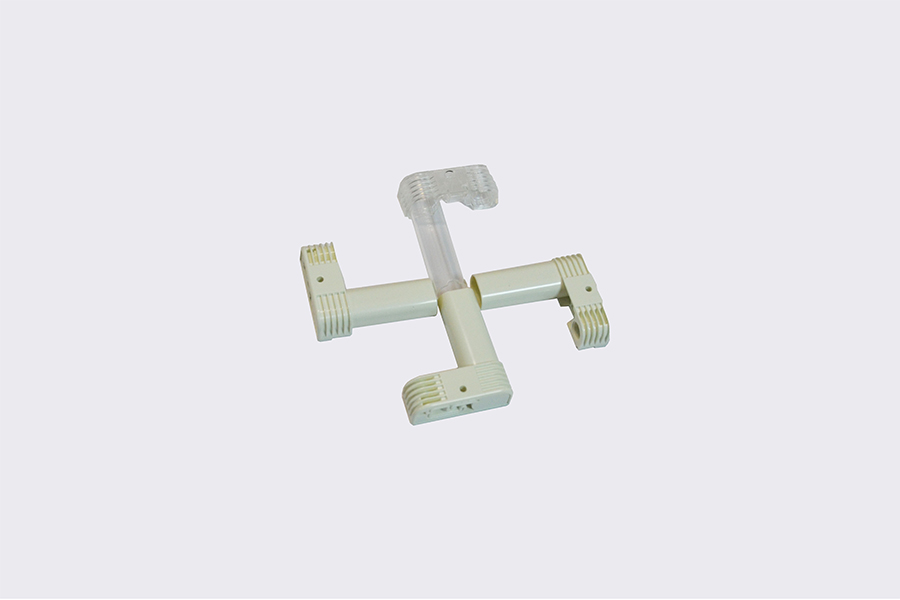
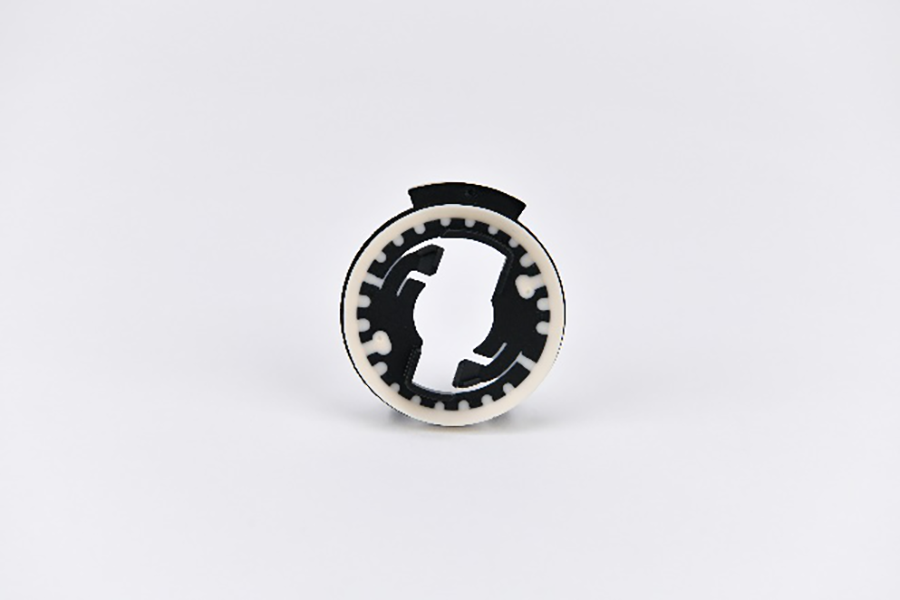
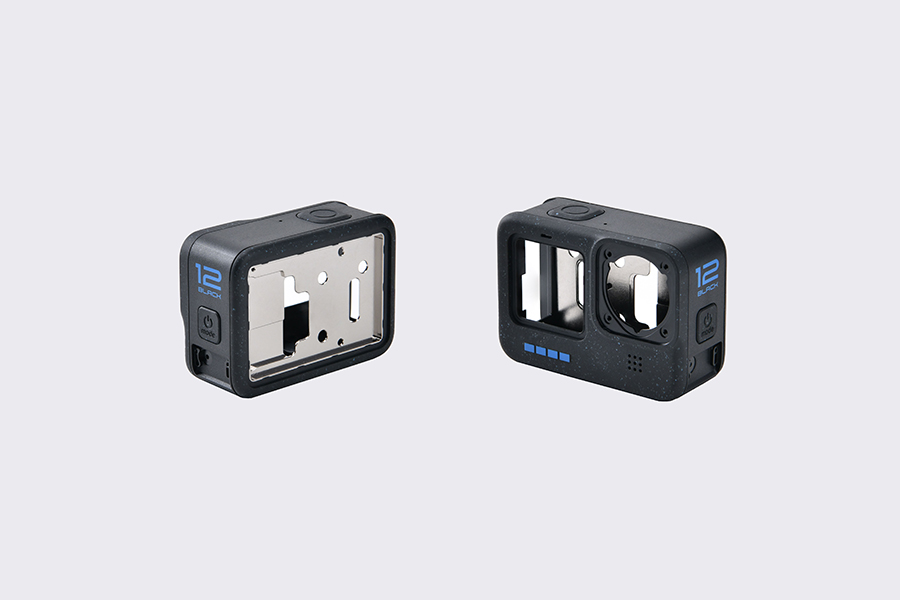
- Multi-Component Molding
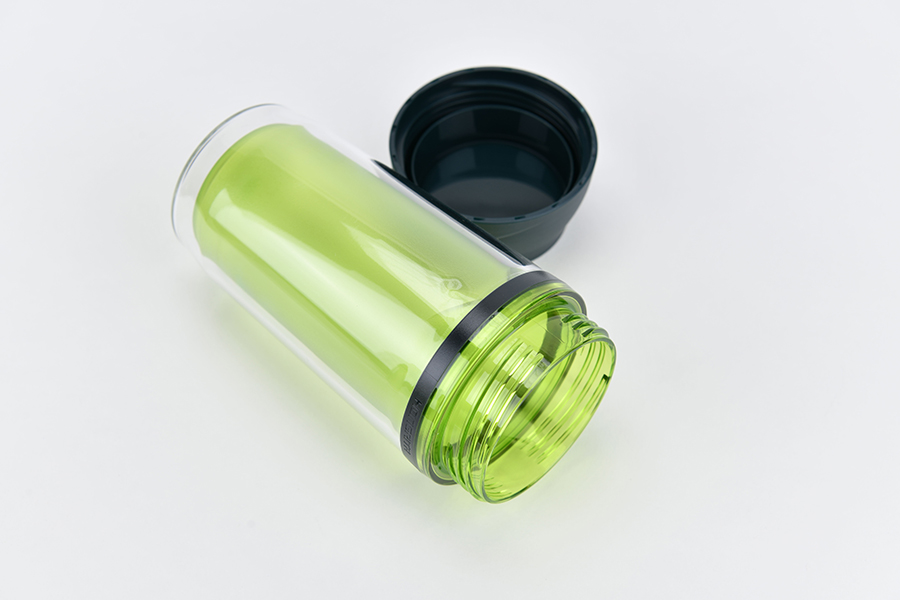
- ISBM (Injection Stretch-Blow Molding)
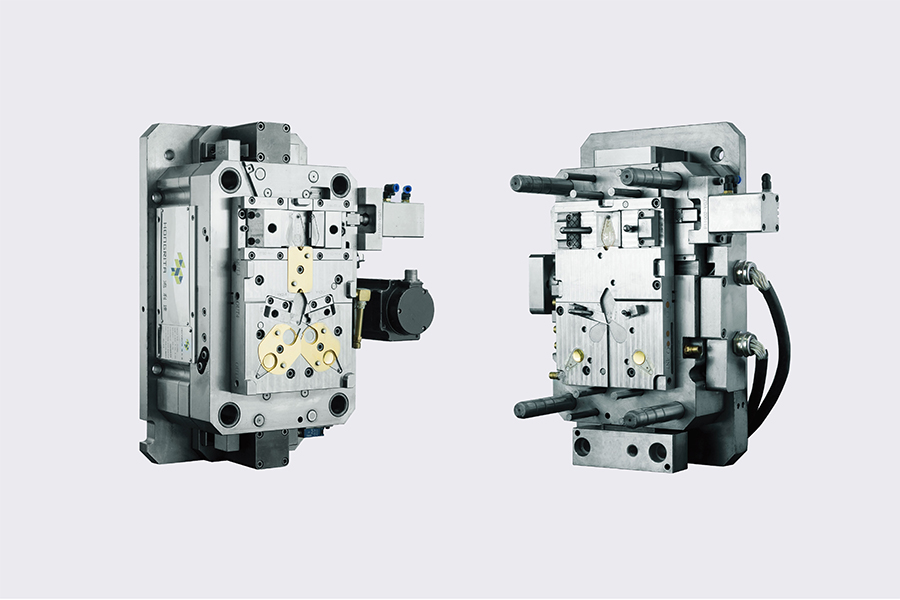
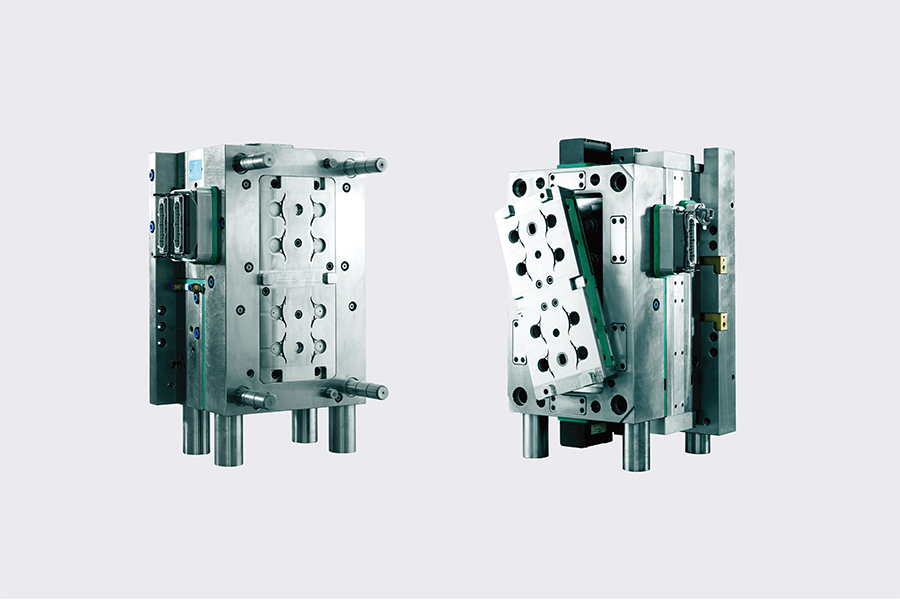
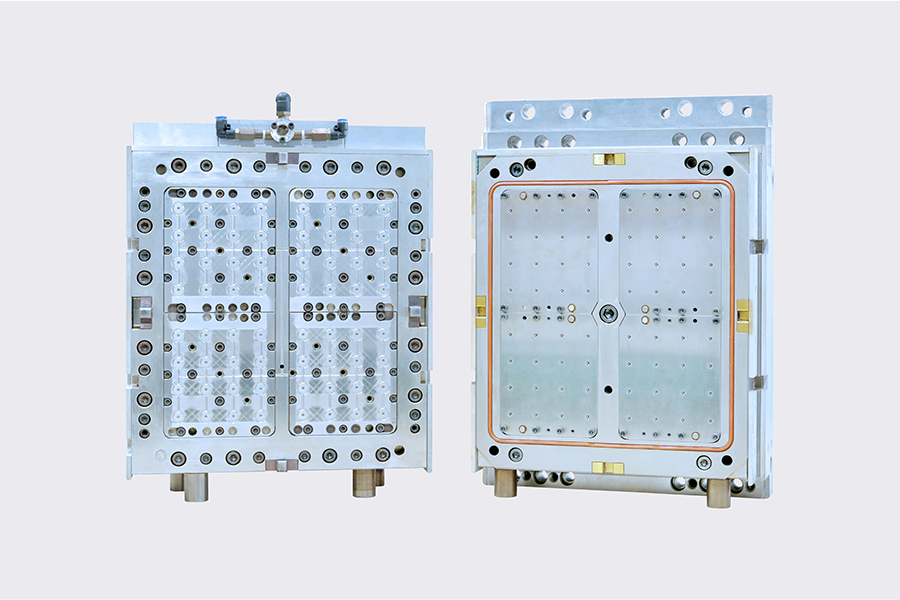
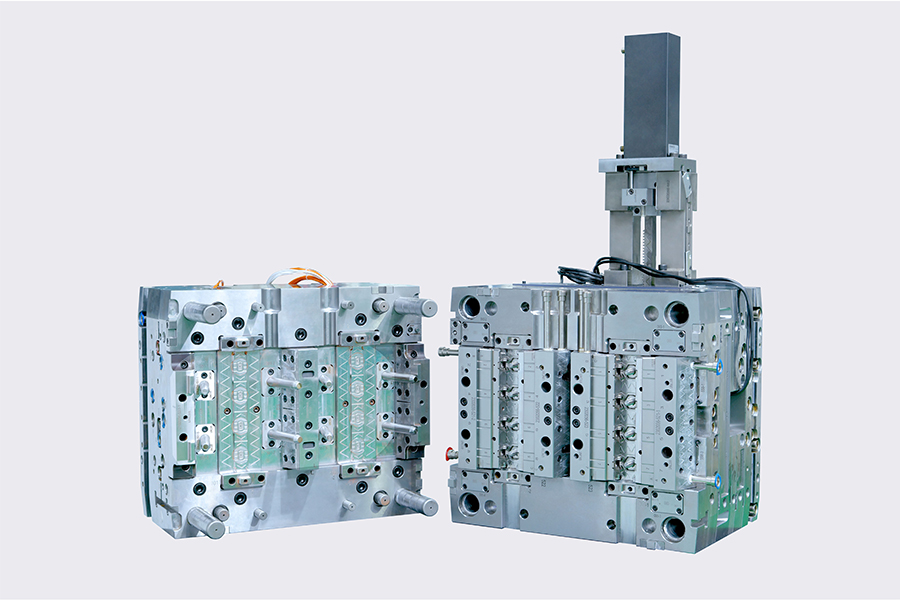
- High Performance Tooling Solutions
- Smart Manufacturing
Hongrita's core competences in ISBM, LSR molding, multi-component molding, tooling, and smart manufacturing collectively strengthen its position as a leading provider of precision plastic components and products. These competences allow Hongrita to deliver innovative and tailor-made solutions to diverse industries, including medical, healthcare, automotive, and rigid packaging, while continuously pursuing technological excellence and sustainable business management practices.
By integrating these advanced technological workflows, we ensure that our manufacturing pipelines meet the highest global quality benchmarks. Our engineering teams collaborate closely with clients to optimize design-for-manufacturing (DFM) protocols, reducing raw material waste and cycle times while maximizing tool longevity.
Multi-Component & Precision Molding Solutions
Our manufacturing facilities are equipped to handle high-complexity molding tasks. From multi-material interfaces to high-cavitation production molds, we deliver precision that matches the strict tolerances required by automotive and medical sectors.
Advanced Metrology & Laboratory Testing
-
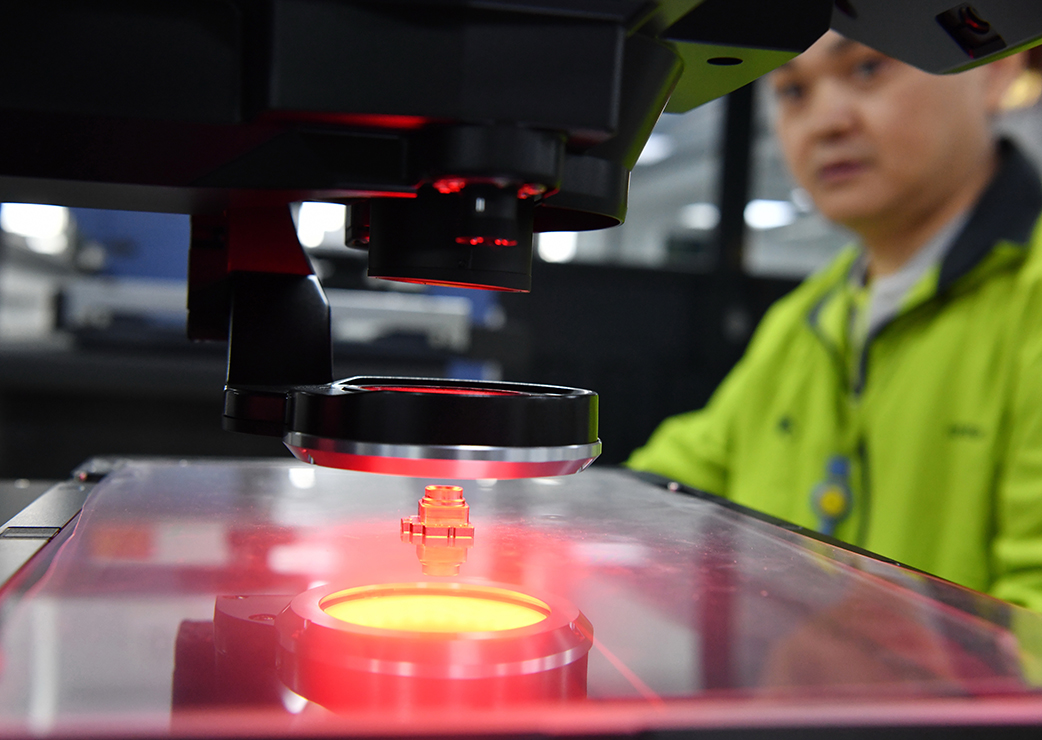
Optical Measurements
- High-precision measurement
- Non-contact measurement
- Production efficiency improvement
- Quality control and improvement
- Research and innovation in new materials
-
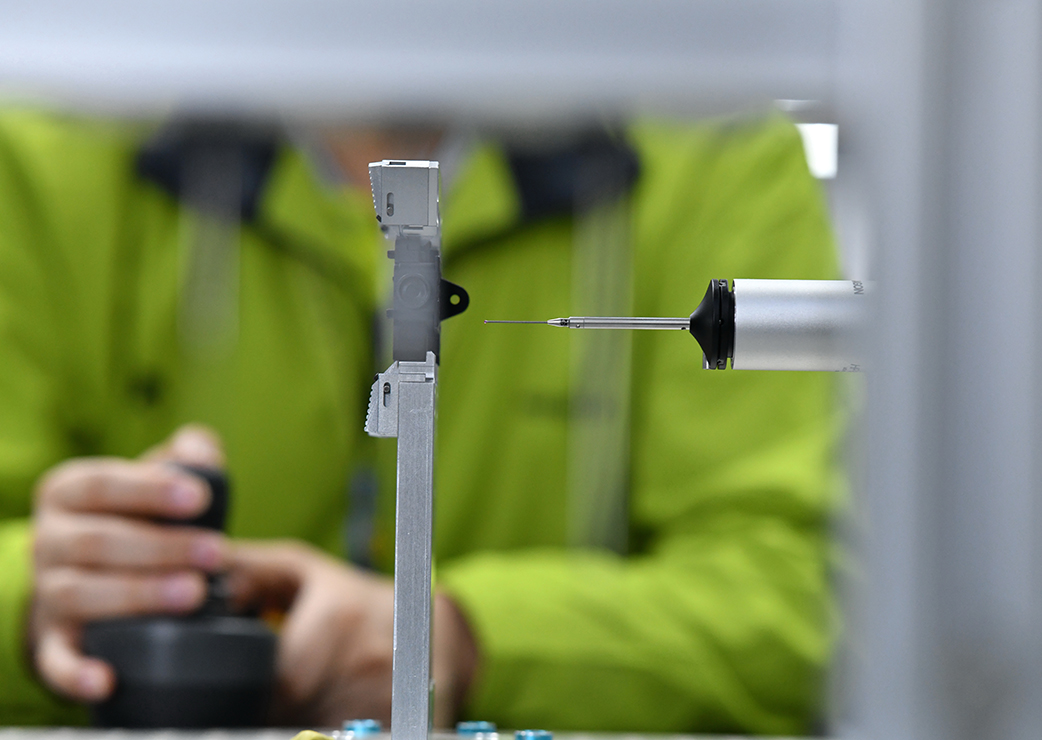
Physical Measurements
-
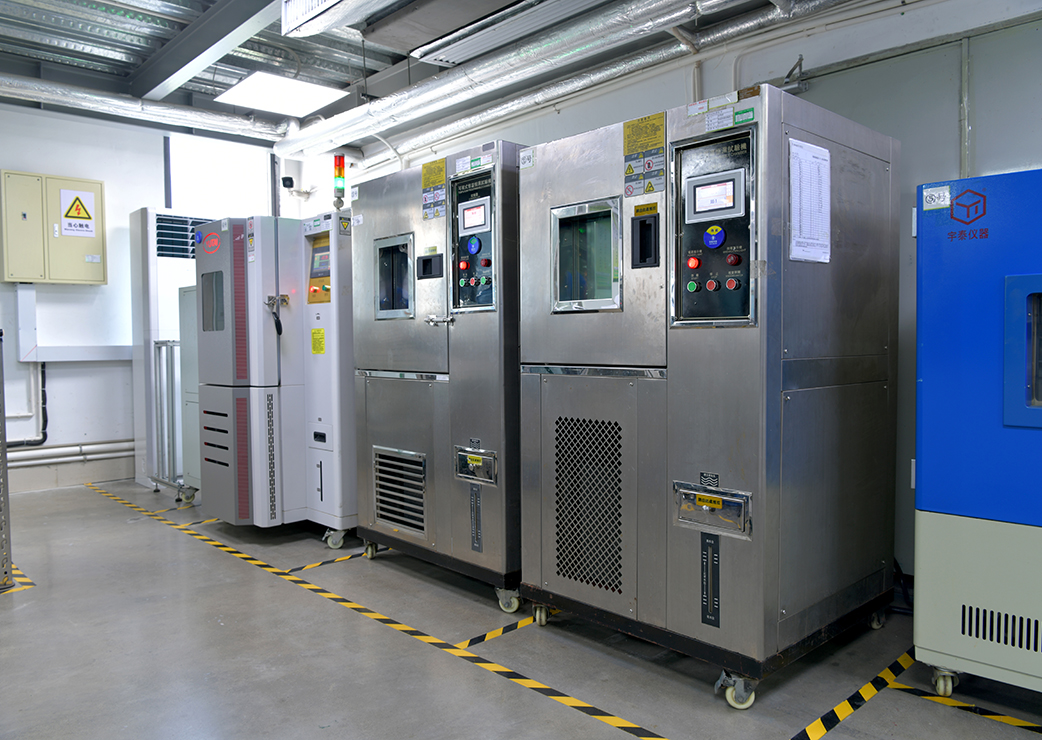
Environmental Testing
-
Reliability Testing
-
Baby Care Product Testing
-
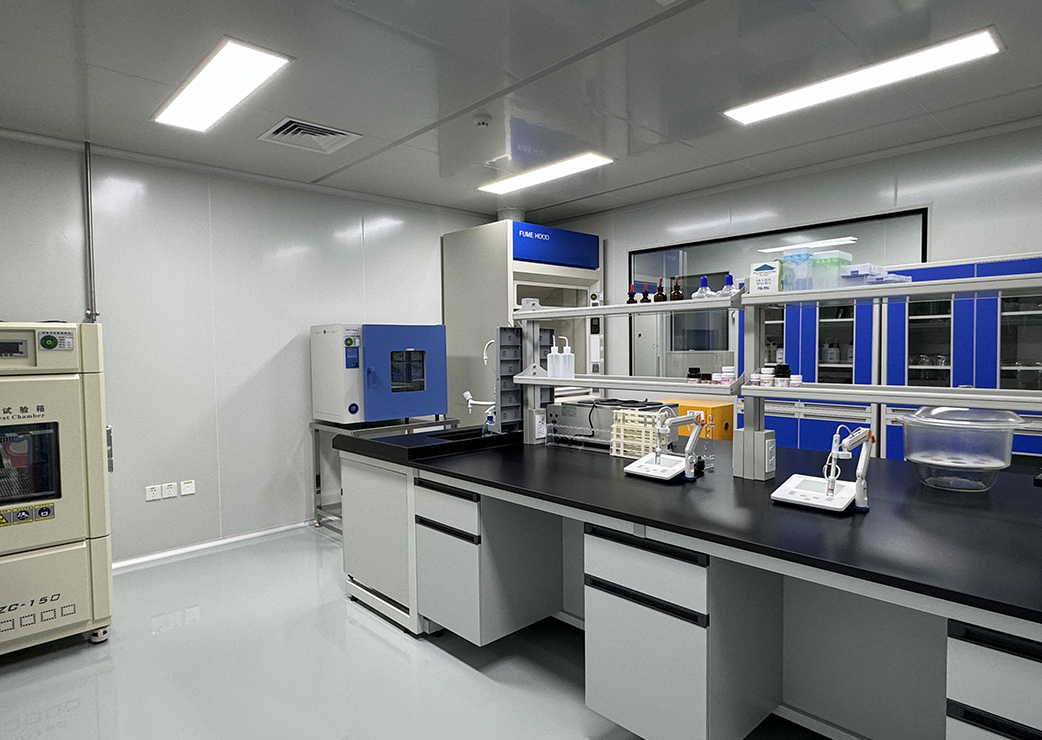
Microbiological Laboratory
-
Physical and Chemical Laboratory
Our quality control processes ensure that all molded components meet the exact specifications required by international markets. By employing non-contact optical measurement systems, we can verify micro-level tolerances without risking deformation of delicate elastomeric or thin-walled components.


Smart Manufacturing
The application of smart systems has enabled Hongrita to achieve better production automation, digital management, and AI decision-making, thereby enhancing the factory's level of intelligence, optimizing enterprise operational efficiency, and quality management, and strengthening the company's competitiveness in the industry.
High Performance Mold and smart Manufacturing
Integrating advanced tooling structures with automated production cells to optimize throughput and cycle efficiency.
Read MorePrecision Injection Molding Workshop
State-of-the-art cleanroom and standard environments housing high-tonnage precision injection molding machinery.
Read MoreDigital Management
End-to-end traceibility utilizing ERP and MES integrations to track raw materials, mold performance, and batch quality.
Read MorePortuguese Automotive & Medical Engineering Integrations
The Portuguese industrial matrix relies heavily on high-value sectors where plastic injection molding plays a critical role. In the automotive sector, Portugal's Autoeuropa hub and associated tier-1 suppliers require exceptionally high standards for interior components, functional under-the-hood enclosures, and critical safety parts. Our customized automotive airbag parts and intelligent car door locking components are engineered to withstand extreme physical stresses, satisfying both ISO/TS 16949 and local European safety directives.
In parallel, Portugal’s medical device and pharmaceutical manufacturing sectors are expanding rapidly. The production of medical components demands cleanroom environments, biocompatible materials, and ultra-high precision tooling. Our LSR (Liquid Silicone Rubber) capabilities are perfect for manufacturing sterile, flexible components such as harness plugs and seals for electric vehicles and medical hardware. These parts must resist moisture, temperature fluctuations, and chemical exposure, proving their reliability in critical applications.
Future Outlook: Sustainable Manufacturing in Portugal
As the European Union moves toward a fully circular economy, plastic injection molding manufacturers in Portugal are leading the charge in green manufacturing practices. This involves adopting energy-efficient all-electric injection molding machinery, minimizing scrap through optimized hot runner systems, and designing parts specifically for disassembly and recycling. Our commitment to smart manufacturing aligns perfectly with these sustainability goals, ensuring that resource utilization is kept to an absolute minimum while maintaining the high quality our clients expect.