Precision Industrial Components
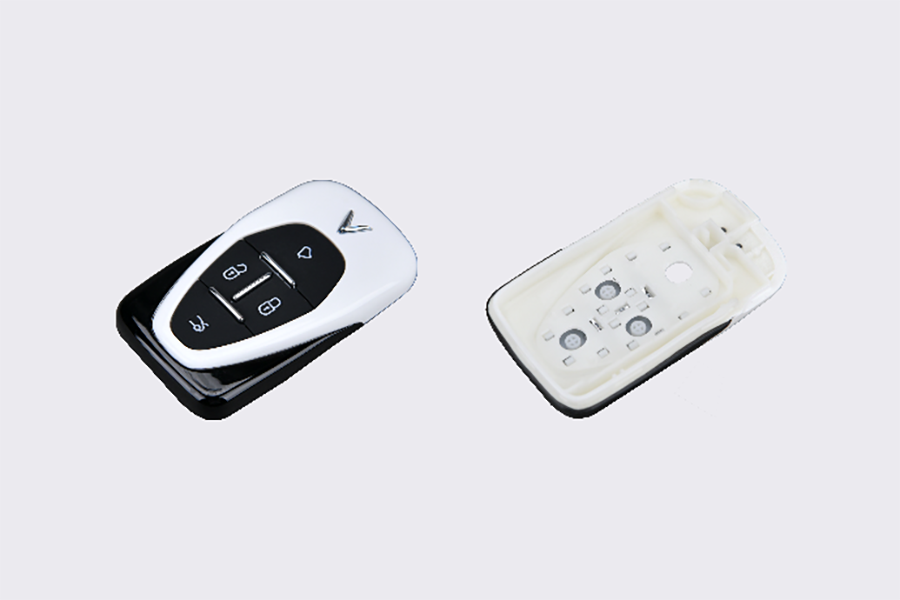
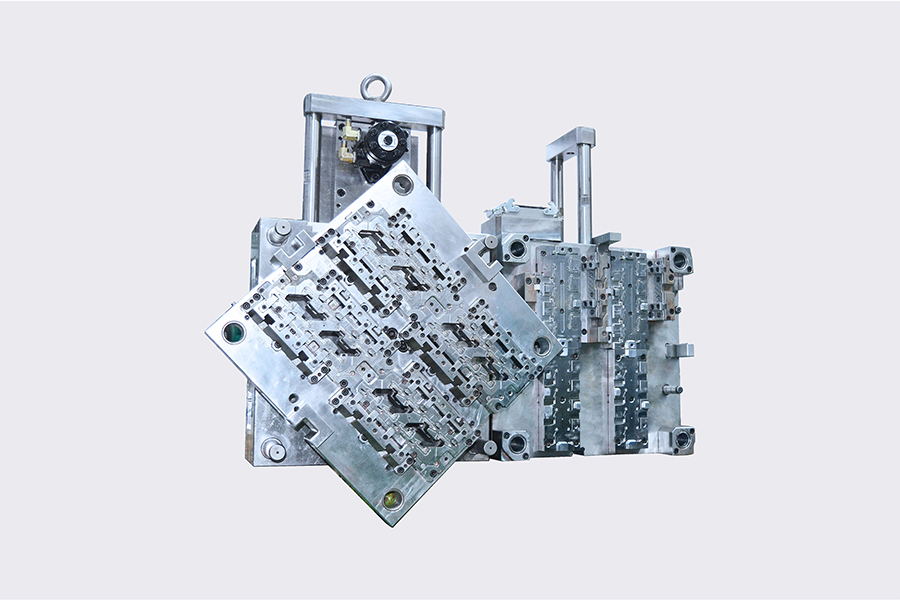
Customized Car Remote Keys for Changan V Series
Explore Product →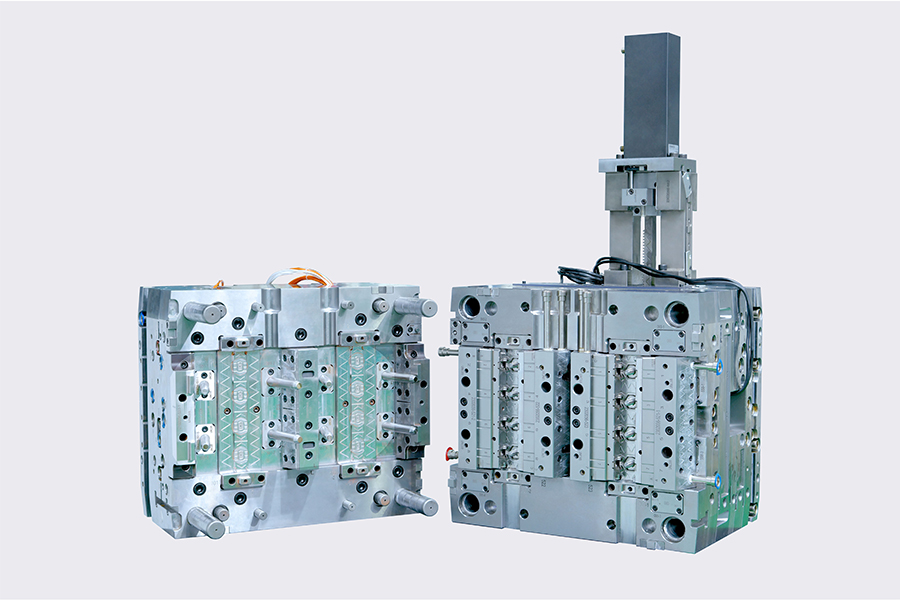
Intelligent Car Door Locks - High Accuracy, Durable, Strong and Reliable
Explore Product →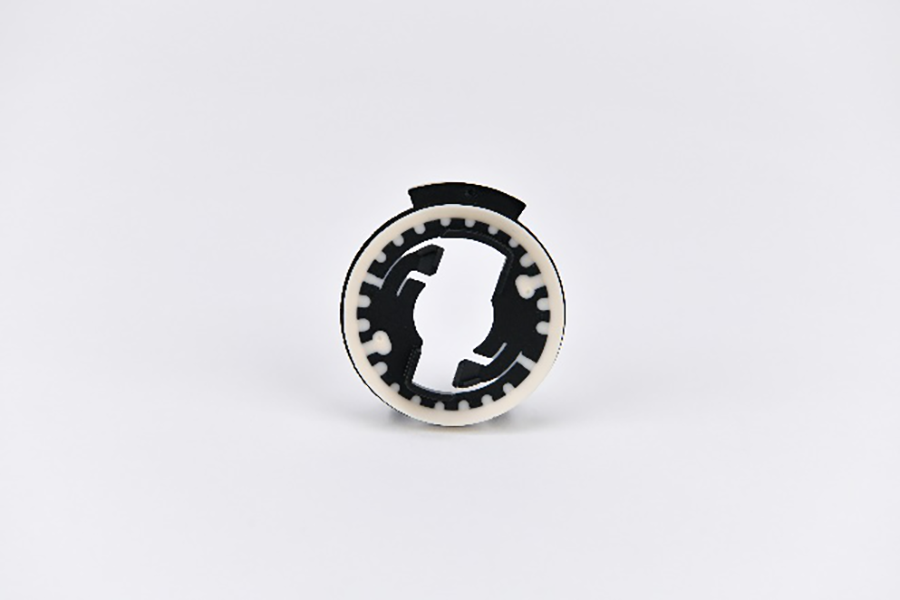
Customized Automotive Airbag Plastic Parts
Explore Product →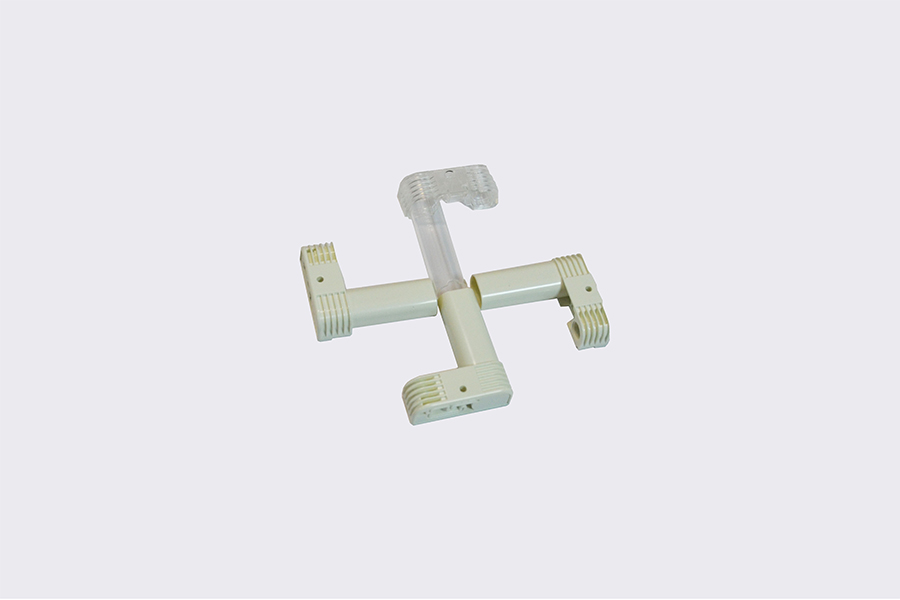
Insulin Accessories - Portable Insulin Housings for Diabetics
Explore Product →The Industrial Evolution of Paris: Driving Precision Tooling and Smart Manufacturing
Paris and the surrounding Île-de-France region represent a powerhouse of high-tech engineering, automotive innovation, and medical device manufacturing. As the European market demands increasingly stringent quality standards, local manufacturers and OEMs are constantly searching for elite industrial parts mold suppliers and companies in Paris. The metropolitan area serves as a focal point for cutting-edge research, where aerospace, automotive, electronics, and medical sectors converge.
In this dynamic landscape, the integration of advanced mold manufacturing processes is paramount. The shift toward lightweight materials in automotive engineering, combined with the extreme precision required for medical and healthcare devices, has transformed the traditional tooling workshop into a digital-first, smart manufacturing hub. Suppliers must offer not only localized technical support but also global-scale manufacturing capabilities, bridging the gap between innovative design and high-volume, defect-free production.
Today's Paris-based industries are characterized by their rapid adoption of Industry 4.0 paradigms. From the R&D labs in the Saclay plateau to the manufacturing corridors along the Seine, the demand for precision injection molds has shifted toward multi-component molding and liquid silicone rubber (LSR) processing. This technological evolution ensures that components are lighter, more durable, and produced with a lower carbon footprint, aligning with the EU's strict environmental regulations.
Furthermore, local companies require partners who can manage the entire lifecycle of mold development—from initial co-design and simulation to high-precision machining, automated assembly, and rigorous laboratory validation. This comprehensive approach is what separates standard tooling shops from world-class industrial partners, allowing local French brands to maintain their competitive edge globally.
Core Competences
Hongrita's core competences form the foundation of the competitive edge at plastic industry:
- Technology Excellence
- LSR (Liquid Silicone Rubber) Molding
- Multi-Component Molding
- ISBM (Injection Stretch-Blow Molding)
- High Performance Tooling Solutions
- Smart Manufacturing
Hongrita's core competences in ISBM, LSR molding, multi-component molding, tooling, and smart manufacturing collectively strengthen its position as a leading provider of precision plastic components and products. These competences allow Hongrita to deliver innovative and tailor-made solutions to diverse industries, including medical, healthcare, automotive, and rigid packaging, while continuously pursuing technological excellence and sustainable business management practices.
By pairing these advanced manufacturing techniques with a deep understanding of local European market requirements, Hongrita provides seamless support to designers and engineers in Paris. Whether it is developing complex automotive safety components or high-purity medical housings, our integrated capabilities ensure fast time-to-market and unparalleled part reliability.
Multi-Component Injection Molding
Read More →Multi-Cavitation Mold
Read More →LSR Injection Molding
Read More →Precision Injection Molding and Equipment
Read More →Technological Frontiers in Industrial Parts Molding
The Rise of Multi-Component & LSR Molding in Europe
In the heart of France's industrial sectors, two technologies are redefining product design: Multi-Component (2K/3K) Injection Molding and Liquid Silicone Rubber (LSR) Molding. Multi-component molding allows engineers to combine hard and soft plastics, or different colors, into a single integrated component during a single machine cycle. This eliminates the need for post-molding assembly, significantly reducing labor costs and eliminating weak points where separate parts are joined. For automotive applications like intelligent door locks and keyless entry systems, this translates to superior structural integrity and environmental sealing.
LSR molding, on the other hand, is rapidly expanding due to its exceptional thermal stability, chemical resistance, and biocompatibility. In Paris's thriving medical technology and baby care sectors, LSR is the material of choice for seals, valves, gaskets, and skin-contact interfaces. Producing these components requires high-precision tooling and specialized cold-runner systems to prevent material waste and ensure flash-free production. Suppliers must utilize advanced class-100,000 cleanrooms and automated demolding systems to meet the stringent cleanliness standards mandated by European regulators.
Sustainable Tooling and Eco-Design Initiatives
Sustainability is no longer an afterthought in the French industrial sector; it is a core regulatory and market requirement. Industrial parts mold suppliers in Paris are increasingly adopting "Eco-Design" principles. This involves designing molds that optimize material usage, reduce cycle times, and are compatible with biodegradable or recycled thermoplastics. High-performance tooling solutions, such as conformal cooling channels manufactured via 3D metal printing, allow for uniform heat dissipation, reducing cooling times by up to 30% and significantly lowering energy consumption during the molding process.
Furthermore, the development of multi-cavity molds with hot runner systems minimizes sprue waste, ensuring that raw material utilization is maximized. By optimizing mold geometry and utilizing advanced simulation software (such as Moldflow analysis), engineers can predict and eliminate defects like air traps, weld lines, and warpage before the steel is cut, saving time, material, and energy.
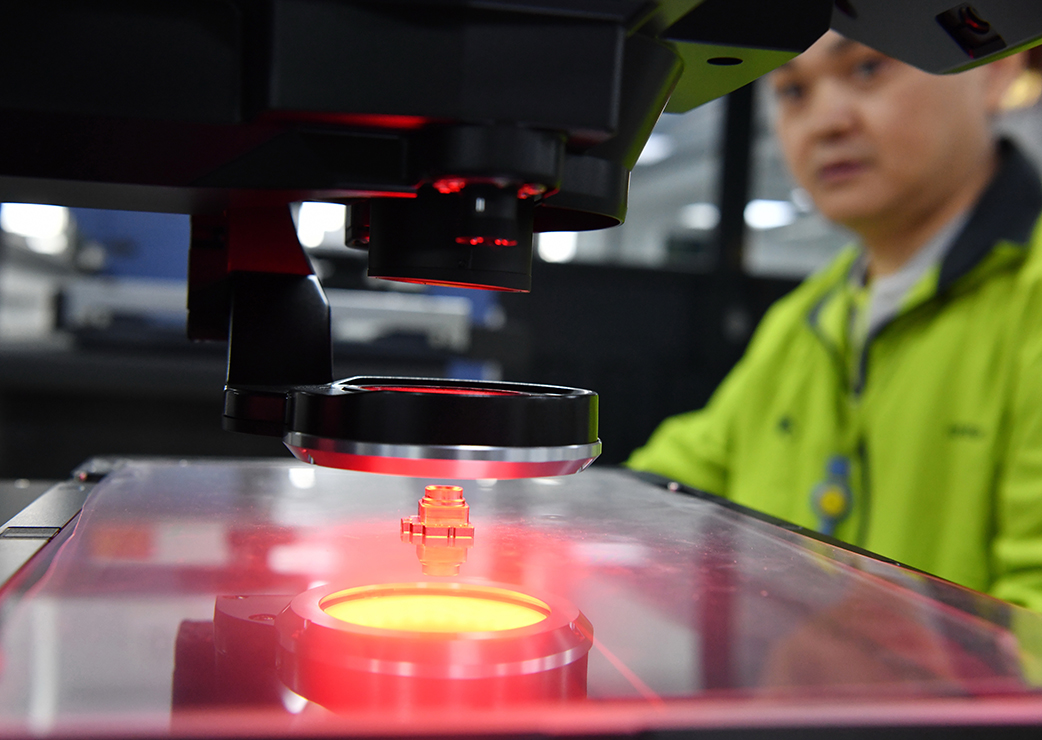
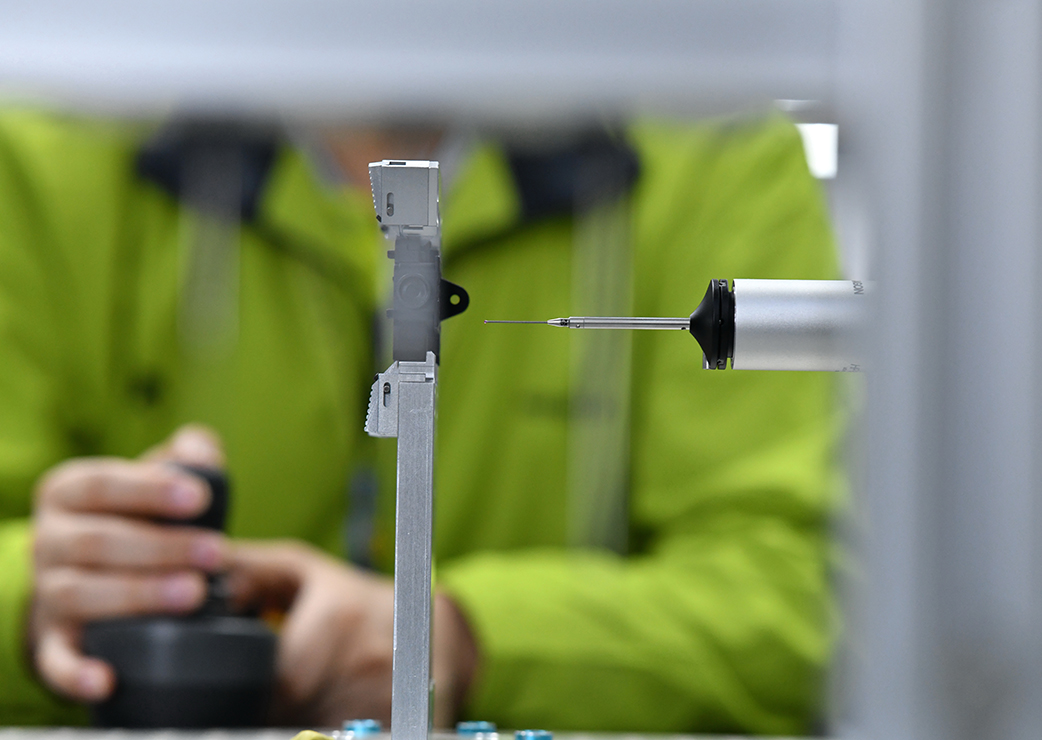
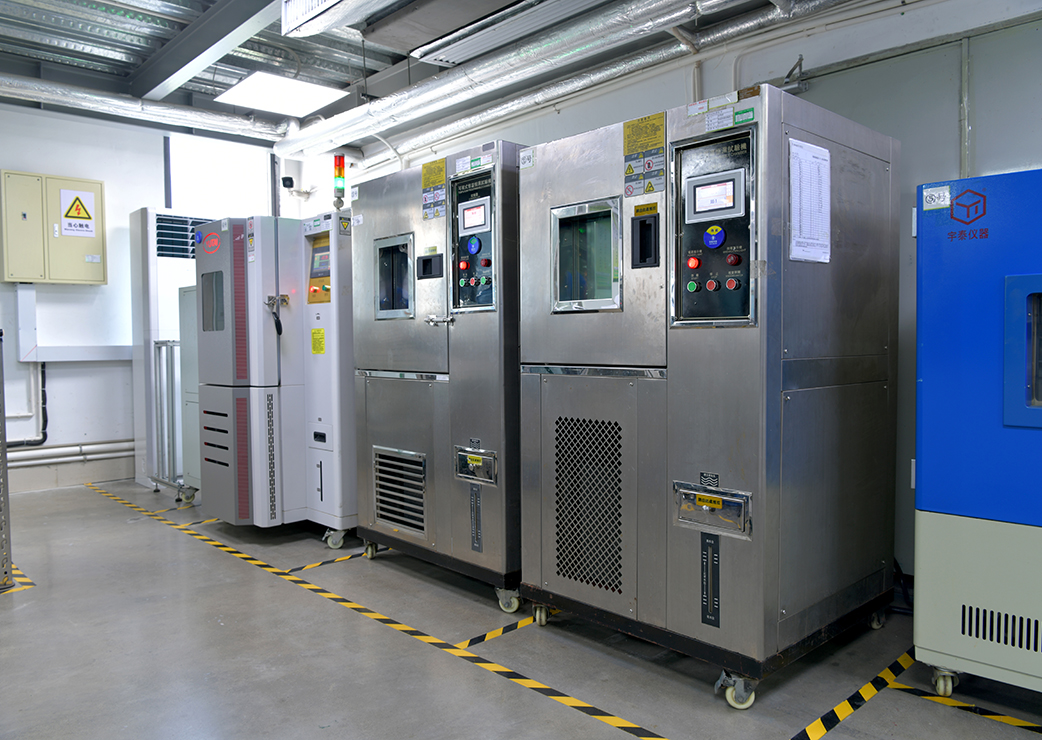
Laboratory & Quality Validation


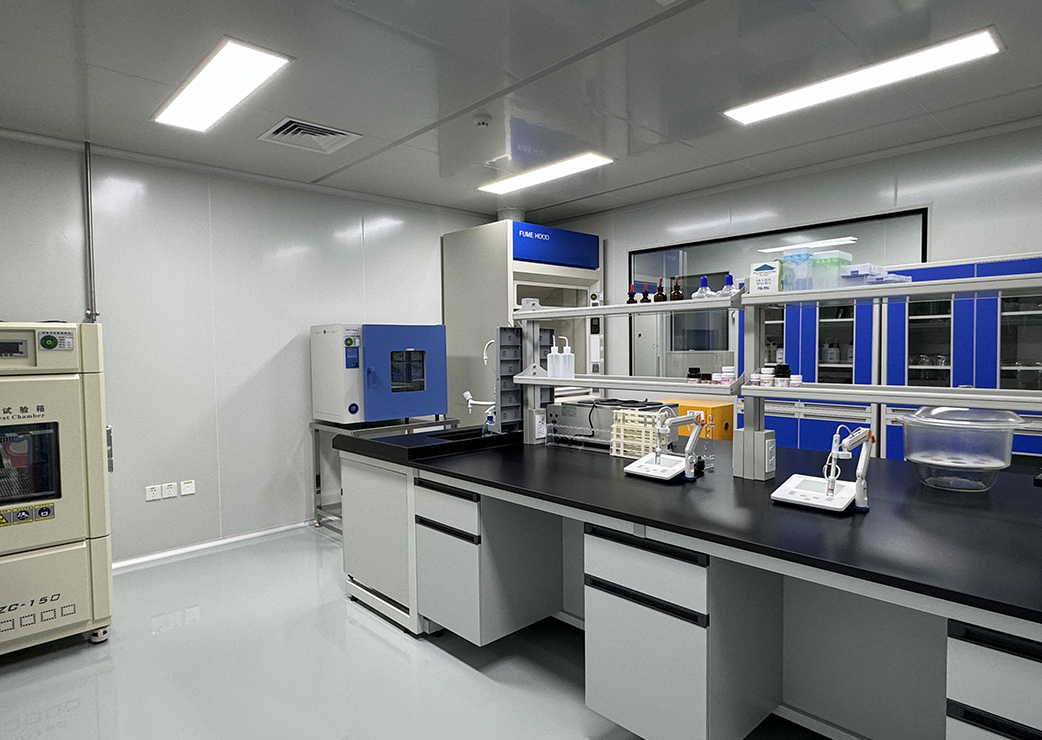
Smart manufacturing
The application of smart systems has enabled Hongrita to achieve better production automation, digital management, and AI decision-making, thereby enhancing the factory's level of intelligence, optimizing enterprise operational efficiency, and quality management, and strengthening the company's competitiveness in the industry.
High Performance Mold and smart Manufacturing
Integrating advanced tooling designs with real-time sensor feedback to monitor cavity pressure and temperature, ensuring absolute consistency in every shot.
Read More →Precision Injection Molding Workshop
Equipped with state-of-the-art electric injection molding machines operating in controlled environments to produce highly complex, close-tolerance parts.
Read More →Digital Management
Utilizing MES and ERP systems to provide end-to-end traceability of materials and processes, satisfying the rigorous demands of medical and automotive clients.
Read More →Localized Applications in the French & European Markets
Automotive and Smart Mobility Systems
The French automotive sector, led by major global brands and tier-one suppliers headquartered around Paris, is undergoing a massive transformation toward electric and autonomous vehicles. This shift demands highly sophisticated electronic components, requiring protective housings that are both lightweight and exceptionally durable. From customized car remote keys to complex airbag deployment components and intelligent door locking systems, precision molds are the unsung heroes behind vehicle safety and user experience.
These components must withstand extreme temperature variations, mechanical stress, and chemical exposure. Multi-component injection molding allows the integration of soft sealing lips directly onto rigid structural housings, ensuring dust and water resistance (IP67/IP68 ratings) without the need for manual gasket installation. This level of integration is crucial for the delicate electronics housed within modern smart vehicle access systems.
Medical Diagnostics & Healthcare Devices
Paris is home to world-renowned medical research centers and pharmaceutical companies. The demand for portable, user-friendly medical devices—such as insulin delivery systems, inhalers, and diagnostic cartridges—has grown exponentially. These devices require micro-molded components with tolerances measured in micrometers. A minor deviation in tool dimensions can result in dosage inaccuracies or device failure, which is unacceptable in life-critical applications.
Our portable insulin housings for diabetics are a prime example of this requirement. Manufactured using medical-grade plastics under cleanroom conditions, these parts undergo rigorous optical and physical testing to ensure perfect fitment and smooth mechanical operation. By partnering with a supplier that maintains comprehensive physical, chemical, and microbiological laboratories, Paris-based medical companies can streamline their regulatory approval processes and guarantee patient safety.
Extreme Sports & Consumer Electronics
The consumer electronics market in Europe demands products that combine rugged durability with premium aesthetics. Action cameras, wearable tech, and outdoor smart devices require housings that can withstand extreme sports environments—including deep-water submersion, high impacts, and UV exposure. Designing and manufacturing molds for these housings requires deep expertise in material flow simulation and precise control over shrinkage rates.
Using advanced 2K molding technologies, we can fuse impact-resistant polycarbonate structures with soft, shock-absorbing thermoplastic elastomers (TPE). This dual-material integration provides robust drop protection and reliable waterproof seals while maintaining a sleek, modern design that appeals to today's tech-savvy consumers.
Innovative Tooling & Molding Solutions
Customized Car Remote Keys for Changan V Series
Explore Product →
Intelligent Car Door Locks - High Accuracy, Durable, Strong and Reliable
Explore Product →
Customized Automotive Airbag Plastic Parts
Explore Product →
Insulin Accessories - Portable Insulin Housings for Diabetics
Explore Product →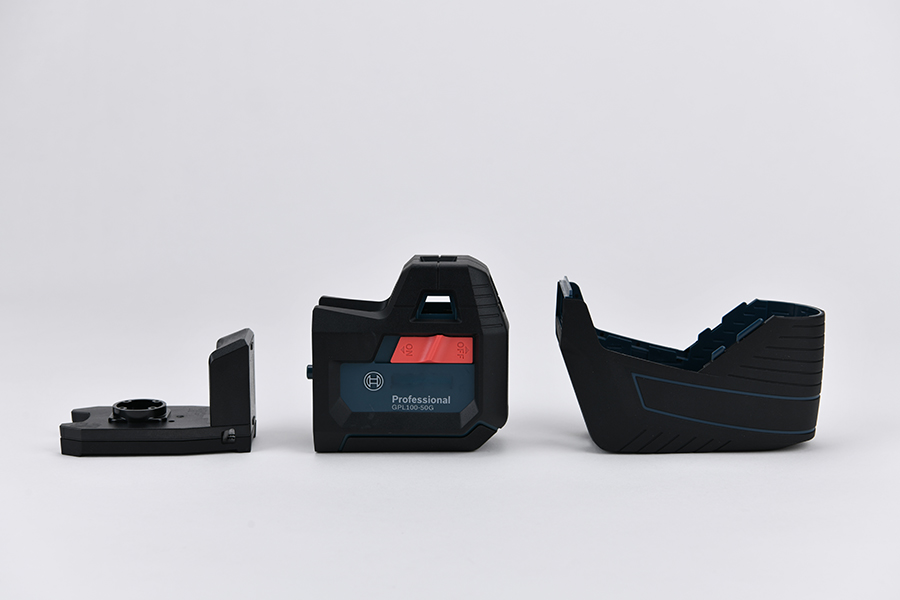
Industrial-grade2k stent gauge - accurate and stable, suitable for all kinds of complex environmental measurement tasks
Explore Product →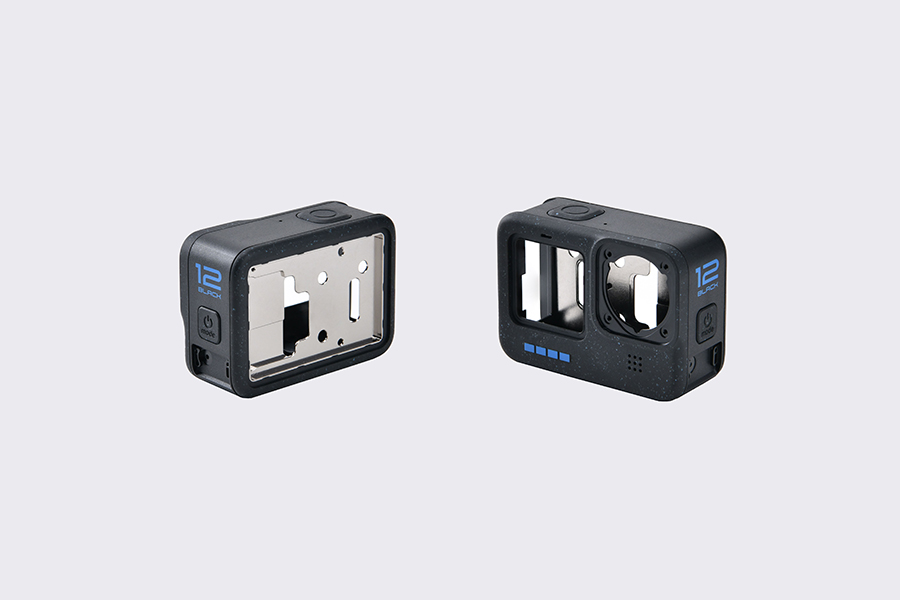
Action camera housing - waterproof and drop-proof, extreme sports professional photography equipment
Explore Product →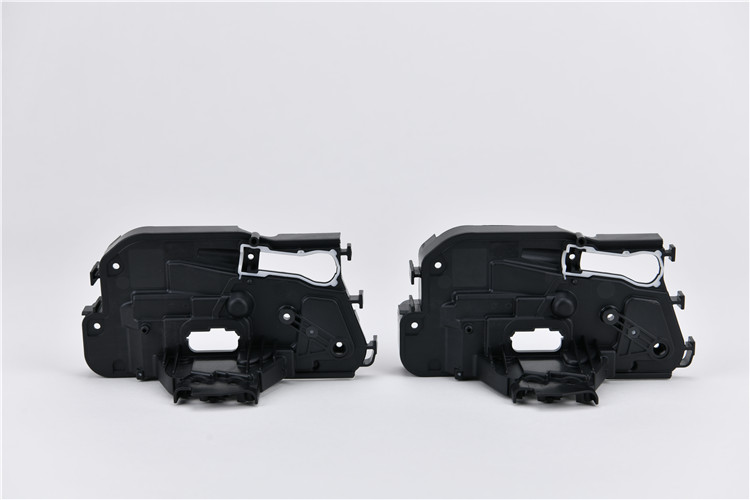
Upper Housing FGL 2K - Premium craftsmanship and materials to enhance door texture and security
Explore Product →