Precision Engineered Packaging Components
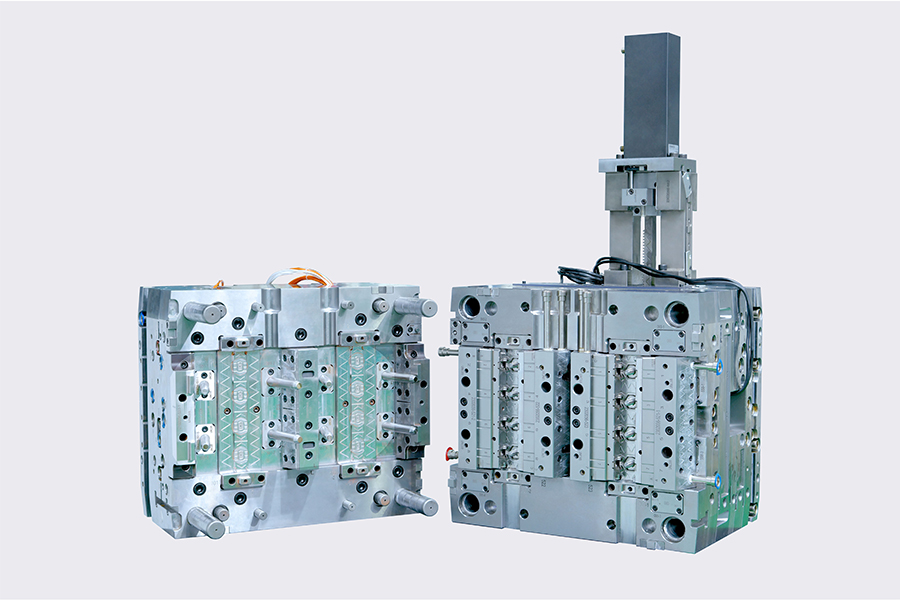
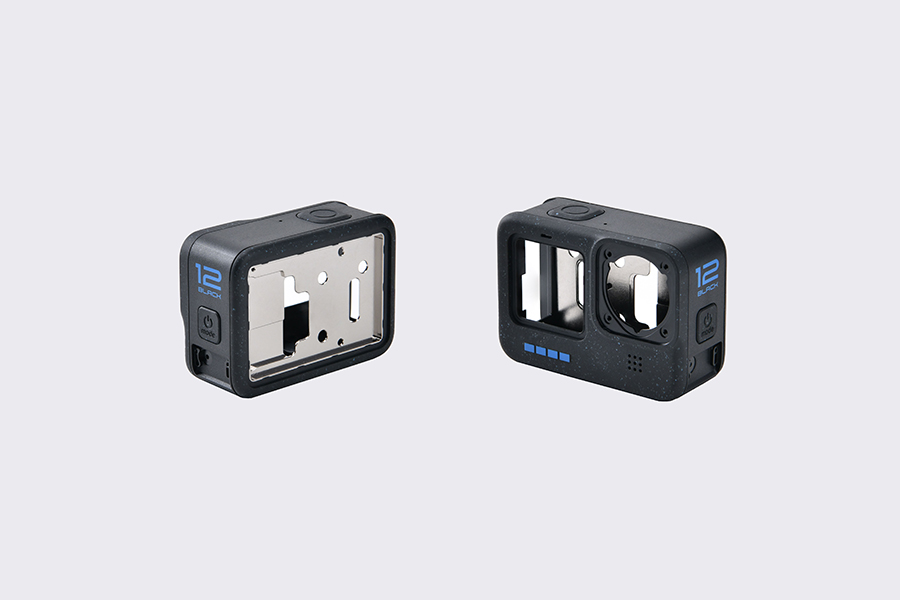
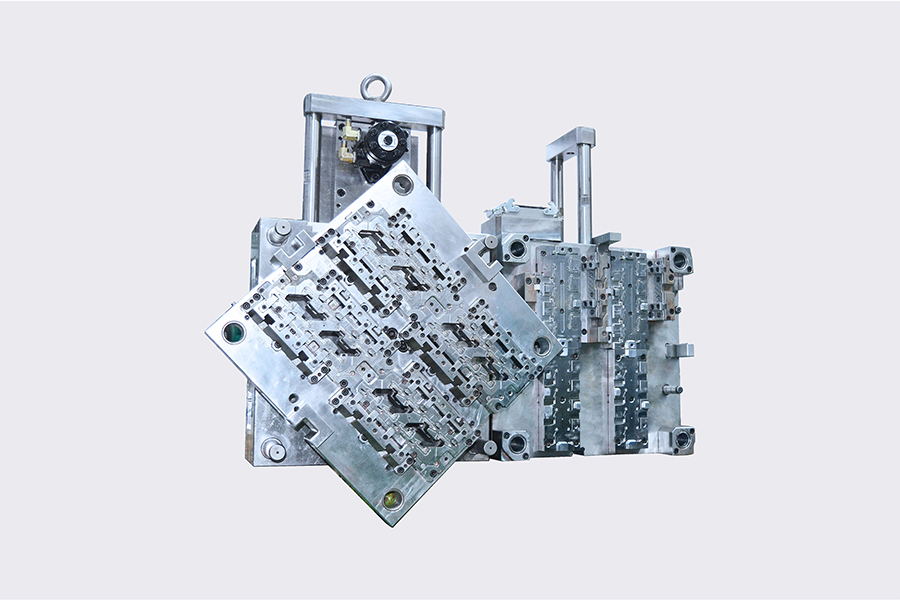
Explore our top industrial injection molding products optimized for high-end cosmetic and rigid packaging applications, featuring advanced 2K/3K multi-component technologies and medical-grade manufacturing precision.
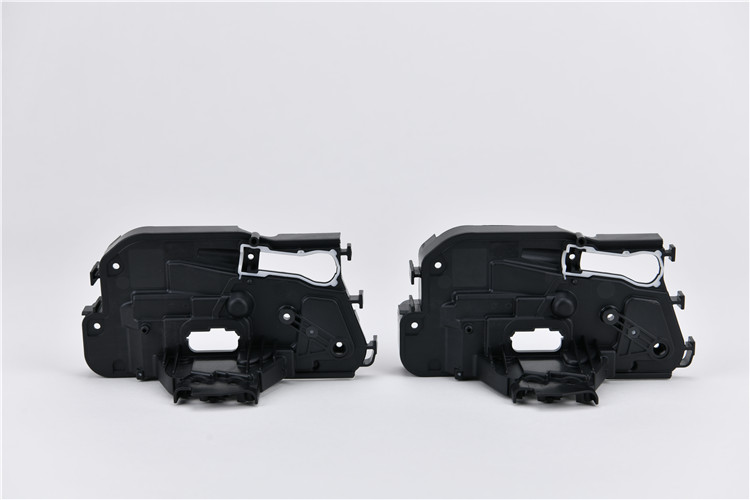
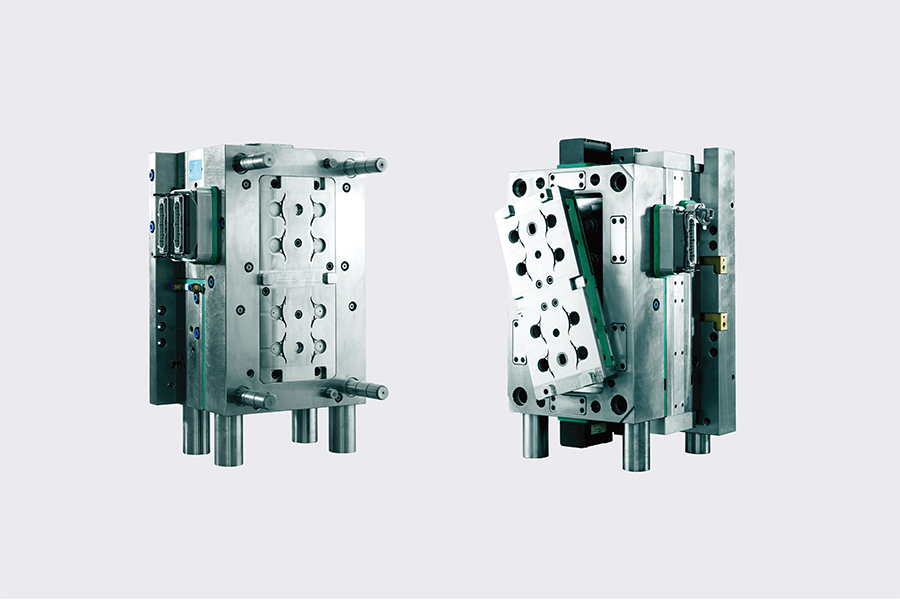
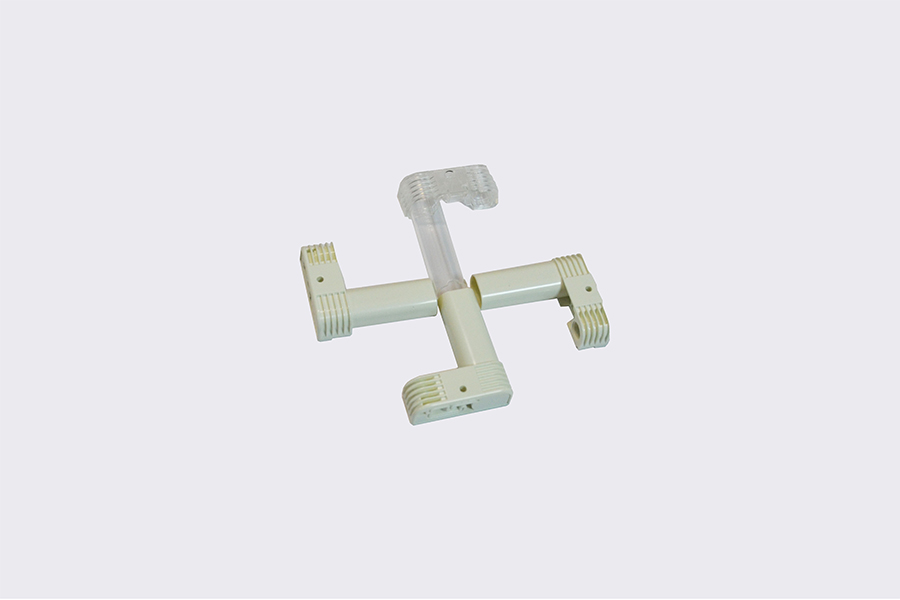
Industrial Injection Molding in the Cosmetic and Rigid Packaging Sectors
The global packaging industry is undergoing a monumental paradigm shift. No longer is packaging viewed merely as a vessel to protect a product during transit; it has evolved into a vital touchpoint for brand identity, consumer experience, and environmental stewardship. Within this landscape, industrial injection molding stands as the backbone of high-performance cosmetic and rigid packaging manufacturing. By leveraging state-of-the-art tooling engineering, multi-component injection, and automated cleanroom production, manufacturers can deliver packaging that is structurally sound, visually captivating, and functionally superior.
From luxury cosmetic jars with glass-like transparency to complex, multi-material dispensing pumps and medical-grade rigid closures, the demand for precision is absolute. Industrial injection molding allows for the mass production of these intricate designs with micron-level repeatability. This comprehensive industry analysis explores the technological milestones, market dynamics, and future trends defining the intersection of injection molding and high-end packaging.
Key Market Drivers:
Consumer demand for premium aesthetics, the rapid rise of smart packaging featuring IoT integrations, and stringent global regulations surrounding post-consumer recycled (PCR) resins are driving the adoption of advanced multi-material injection molding.
The Cosmetic Packaging Landscape: Aesthetics Meet Micro-Precision
In the cosmetic industry, the packaging is often as important as the formulation itself. Premium brands require containers, caps, and applicators that convey luxury through weight, tactile feel, and visual clarity. Achieving these characteristics requires specialized injection molding techniques:
- Heavy-Wall Molding: To replicate the premium weight and optical depth of glass, injection molders utilize thick-walled PET or PMMA molding. This process requires precise thermal management within the tool to prevent sink marks and internal voids.
- Multi-Component (2K/3K) Molding: Combining soft-touch elastomers (TPE) with rigid substrates (PP, ABS) in a single molding cycle. This is widely used for ergonomic cosmetic caps, airtight seals, and integrated dispensing mechanisms.
- Overmolding & LSR (Liquid Silicone Rubber): Used to create integrated gaskets, flexible valves, and premium applicator tips that are hygienic, chemical-resistant, and pleasant to the touch.
Rigid Packaging: Speed, High Cavitation, and Structural Optimization
For rigid packaging—such as food containers, beverage closures, and medical housings—the manufacturing priorities shift toward high-volume throughput, minimized cycle times, and material optimization. High-cavitation molds (often running up to 96 or 128 cavities) are deployed to achieve economies of scale.
To remain competitive, molders focus on thin-wall packaging technology. By reducing the wall thickness of containers by even a fraction of a millimeter, manufacturers can achieve significant material savings and faster cooling times. However, this requires ultra-high injection speeds, high-pressure machinery, and robust tool designs capable of withstanding extreme clamping forces without flexing.
Technological Innovations Shaping the Future of Packaging Molding
1. Multi-Material & Co-Injection Molding
Co-injection molding allows for the encapsulation of a recycled core material within a pristine, virgin plastic outer skin. This technology is critical for the rigid packaging sector as it enables brands to meet sustainability mandates (using up to 50% PCR content) without compromising the mechanical integrity, color consistency, or food-contact safety of the final product.
2. Liquid Silicone Rubber (LSR) Integration
LSR is increasingly utilized in dispensing closures, self-sealing valves for squeeze bottles, and cosmetic droppers. The material’s excellent thermal stability, chemical resistance, and hypoallergenic properties make it ideal for clean-label cosmetics and medical packaging. Hongrita’s pioneering work in LSR tooling and multi-component (plastic + LSR) molding provides a seamless transition for brands looking to upgrade their product delivery systems.
3. Smart Tooling and Digital Twin Simulation
Before a single block of steel is cut, advanced mold flow simulations analyze the behavior of the polymer melt within the cavity. This digital twin approach predicts potential defects such as weld lines, air traps, and warpage. Furthermore, smart molds equipped with cavity pressure and temperature sensors provide real-time data feedback during production, automatically adjusting machine parameters to maintain zero-defect quality.
Sustainability and the Circular Economy in Plastic Packaging
Environmental sustainability is no longer a corporate social responsibility checkbox; it is a regulatory and commercial necessity. The packaging sector is the largest consumer of synthetic plastics, pushing the injection molding industry to innovate in several key areas:
- Processing Biopolymers: Adapting traditional molds to run bio-based and biodegradable resins (such as PLA, PHA, and cellulose-based plastics) which often exhibit narrow processing windows and unique shrinkage characteristics.
- Design for Recycling (Mono-Material Packaging): Replacing complex multi-material assemblies that are difficult to recycle with mono-material solutions. For example, replacing a multi-part pump containing metal springs with an all-plastic pump molded entirely from PE or PP.
- Lightweighting: Utilizing microcellular foaming (such as MuCell® technology) to inject microscopic gas bubbles into the core of the molded part, reducing weight by 10% to 20% while maintaining structural rigidity.
Deep Application Scenarios in Cosmetic and Rigid Packaging
To understand the impact of industrial injection molding, we must look at specific, real-world application scenarios where precision engineering translates directly into commercial success:
Scenario A: High-End Luxury Cosmetic Closures
A luxury skincare brand requires a double-walled cap with a metallic outer shell and a soft-touch inner liner that provides a satisfying, audible "click" when closed. Through 2K injection molding, the outer cap is molded from high-gloss ABS, and the inner lining is molded from a specific grade of TPE. The mold must feature high-precision rotating cores to transfer the part between injection units, ensuring perfect adhesion between the two materials without any flash or cosmetic defects.
Scenario B: Medical-Grade Rigid Diagnostic Housings
Medical diagnostics demand rigid packaging housings that protect sensitive electronic sensors from moisture and physical impact. These parts must be manufactured in ISO Class 7 or 8 cleanrooms to prevent particulate contamination. The molds must operate without external lubricants (using specialized diamond-like carbon coatings on moving cores) and utilize high-speed automation to demold, inspect, and package the parts under sterile conditions.
GLOBAL MANUFACTURING LOCATIONS
Hongrita operates state-of-the-art manufacturing facilities strategically located to serve global markets, specializing in high-precision tooling, multi-material injection molding, and intelligent packaging solutions.
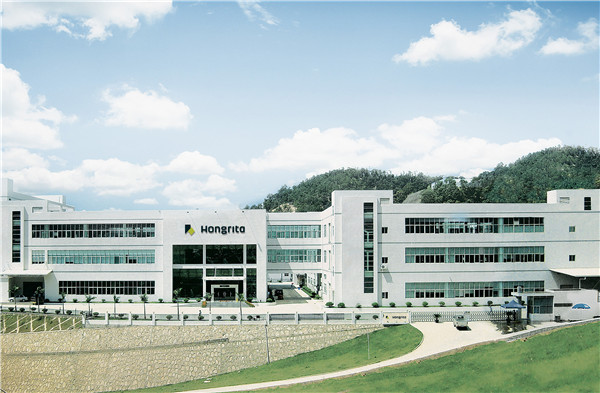
Shenzhen Base
Focusing on the 3C and intelligent technology components business, overseas commercial mold business, and in-house use molds.

Zhongshan Base
Serving as Hongrita's hub for innovation R&D, engineering, major projects and production; and the proving grounds of change management, new technology applications and intelligent manufacturing.
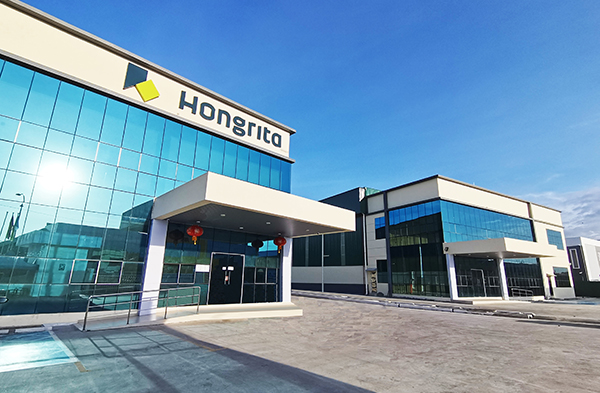
Penang Base
Developing tooling and molding business in Southeast Asia; and serving as proving grounds of Hongrita's global expansion plan and training base for the overseas team.
OUR STORY & SUSTAINABLE GROWTH

1988: Foundations of Precision
After completing the apprentice program, Mr. Felix Choi, the founder of Hongrita, borrowed money and invested in the first milling machine in June 1988. He rented a corner in a friend's factory and established Hongrita Mould Engineering Company, specializing in mold and hardware parts processing. Mr. Choi’s humble, diligent, and progressive entrepreneurial spirit attracted a group of like-minded partners.

1993: Expansion & Technical Breakthrough
In 1993, riding the wave of national reform and opening up, Hongrita established its first base in Longgang District, Shenzhen, and expanded its business to include plastic moulding and secondary processing. In 2003, the company began R&D of multi-material/multi-component moulding technology, and in 2012 took the lead in liquid silicone rubber (LSR) mold and molding technology breakthroughs.

2015 - Future: Global Digitalization
Hongrita established operational bases in Cuiheng New District, Zhongshan (2015) and Penang, Malaysia (2019). Initiating an all-round upgrading in 2018, the management formulated long-term ESG strategies. Today, Hongrita is moving towards building a world-class lighthouse factory by upgrading digital intelligence and AI applications.
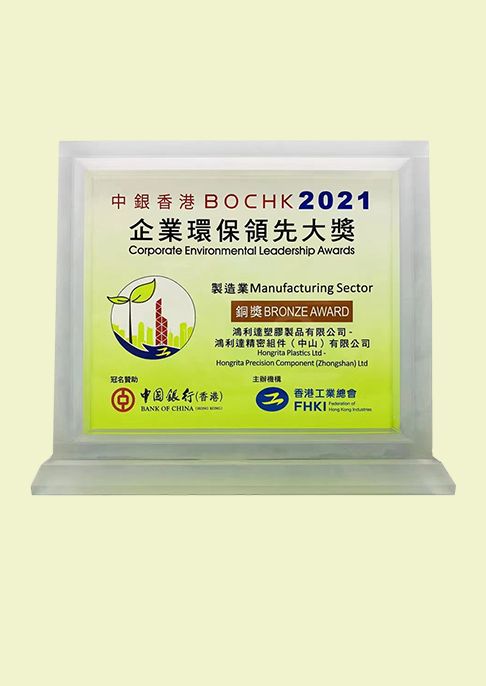
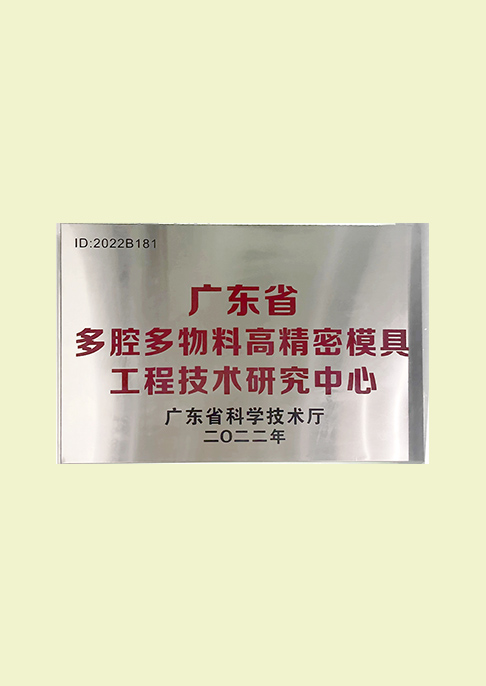
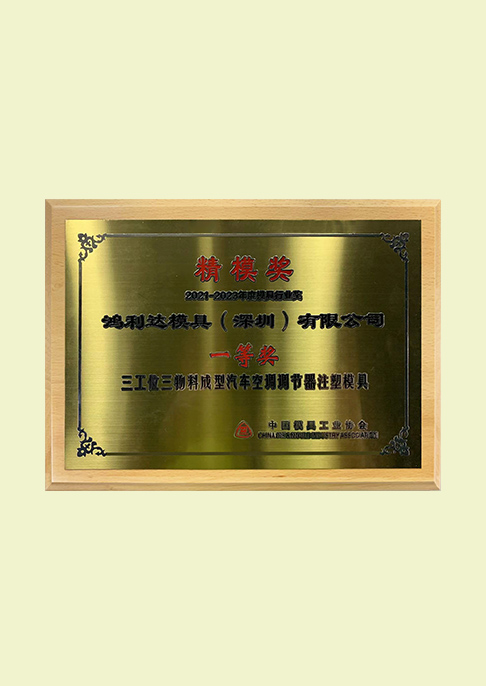
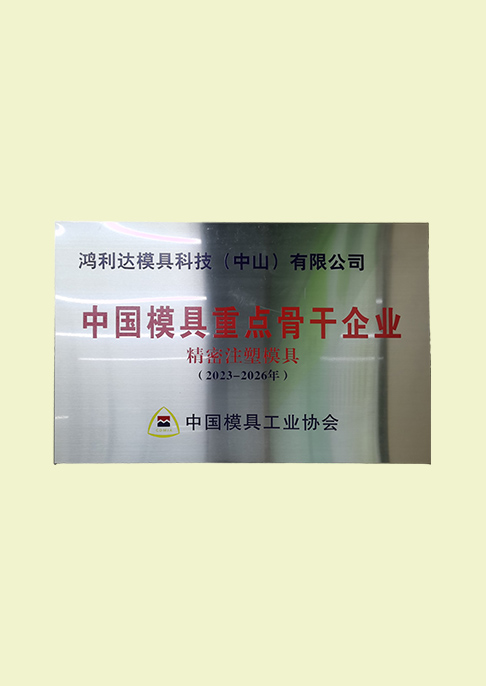
QUALIFICATIONS & CERTIFICATIONS
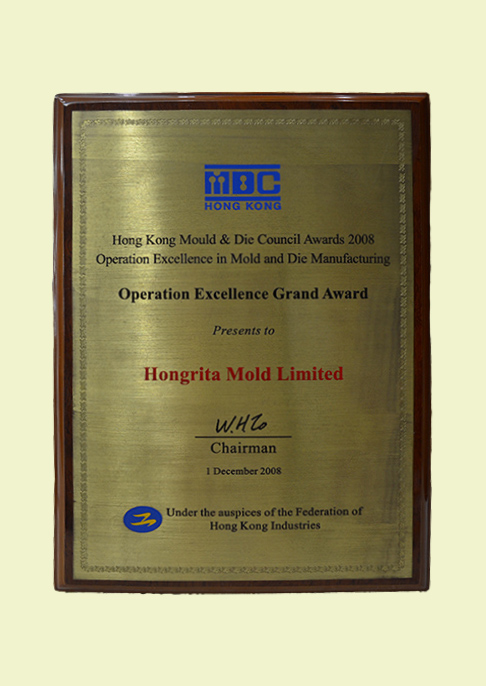
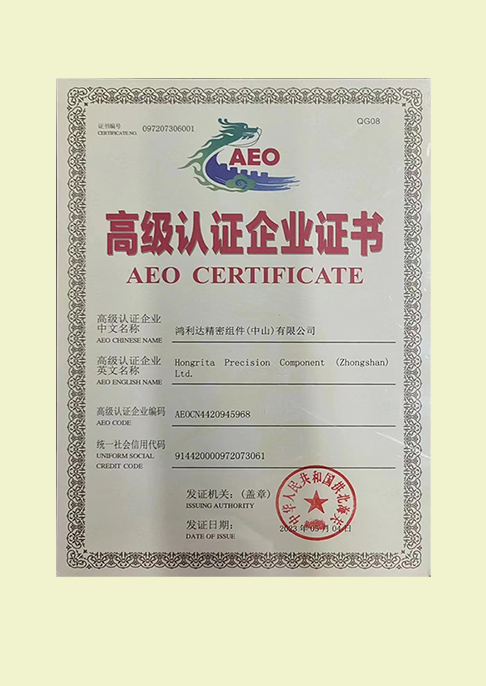
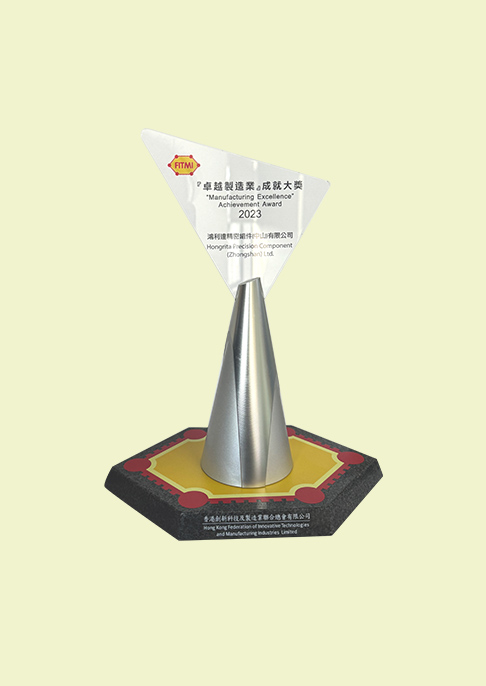
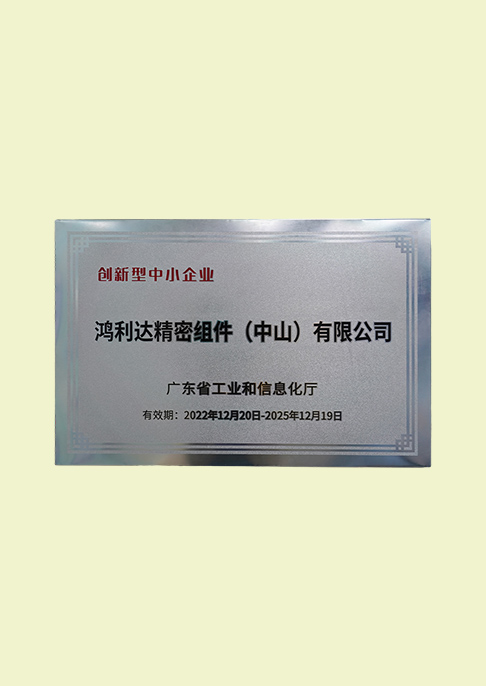
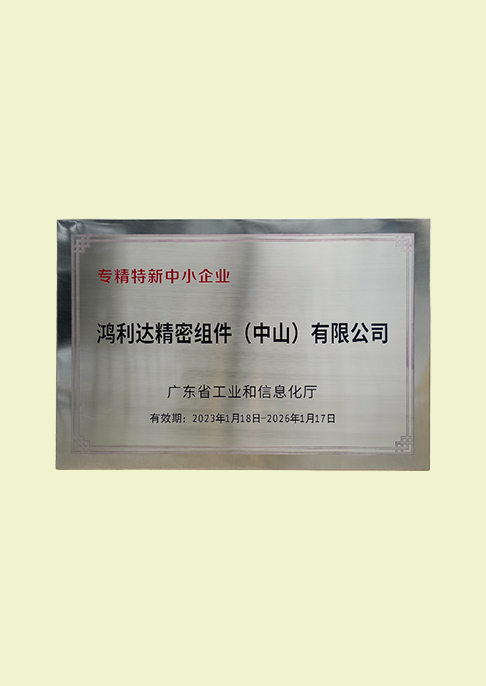
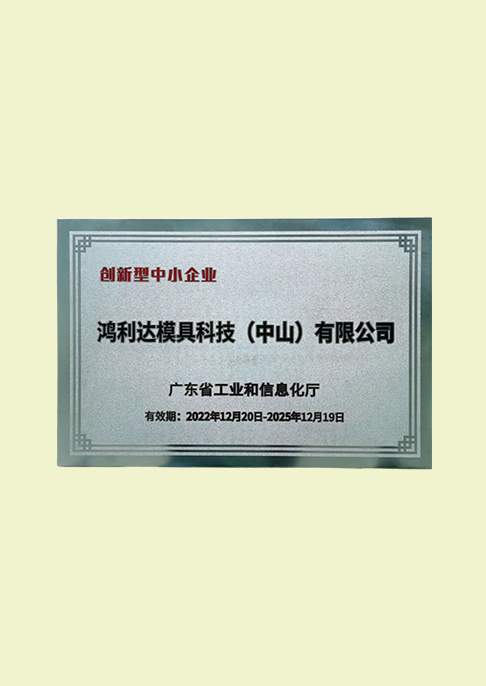
Hongrita is committed to global manufacturing excellence. We have been certified with ISO14001, ISO9001, IATF16949, ISO13485, ISO45001, ISO/IEC27001, ISCC PLUS, and are FDA registered.









CORPORATE PHILOSOPHY & ESG STRATEGY

Vision
Create better value together.

Mission
Make a product better with innovative, professional and intelligent molding solutions.

Core Value
Passion, Collaboration, Innovation, Professionalism, Advancement, Sustainability.
MANAGEMENT METHODOLOGY
We implement modern management frameworks including OKR, digital intelligence tracking, and ESG sustainable metrics to continuously improve manufacturing efficiency and deliver high-precision products to our global partners.

Full Range of Precision Injection Molded Components
Browse our complete selection of custom injection molded parts, optimized for rigid packaging, medical diagnostics, and consumer electronics applications.