The Critical Role of High Performance Molds in EV Sealing & Electrical Systems
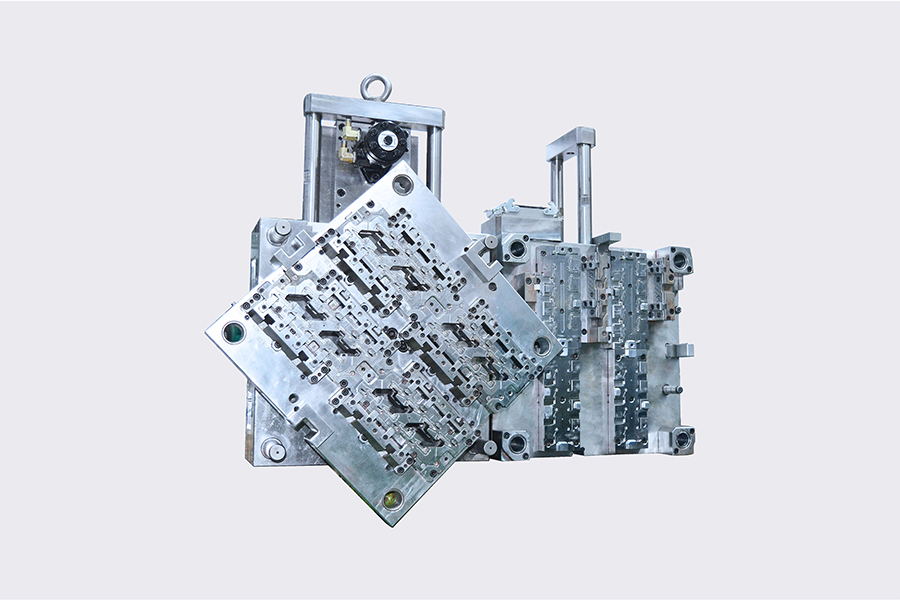
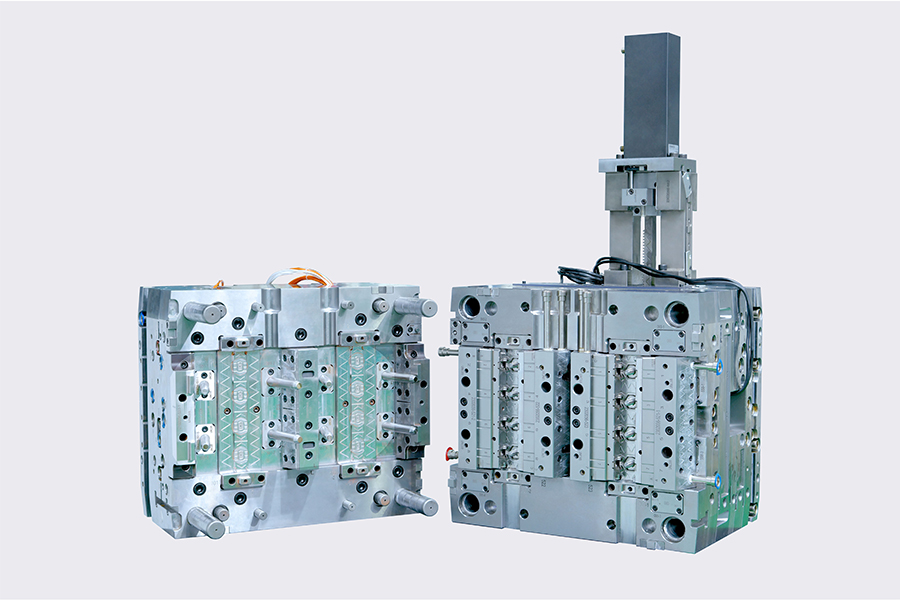
⚡The global shift towards Electric Vehicles (EVs) has fundamentally redefined the requirements for plastic and silicone components. Unlike traditional internal combustion engines, EVs rely heavily on sophisticated electrical architectures and battery management systems. This transition necessitates High Performance Molds capable of producing components with extreme precision, durability, and specialized material properties. For EV sealing and electrical components, the stakes are high: a single seal failure could lead to moisture ingress in high-voltage batteries, while a minor flaw in an electrical connector could disrupt the vehicle's power distribution.
Industrial Status: The Precision Revolution
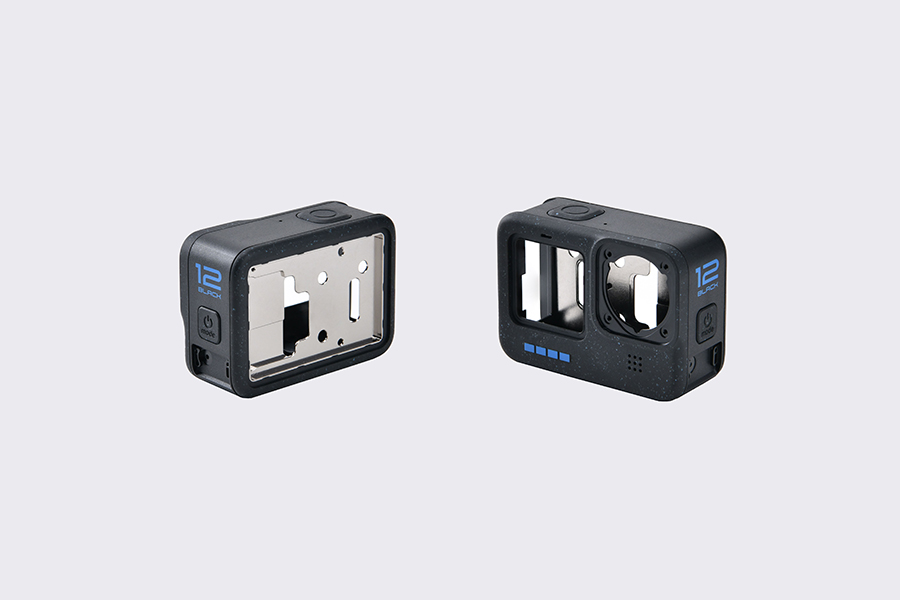
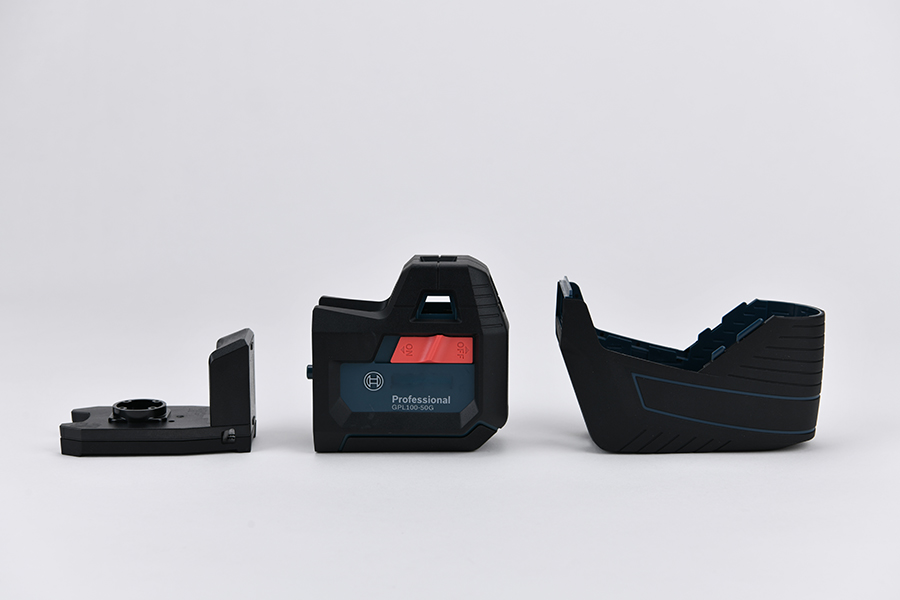
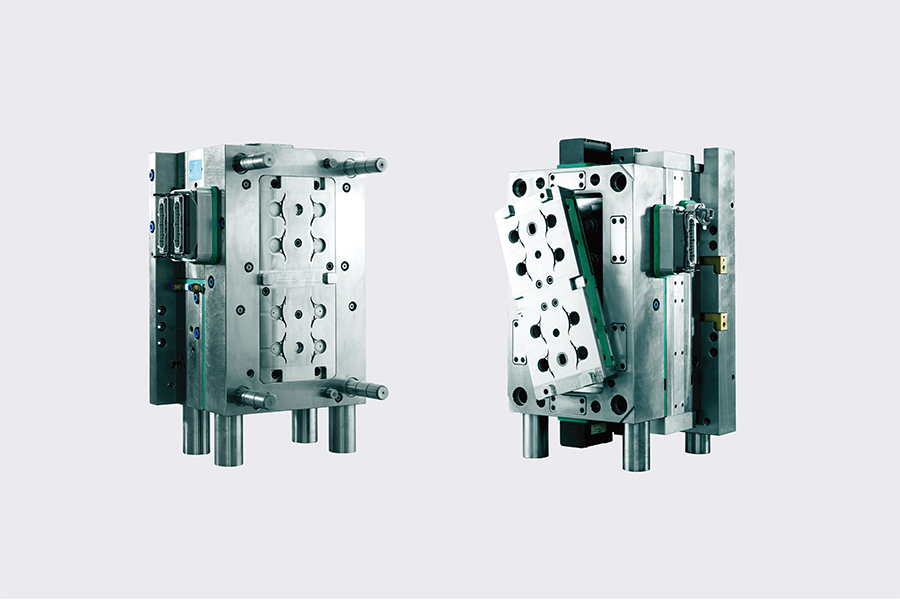
Currently, the automotive industry is witnessing a "Precision Revolution." Standard injection molding is no longer sufficient for the complex geometries required by modern EVs. Today's high-performance molds must accommodate Multi-Material (2K/3K) Injection and Liquid Silicone Rubber (LSR) technologies. These processes allow for the integration of rigid housings with soft, resilient seals in a single production cycle. This not only enhances the component's performance but also significantly reduces assembly costs and potential leak paths.
Advanced Application Scenarios
High-performance molds are now utilized in critical EV sub-systems:
- Battery Enclosure Sealing: Large-scale molds designed for long-term environmental resistance, ensuring the battery pack remains hermetically sealed against water, dust, and corrosive road salts.
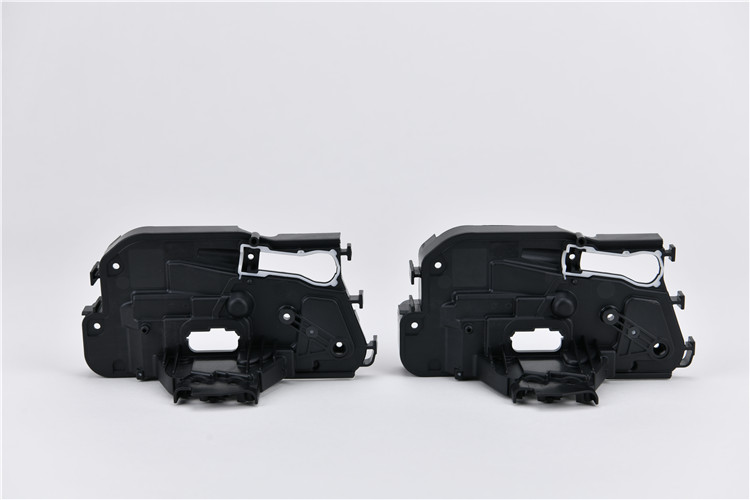
- High-Voltage Connectors: Precision molds that handle high-performance engineering plastics (like PBT or PA66 with glass fiber) to ensure dimensional stability under thermal stress.
- Thermal Management Systems: Complex cooling plates and valve housings that require intricate internal channels, achieved through advanced mold flow analysis and precision tooling.
- Sensor Housings: With the rise of ADAS, molds for radar and LiDAR housings must provide EMI shielding and weatherproofing through overmolding techniques.
GLOBAL STRATEGIC FOOTPRINT
-
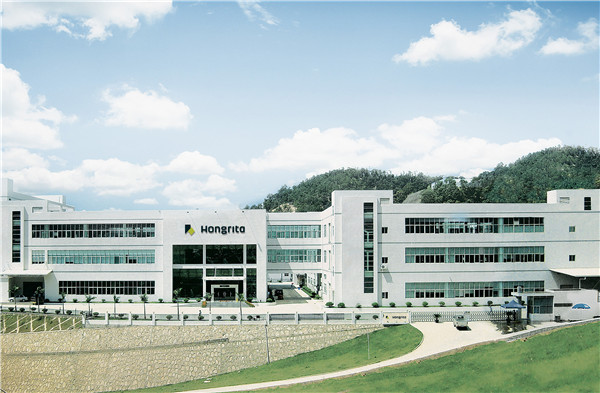
Shenzhen
Focusing on the 3C and intelligent technology components business, overseas commercial mold business, and in-house use molds.
-
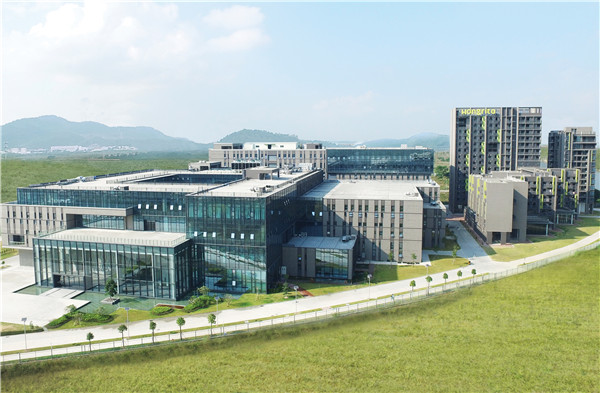
Zhongshan
Serving as Hongrita's hub for innovation R&D, engineering, major projects and production; and the proving grounds of change management.
-
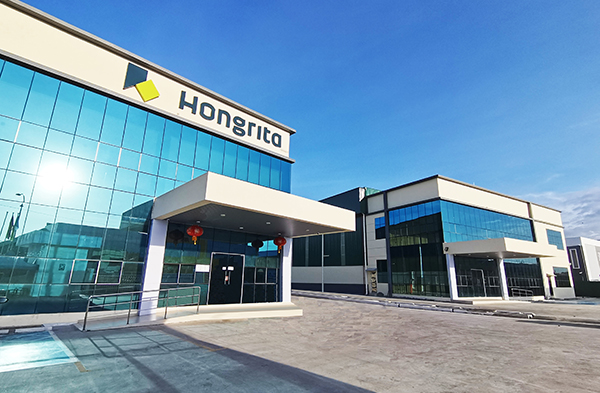
Penang
Developing tooling and molding business in Southeast Asia; and serving as proving grounds of Hongrita's global expansion plan.
Future Trends: Digital Intelligence and Sustainability
🤖The future of high-performance molding is inextricably linked to Industry 4.0. We are seeing a rapid adoption of "Smart Molds" equipped with integrated sensors that monitor pressure, temperature, and flow in real-time. This data-driven approach allows for predictive maintenance and ensures that every EV sealing component meets the rigorous safety standards of the automotive industry.
Material Innovation and ESG
As the EV market matures, there is an increasing demand for sustainable manufacturing. High-performance molds are being optimized to work with bio-based polymers and recycled materials without compromising on the mechanical properties required for electrical insulation and environmental sealing. Companies like Hongrita are leading this charge by integrating ISCC PLUS certified processes and ESG strategies into their core operations, ensuring that the "green" vehicle is produced in a truly "green" way.
Deep Application: LSR Overmolding for Electrical Safety
One of the most significant trends is the use of Liquid Silicone Rubber (LSR) overmolding for electrical components. LSR offers superior thermal stability and electrical insulation compared to traditional elastomers. High-performance molds designed for LSR must account for the material's low viscosity and high curing temperatures, requiring specialized cold runner systems and vacuum venting. This technology is crucial for EV charging ports and high-voltage cable grommets, where safety and longevity are paramount.
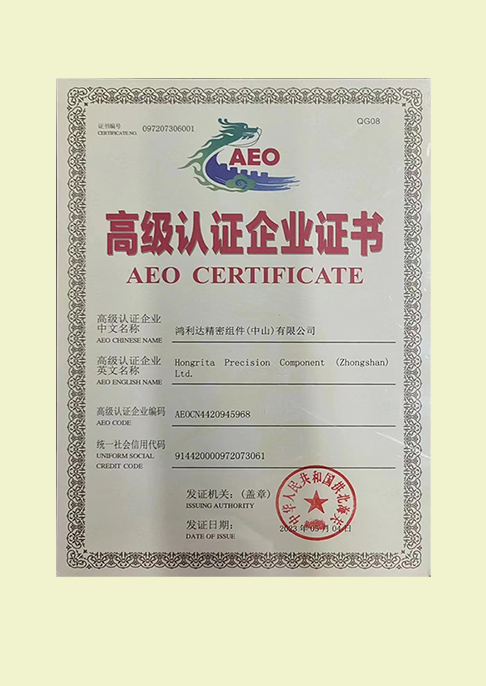
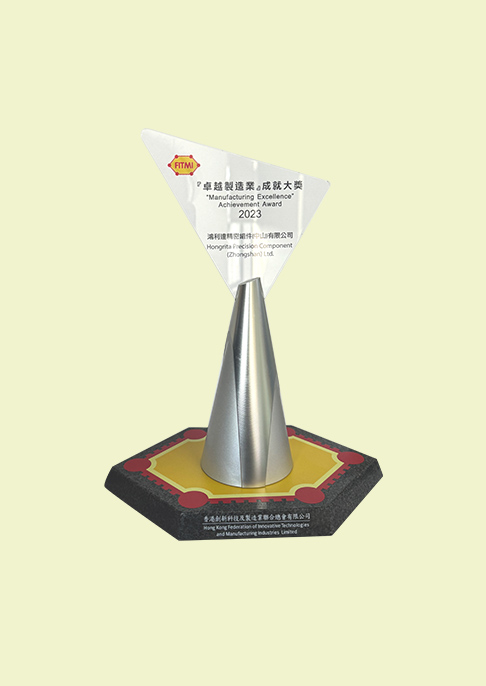
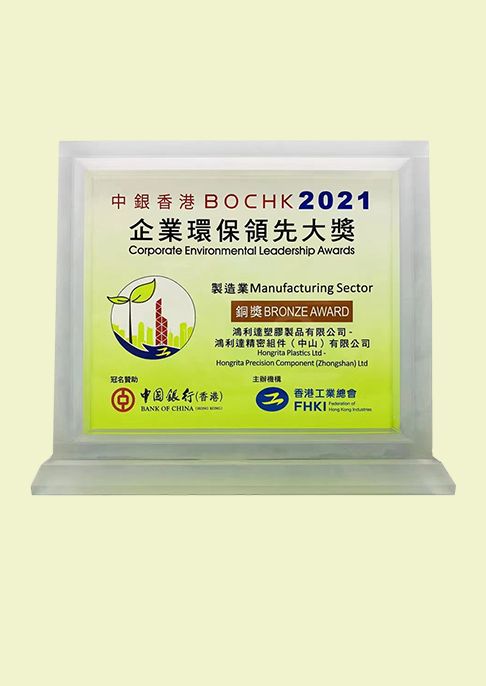
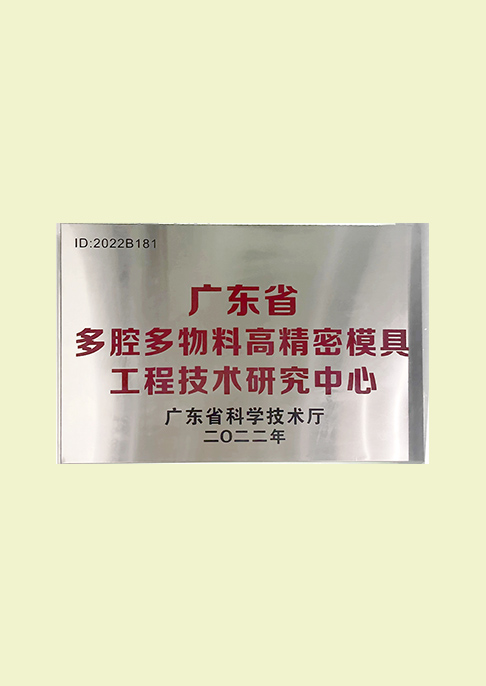
CERTIFICATIONS & QUALIFICATIONS
Hongrita has been certified with ISO14001, ISO9001, IATF16949, ISO13485, ISO45001, ISO/IEC27001, ISCC PLUS and has FDA registered.

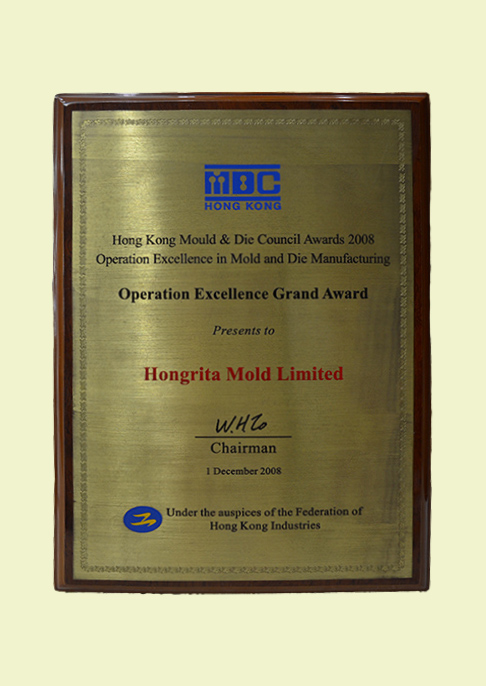


OUR JOURNEY OF INNOVATION

1988: Foundations
Mr. Felix Choi established Hongrita Mould Engineering, specializing in precision plastic molds and hardware processing with a spirit of diligence.

1993: Expansion & 2K Tech
Expansion into Shenzhen and the pioneering development of multi-material (2K) and LSR molding technologies, solving complex product pain points.

2015 - Future: Digital Intelligence
Global expansion to Malaysia and transformation into a world-class lighthouse factory through AI applications and digital intelligence.

Vision
Create better value together.

Mission
Make a product better with innovative, professional and intelligent molding solutions.

Core Values
Passion, Collaboration, Innovation, Professionalism, Advancement, Sustainability.
MANAGEMENT METHODOLOGY