Advanced Tooling & Packaging Solutions
Explore our high-performance custom molding solutions engineered to meet the strict aesthetic and functional demands of the global cosmetic, personal care, and rigid packaging industries.

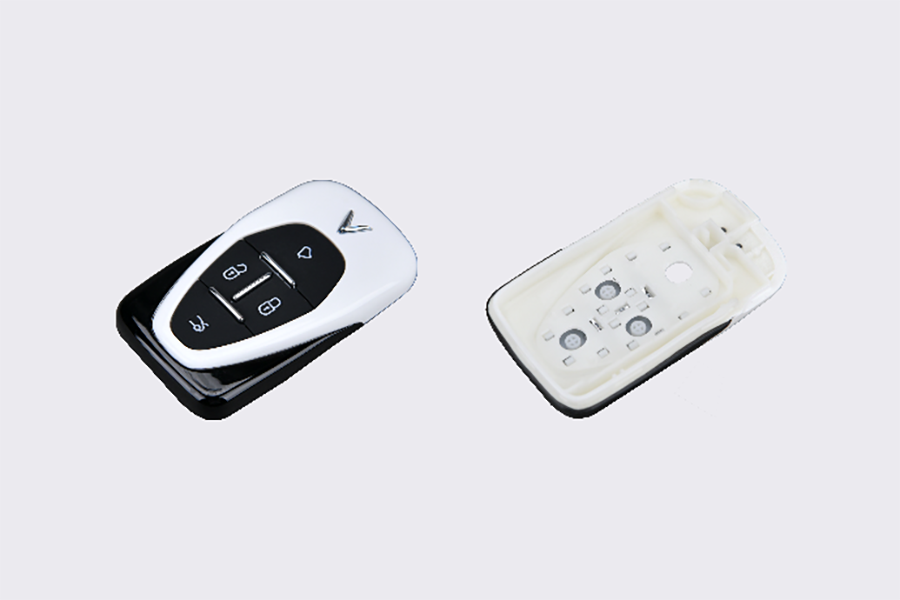
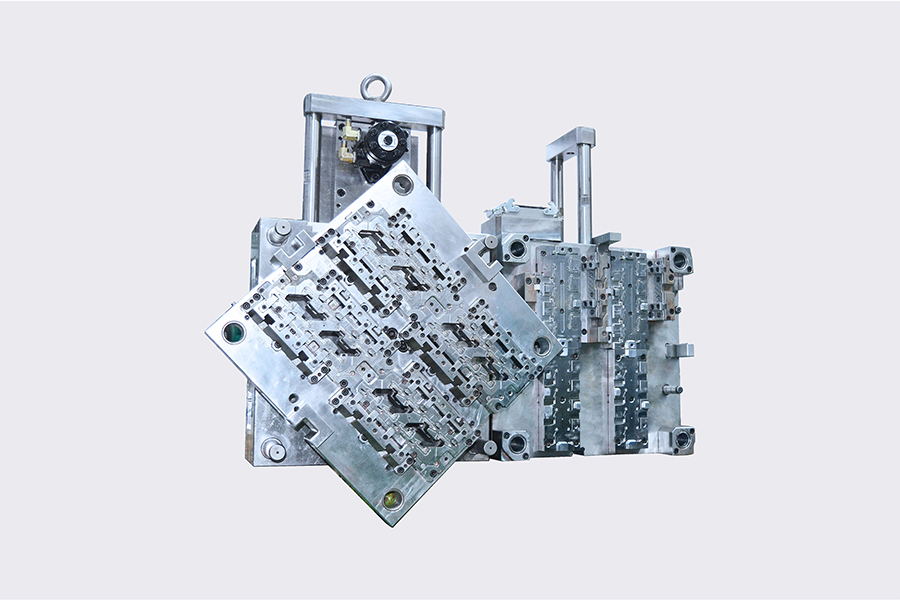
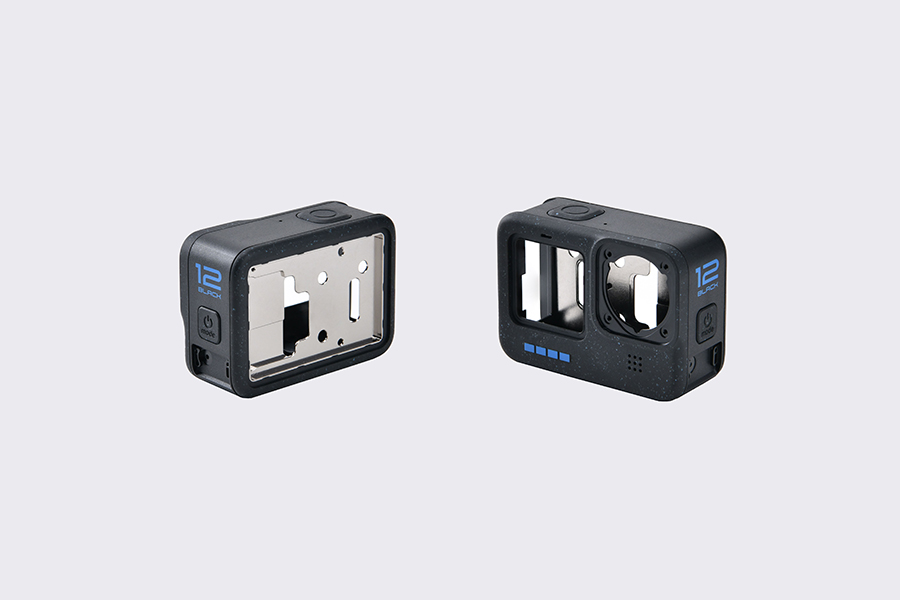
The Industrial Landscape of Cosmetic & Rigid Packaging
The global packaging sector is undergoing a profound transformation. Driven by consumer demands for sustainability, convenience, and luxury aesthetics, brands in the cosmetics, personal care, and food & beverage industries must continually innovate. At the heart of this innovation lies the tooling: high-performance molds capable of executing complex geometries, managing thin-wall variations, and cycling at peak speeds without defect.
Cosmetic packaging, in particular, demands an absolute lack of surface imperfections. Components such as lipstick tubes, compact cases, lotion pumps, and heavy-walled cream jars require flawless gloss finishes, zero weld lines, and precise fits. Achieving this level of quality consistently at high production volumes requires exceptional thermal management within the mold, advanced gate design, and premium steel selection.
Meanwhile, rigid packaging—ranging from beverage closures and flip-top caps to thin-walled containers—focuses heavily on cycle efficiency, light-weighting, and post-consumer recycled (PCR) resin compatibility. High-cavity molds with sophisticated hot runner technology are essential to keep cost-per-part low while maintaining strict dimensional tolerances. Modern tooling must adapt to these shifting paradigms, providing versatile solutions that bridge the gap between high-speed production and design freedom.
Key Market Drivers
- ✔ Aesthetic Demands: High-gloss, transparent, and multi-textured surfaces with no visible parting lines.
- ✔ Material Innovation: Seamless processing of PCR, bio-plastics, and highly viscous elastomers.
- ✔ Production Speed: High-cavitation systems running on optimized cycle times below 5 seconds.
- ✔ Eco-friendly Design: Lightweighting walls to reduce raw material usage while maintaining structural integrity.
Core Competences
Hongrita's core competences form the foundation of our competitive edge in the plastic injection molding industry. By continuously investing in advanced R&D, manufacturing technology, and process optimization, we provide high-precision tooling and production services that satisfy the most stringent requirements of global brands.
Our capabilities span from complex mold design to high-volume automated manufacturing, ensuring that we remain a trusted partner for packaging, medical, and automotive clients worldwide.
- Technology Excellence
- LSR Molding
- Multi-Component Molding
- ISBM Technology
- High Performance Tooling
- Smart Manufacturing
Hongrita's core competences in ISBM, LSR molding, multi-component molding, tooling, and smart manufacturing collectively strengthen its position as a leading provider of precision plastic components and products. These competences allow Hongrita to deliver innovative and tailor-made solutions to diverse industries, including medical, healthcare, automotive, and rigid packaging, while continuously pursuing technological excellence and sustainable business management practices.
Advanced Tooling & Molding Technologies
Leveraging state-of-the-art engineering capabilities to deliver high-precision molds for complex multi-material packaging designs.
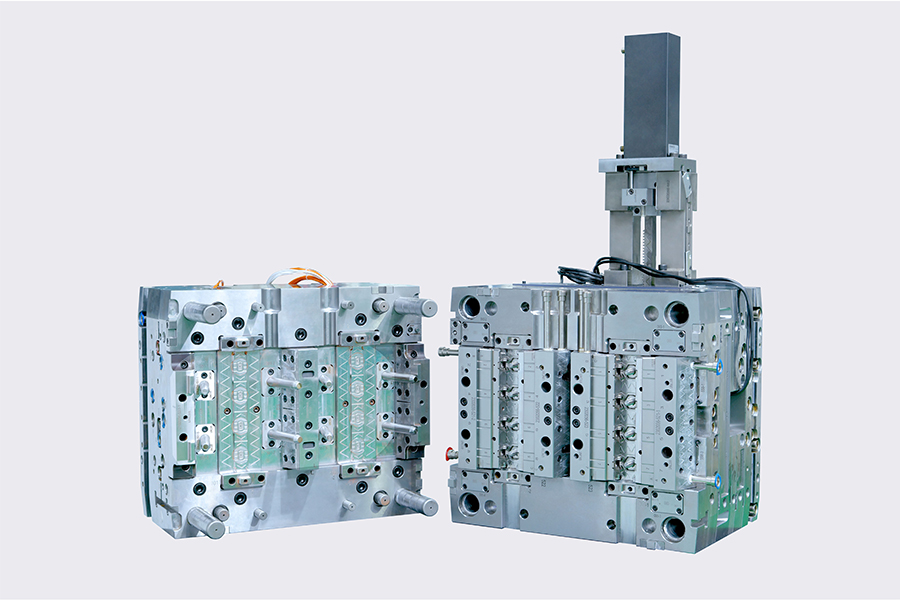
Multi-Component Injection Molding
Combining multiple materials or colors in a single cycle for ergonomic grips, dual-color caps, and integrated seals.
Read More →Multi-Cavitation Mold
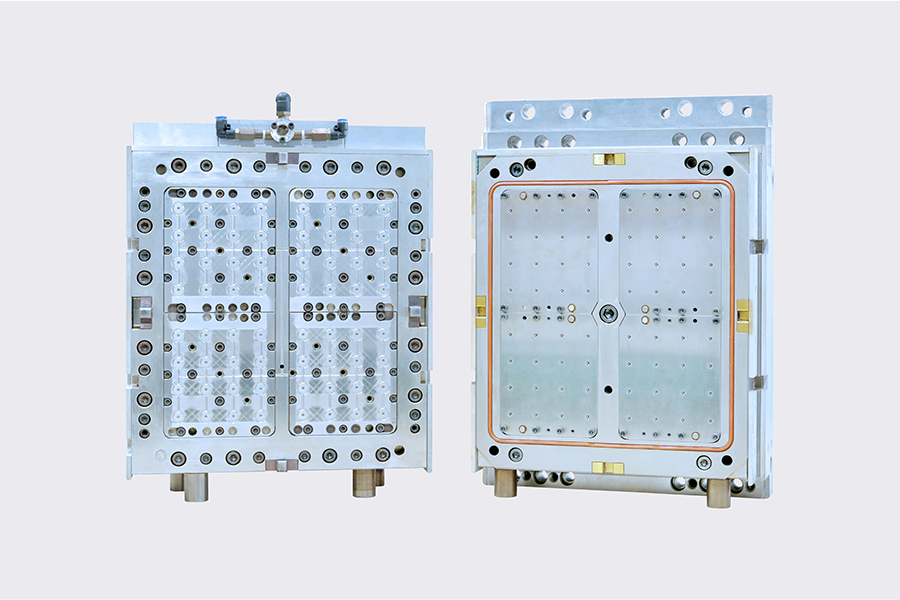
High-cavity molds engineered with balanced hot runners to ensure uniform quality and high-volume output.
Read More →LSR Injection Molding
Precision liquid silicone rubber molding for valves, cosmetic dropper bulbs, and high-performance sealing gaskets.
Read More →Precision Injection Molding
State-of-the-art machinery and cleanroom production environments for packaging components with zero-tolerance margins.
Read More →Laboratory & Quality Testing
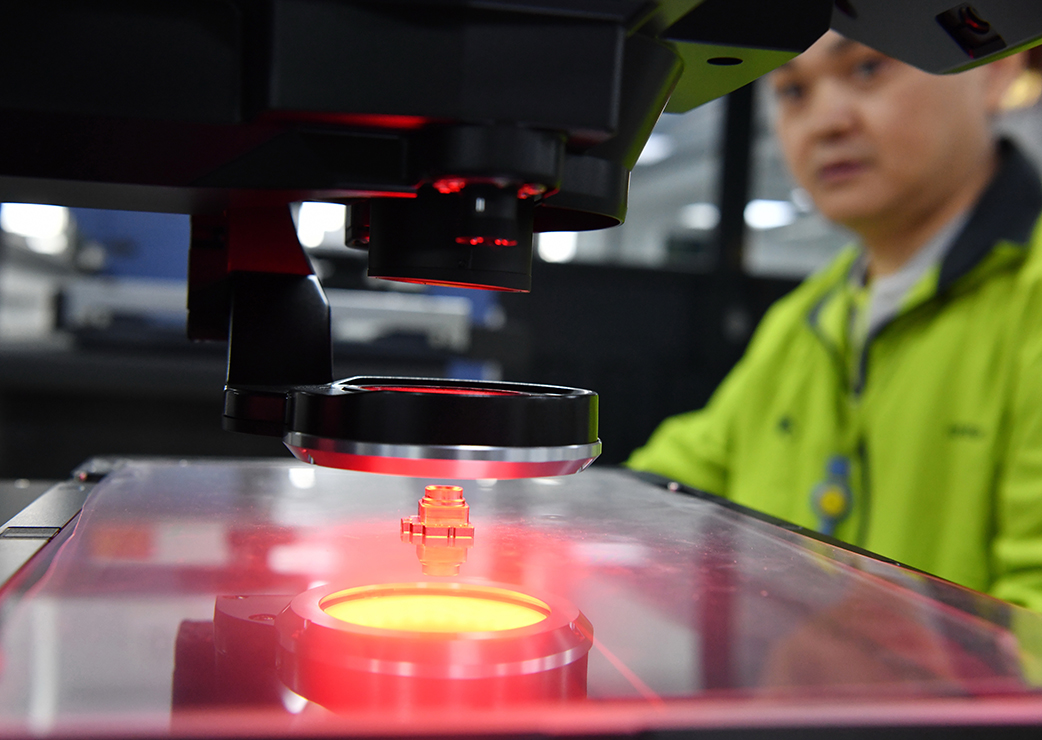
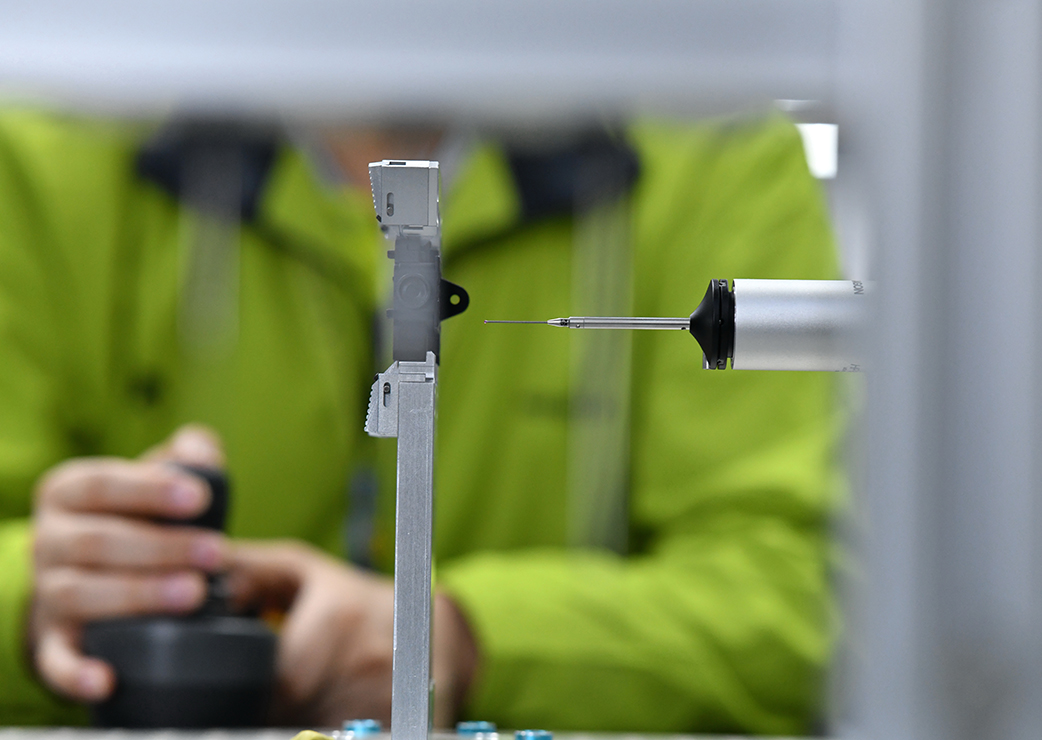
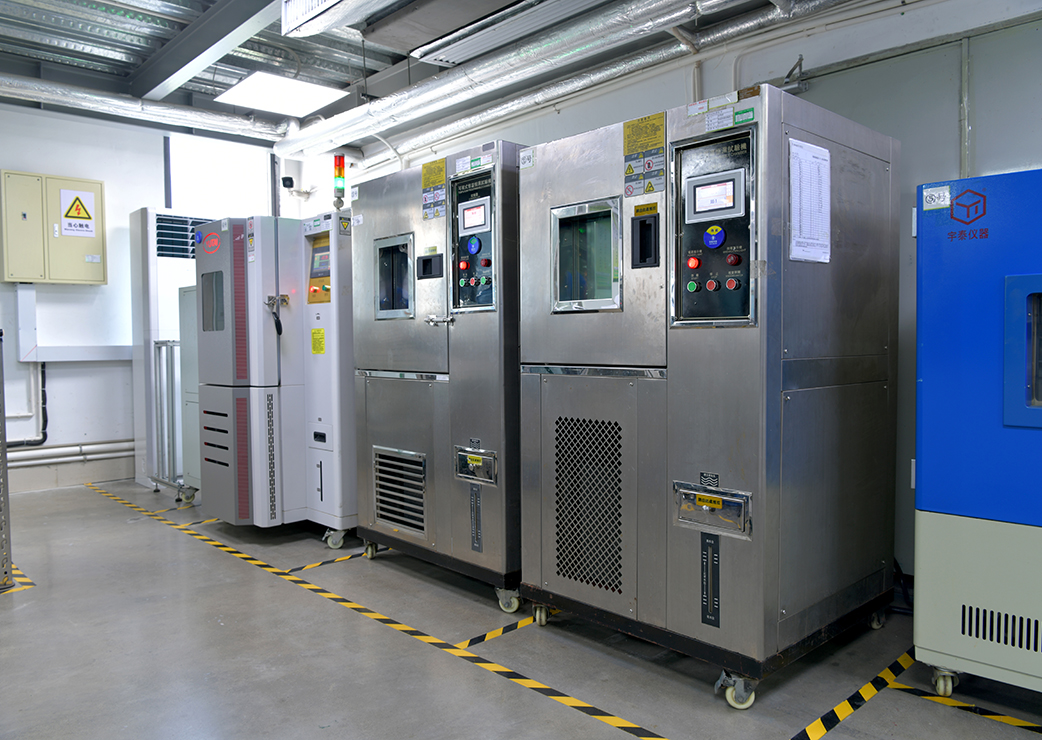
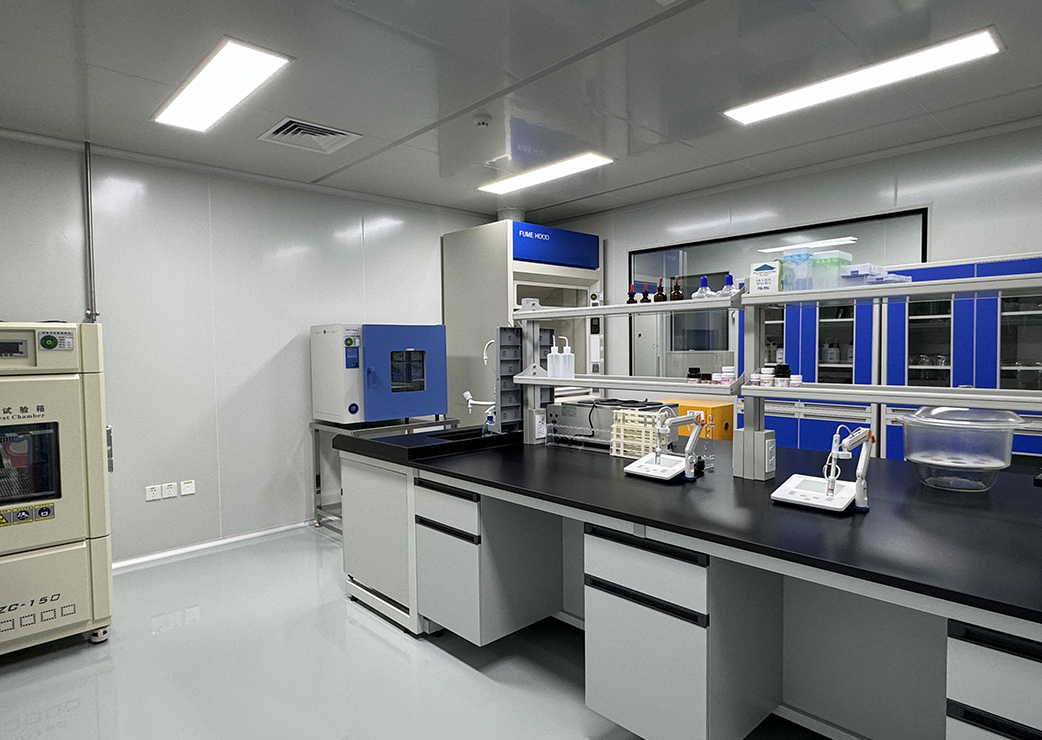
To guarantee the performance and longevity of our molds and molded parts, Hongrita operates an in-house testing facility equipped with high-precision analytical instruments.
Optical Measurements
- High-precision measurement
- Non-contact measurement
- Production efficiency improvement
- Quality control and improvement
- Research and innovation in new materials
Physical Measurements
Environmental Testing
Reliability Testing
Baby Care Product Testing
Microbiological Laboratory
Physical and Chemical Laboratory


Smart Manufacturing
The application of smart systems has enabled Hongrita to achieve better production automation, digital management, and AI decision-making, thereby enhancing the factory's level of intelligence, optimizing enterprise operational efficiency, and quality management, and strengthening the company's competitiveness in the industry.
By integrating real-time sensor monitoring, automated robotic assembly, and centralized data analytics, we ensure that every high-performance mold operates under optimized parameters. This minimizes downtime, drastically reduces scrap rates, and guarantees consistent quality across multi-million cycle production runs.
High Performance Mold & Smart Manufacturing
Read More →Precision Injection Molding Workshop
Read More →Digital Management Platform
Read More →Deep Dive: High Performance Molds for Cosmetic & Rigid Packaging
1. Advanced Application Scenarios in Cosmetic Packaging
Cosmetic packaging is characterized by its high demands for aesthetics and tactile experience. A premium cream jar is not merely a container; it represents the brand's identity. To achieve the "heavy glass" effect using plastics like PMMA or PCTG, thick-wall injection molding is required. Thick-wall parts are highly prone to sink marks, bubbles, and long cycle times. High-performance molds solve these issues using advanced thermal management, such as conformal cooling channels manufactured via 3D metal printing. These channels follow the contour of the mold cavity, ensuring rapid and uniform cooling, which eliminates sink marks and reduces cycle times by up to 30%.
Furthermore, airless pump bottles, which protect sensitive skincare formulations from oxidation, require highly complex internal components. The pistons, valves, and actuators inside these bottles must fit together with micro-level tolerances. Even a deviation of 0.01mm can lead to leakage or pump failure. Hongrita's high-precision multi-cavity molds ensure that every single component is identical, maintaining the integrity of the airless dispensing system over thousands of actuations.
2. The Evolution of Multi-Component & Overmolding Technologies
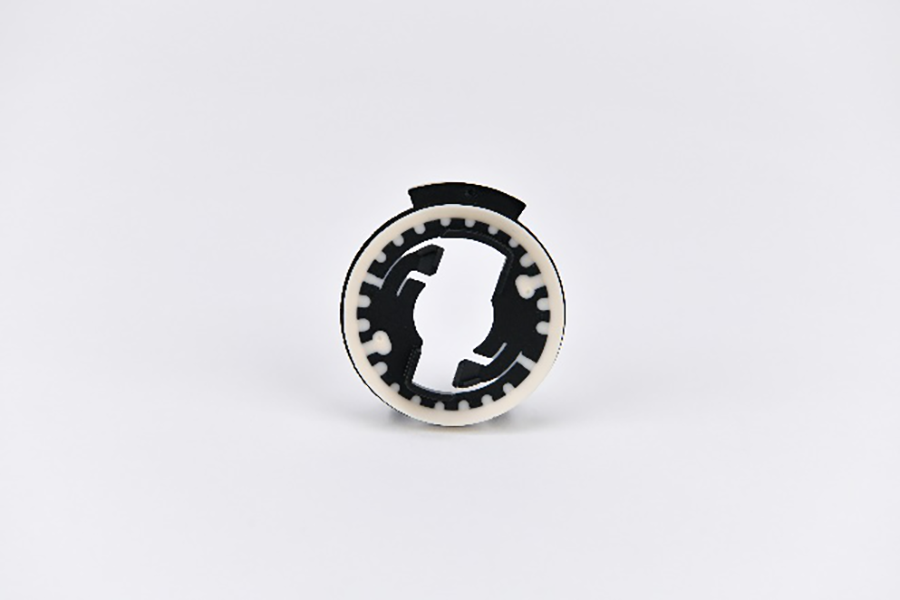
Multi-component (2K, 3K, or even 4K) injection molding has revolutionized cosmetic closures and rigid packaging. Instead of molding parts separately and assembling them, multi-component molding allows different materials to be injected into the same mold sequentially. For example, a luxury shampoo cap can be molded with a rigid PP base and a soft TPE hinge and seal in a single cycle. This not only eliminates secondary assembly costs but also prevents the risk of material separation over time.
In rigid packaging, multi-component molding is widely used for tamper-evident closures, child-resistant caps, and dual-color branding. The key to successful multi-material molding lies in the mold design. The rotating plate or index plate inside the mold must rotate with absolute precision, and the hot runner system must manage separate melt temperatures for different polymers. Hongrita's engineering team specializes in designing these complex molds, ensuring robust performance and longevity.
3. High-Cavitation Tools for High-Volume Rigid Packaging
For high-volume consumer goods, such as beverage caps and food containers, production speed and unit cost are the primary metrics. High-cavitation molds (e.g., 48, 64, or 96 cavities) are required to meet market demands. However, as the number of cavities increases, maintaining balance across the mold becomes increasingly challenging. An unbalanced mold leads to variations in part weight, dimensions, and visual defects.
To address this, high-performance rigid packaging molds utilize advanced valve-gated hot runner systems. These systems allow precise control over the flow of molten plastic into each individual cavity. Coupled with balanced cooling circuits and high-strength mold bases, our high-cavitation tools deliver consistent part quality, cycle after cycle. Additionally, we integrate quick-change mold inserts, allowing operators to swap out cavity components rapidly, reducing maintenance downtime.
4. Liquid Silicone Rubber (LSR) in Dispensing Systems
Liquid Silicone Rubber (LSR) has become the material of choice for high-end cosmetic dispensers, valves, and droppers. LSR offers exceptional chemical resistance, thermal stability, and flexibility. However, molding LSR requires completely different technology compared to thermoplastics. LSR is injected cold and cured inside a heated mold. The low viscosity of LSR makes it highly prone to flashing, requiring extremely tight tolerances (often within 0.005mm) on the mold parting lines.
Hongrita has pioneered the integration of LSR molding with thermoplastic substrates (2K LSR/Plastic molding). This allows the creation of integrated dispensing valves directly onto rigid plastic caps. By eliminating the need for manual assembly of silicone valves into plastic housings, we help brands improve product hygiene, reduce assembly defects, and streamline their supply chains.
5. Sustainability and the Shift Towards PCR Resins
Sustainability is no longer an option; it is a regulatory and consumer mandate. Packaging manufacturers are increasingly replacing virgin plastics with Post-Consumer Recycled (PCR) resins or bio-based plastics. However, PCR resins present unique challenges for injection molding. They often have inconsistent viscosity, higher contamination rates, and different shrinkage rates compared to virgin materials.
High-performance molds must be designed with greater process windows to accommodate these material variations. This includes optimizing gate geometries to prevent shear degradation, enhancing venting systems to expel outgassing from PCR impurities, and utilizing wear-resistant coatings (such as DLC or chrome plating) on mold components to withstand abrasive recycled materials. Hongrita is at the forefront of this green transition, designing molds that run PCR materials efficiently without sacrificing part quality or tool life.
Our Full Range of Tooling & Molded Products
Discover how our precision tooling capabilities translate into high-quality components for diverse application scenes.