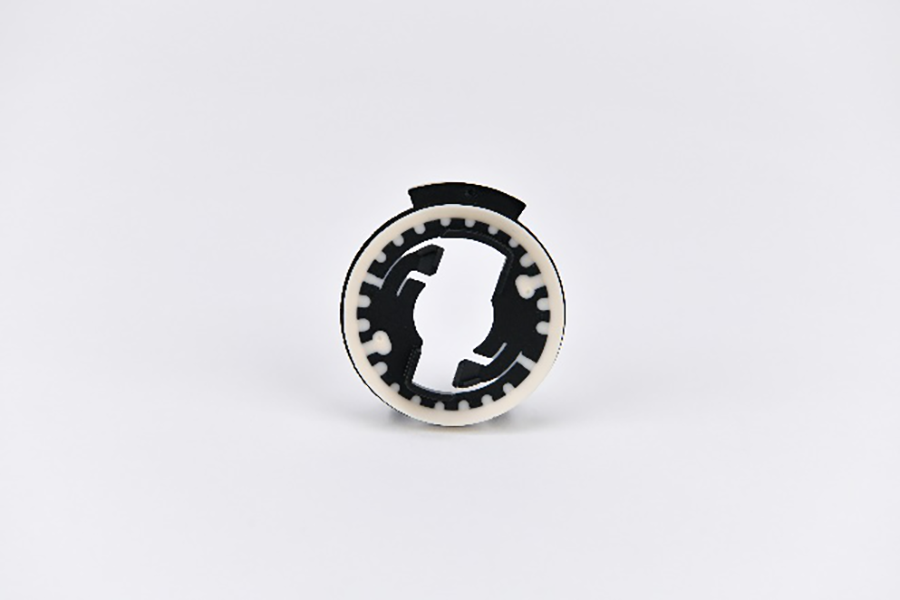
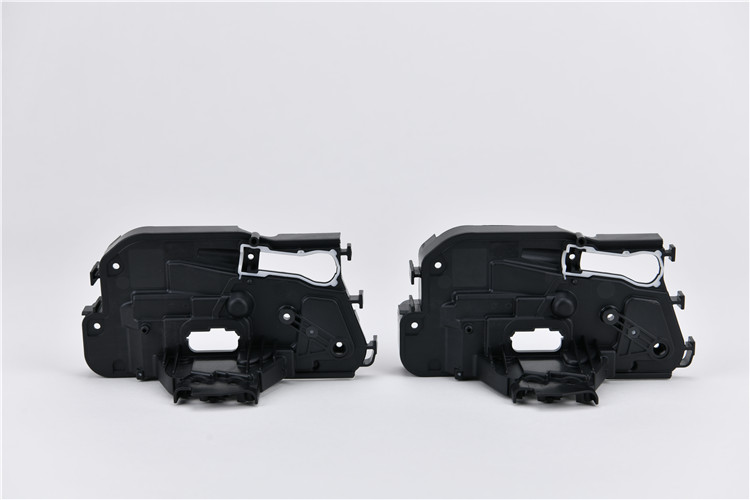
Featured Health-Tech Component Solutions
Explore our advanced precision molded parts engineered for smart wearables and medical-grade consumer hardware.
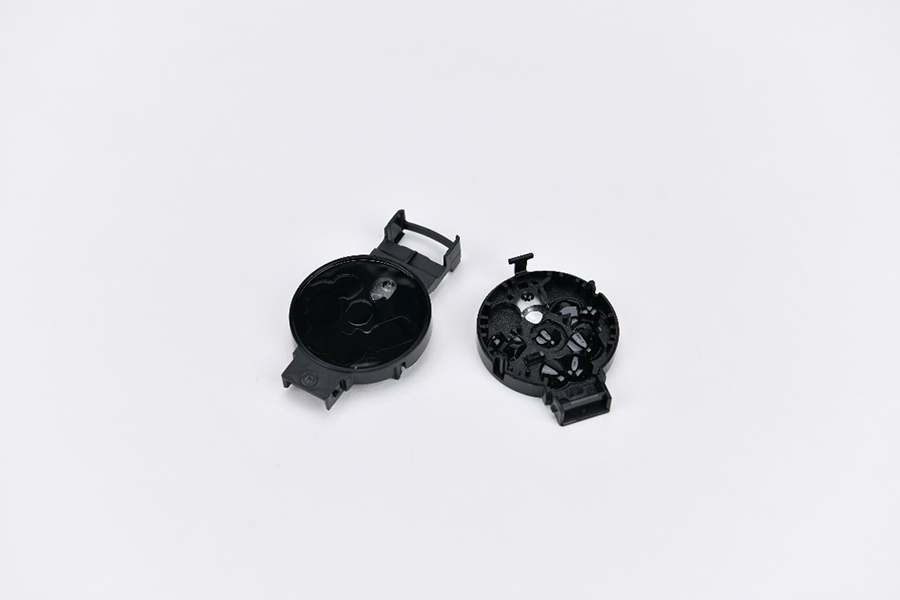
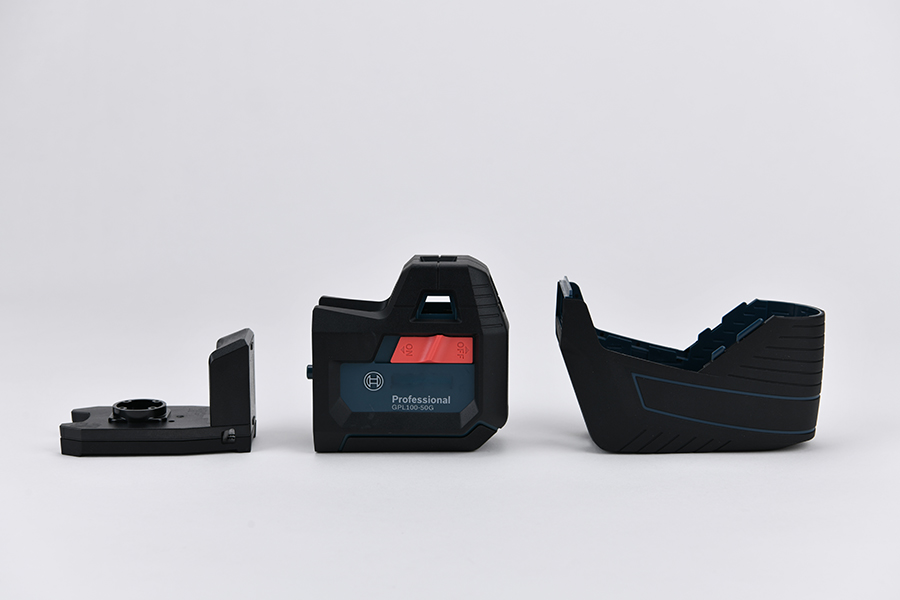
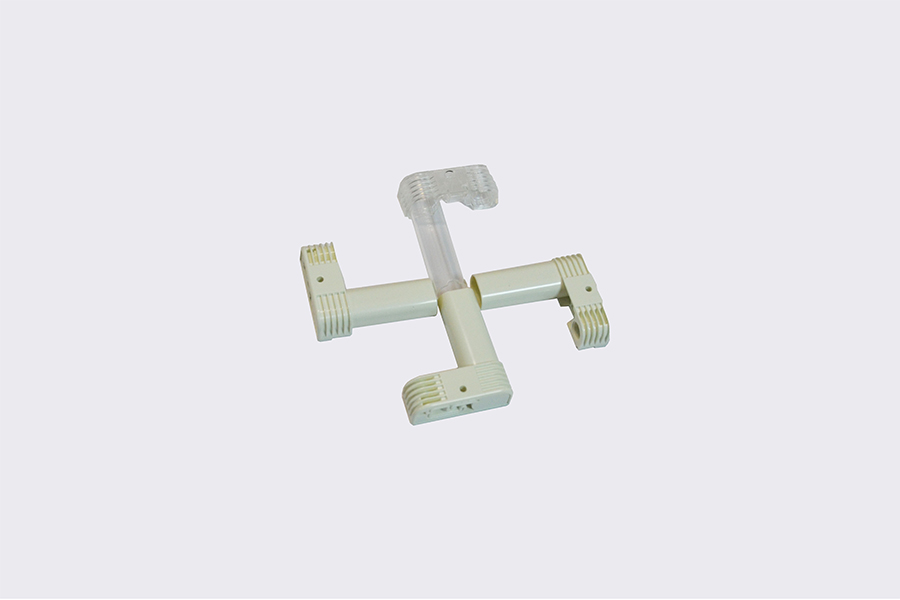
The Convergence of Healthcare and Consumer Electronics
The global landscape of health monitoring is undergoing a paradigm shift. Medical technology is no longer confined to sterile hospital environments; it has seamlessly integrated into the daily lives of consumers through wearable technology, smart diagnostic tools, and connected home-health monitoring ecosystems. This convergence of healthcare and consumer electronics demands a new standard of manufacturing excellence. At the heart of this revolution is Healthcare Injection Molding—a specialized manufacturing process that bridges the gap between biocompatible medical requirements and the sleek, compact aesthetics of consumer electronics.
Smart devices such as fitness trackers, continuous glucose monitors (CGMs), smart hearing aids, and wearable ECG patches require intricate plastic components that are both safe for prolonged skin contact and robust enough to protect sensitive internal electronics. By leveraging advanced healthcare injection molding techniques, manufacturers can produce high-precision, multi-functional enclosures that meet stringent FDA and ISO 13485 medical standards while delivering the ergonomic, lightweight, and modern designs that consumers expect.
Industrial Status and Development Trends
The market for smart healthcare devices is expanding exponentially. According to recent industrial analyses, the demand for wearable medical devices is growing at a double-digit compound annual growth rate (CAGR). This expansion is driven by an aging global population, the rise of telehealth, and an increased proactive focus on personal wellness. Consequently, injection molders must adapt to rapid product lifecycles typical of consumer electronics while maintaining the rigorous quality control and validation standards of medical-grade production.
One of the dominant trends in this field is miniaturization. As microchips and biosensors become smaller and more powerful, the plastic housings that encapsulate them must follow suit. This requires micro-injection molding capabilities, where wall thicknesses can be under 0.5mm, and tolerances are measured in microns. Additionally, there is a substantial shift towards smart materials and sustainable medical-grade resins that do not compromise on biocompatibility or chemical resistance to daily sanitization and sweat exposure.
Market Insights
"The future of smart medical devices lies in the seamless fusion of hardware reliability and user comfort. Healthcare injection molding is the enabling technology that allows micro-electronics to reside safely within flexible, biocompatible skin-contact interfaces."
Furthermore, the integration of Liquid Silicone Rubber (LSR) with thermoplastics via multi-shot injection molding has emerged as a key technology. LSR provides excellent sealing properties (IP67/IP68 water and dust resistance), soft-touch comfort, and superior biocompatibility, making it indispensable for smart earbud tips, wearable watch bands, and diagnostic probe seals.
Core Competences
Hongrita's core competences form the foundation of our competitive edge in the precision plastic industry. Our specialized capabilities are tailored to meet the exacting requirements of the healthcare and consumer electronics crossover markets:
- Technology Excellence
- LSR (Liquid Silicone Rubber) Molding
- Multi-Component Molding
- ISBM (Injection Stretch-Blow Molding)
- High Performance Tooling Solutions
- Smart Manufacturing
Hongrita's core competences in ISBM, LSR molding, multi-component molding, tooling, and smart manufacturing collectively strengthen its position as a leading provider of precision plastic components and products. These competences allow Hongrita to deliver innovative and tailor-made solutions to diverse industries, including medical, healthcare, automotive, and rigid packaging, while continuously pursuing technological excellence and sustainable business management practices.
Advanced Molding Technologies
Discover our core specialized molding processes designed to handle complex geometries, multi-material bonding, and high-volume precision production.
Multi-Component Injection Molding
Combining different materials or colors in a single cycle for enhanced functionality and aesthetics.
Read MoreMulti-Cavitation Mold
High-efficiency, high-volume production molds optimized for balanced flow and dimensional consistency.
Read MoreLSR Injection Molding
Liquid Silicone Rubber processing for high biocompatibility, sealing, and flexible interfaces.
Read MorePrecision Injection Molding and Equipment
State-of-the-art machinery and cleanroom environments for micron-level tolerance components.
Read MoreDeep Application Scenarios in Smart Devices
To fully understand the impact of healthcare injection molding in consumer smart devices, we must analyze the specific scenarios where these components operate. The demands on the plastic components vary significantly depending on the device's function, environment, and user interaction level.
1. Continuous Glucose Monitors (CGMs)
CGMs require a rigid polycarbonate shell overmolded with a soft, medical-grade thermoplastic elastomer (TPE) or LSR. The rigid portion protects the internal transmitter and battery, while the flexible overmolded edge provides skin comfort, acts as an adhesive carrier, and seals the unit against moisture during showering or swimming.
2. Smart Hearing Aids & Hearables
Modern hearing aids pack Bluetooth chips, rechargeable batteries, and microphones into tiny, custom-fit shells. Micro-injection molding is critical to create the ultra-thin, complex internal structures that hold these electronics. LSR ear tips are also molded to provide hypoallergenic comfort and acoustic isolation.
3. Handheld Diagnostic Tools
Connected thermometers, blood pressure monitors, and mobile ultrasound probes require robust housings designed for drop resistance and chemical cleanability. Using multi-component injection molding, we mold structural ABS or PC/ABS blends with soft grip panels, ensuring the device survives drops and frequent sanitization with harsh medical disinfectants.
Addressing Bio-compatibility and Environmental Requirements
Devices worn on the human body or used inside home environments face strict biocompatibility requirements (such as ISO 10993 testing). Healthcare injection molding relies on certified medical-grade resins that do not release harmful leachables or cause skin irritation. Furthermore, smart devices are subjected to daily wear and tear, including exposure to cosmetics, skin oils, sunscreen, and cleaning agents. Standard consumer plastics degrade or crack under these conditions. The selection of advanced materials like polyetherimide (PEI), polyphenylsulfone (PPSU), and specialized copolyesters, coupled with precise mold temperature control, ensures that the molded components maintain structural and cosmetic integrity over years of use.
Laboratory
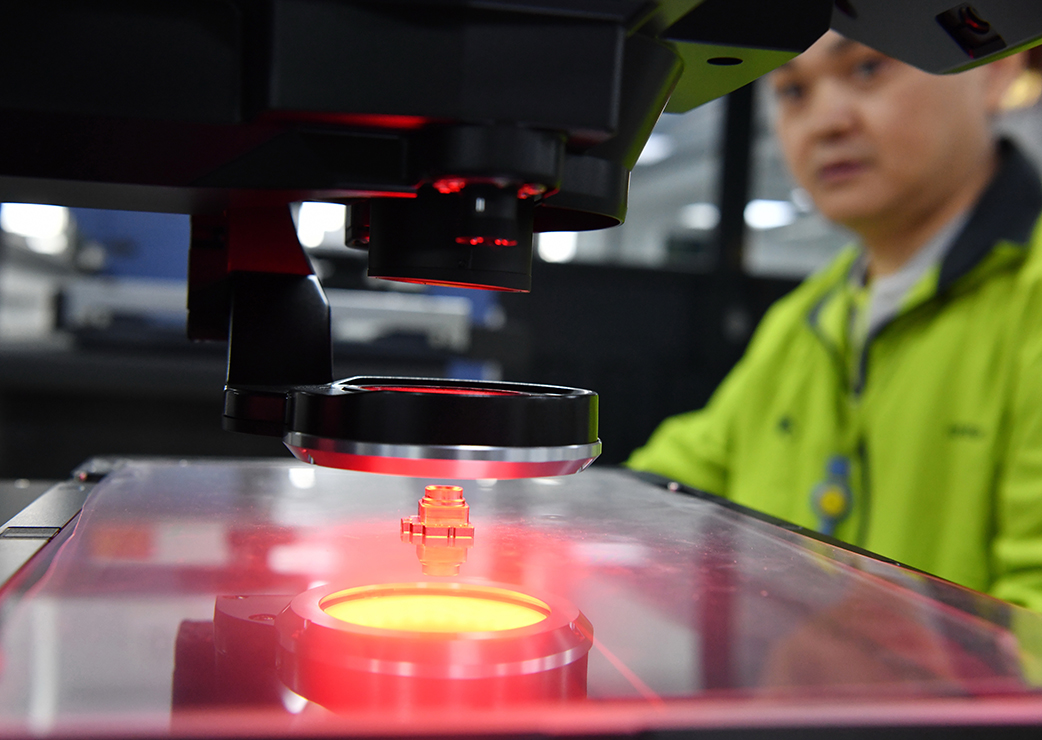
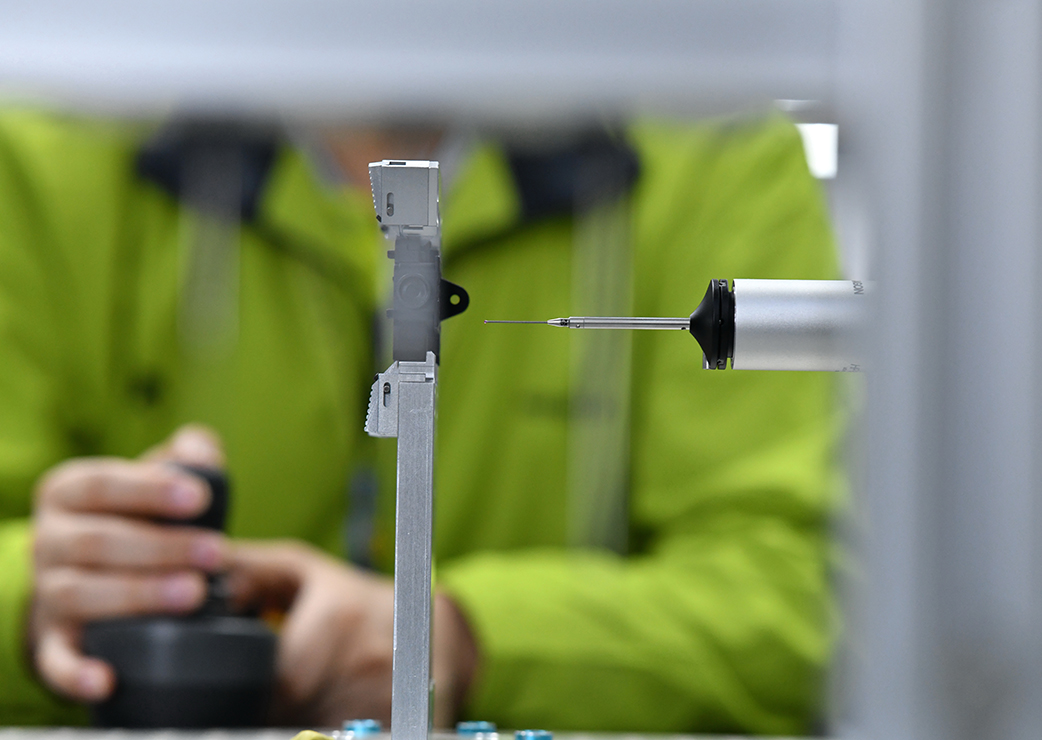
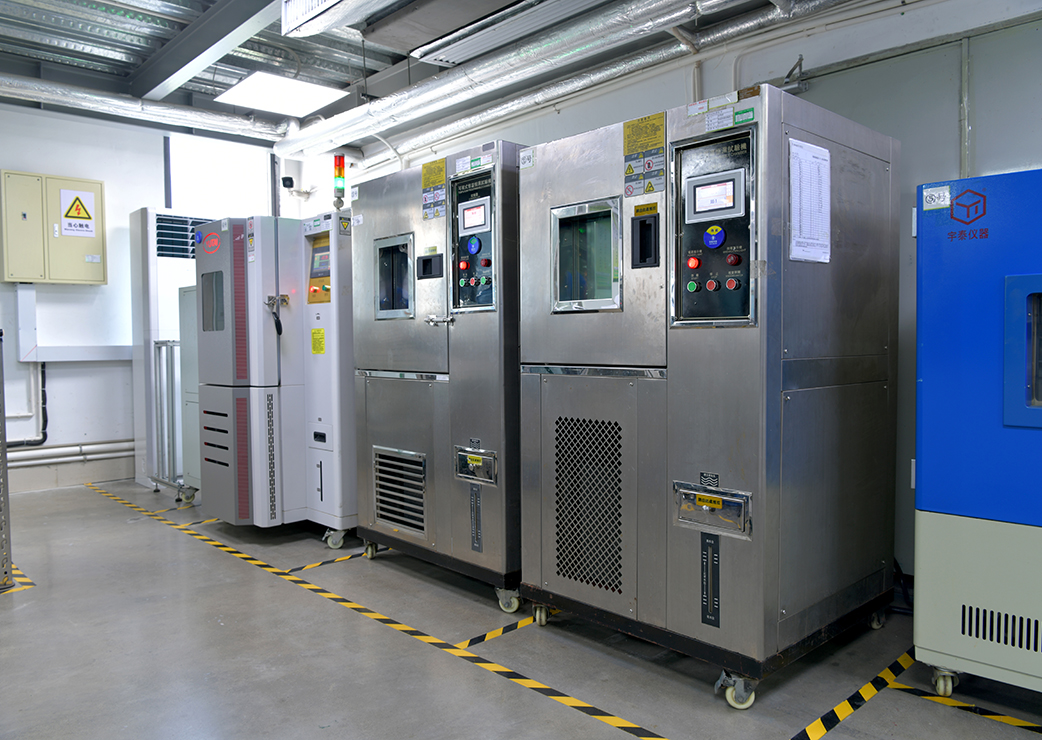
Quality and precision are non-negotiable in the medical-device and smart-device sectors. Our state-of-the-art laboratory facilities are equipped to conduct rigorous testing, validation, and measurement protocols to guarantee that every component meets the exact designs and regulatory specifications.
-
Optical Measurements
- High-precision measurement
- Non-contact measurement
- Production efficiency improvement
- Quality control and improvement
- Research and innovation in new materials
Physical Measurements
Environmental Testing
Reliability Testing
Baby Care Product Testing
Microbiological Laboratory
Physical and Chemical Laboratory
Testing & Verification Capabilities


Smart Manufacturing
The application of smart systems has enabled Hongrita to achieve better production automation, digital management, and AI decision-making, thereby enhancing the factory's level of intelligence, optimizing enterprise operational efficiency, and quality management, and strengthening the company's competitiveness in the industry.
In the context of healthcare and medical consumer electronics, smart manufacturing plays a vital role. Regulatory bodies require full traceability of raw materials, process parameters, and quality checks. Our digital intelligence platform integrates real-time cavity pressure monitoring, automated robotic extraction, and integrated inline vision systems to inspect parts for defects immediately after ejection. This closed-loop system minimizes human error and guarantees a zero-defect output, which is essential for life-supporting or health-critical devices.
High Performance Mold and Smart Manufacturing
Advanced tool design integrated with digital manufacturing platforms for maximum tool life and consistent yield.
Read MorePrecision Injection Molding Workshop
Controlled environment workshops designed for high-end medical and electronic component molding.
Read MoreDigital Management
MES and ERP system integration providing full batch traceability and data-driven quality control.
Read MoreTechnical Precision: Tooling and Multi-Shot Technology
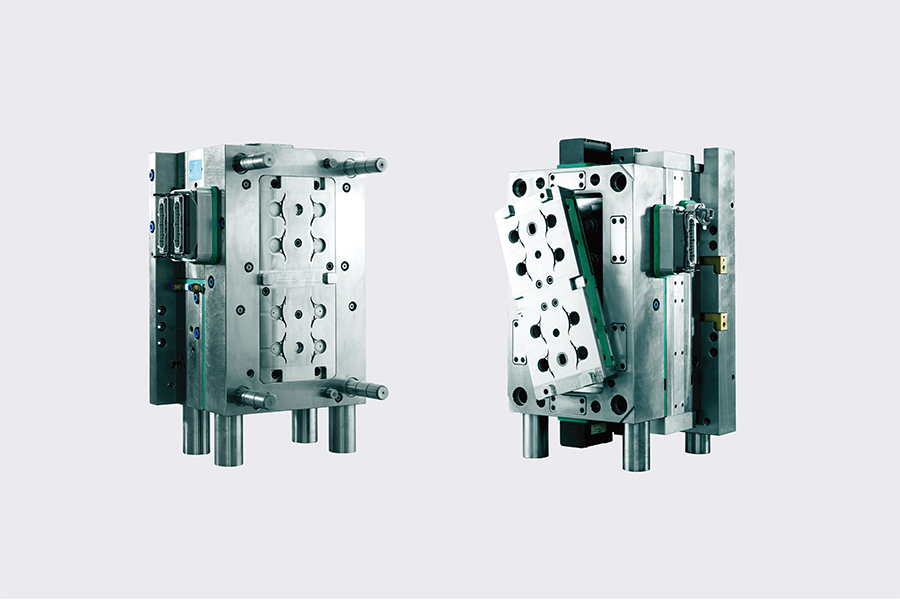
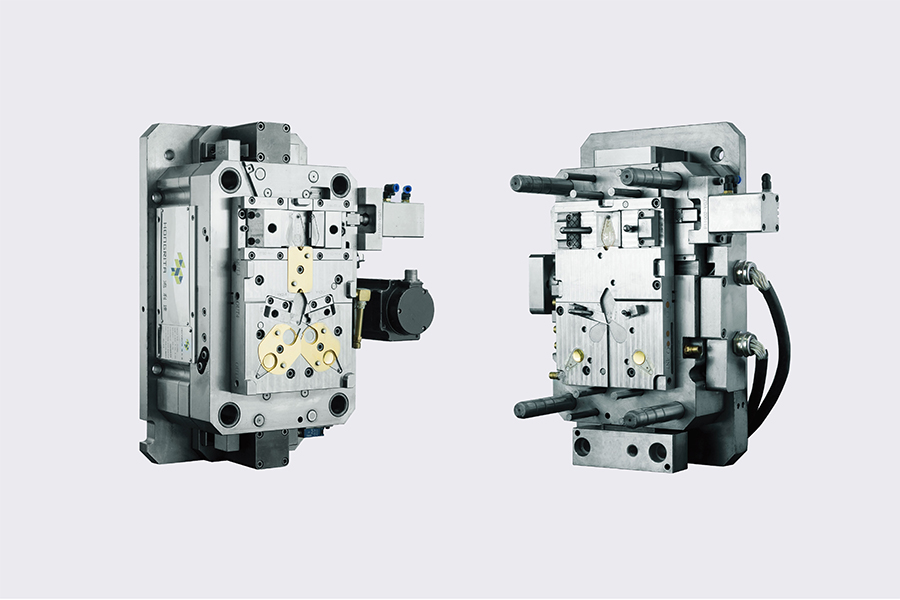
The success of healthcare injection molding for consumer electronics depends heavily on the precision of the mold tool. Tooling for miniaturized electronics requires high-grade steel, advanced cooling channel designs (such as conformal cooling), and micro-machining capabilities. Conformal cooling channels, produced via 3D metal printing, follow the contours of the mold cavity, ensuring uniform heat dissipation. This dramatically reduces cycle times and prevents part warpage, which is critical when molding thin-walled enclosures that must seal perfectly.
Furthermore, multi-component (2K/3K) injection molding has revolutionized the assembly of smart devices. By molding multiple materials in a single machine cycle, we eliminate secondary assembly steps. For instance, a rigid structural polycarbonate frame can be overmolded with a soft Liquid Silicone Rubber (LSR) gasket and a third decorative PMMA window. This single-piece design not only reduces production costs and assembly errors but also creates a seamless molecular bond between the materials. This bond is crucial for achieving IP68 waterproof ratings, protecting internal sensors and microchips from water ingress, sweat, and humidity.
By integrating LSR molding, multi-component molding, and high-performance tooling under one roof, Hongrita provides a comprehensive solution that guides clients from initial design-for-manufacturability (DFM) analysis to high-volume automated smart manufacturing.
Comprehensive Product Portfolio
Review our full range of custom components, showcasing advanced multi-component, LSR, and high-precision plastic injection molding capabilities.