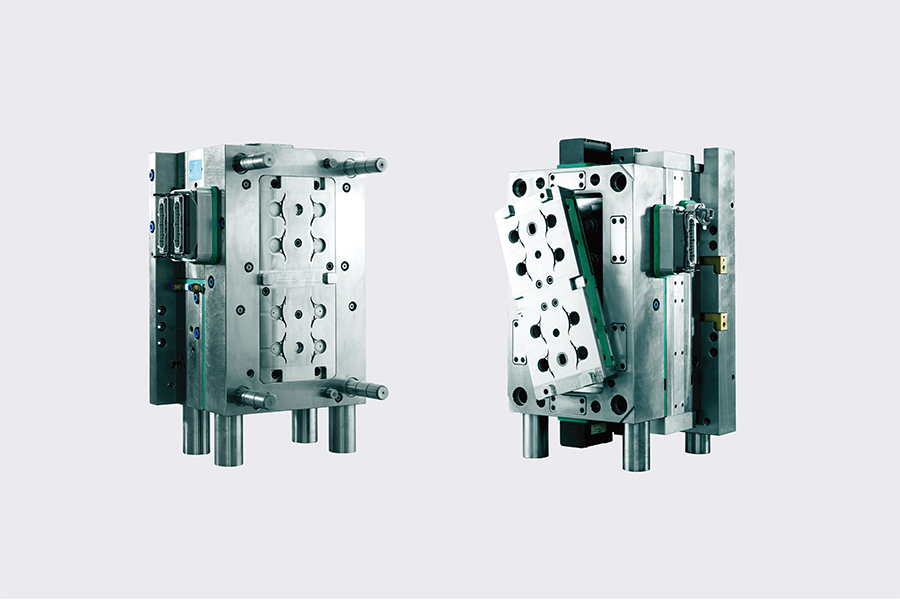
Precision Molding Applications
Explore our core high-volume tooling components designed for extreme environments, intelligent mechanisms, and multi-component execution.
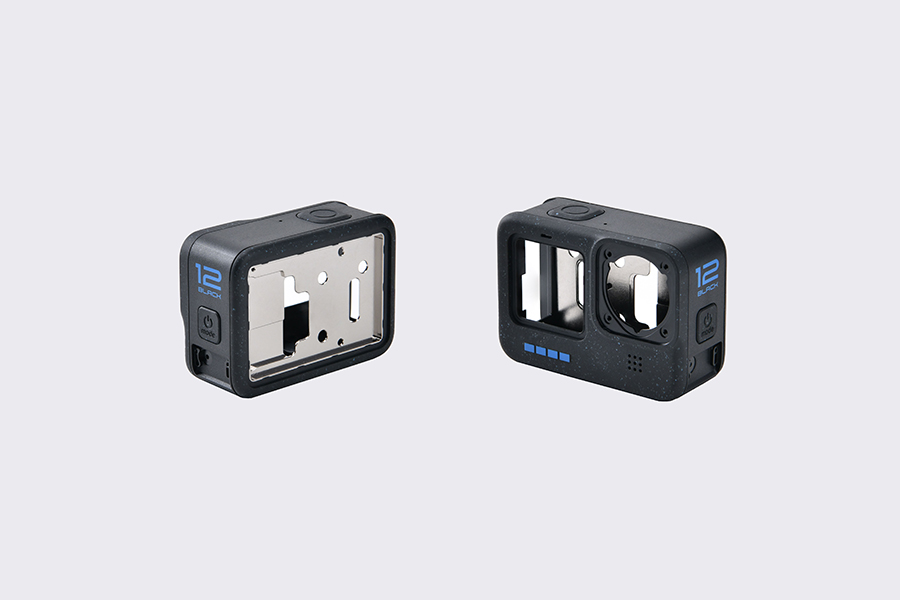
Action camera housing - waterproof and drop-proof, extreme sports professional photography equipment
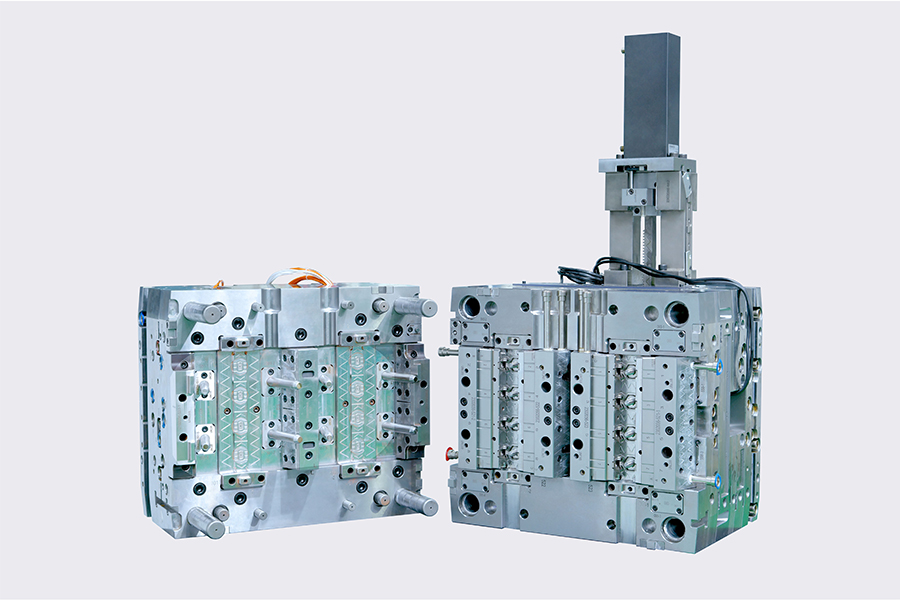
Intelligent Car Door Locks - High Accuracy, Durable, Strong and Reliable
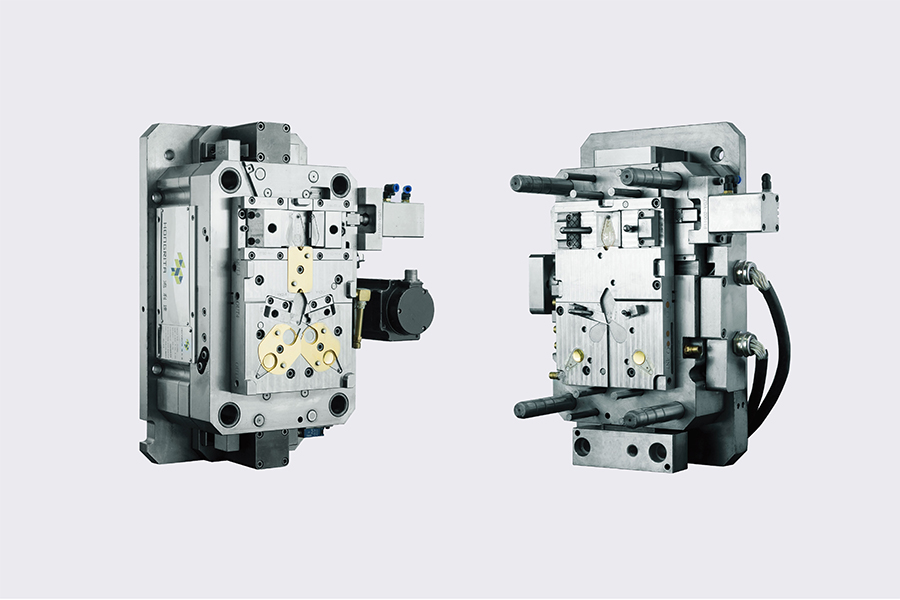
3-Component Magnifier- molded in one assembly, ideal for reading and appreciating artifacts
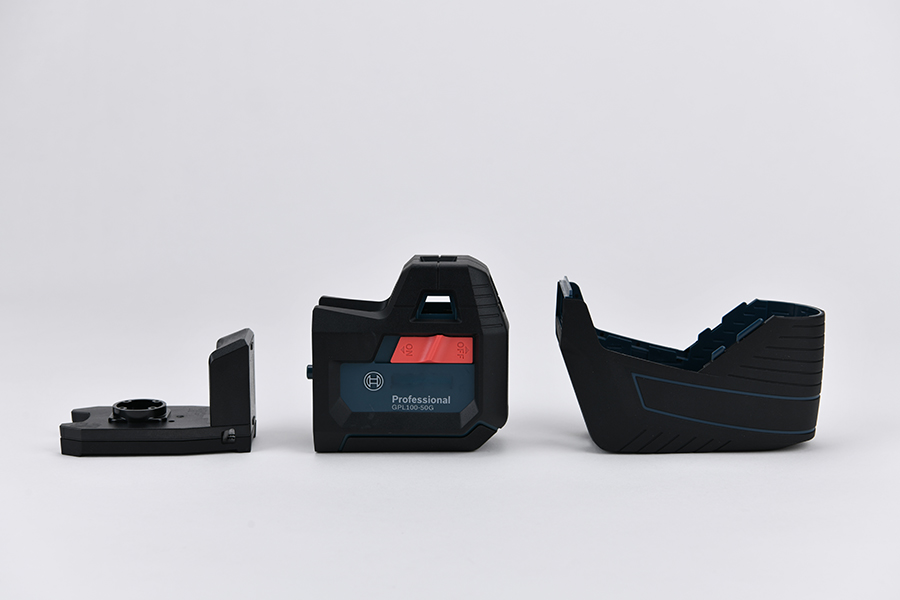
Industrial-grade2k stent gauge - accurate and stable, suitable for all kinds of complex environmental measurement tasks
The Landscape of Modern Consumer Product Moulding
The global consumer electronics and smart device markets are experiencing an unprecedented surge in complexity. Today's consumers demand products that are not only highly functional but also aesthetically flawless, lightweight, and exceptionally durable. To meet these expectations, brands must rely on advanced Consumer Product Moulding strategies optimized for High-Volume Precision Molding And Tooling. This intersection of engineering disciplines ensures that millions of identical components can be manufactured with sub-micron consistency, minimal cycle times, and reduced material waste.
High-volume manufacturing requires a shift in mindset from simple tooling design to comprehensive production cell optimization. Whether it is a ruggedized action camera housing, an intelligent car lock mechanism, or a complex multi-material sensor array, the tooling must be designed to withstand millions of cycles without degradation. This requires state-of-the-art thermal management, precise gating systems, and the integration of smart sensors directly within the mold cavity to monitor pressure and temperature in real-time.
Key Industry Drivers:
1. Miniaturization: Smart wearables and consumer electronics require ultra-thin wall sections and micro-features that challenge conventional flow dynamics.
2. Material Hybridization: The combination of hard plastics, soft-touch elastomers, and liquid silicone rubber (LSR) in a single cycle to eliminate secondary assembly steps.
3. Automation and AI: The transition toward fully automated closed-loop manufacturing cells where real-time tool diagnostics adjust injection parameters dynamically.
High-Volume Precision Molding: Technical Challenges & Solutions
Achieving precision at scale is one of the most demanding challenges in modern manufacturing. When producing millions of parts, even a minor variation in mold temperature or material viscosity can lead to thousands of defective units. To prevent this, professional molders utilize Scientific Molding principles. This involves decoupled molding strategies where the filling, packing, and holding phases are optimized independently based on plastic melt behavior rather than machine settings.
1. Advanced Thermal Management (Conformal Cooling)
In high-volume production, cycle time is directly tied to profitability. Conventional cooling channels are drilled in straight lines, leaving hot spots in complex geometries. By leveraging metal 3D printing (Selective Laser Melting), engineers can design conformal cooling channels that follow the exact contours of the mold cavity. This results in uniform heat dissipation, reduces cooling times by up to 30%, and eliminates part warpage.
2. Multi-Cavity Balance and Hot Runner Optimization
High-volume tooling often utilizes high-cavitation molds (e.g., 16, 32, or 64 cavities). Ensuring that the melt reaches every cavity at the exact same temperature and pressure is critical. Modern hot runner systems with individual tip temperature controls are employed to maintain thermal homogeneity, preventing issues like flashing on one side of the tool and short shots on the other.
Deep-Dive Application Scenarios in Consumer & Industrial Sectors
Precision tooling is the backbone of diverse industries, spanning consumer lifestyle, automotive integration, and optical metrology. Below, we dissect how advanced molding technologies solve real-world engineering challenges.
Consumer Electronics & Outdoor Gear
Devices like action cameras operate in extreme environments—underwater, freezing cold, or high impact. Molding their housings requires co-injecting rigid structural resins with soft elastomeric seals (2K molding) to guarantee IP68 waterproof ratings and drop-proof performance without relying on manual adhesive gaskets.
Automotive Intelligent Access
Smart car door locks and keyless entry systems demand tight mechanical tolerances for smooth gear meshing and electronic housing seal integrity. Using wear-resistant polymers and high-precision inserts ensures these components perform flawlessly over hundreds of thousands of cycles under fluctuating vehicle cabin temperatures.
Multi-Material Optical Assemblies
Integrating lenses, structural frames, and ergonomic grips into a single tool (3-Component molding) eliminates assembly errors, improves optical alignment, and reduces the overall bill of materials (BOM), demonstrating the power of consolidated manufacturing.
Material Innovations: The Rise of Liquid Silicone Rubber (LSR)
One of the most significant shifts in consumer product moulding is the widespread adoption of Liquid Silicone Rubber (LSR). Unlike thermoplastic elastomers (TPE), LSR offers superior biological compatibility, high thermal stability, and excellent chemical resistance. It is increasingly utilized in infant care products, medical device interfaces, and wearable consumer electronics. Molding LSR requires specialized cold runner systems and high-precision tooling execution to prevent flash, as the material's low viscosity allows it to leak into gaps as small as 5 microns.
Our Global Manufacturing Footprint
With strategically located engineering and production hubs, we provide seamless local support and global scale.
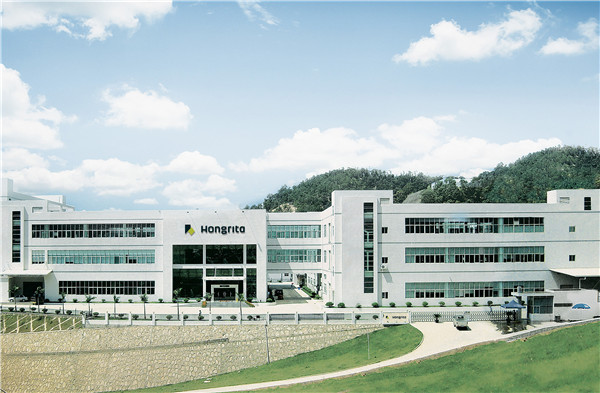
Shenzhen
Focusing on the 3C and intelligent technology components business, overseas commercial mold business, and in-house use molds.
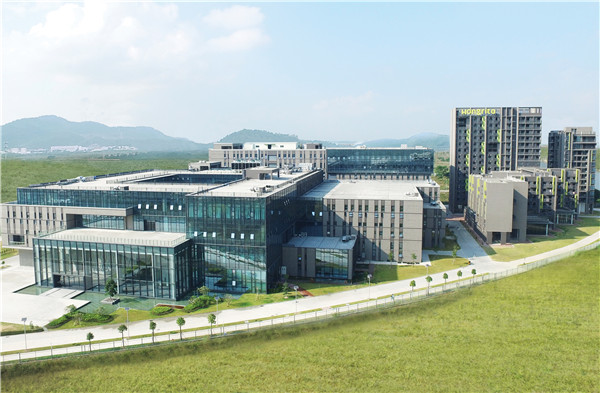
Zhongshan
Serving as Hongrita's hub for innovation R&D, engineering, major projects and production; and the proving grounds of change management, new technology applications and intelligent manufacturing.
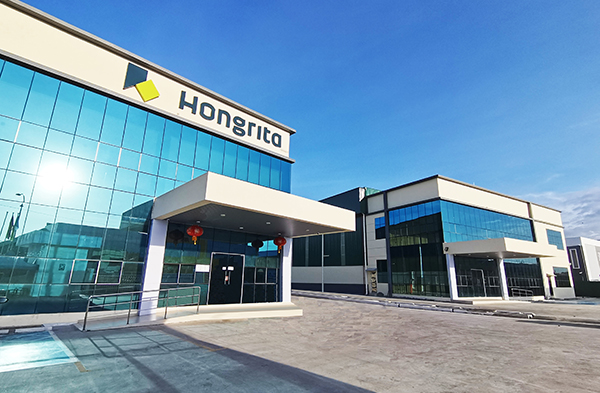
Penang
Developing tooling and molding business in Southeast Asia; and serving as proving grounds of Hongrita's global expansion plan and training base for the overseas team.

Our History & Growth Milestones
From a humble tool shop to a multi-national precision manufacturing group.
1988
After completing the apprentice program, Mr. Felix Choi, the founder of Hongrita, borrowed money and invested in the first milling machine in June 1988. He rented a corner in a friend's factory and established Hongrita Mould Engineering Company, specializing in mold and hardware parts processing. Mr. Choi’s humble, diligent, and progressive entrepreneurial spirit attracted a group of like-minded partners. With the collaborative efforts of the core team and their excellent skills, the company focused on the design and production of complete molds, establishing a reputation for manufacturing precision plastic molds.

1993
In 1993, riding the wave of national reform and opening up, Hongrita established its first base in Longgang District, Shenzhen, and expanded its business to include plastic moulding and secondary processing. After 10 years of growth, the core team believed that it was necessary to build a unique and differentiated competitive advantage in order to be invincible. In 2003, the company began research and development of multi-material/ multi-component moulding technology and moulding process, and in 2012, Hongrita took the lead in making breakthroughs in liquid silicone rubber (LSR) mould and moulding technology, becoming a benchmark in the industry. By leveraging innovative technologies such as multi-material and LSR, Hongrita has successfully attracted more quality customers by solving customers' product pain points and jointly adding value to development ideas.

2015 - 2019 - 2024 - Future
In order to expand and strengthen its business, Hongrita established operational bases in Cuiheng New District, Zhongshan City and Penang State, Malaysia in 2015 and 2019, and the management initiated an all-round upgrading and transformation in 2018, formulated a medium- and long-term development plan and ESG sustainable development strategy to fully cultivate a win-win culture. Now, Hongrita is moving towards the goal of building a world-class lighthouse factory by upgrading digital intelligence, AI application, OKR and other activities to improve management effectiveness and per capita efficiency.

Our Strategic Philosophy
Driving progress through clear vision, corporate values, and strict compliance.

Vision
Create better value together.

Mission
Make a product better with innovative, professional and intelligent molding solutions.

Core Value
Passion, Collaboration, Innovation, Professionalism, Advancement, Sustainability.
Our Qualifications & Accreditations
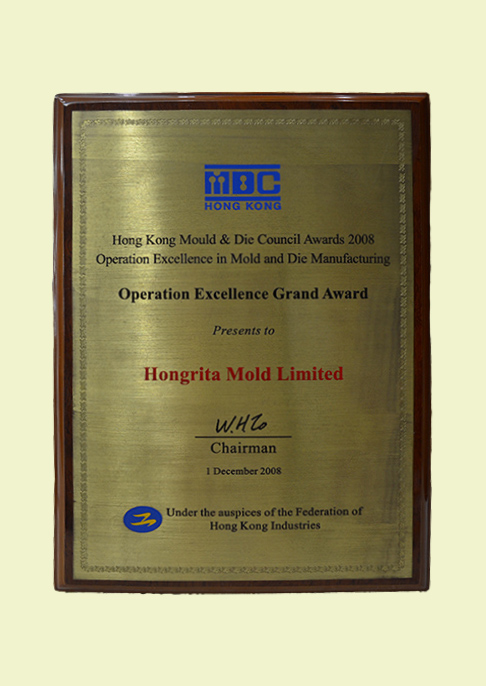
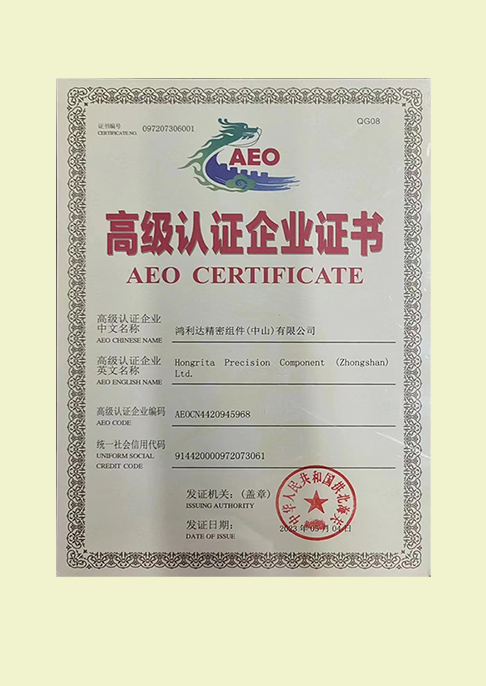
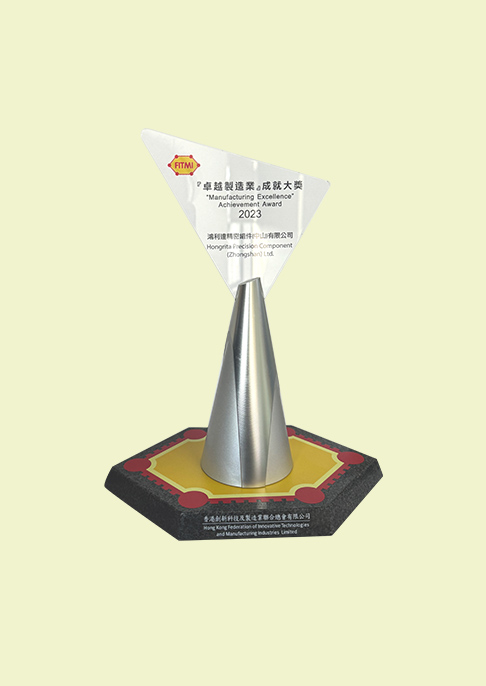
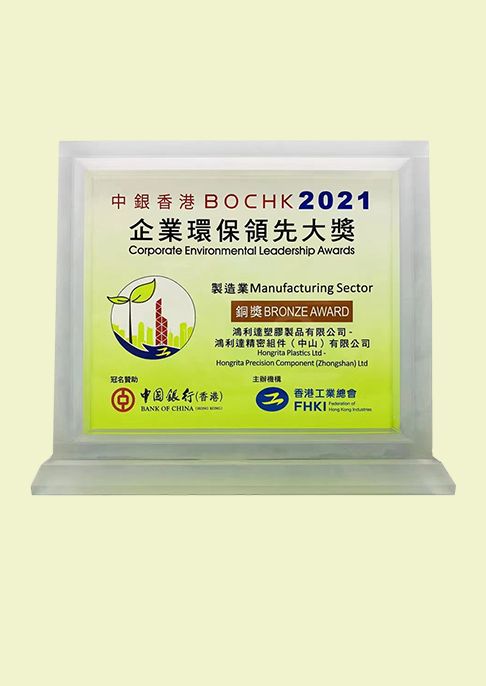
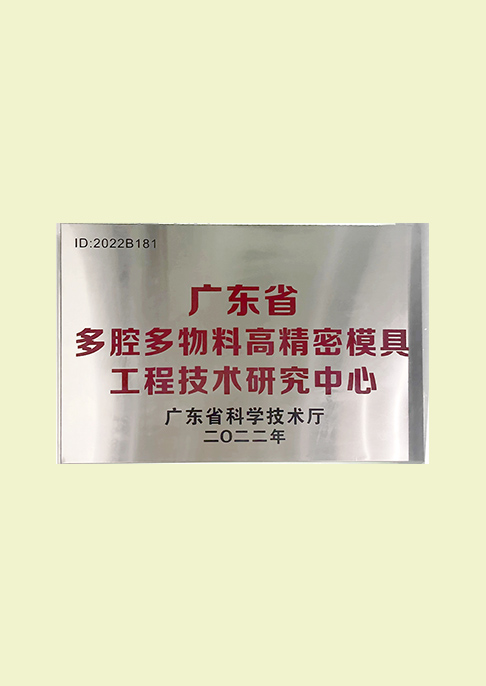
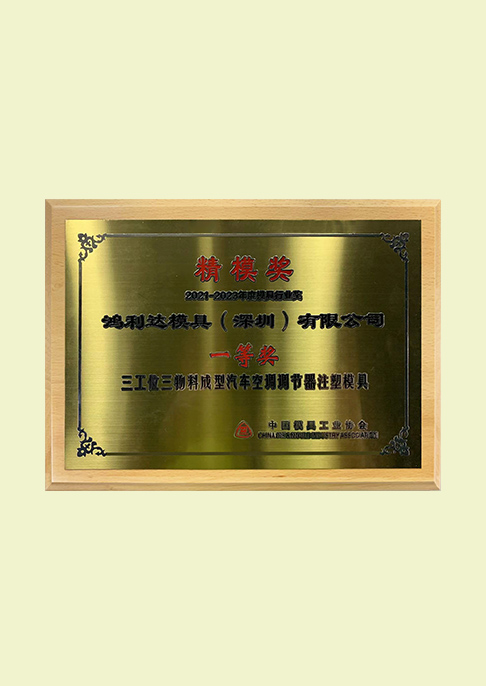
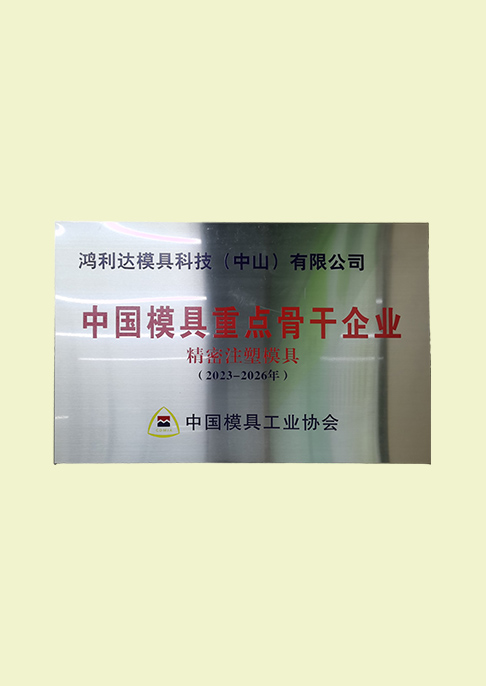
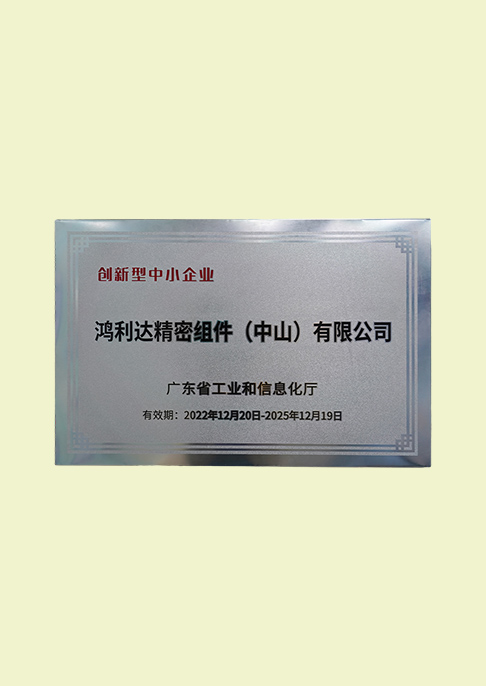
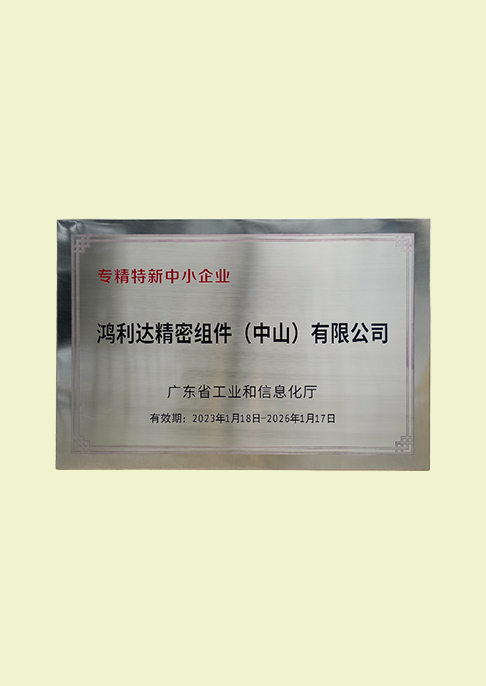
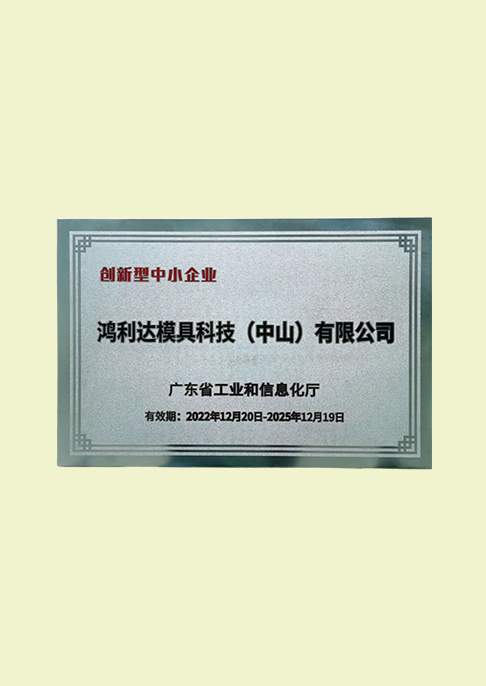
Hongrita has been certified with ISO14001, ISO9001, IATF16949, ISO13485, ISO45001, ISO/IEC27001, ISCC PLUS and has FDA registered.









Management Methodology
Underpinned by rigorous organizational systems and continuous optimization workflows.

Comprehensive Product Catalog
Discover our full range of precision tooling and high-volume molded products designed for diverse industrial scenarios.
Action camera housing - waterproof and drop-proof, extreme sports professional photography equipment
Intelligent Car Door Locks - High Accuracy, Durable, Strong and Reliable
3-Component Magnifier- molded in one assembly, ideal for reading and appreciating artifacts
Industrial-grade2k stent gauge - accurate and stable, suitable for all kinds of complex environmental measurement tasks
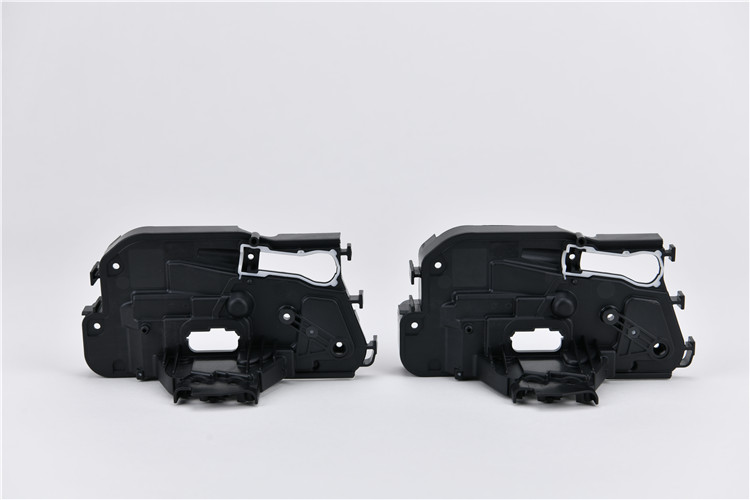
Upper Housing FGL 2K - Premium craftsmanship and materials to enhance door texture and security
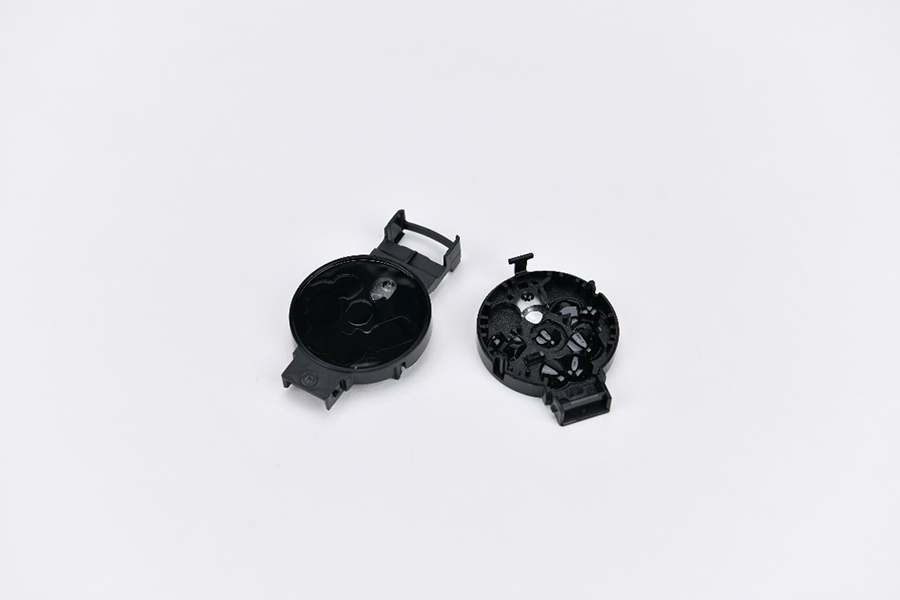
3K Sensor
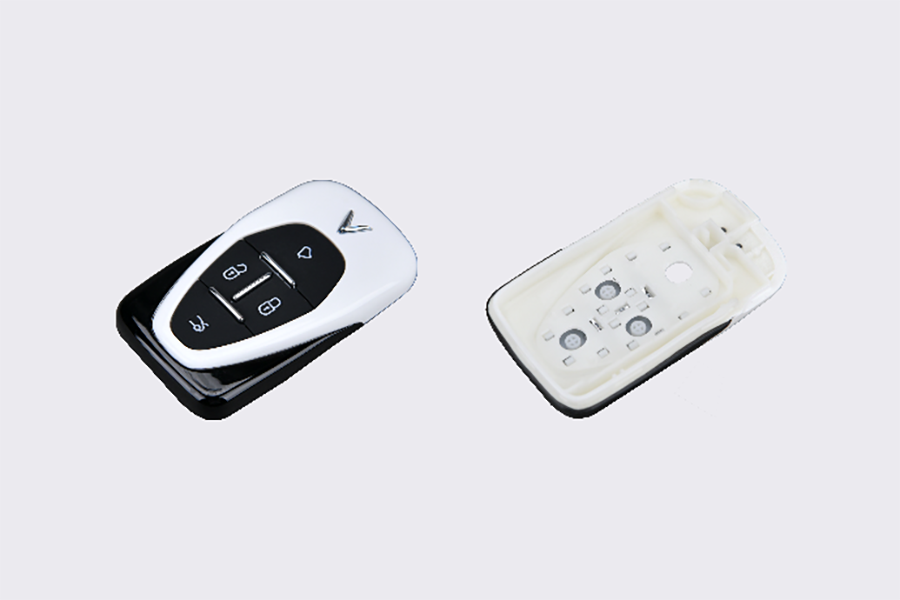
Customized Car Remote Keys for Changan V Series