Precision Engineering for EV & Industrial Safety
Industrial Landscape: The Evolution of EV Sealing Technologies
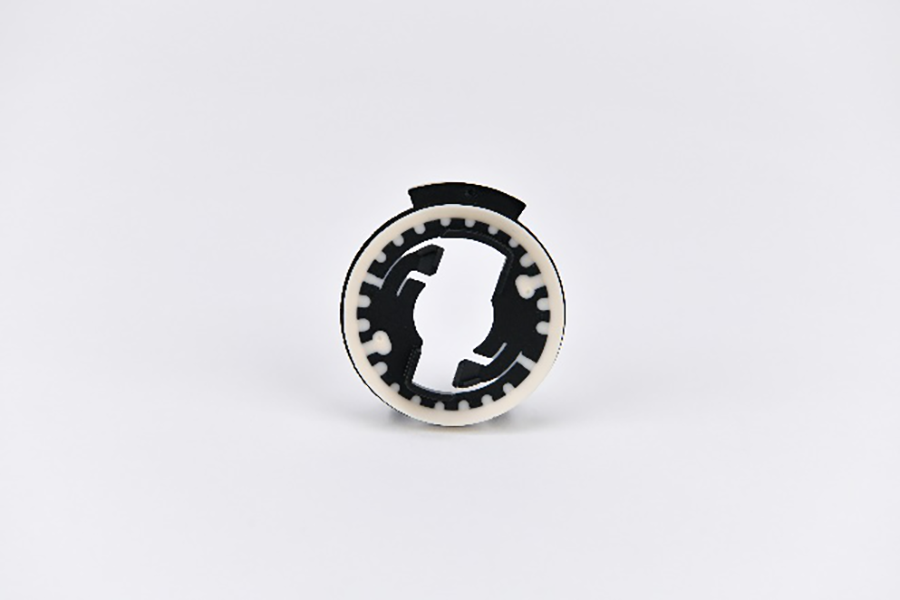
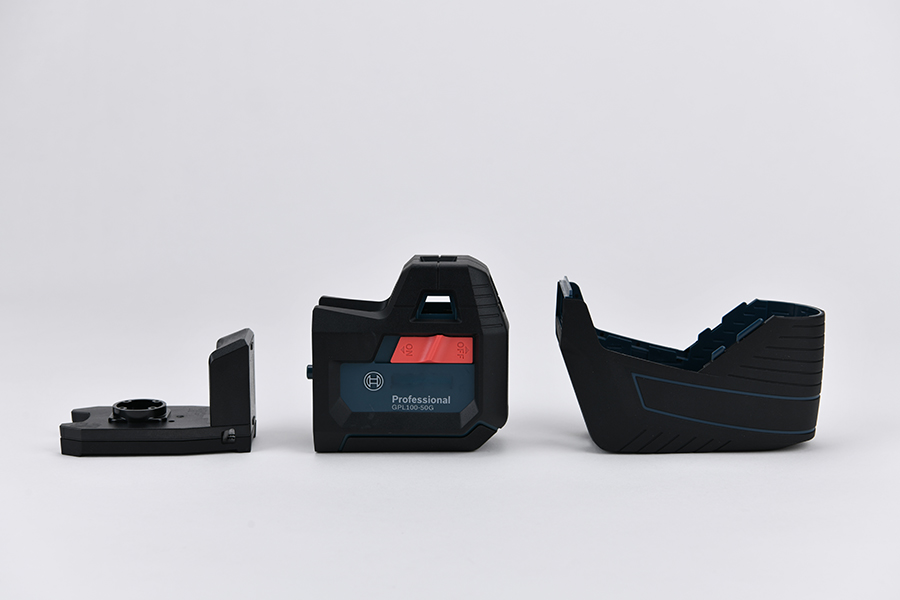
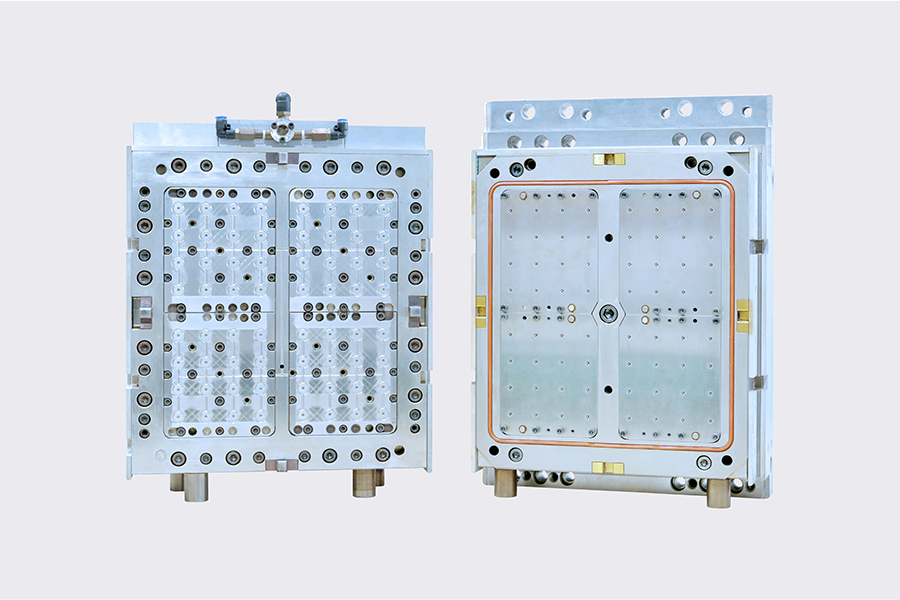
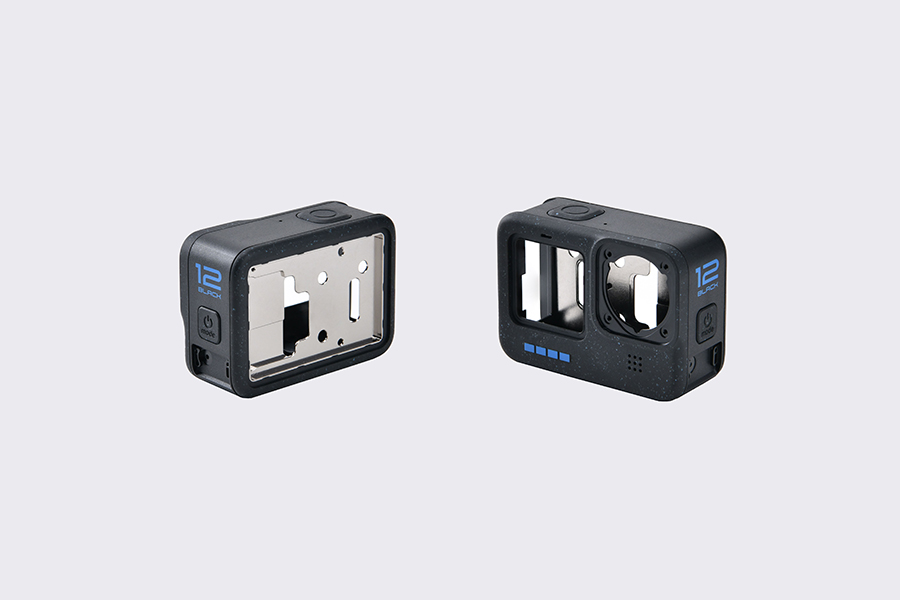
The global shift toward electrification has revolutionized the requirements for consumer product moulding. In the realm of Electric Vehicles (EVs), the demand for high-performance sealing and electrical insulation has never been more critical. Traditional molding techniques are being replaced by advanced Multi-Material Injection Moulding and Liquid Silicone Rubber (LSR) processes to meet the stringent safety standards of modern automotive engineering.
Current industrial trends indicate a move toward integrated components where structural plastics and sealing elastomers are molded into a single unit. This not only reduces assembly costs but significantly enhances the ingress protection (IP) ratings of electrical control units (ECUs) and battery management systems (BMS).
High-Voltage Insulation
Moulding solutions designed for EV electrical components must withstand high thermal loads and provide superior dielectric strength to prevent electrical arcing in high-voltage environments.
LSR Sealing Excellence
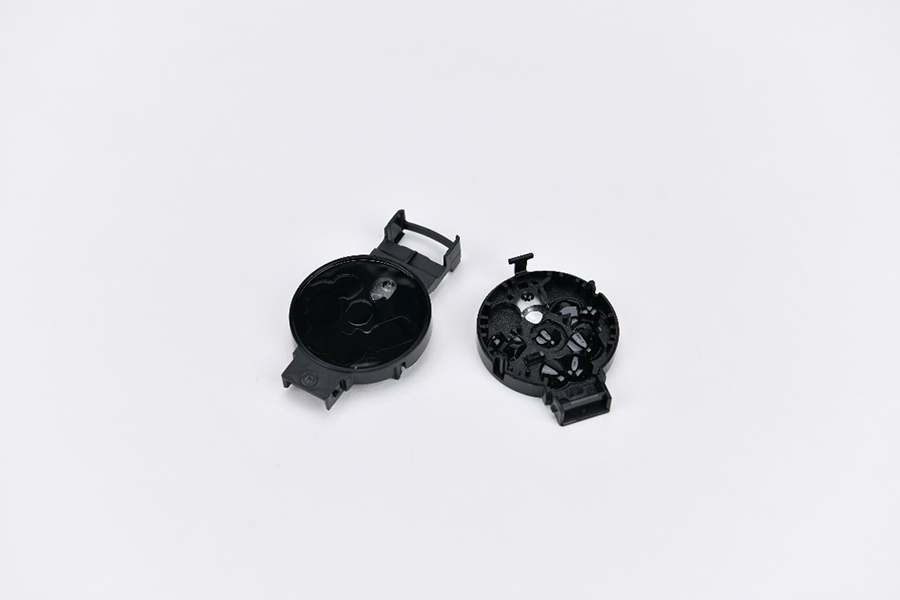
Liquid Silicone Rubber (LSR) has become the gold standard for EV harness plugs due to its exceptional aging resistance and flexibility across extreme temperature ranges (-50°C to +200°C).
Global Footprint & Expertise
-

Shenzhen
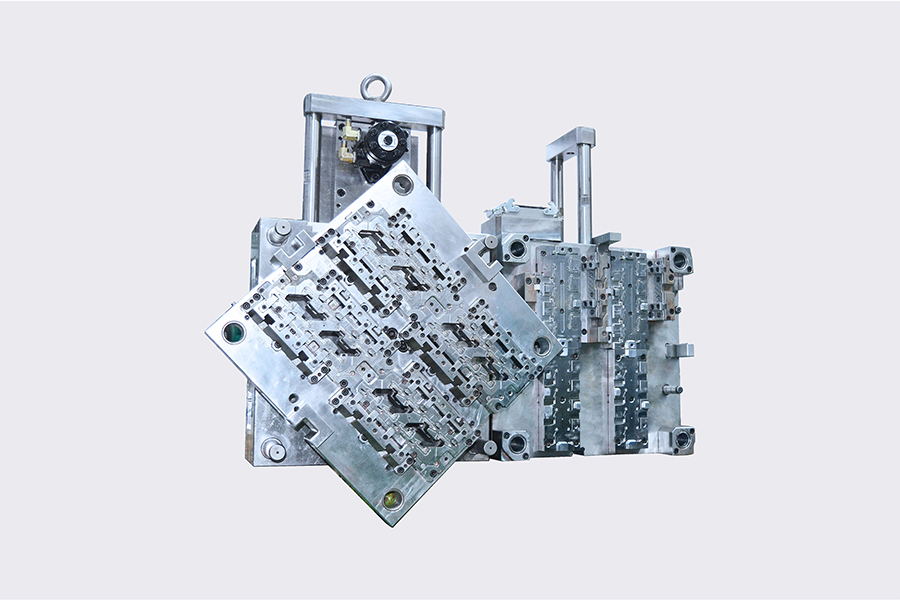
Focusing on the 3C and intelligent technology components business, overseas commercial mold business, and in-house use molds.
-
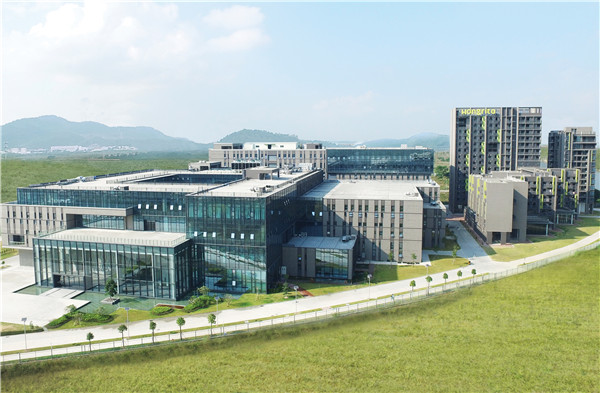
Zhongshan
Serving as Hongrita's hub for innovation R&D, engineering, major projects and production; and the proving grounds of change management.
-
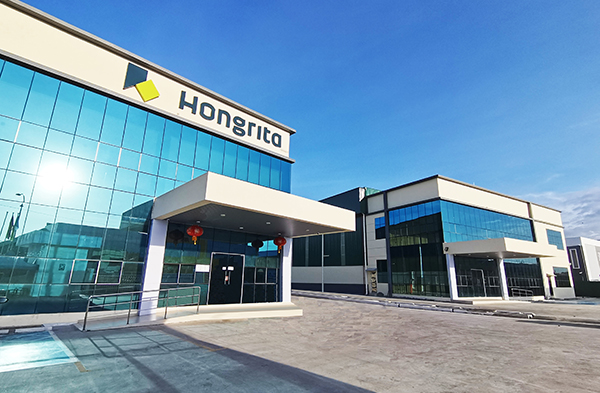
Penang
Developing tooling and molding business in Southeast Asia; and serving as proving grounds of Hongrita's global expansion plan.
Our Story & Vision
Established in 1988, Hongrita has evolved from a precision mold engineering company into a global leader in multi-material and LSR molding technology. Our journey is defined by a commitment to "Creating better value together," leveraging AI-driven manufacturing and digital intelligence to build world-class lighthouse factories.


Deep Application Analysis: From Sensors to Power Fuses
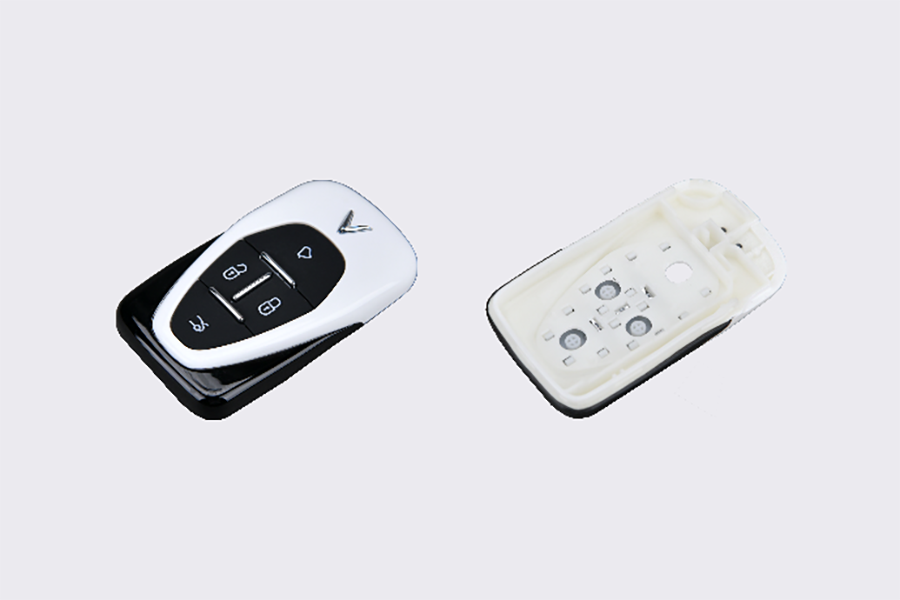
The application of precision moulding in EV sealing extends beyond simple gaskets. We are seeing a surge in 3K (Three-Component) Sensor technology where different polymers are used to provide structural rigidity, electromagnetic interference (EMI) shielding, and soft-touch sealing interfaces in a single injection cycle.
For electrical components like EV Fuses, the choice of material is paramount. High-performance thermoplastics like PBT or PPS are often reinforced with glass fibers to ensure dimensional stability under high current loads, while over-molded seals ensure the fuse remains protected from humidity and corrosive automotive fluids.
AI-Driven Quality Control
Utilizing AI algorithms to monitor pressure and temperature fluctuations in real-time ensures that every EV sealing component meets zero-defect standards required by IATF16949.
Sustainable Manufacturing
Adopting ISCC PLUS certified materials and energy-efficient molding processes aligns our production with global ESG strategies, reducing the carbon footprint of the EV supply chain.
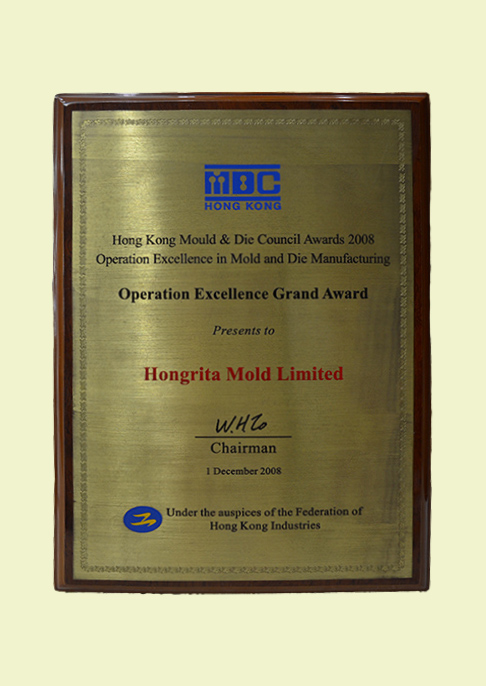
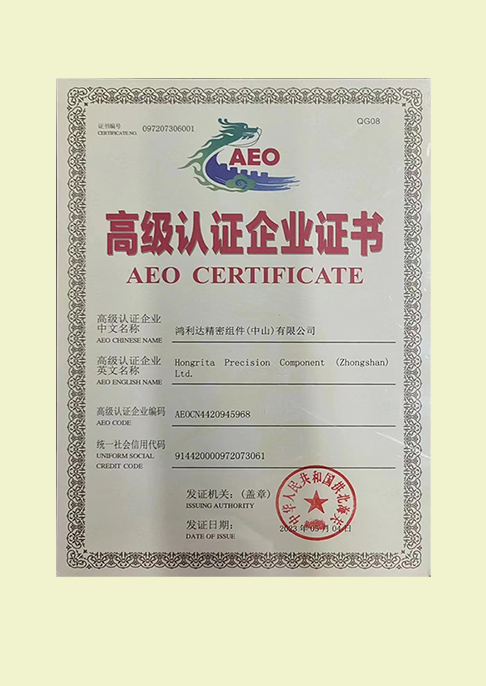
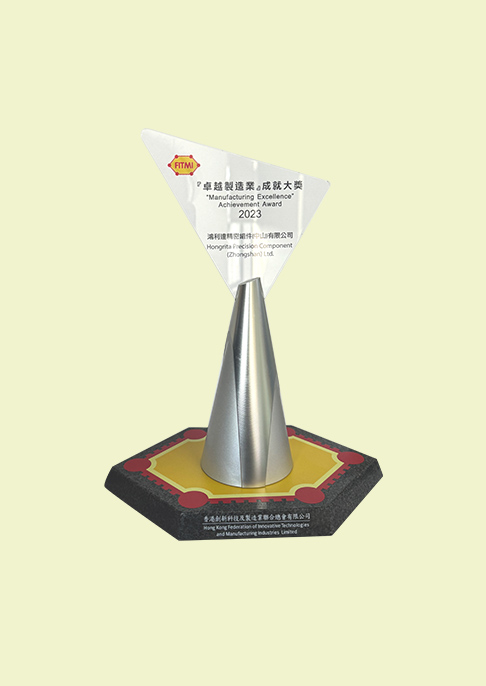
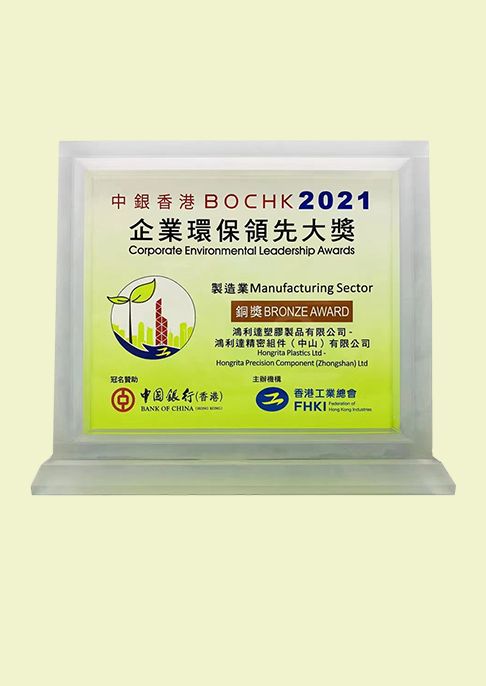
Certified Excellence
Hongrita has been certified with ISO14001, ISO9001, IATF16949, ISO13485, ISO45001, ISO/IEC27001, ISCC PLUS and has FDA registered.