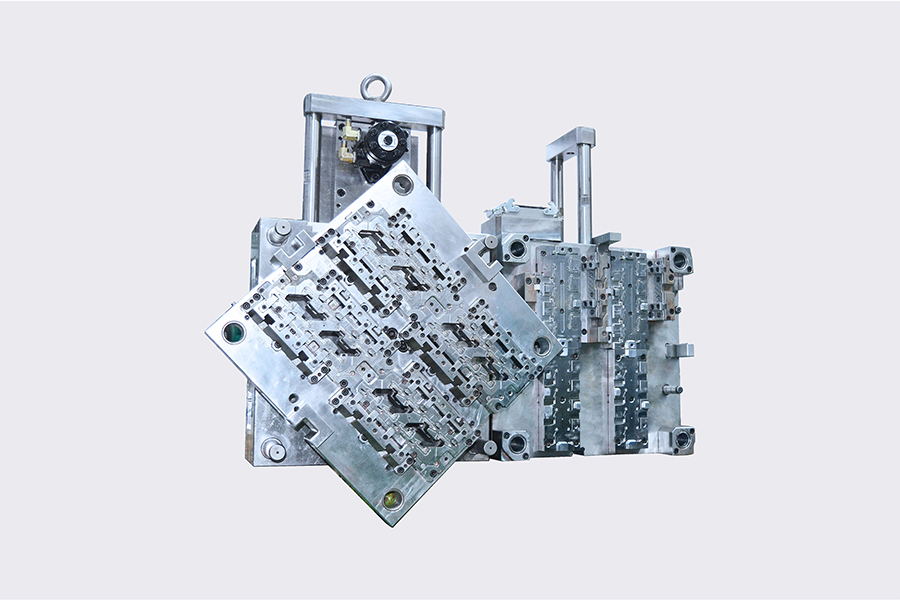
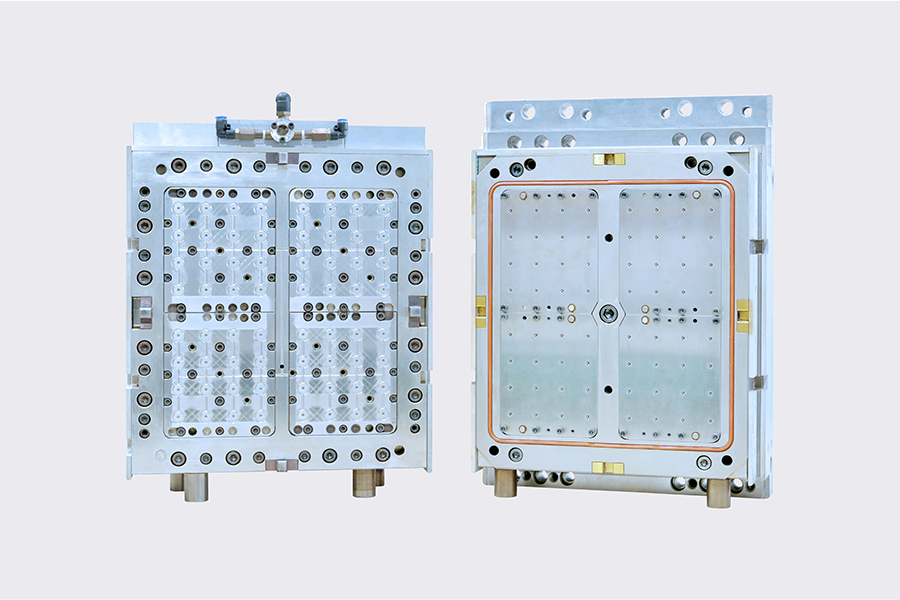
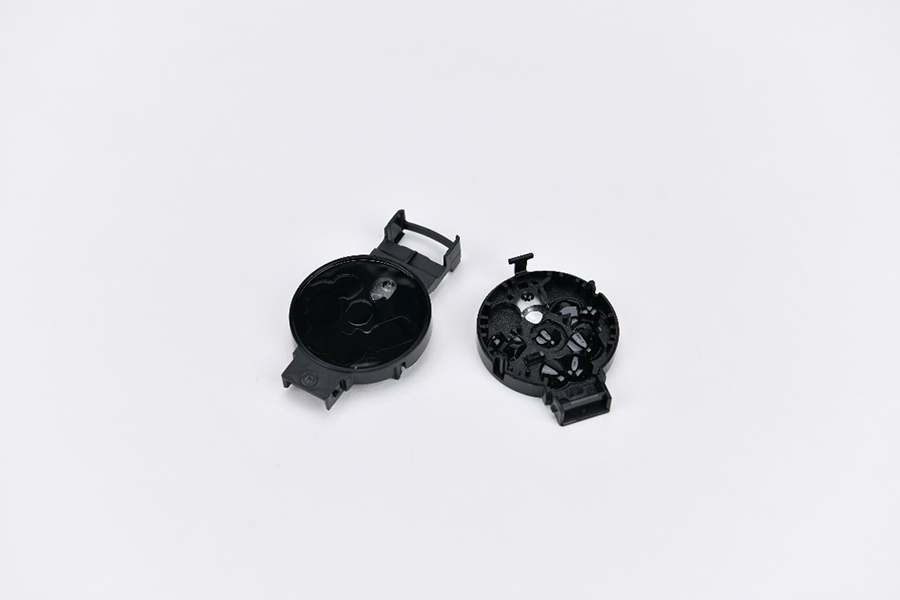
Integrated Smart Device Solutions
Explore our premium precision components engineered specifically for the next generation of smart consumer electronics and portable technology.
The Landscape of Consumer Product Moulding for Smart Devices
The rapid convergence of the Internet of Things (IoT), artificial intelligence, and wearable technology has fundamentally reshaped the manufacturing requirements for consumer electronics. Today's smart devices—ranging from smart home hubs and fitness trackers to connected medical devices—demand unprecedented levels of precision, aesthetic appeal, and structural durability. As a result, consumer product moulding has transitioned from a standard manufacturing step to a core engineering discipline that defines product success.
In the highly competitive consumer electronics market, product designers face the challenge of packing sophisticated electronic arrays, sensors, and power sources into increasingly compact, ergonomic, and stylish enclosures. Achieving this requires advanced plastic injection moulding techniques that can handle thin-wall geometries, overmoulded seals for dust and water resistance, and multi-material integrations that combine hard structural plastics with soft-touch elastomers.
Micro-Precision Engineering
Enabling ultra-thin walls and tight tolerances crucial for micro-sensors, compact internal frames, and sleek outer shells in modern handheld devices.
Ingress Protection (IP68)
Leveraging advanced Liquid Silicone Rubber (LSR) and multi-shot injection techniques to create seamless, waterproof, and dustproof seals.
Sustainable Material Integration
Supporting eco-friendly initiatives by optimizing processes for post-consumer recycled (PCR) plastics and bio-based resins without compromising aesthetic quality.
Key Trends Driving the Smart Device Moulding Industry
Several key trends are steering the development of moulding technologies for smart devices:
1. Miniaturization and Integration: As devices become smaller, the space available for individual components shrinks. Multi-component injection moulding allows engineers to combine structural frames, sealing gaskets, and cosmetic surfaces into a single integrated part, reducing assembly time and failure points.
2. Advanced Aesthetic Finishes: Consumer electronics are fashion statements as much as tools. Advanced tooling finishes, including high-gloss surfaces, micro-textures, and soft-touch overmoulding, are directly integrated into the moulding process to eliminate the need for secondary painting or coating, reducing environmental impact and cost.
3. Liquid Silicone Rubber (LSR) Adoption: LSR is increasingly favored for smart wearables and medical-grade consumer devices due to its biocompatibility, flexibility, and excellent sealing properties. Overmoulding LSR onto rigid thermoplastics creates robust, water-resistant interfaces essential for smartwatches and fitness bands.
Core Competences
Hongrita's core competences form the foundation of the competitive edge at plastic industry:
- Technology Excellence
- LSR (Liquid Silicone Rubber) Molding
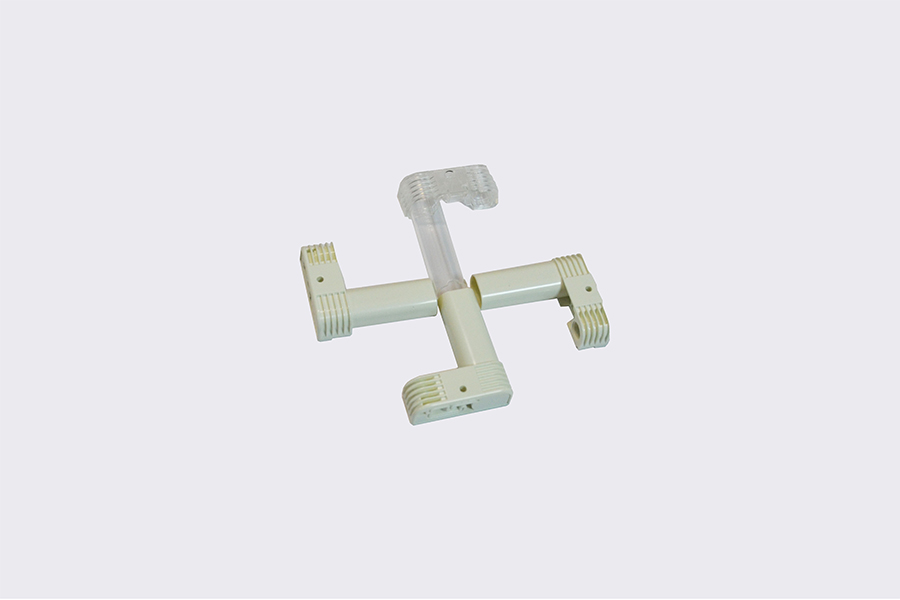
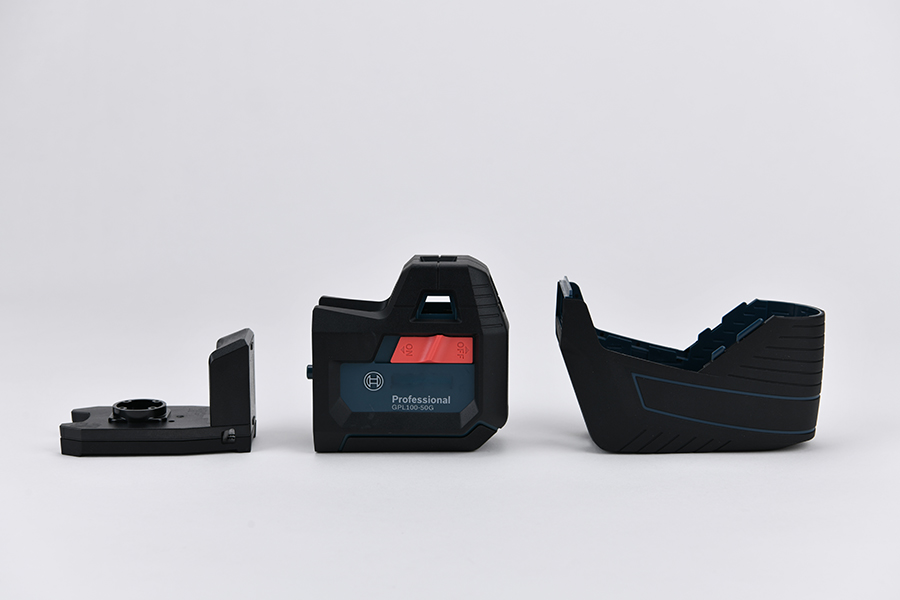
- Multi-Component Molding
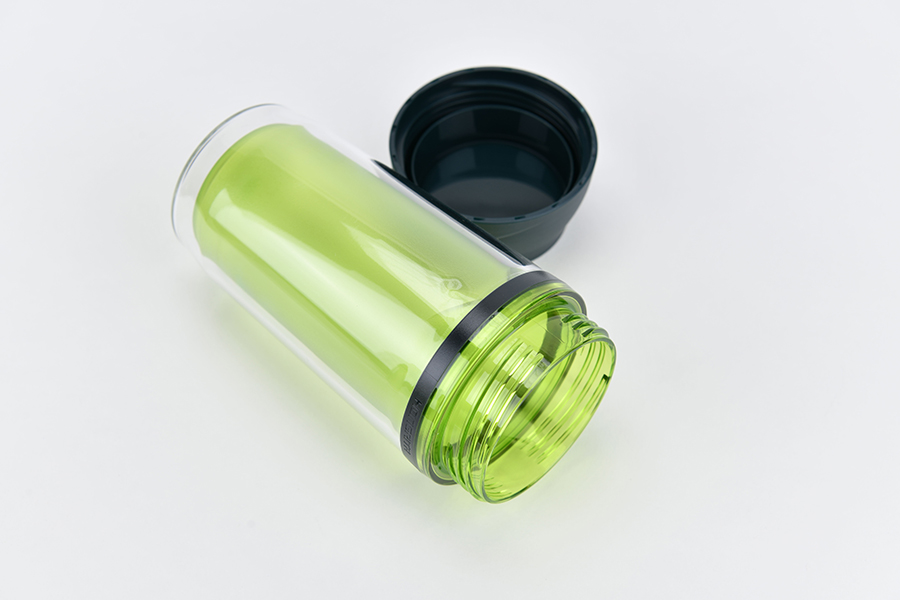
- ISBM (Injection Stretch-Blow Molding)
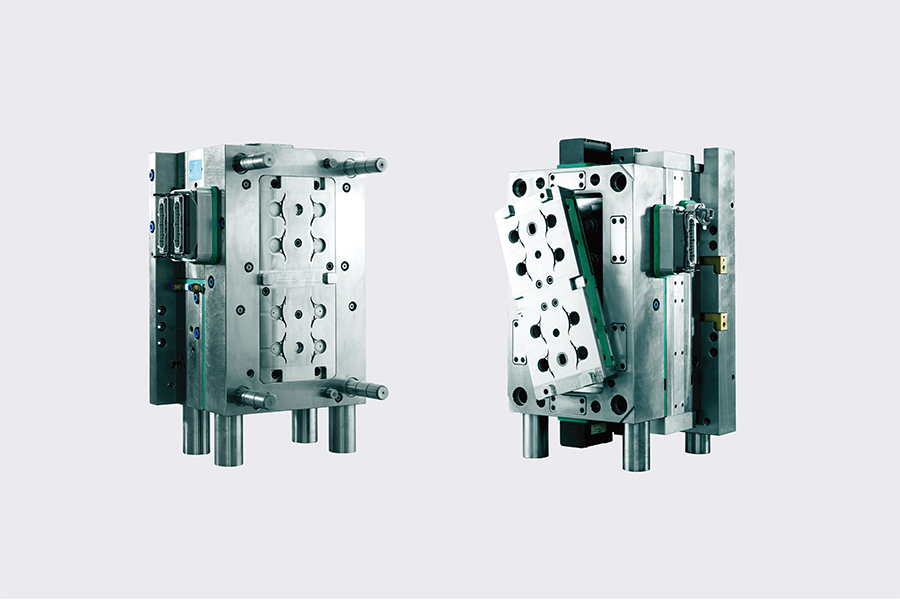
- High Performance Tooling Solutions
- Smart Manufacturing
Precision & Versatility Combined
Hongrita's core competences in ISBM, LSR molding, multi-component molding, tooling, and smart manufacturing collectively strengthen its position as a leading provider of precision plastic components and products. These competences allow Hongrita to deliver innovative and tailor-made solutions to diverse industries, including medical, healthcare, automotive, and rigid packaging, while continuously pursuing technological excellence and sustainable business management practices.
Advanced Moulding Technologies & Tooling Solutions
Our deep expertise across specialized injection moulding disciplines enables us to execute complex designs with flawless repeatability. Discover our key operational areas below:
Laboratory Capabilities
To guarantee the rigorous quality standards required by global consumer electronics brands, our facilities feature fully equipped testing laboratories covering physical, optical, and environmental verification.
-
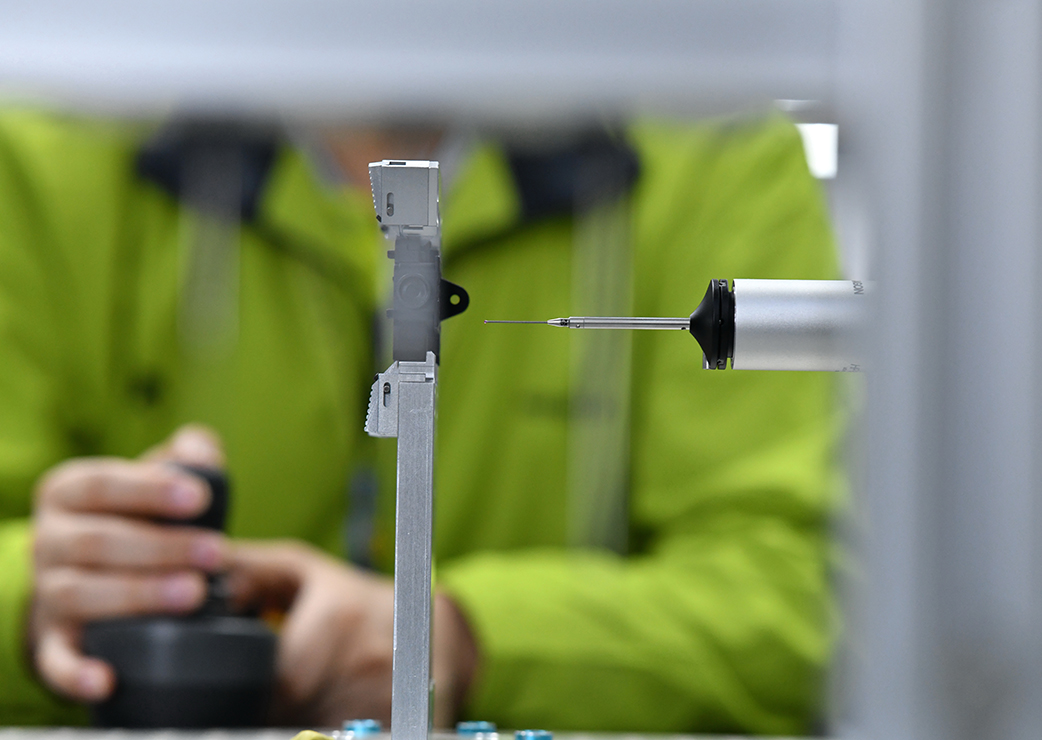
Optical Measurements
- High-precision measurement
- Non-contact measurement
- Production efficiency improvement
- Quality control and improvement
- Research and innovation in new materials
-
Physical Measurements
-
Environmental Testing
-
Reliability Testing
-
Baby Care Product Testing
-
Microbiological Laboratory
-
Physical and Chemical Laboratory
Testing & Validation Environment
Our dynamic laboratory setup utilizes advanced inspection technologies to verify dimensional stability, material aging, and environmental resistance under simulated consumer usage conditions.
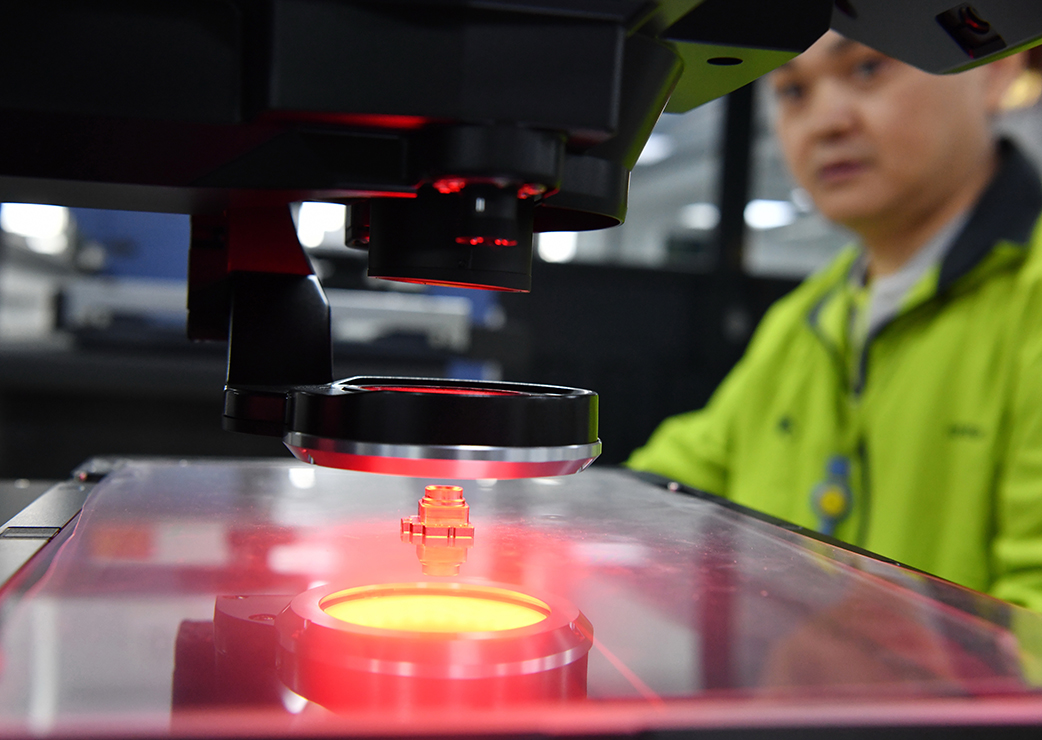 Optical Measurement Facility
 Physical Measurements
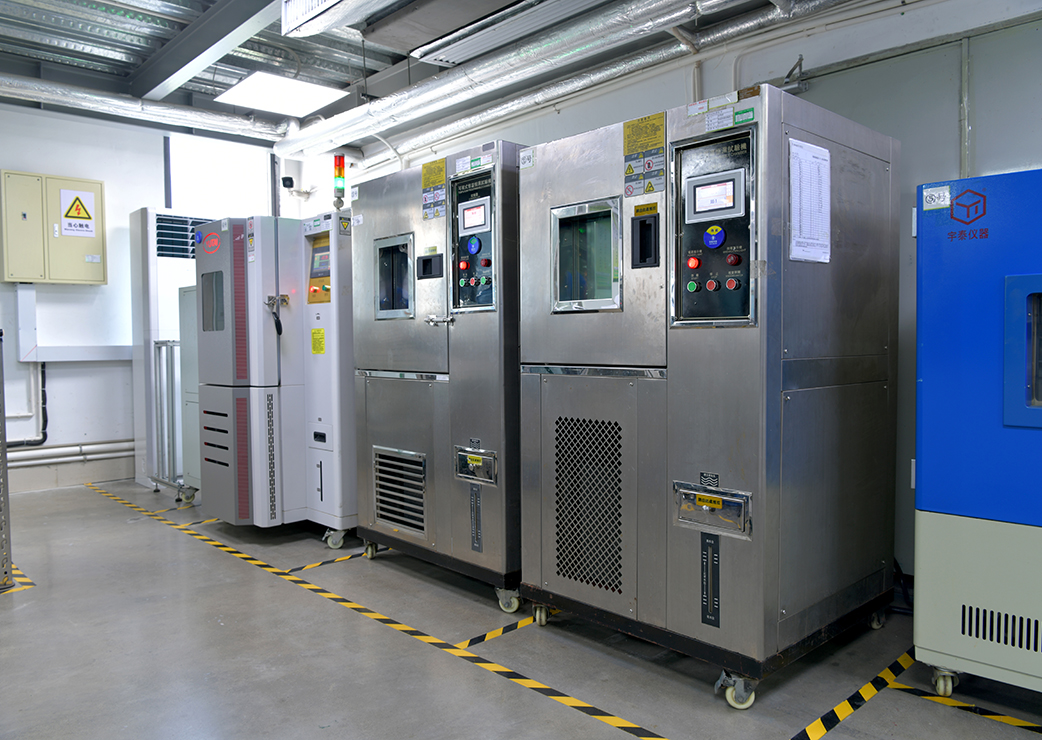 Environmental Testing
 Reliability Testing
 Child Products Testing
 Microbiological Lab
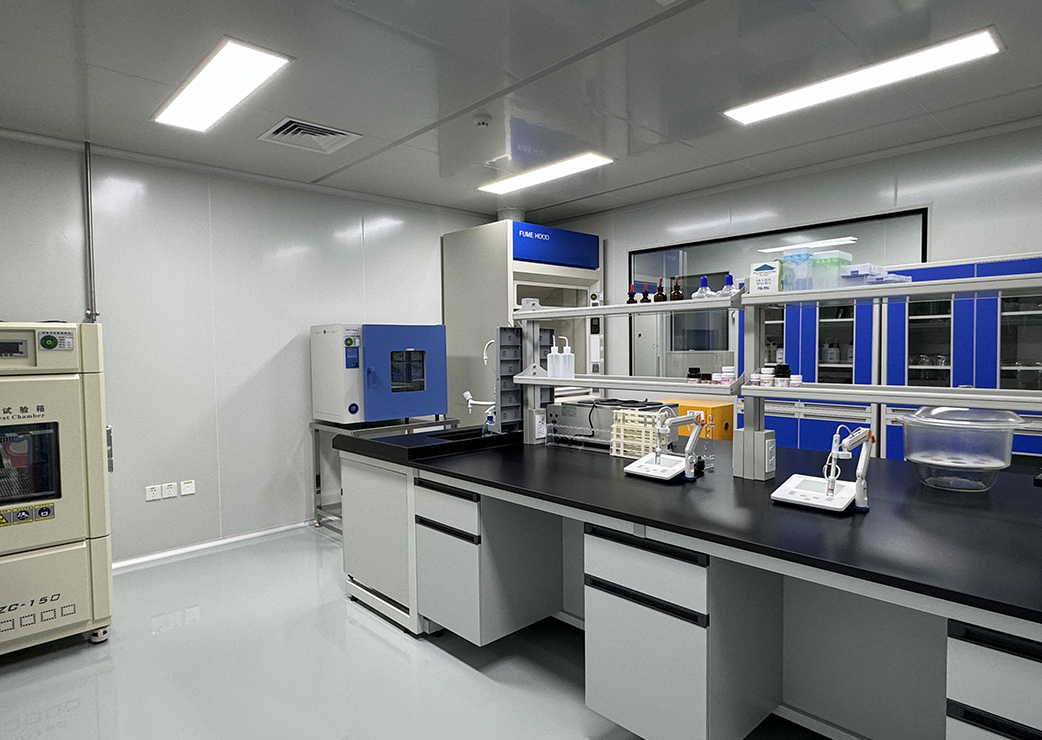 Physical & Chemical Lab
Smart Manufacturing
The application of smart systems has enabled Hongrita to achieve better production automation, digital management, and AI decision-making, thereby enhancing the factory's level of intelligence, optimizing enterprise operational efficiency, and quality management, and strengthening the company's competitiveness in the industry.
High Performance Mold and smart Manufacturing
Read More →Precision Injection Molding Workshop
Read More →Digital Management
Read More →Deep Dive Application Scenarios in Consumer Electronics
Precision moulding technologies find critical applications across various segments of the consumer electronics and smart device industry. By understanding these specific use cases, manufacturers can select the appropriate material combinations and tooling setups to maximize product performance.
1. Smart Wearables and Fitness Trackers
Devices like smartwatches, fitness bands, and smart rings require direct, prolonged contact with human skin. This demands materials that are hypoallergenic, sweat-resistant, and comfortable. Liquid Silicone Rubber (LSR) co-injection moulding allows manufacturers to bond soft, biocompatible silicone directly to rigid polycarbonate frames. This process creates a seamless, water-resistant enclosure that protects sensitive biometric sensors and battery packs while ensuring maximum comfort for the user.
2. Smart Home Devices and Voice Assistants
Smart speakers, security cameras, and home automation hubs are designed to integrate seamlessly into modern living spaces. Aesthetic quality is paramount. Here, multi-component injection moulding is utilized to combine functional inner structures with high-finish outer shells. Techniques such as mold-in-texture and overmoulding of acoustic fabrics or soft-touch borders enhance both the visual appeal and tactile experience of the product, all while maintaining structural integrity.
3. Portable Medical and Diagnostic Electronics
The rise of home-based healthcare has led to a surge in smart medical devices, such as connected insulin delivery systems, digital thermometers, and portable oximeters. These products demand the highest level of manufacturing cleanliness and precision. Moulding must occur in controlled cleanroom environments to prevent contamination. Furthermore, multi-shot moulding is critical to integrate soft sealing buttons and durable enclosures that can withstand frequent sanitization with harsh chemicals.
4. Next-Gen Automotive Smart Interfaces
Modern electric vehicles (EVs) feature complex infotainment consoles, touch-sensitive dashboards, and advanced sensor housings. These automotive smart devices require robust plastic components that can endure extreme temperature fluctuations, UV exposure, and mechanical stress. Utilizing advanced multi-cavity tooling and high-performance polymers ensures that these complex electronic enclosures remain dimensionally stable and visually flawless over the vehicle's lifespan.
Complete Smart Device & Precision Molded Product Portfolio
Browse our complete range of precision manufactured products, showcasing our capabilities in multi-material injection, high-durability seals, and complex structural components.