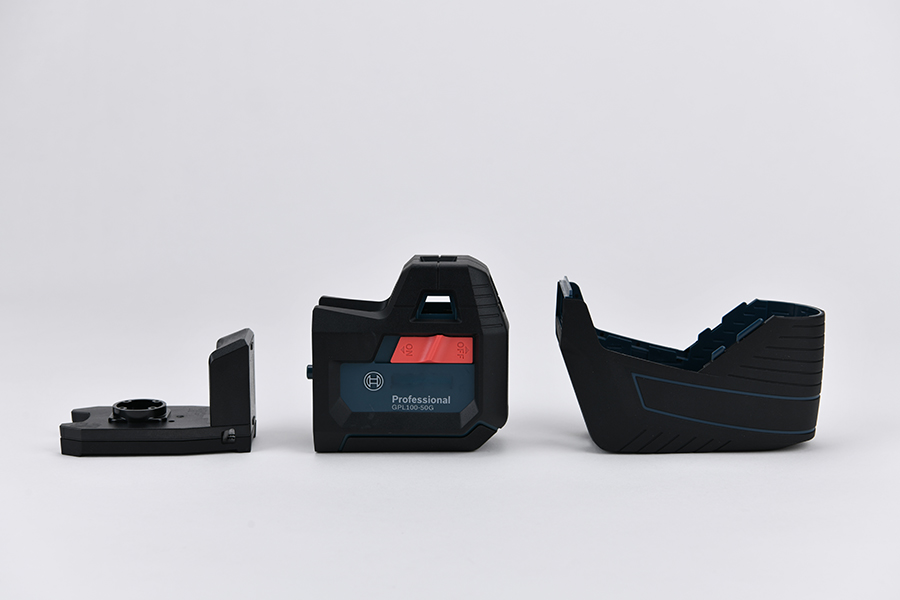
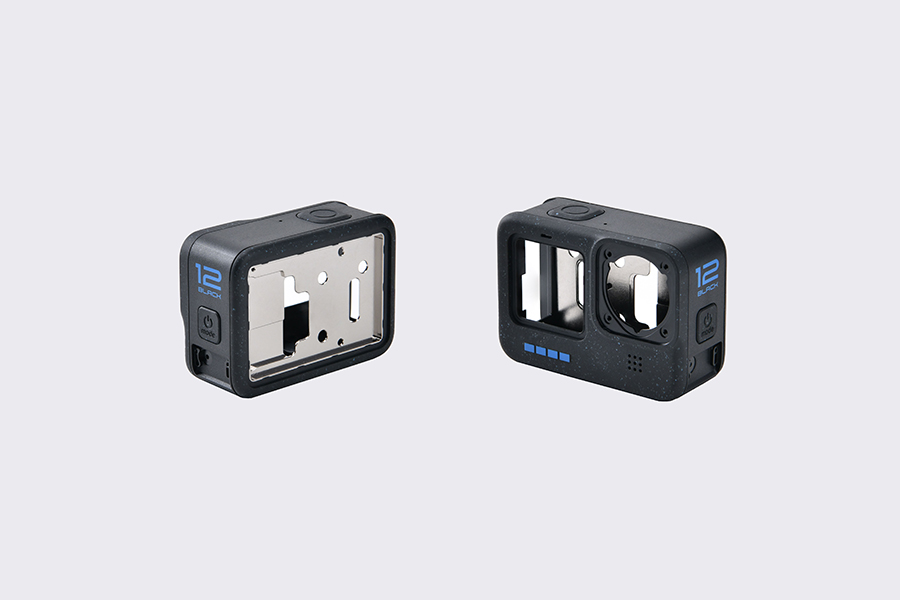
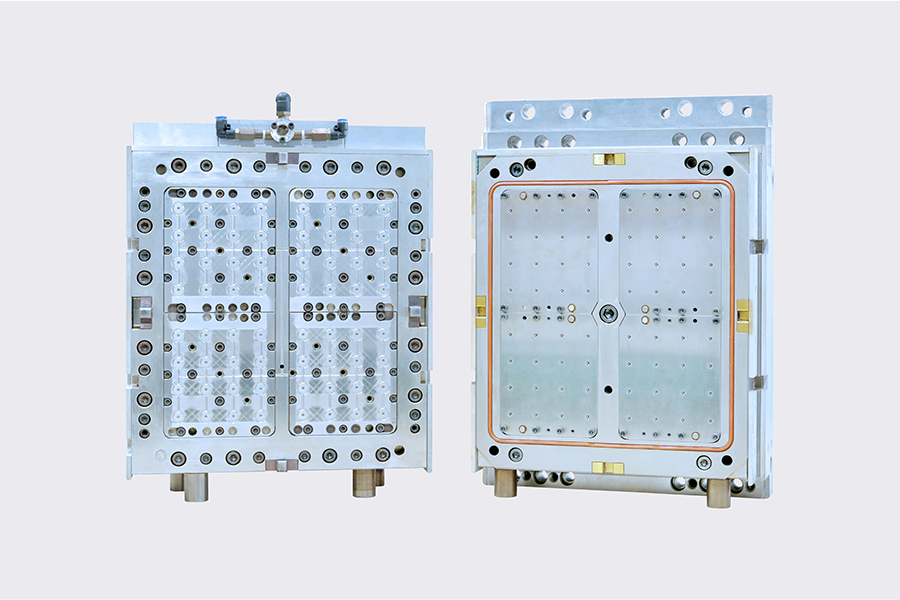
Featured Coffee Maker Housing Components
Advanced multi-material molding and sensor integration designed to elevate coffee machine performance and aesthetic appeal.
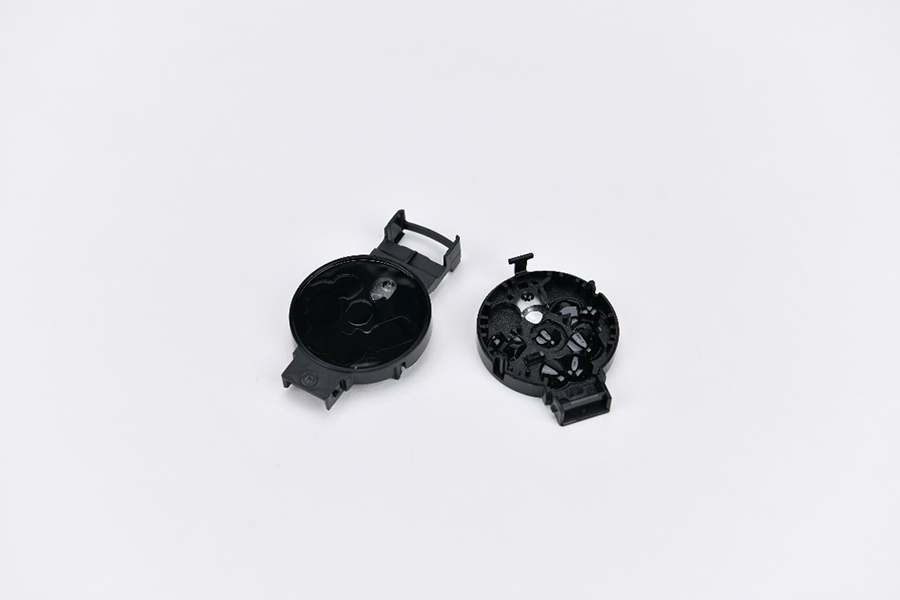
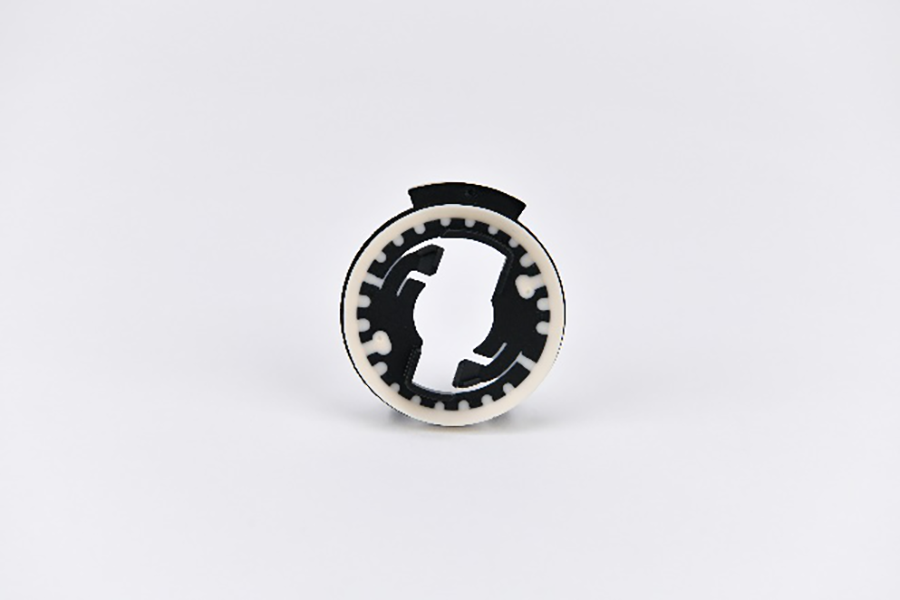
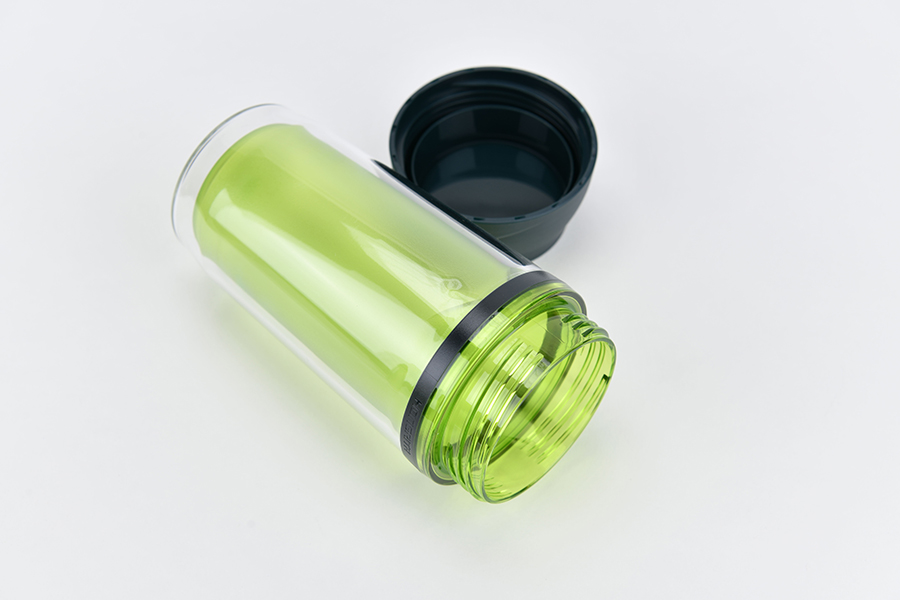
The Evolution of Coffee Maker Housing Manufacturing in France
France is globally renowned for its sophisticated culinary traditions and deep-rooted café culture. From the bustling bistros of Paris to domestic kitchens in Lyon, coffee is an essential ritual. Consequently, the demand for premium coffee makers—ranging from high-end espresso machines to compact capsule brewers—has skyrocketed. French consumers place immense value on both functionality and aesthetics, driving coffee maker brands to seek exceptional housing manufacturers.
Modern coffee machine enclosures are no longer simple plastic shells. Today, they represent a complex fusion of structural integrity, thermal resistance, and sleek design. In France, local appliance companies and global brands operating within the region demand manufacturing partners that offer high-precision injection molding, food-grade materials, and sustainable production processes to comply with strict European regulations.
Strict Food Safety Compliance
All plastic housings and internal components in contact with hot water must adhere to stringent FDA and European food-grade regulations.
Eco-Design & Circular Economy
Aligned with France's AGEC law, manufacturers are prioritizing repairability, post-consumer recycled (PCR) plastics, and modular assembly.
Smart & Interactive Interfaces
Integration of touch-sensitive controls and multi-material molding (2K/3K) directly into the coffee maker's outer shell.
Key Trends Driving the French Coffee Appliance Market
As the French market shifts toward premiumization, several key manufacturing and design trends have emerged. Manufacturers are leveraging advanced technologies to meet these evolving requirements:
1. Multi-Material Injection Molding (2K & 3K Tech)
To reduce assembly steps and improve structural integrity, leading coffee maker manufacturers utilize multi-component injection molding. For instance, combining a rigid polycarbonate outer shell with a soft-touch thermoplastic elastomer (TPE) grip or an integrated silicone seal in a single molding cycle. This process, known as 2K or 3K molding, ensures seamless interfaces, superior waterproofing, and enhanced tactile quality, which are crucial for premium French domestic appliances.
2. Liquid Silicone Rubber (LSR) for Leak-Free Brewing
High-pressure espresso machines require robust sealing solutions to withstand hot water and steam. Liquid Silicone Rubber (LSR) is increasingly favored for gaskets, harness plugs, and seals within the coffee maker's internal housing. LSR offers excellent thermal stability, chemical resistance, and biocompatibility, ensuring that the coffee machine remains leak-proof and safe over thousands of brewing cycles.
3. Smart Sensor and IoT Integration
Smart coffee makers are becoming the standard in modern French smart homes. Integrating sensors directly into the structural housing allows for real-time tracking of water levels, temperature, and capsule placement. Using advanced component molding, manufacturers can embed sensitive electronics, such as 3K sensors, directly into the plastic housing without compromising the appliance's sleek exterior design.
Localized Application Scenarios in France
Understanding where and how these coffee machines are used helps manufacturers optimize the design and material selection for coffee maker housings:
Parisian Office Spaces
Commercial espresso machines in French corporate offices undergo heavy daily use. Their housings must feature scratch-resistant, impact-resistant, and easy-to-clean surfaces. Industrial-grade 2K structures and robust internal brackets ensure these high-throughput machines remain stable and visually appealing over years of continuous operation.
Boutique French Cafés
For high-end French cafés, the coffee machine is the centerpiece of the counter. The housing demands custom colors, metallic finishes, and flawless surface aesthetics. Precision mold engineering allows for complex curves, integrated LED light guides, and seamless joints that reflect the artisan nature of specialty coffee brewing.
Eco-Conscious French Households
French consumers are highly environmentally conscious. Designing coffee maker enclosures using bio-based polymers or certified recycled plastics helps brands achieve eco-labels. Modular housing designs also facilitate easy disassembly, enabling consumers to repair individual parts rather than replacing the entire machine.
Global Manufacturing Locations
Our footprint spans across key strategic hubs to provide global supply chain resilience and localized engineering support.

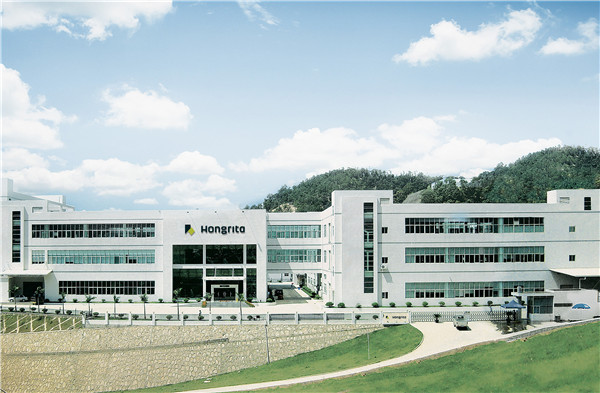
Shenzhen
Focusing on the 3C and intelligent technology components business, overseas commercial mold business, and in-house use molds.
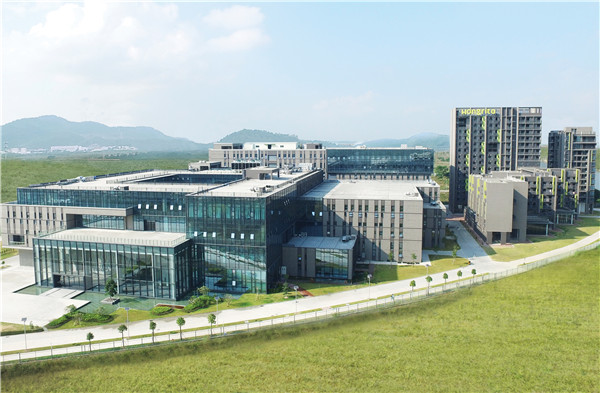
Zhongshan
Serving as Hongrita's hub for innovation R&D, engineering, major projects and production; and the proving grounds of change management, new technology applications and intelligent manufacturing.
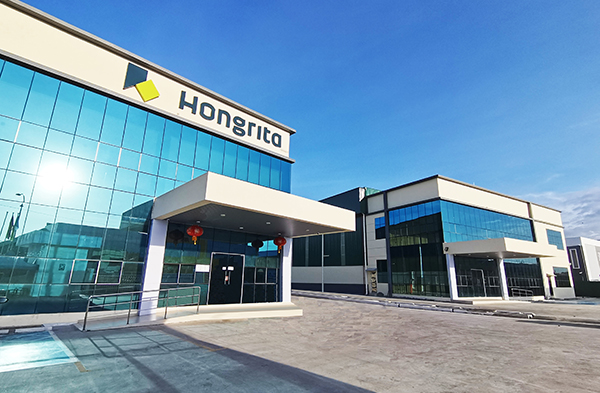
Penang
Developing tooling and molding business in Southeast Asia; and serving as proving grounds of Hongrita's global expansion plan and training base for the overseas team.
Qualifications & Certifications
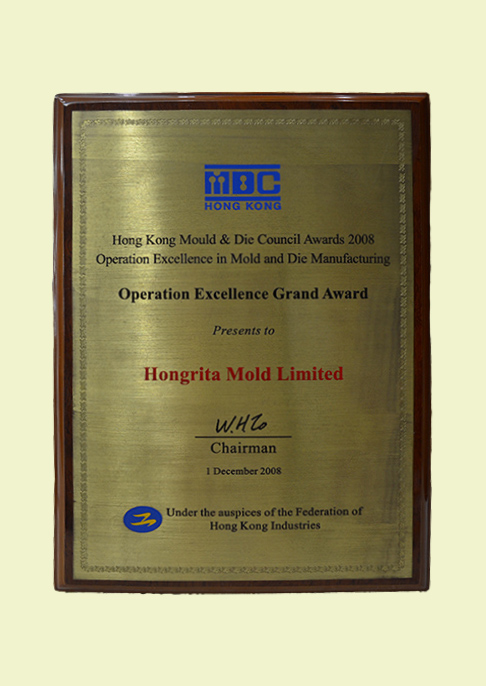
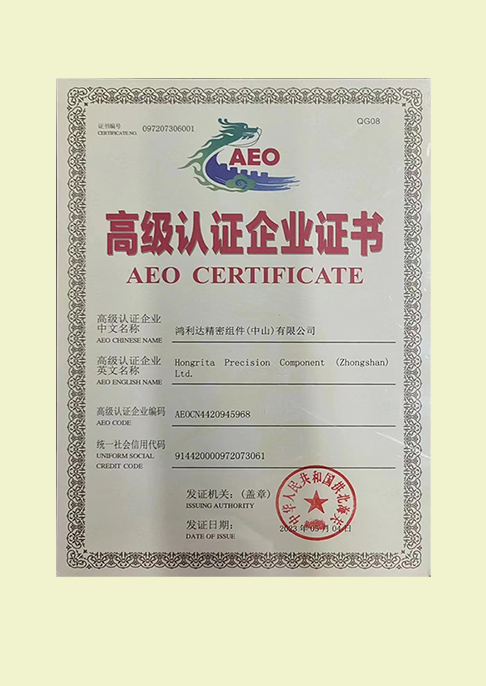
Hongrita has been certified with ISO14001, ISO9001, IATF16949, ISO13485, ISO45001, ISO/IEC27001, ISCC PLUS and has FDA registered. These rigorous standards ensure that our manufacturing processes for coffee maker housings and other plastic components meet the highest global quality, safety, and environmental benchmarks.



Our Story
Decades of engineering excellence, continuous innovation, and sustainable growth.

After completing the apprentice program, Mr. Felix Choi, the founder of Hongrita, borrowed money and invested in the first milling machine in June 1988. He rented a corner in a friend's factory and established Hongrita Mould Engineering Company, specializing in mold and hardware parts processing. Mr. Choi’s humble, diligent, and progressive entrepreneurial spirit attracted a group of like-minded partners. With the collaborative efforts of the core team and their excellent skills, the company focused on the design and production of complete molds, establishing a reputation for manufacturing precision plastic molds.

In 1993, riding the wave of national reform and opening up, Hongrita established its first base in Longgang District, Shenzhen, and expanded its business to include plastic moulding and secondary processing. After 10 years of growth, the core team believed that it was necessary to build a unique and differentiated competitive advantage in order to be invincible. In 2003, the company began research and development of multi-material/ multi-component moulding technology and moulding process, and in 2012, Hongrita took the lead in making breakthroughs in liquid silicone rubber (LSR) mould and moulding technology, becoming a benchmark in the industry.

In order to expand and strengthen its business, Hongrita established operational bases in Cuiheng New District, Zhongshan City and Penang State, Malaysia in 2015 and 2019, and the management initiated an all-round upgrading and transformation in 2018, formulated a medium- and long-term development plan and ESG sustainable development strategy to fully cultivate a win-win culture. Now, Hongrita is moving towards the goal of building a world-class lighthouse factory by upgrading digital intelligence, AI application, OKR and other activities to improve management effectiveness and per capita efficiency.
Vision, Mission & Core Values
Guided by core principles to deliver unmatched value to our global partners.

Vision
Create better value together.

Mission
Make a product better with innovative, professional and intelligent molding solutions.

Core Value
Passion, Collaboration, Innovation, Professionalism, Advancement, Sustainability.
Management Methodology

Our Full Product Portfolio
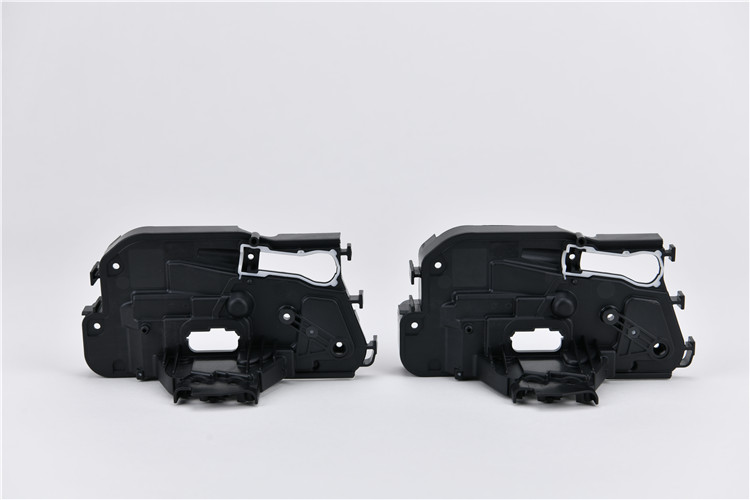
Explore our extensive range of high-performance components engineered for coffee makers, automotive systems, and consumer electronics.