Featured Precision Molding Projects

The Landscape of Babycare Plastic Injection Molding in Italy
Italy has long been recognized as a global powerhouse for industrial design, high-end engineering, and manufacturing excellence. From the bustling industrial clusters of Lombardy, Veneto, and Emilia-Romagna, Italian manufacturers have set international benchmarks for quality and design sophistication. In recent years, the intersection of Italian design sensibilities with the stringent safety requirements of the global babycare industry has driven significant evolution in the local plastic injection molding sector.
The Italian babycare market is characterized by a high demand for premium, safe, and ergonomically superior products. Italian parents prioritize safety, non-toxicity, and durability above all else. This consumer demand translates directly into a need for advanced manufacturing partners capable of delivering medical-grade and food-grade plastic components. Consequently, Italian babycare plastic injection molding factories have had to transition from traditional molding practices to highly automated, cleanroom-based production paradigms.
Industry Insight: Italian babycare brands are increasingly seeking manufacturing partners who can provide certified biocompatibility, BPA-free and phthalate-free materials, and zero-defect quality control. The integration of Liquid Silicone Rubber (LSR) and multi-component (2K/3K) molding technologies is no longer optional—it is a baseline requirement for modern babycare products.
Furthermore, the European Union's strict regulatory frameworks, such as REACH, RoHS, and the EN 71 safety standards for toys and childcare articles, impose rigorous testing protocols on all plastics destined for infant contact. Italian injection molders must utilize certified raw materials and maintain strict traceability throughout the production lifecycle. This regulatory environment has fostered a highly specialized ecosystem of mold design, material science, and precision molding inside Italy, prompting local factories to collaborate with global leaders to meet high-volume production demands without compromising on quality.
Technological Trends Shaping the Babycare Molding Industry
As the babycare sector evolves, several key technological trends are dominating the plastic injection molding landscape in Italy and globally. Manufacturers are leveraging state-of-the-art machinery and advanced material science to create products that are safer, more functional, and more sustainable.
1. Multi-Component (2K/3K) Injection Molding
Multi-component molding, also known as two-shot or double-injection molding, allows manufacturers to combine two or more different plastics or elastomers into a single integrated part. In babycare, this technology is widely used to create soft-grip handles on baby bottles, dual-color training cups, and overmolded baby spoons where a hard structural plastic is combined with a soft, food-grade thermoplastic elastomer (TPE). This eliminates the need for secondary assembly, reduces contamination risks, and enhances the tactile comfort and safety of the product.
2. Liquid Silicone Rubber (LSR) Molding
Liquid Silicone Rubber has become the material of choice for baby bottle nipples, pacifiers, teething rings, and breast pump components. LSR is highly biocompatible, hypoallergenic, resistant to high-temperature sterilization, and free from harmful chemicals. Processing LSR requires specialized injection molding machines, highly precise cold-runner mold systems, and cleanroom environments. Leading manufacturers are combining LSR with thermoplastics (LSR/Plastic co-injection) to create complex, multi-functional babycare components that offer both structural rigidity and soft, flexible contact surfaces.
3. Smart Automation and Industry 4.0
Italian factories are heavily investing in digitalization and smart manufacturing. By integrating robotic demolding, automated vision inspection systems, and real-time process monitoring, injection molders can achieve near-zero defect rates. This is especially critical for babycare products where even a minor cosmetic defect or structural weakness can pose a choking hazard or safety risk to infants.
4. Sustainable and Bio-Based Plastics
With the European Green Deal and growing consumer awareness around environmental sustainability, the demand for eco-friendly babycare products is surging. Italian brands are actively transitioning to bio-based polymers, recycled food-grade plastics, and biodegradable materials. Injection molding manufacturers must adapt their tooling and processing parameters to handle these new materials, which often exhibit different flow behaviors and shrinkage rates compared to traditional petroleum-based resins.
Global Manufacturing & R&D Footprint

Shenzhen
Focusing on the 3C and intelligent technology components business, overseas commercial mold business, and in-house use molds.

Zhongshan
Serving as Hongrita's hub for innovation R&D, engineering, major projects and production; and the proving grounds of change management, new technology applications and intelligent manufacturing.
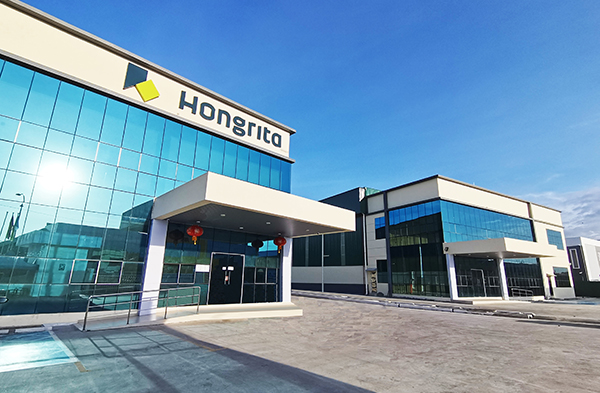
Penang
Developing tooling and molding business in Southeast Asia; and serving as proving grounds of Hongrita's global expansion plan and training base for the overseas team.
Localized Application Scenarios in the Italian Market
The application of high-precision plastic injection molding in the Italian babycare market spans across multiple product categories, each requiring specific design configurations and regulatory compliances.
Infant Feeding and Nutrition
From anti-colic baby bottles to smart formula dispensers, the feeding segment requires absolute material purity. Italian brands collaborate with precision molders to produce clear, impact-resistant bottles made of polyphenylsulfone (PPSU) or polyethersulfone (PES), combined with ultra-soft LSR nipples. The molds must feature mirror-polished finishes to ensure no bacterial accumulation can occur on the product surfaces.
Baby Safety and Monitoring Devices
Italy's tech-savvy parents are driving the adoption of smart baby monitors, wearable health trackers, and smart car seat sensors. These products require durable, flame-retardant, and aesthetically pleasing plastic enclosures. Overmolding and 2K molding are utilized to integrate shock-absorbing rubber bumpers directly onto the hard plastic casings of baby monitors, protecting them from accidental drops.
Nursery and Bathing Accessories
Ergonomic baby bathtubs, step stools, and potty trainers are designed with child ergonomics in mind. Injection molding allows for the creation of large, structurally sound, yet lightweight parts with integrated non-slip TPE surfaces. Mold flow analysis is critical here to prevent weld lines and ensure uniform wall thickness, which guarantees structural integrity under load.
Educational Toys and Teethers
Toys designed for infants must withstand constant chewing, throwing, and washing. Injection molded toys in Italy are designed with rounded corners, secure battery compartments, and non-toxic colorants. Teethers often combine multiple textures of LSR and TPE overmolded onto a rigid polypropylene (PP) core to stimulate infant sensory development safely.
Certifications & Qualifications
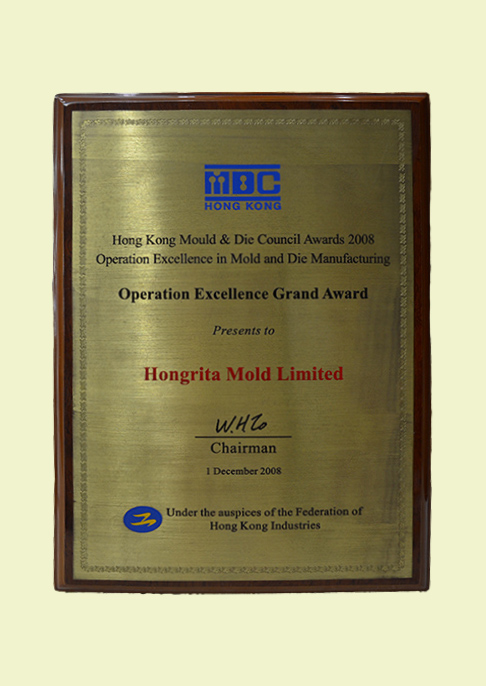
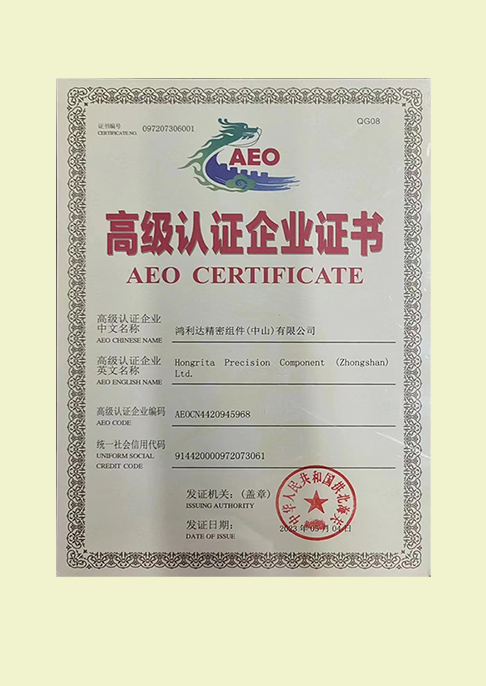
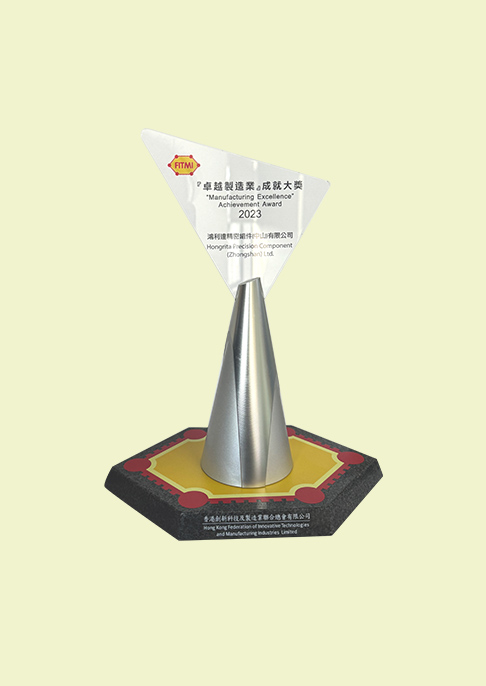
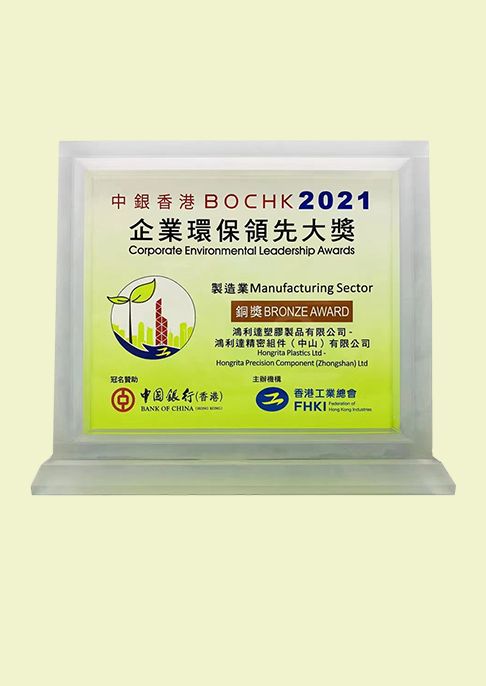
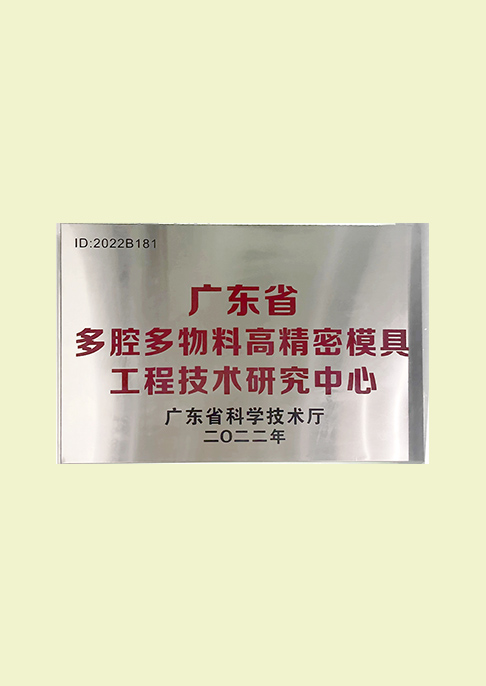
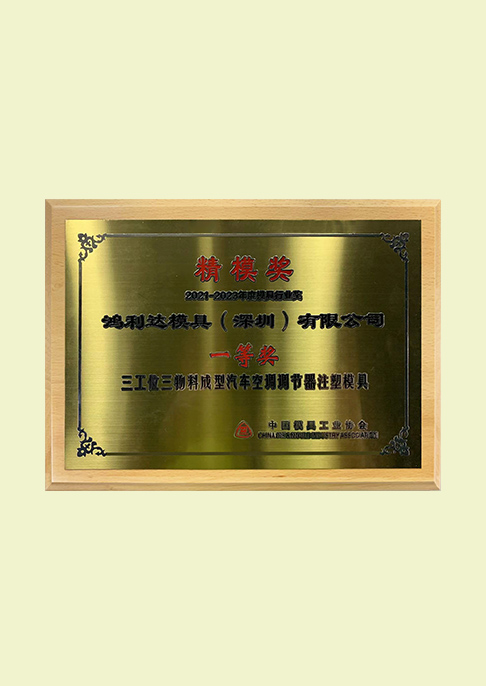
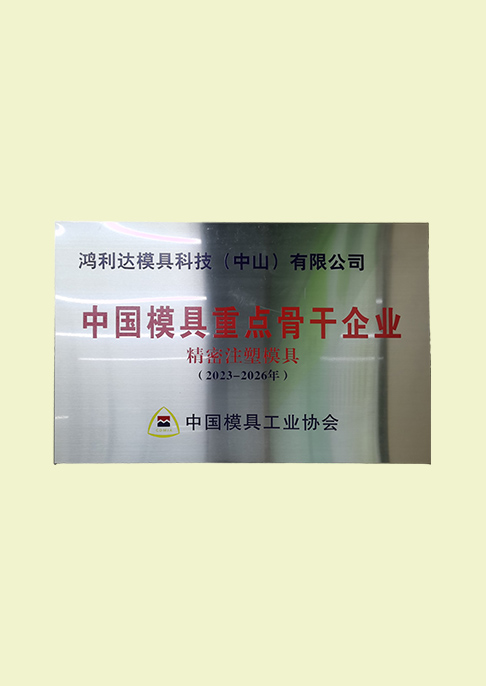
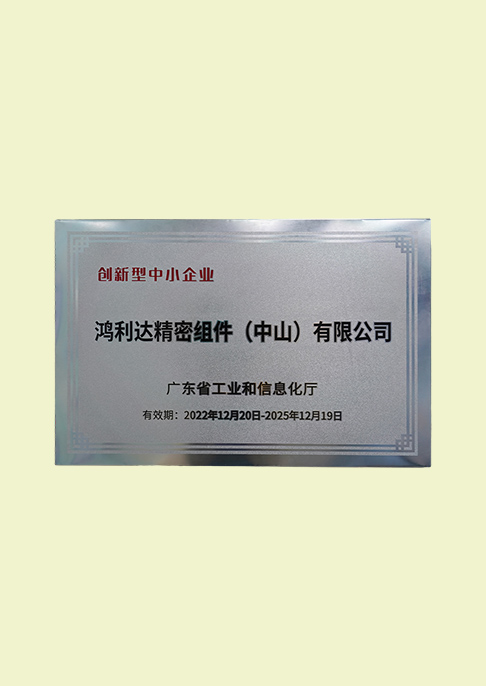
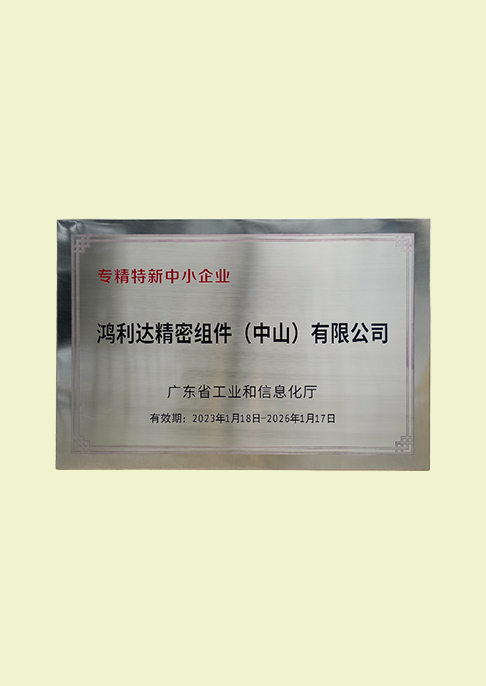
Hongrita has been certified with ISO14001, ISO9001, IATF16949, ISO13485, ISO45001, ISO/IEC27001, ISCC PLUS and has FDA registered. We maintain the highest global standards to serve premium babycare and medical brands.










Our Story


Management Methodology

Vision
Create better value together.

Mission
Make a product better with innovative, professional and intelligent molding solutions.

Core Value
Passion, Collaboration, Innovation, Professionalism, Advancement, Sustainability.