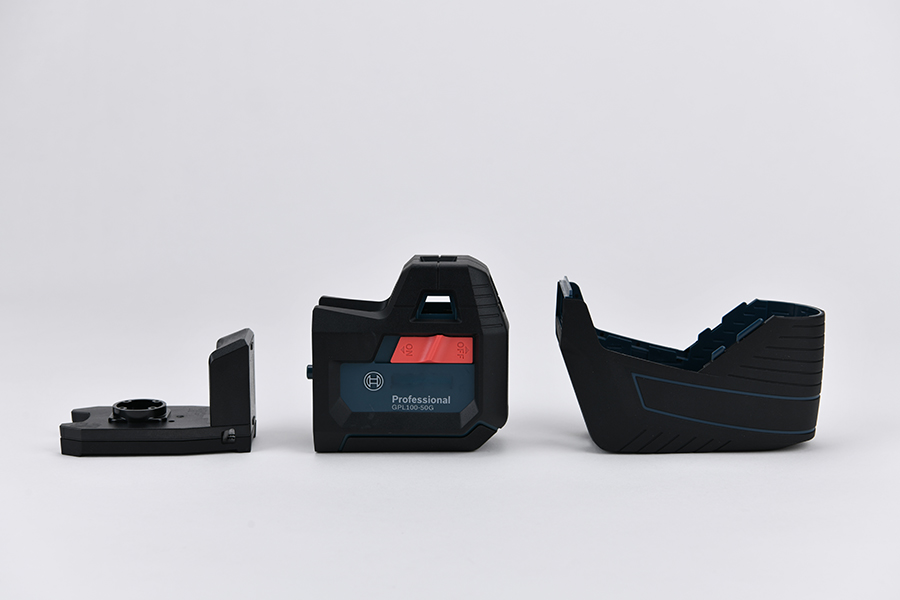
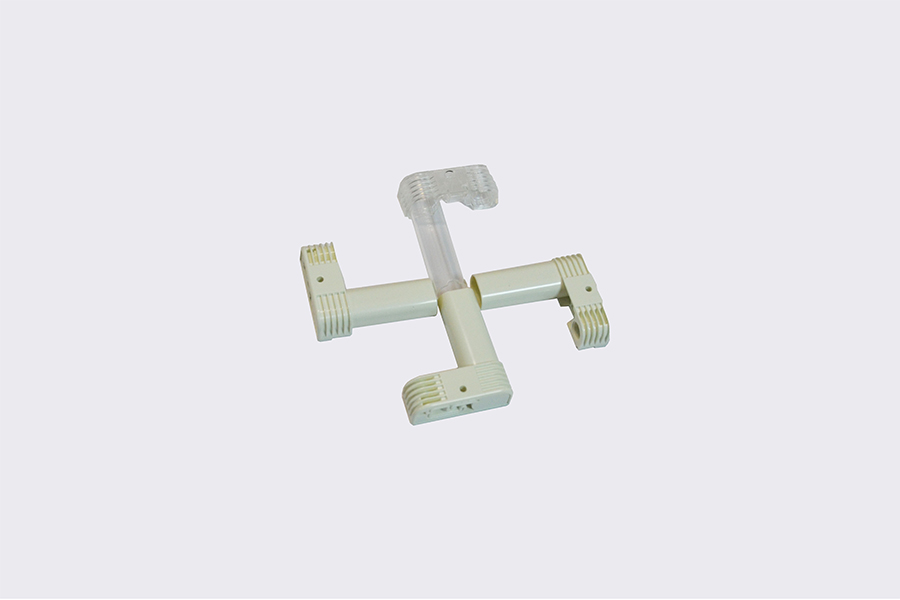
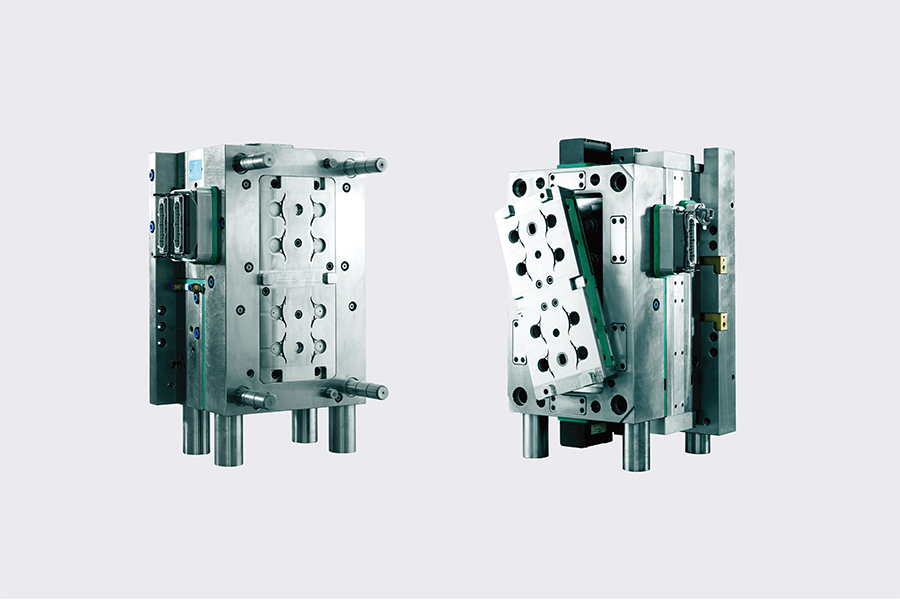
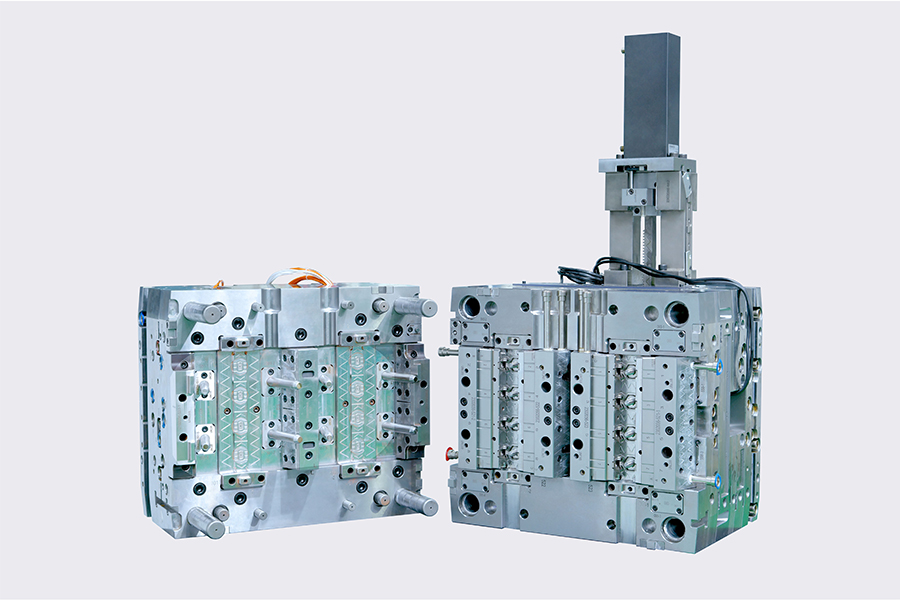
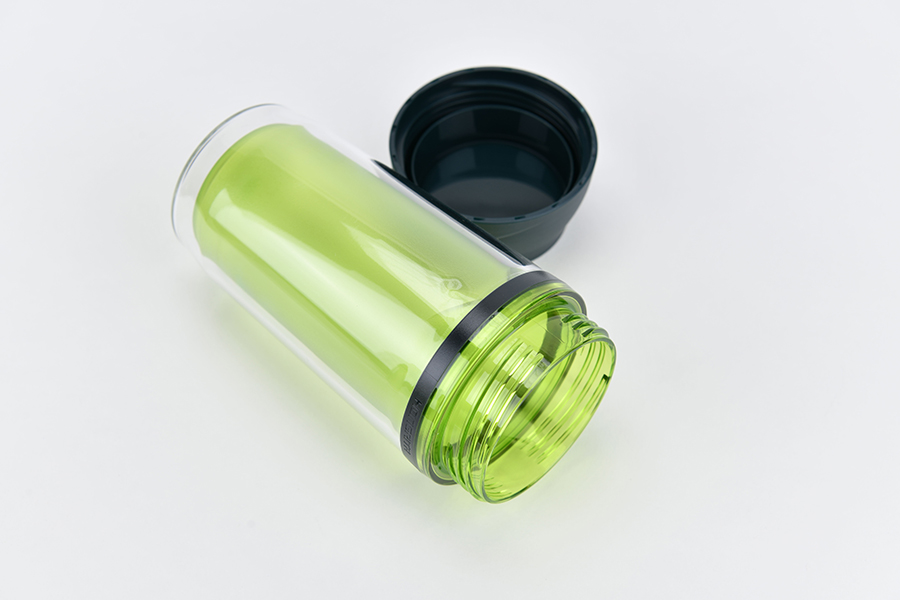
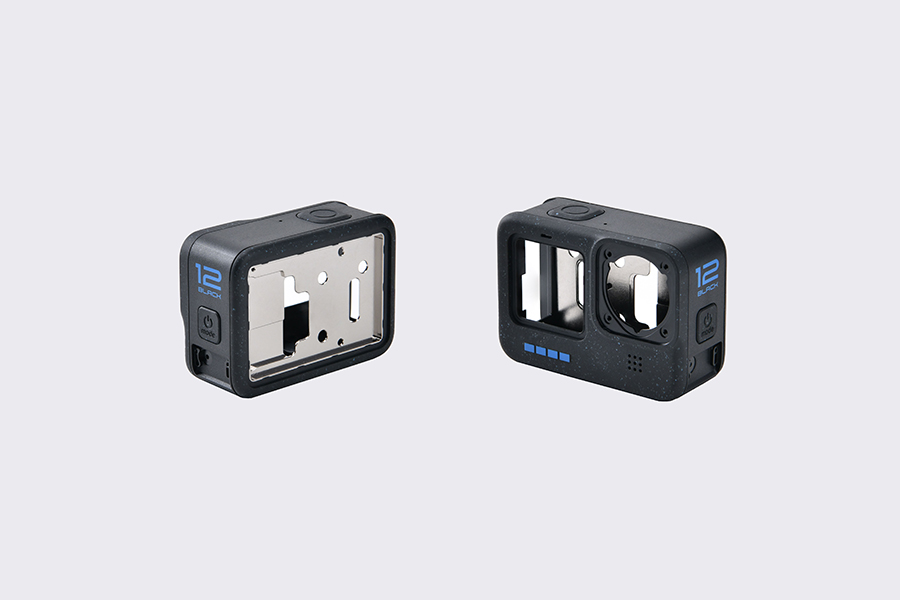
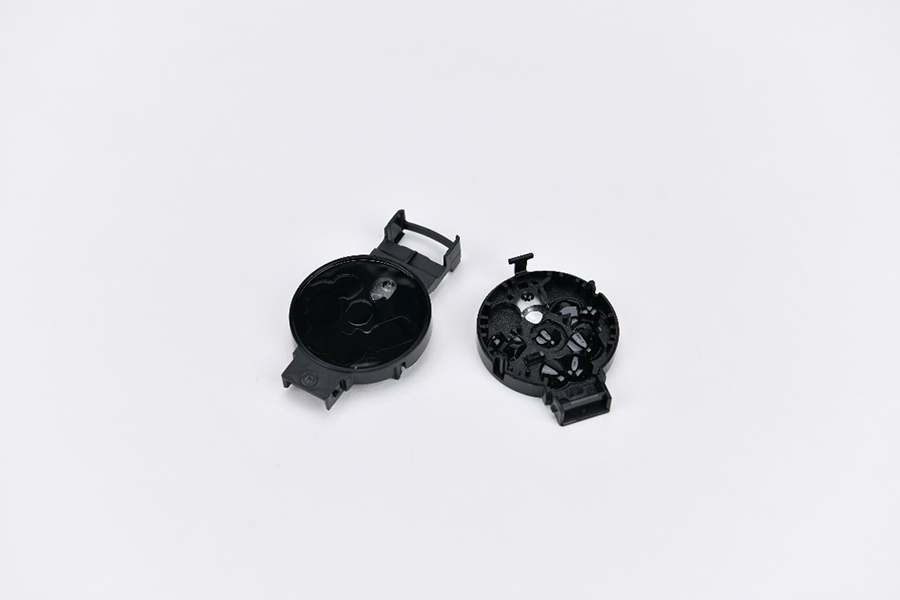
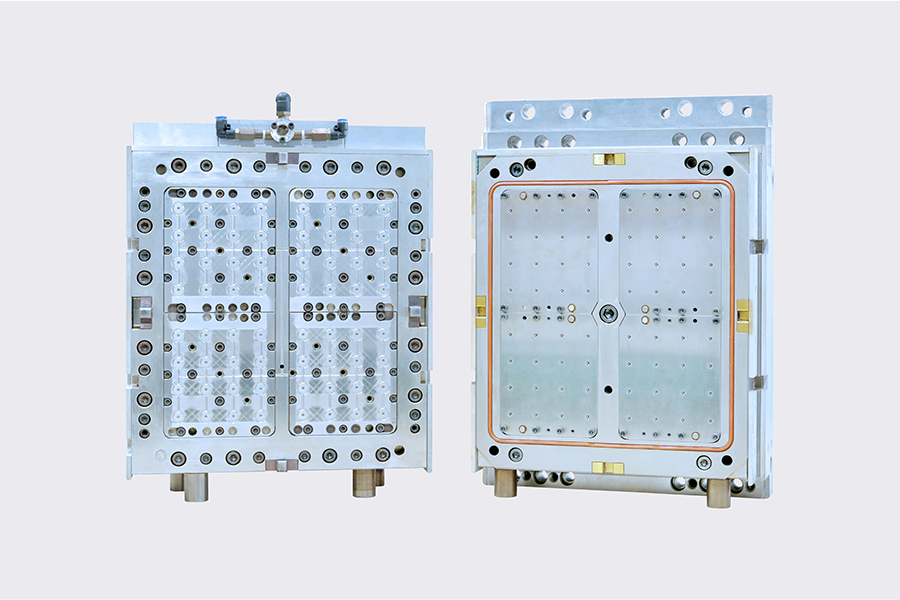
Featured Precision Automotive & Custom Components
Explore our leading high-precision parts engineered for extreme durability, automotive intelligence, and multi-component complexity.
The Landscape of Automotive Injection Molding in Mexico
Mexico has rapidly transformed into a global automotive manufacturing powerhouse. As the world's seventh-largest passenger vehicle producer and the leading auto parts supplier to the United States, the country offers an unparalleled industrial ecosystem. Within this landscape, automotive injection mold factories and companies in Mexico play a critical role. From interior trim panels to complex under-the-hood components, plastic injection molding is the backbone of modern automotive lightweighting and structural design.
The driving force behind this growth is the strategic shift toward nearshoring. Global Original Equipment Manufacturers (OEMs) and Tier 1 suppliers are increasingly localizing their supply chains within North America to mitigate logistics risks, reduce transit times, and comply with the strict regional value content (RVC) requirements mandated by the United States-Mexico-Canada Agreement (USMCA). Consequently, having access to advanced, high-precision injection tooling and molding capabilities locally in Mexico has transitioned from a competitive advantage to an absolute necessity.
💡Industry Insight: The integration of advanced manufacturing technologies, such as Liquid Silicone Rubber (LSR) molding and multi-material (2K/3K) injection processes, is enabling Mexican manufacturers to produce next-generation smart components for electric vehicles (EVs) and autonomous systems.
Key Industrial Clusters in Mexico
The automotive molding industry in Mexico is concentrated in several strategic regions, each offering unique logistical and structural benefits:
- The Bajío Region (Querétaro, Guanajuato, San Luis Potosí, and Aguascalientes): Known as the heart of Mexico’s automotive corridor, this region hosts a dense concentration of OEM assembly plants (including BMW, GM, Honda, Nissan, and Toyota) and hundreds of Tier 1 suppliers. It has become a primary hub for high-tech injection molding and precision tool maintenance.
- The Northern Border (Monterrey, Saltillo, Ciudad Juárez, and Tijuana): Offering direct highway access to the US market, this cluster specializes in high-volume production, heavy-duty structural parts, and rapid-turnaround components for North American assembly lines.
- Central Mexico (Puebla and Estado de México): Supported by long-standing manufacturing traditions (anchored by Volkswagen and Audi), this area focuses on high-precision engineering, interior aesthetics, and complex electronics housing.
Technological Trends: EV Revolution & Lightweighting
The global automotive industry is undergoing its most significant transition in a century, driven by electrification, connectivity, and autonomous driving. In Mexico, injection molding factories are evolving rapidly to meet these new technical demands. Here are the prominent trends shaping the sector:
1. Advanced Lightweighting Solutions
With the rise of Electric Vehicles (EVs), weight reduction has become critical to maximizing battery range. Advanced engineering plastics, structural foam molding, and carbon-fiber-reinforced thermoplastics are replacing traditional steel and aluminum components. Mold makers must design tools that can handle high-performance polymers while maintaining strict dimensional tolerances for thin-walled parts.
2. Multi-Component (2K & 3K) Injection Molding
Multi-material molding allows the integration of different plastics, or plastics and elastomers, in a single manufacturing step. This eliminates the need for secondary assembly, reduces labor costs, and eliminates potential failure points. For example, combining rigid structural frames with soft-touch seals or transparent lenses in one cycle is now standard for advanced interior components and sensor housings.
3. Liquid Silicone Rubber (LSR) Technology
As vehicles become more electronic and connected, the demand for sealing and insulation grows exponentially. LSR injection molding is essential for manufacturing high-durability wire harness plugs, connector seals, and battery pack gaskets that can withstand extreme temperatures and environmental exposure. The precision required for LSR tooling demands state-of-the-art mold-making capabilities.
⚡EV Focus: High-voltage connectors and battery management systems rely heavily on double-shot and LSR overmolding to guarantee dustproof and waterproof ratings, ensuring vehicle safety over long lifecycles.
Local Application Scenarios in Mexican Automotive Production
Injection molded parts are integrated into every functional area of modern vehicles manufactured in Mexico. Key application scenarios include:
Interior Systems & Smart Cabins
The modern cabin is a hub of technology and aesthetics. Molded parts include seamless instrument panels, air vent assemblies, decorative bezels with integrated capacitive touch controls, and glovebox systems. The use of multi-component molding prevents squeak-and-rattle issues, delivering a premium user experience.
Exterior Components & Lighting
From bumper grilles to complex headlight housings and optical lenses, exterior components must withstand harsh weather, UV exposure, and physical impacts. Precision tooling ensures perfect aerodynamic fitment and crystal-clear optical performance for LED and laser lighting modules.
Under-the-Hood & Powertrain
Engine covers, air intake manifolds, thermal management valves, and fluid reservoirs are subjected to continuous thermal cycling and chemical exposure. High-performance engineering plastics molded under highly controlled parameters ensure these parts match the durability of traditional metals at a fraction of the weight.
Electronic Control Units & Sensors
With Advanced Driver Assistance Systems (ADAS) becoming standard, vehicles are packed with radar, lidar, and camera sensors. Injection molded housings protect these sensitive electronics from moisture, dust, and electromagnetic interference (EMI), requiring absolute sealing integrity.
GLOBAL LOCATIONS

Hongrita's global footprint supports the automotive supply chain with strategic engineering, tooling, and manufacturing hubs across key industrial regions.
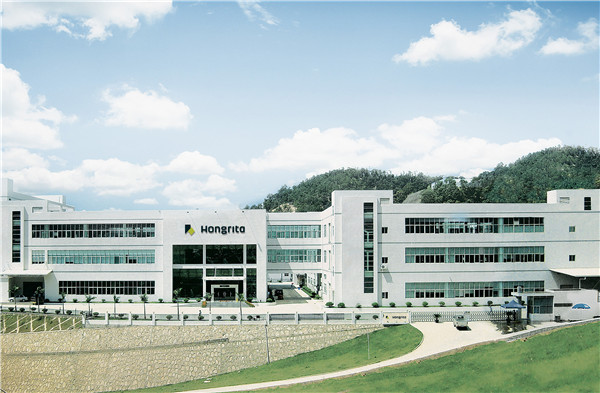
Shenzhen
Focusing on the 3C and intelligent technology components business, overseas commercial mold business, and in-house use molds.
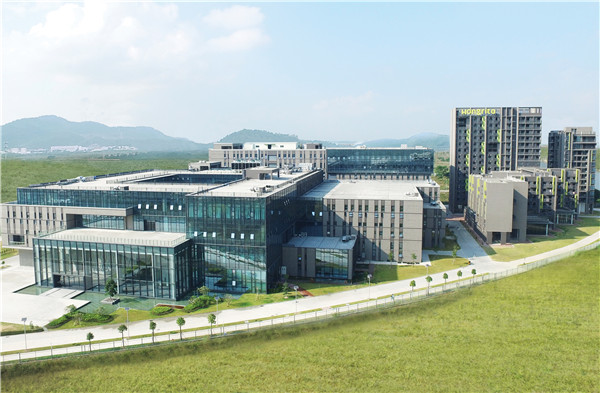
Zhongshan
Serving as Hongrita's hub for innovation R&D, engineering, major projects and production; and the proving grounds of change management, new technology applications and intelligent manufacturing.
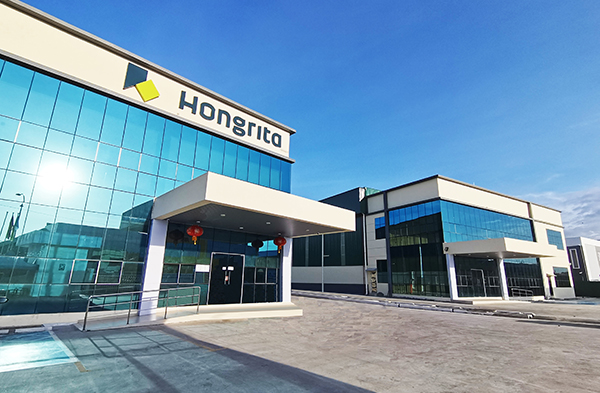
Penang
Developing tooling and molding business in Southeast Asia; and serving as proving grounds of Hongrita's global expansion plan and training base for the overseas team.
OUR STORY & EVOLUTION
From a single milling machine to a global multi-material molding pioneer, our journey is built on precision, innovation, and strategic growth.

1988
After completing the apprentice program, Mr. Felix Choi, the founder of Hongrita, borrowed money and invested in the first milling machine in June 1988. He rented a corner in a friend's factory and established Hongrita Mould Engineering Company, specializing in mold and hardware parts processing. Mr. Choi’s humble, diligent, and progressive entrepreneurial spirit attracted a group of like-minded partners. With the collaborative efforts of the core team and their excellent skills, the company focused on the design and production of complete molds, establishing a reputation for manufacturing precision plastic molds.

1993
In 1993, riding the wave of national reform and opening up, Hongrita established its first base in Longgang District, Shenzhen, and expanded its business to include plastic moulding and secondary processing. After 10 years of growth, the core team believed that it was necessary to build a unique and differentiated competitive advantage in order to be invincible. In 2003, the company began research and development of multi-material/ multi-component moulding technology and moulding process, and in 2012, Hongrita took the lead in making breakthroughs in liquid silicone rubber (LSR) mould and moulding technology, becoming a benchmark in the industry. By leveraging innovative technologies such as multi-material and LSR, Hongrita has successfully attracted more quality customers by solving customers' product pain points and jointly adding value to development ideas.

2015 - 2024 - Future
In order to expand and strengthen its business, Hongrita established operational bases in Cuiheng New District, Zhongshan City and Penang State, Malaysia in 2015 and 2019, and the management initiated an all-round upgrading and transformation in 2018, formulated a medium- and long-term development plan and ESG sustainable development strategy to fully cultivate a win-win culture. Now, Hongrita is moving towards the goal of building a world-class lighthouse factory by upgrading digital intelligence, AI application, OKR and other activities to improve management effectiveness and per capita efficiency.
MANAGEMENT METHODOLOGY & VALUES

Vision
Creat better value together.

Mission
Make a product better with innovative, professional and intelligent molding solutions.

Core Value
Passion, Collaboration, Innovation, Professionalism, Advancement, Sustainability.
Operational Management Framework

QUALIFICATIONS & CERTIFICATIONS
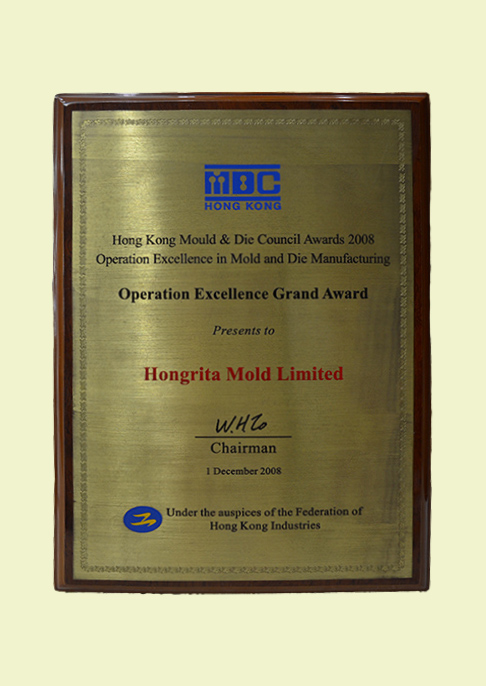
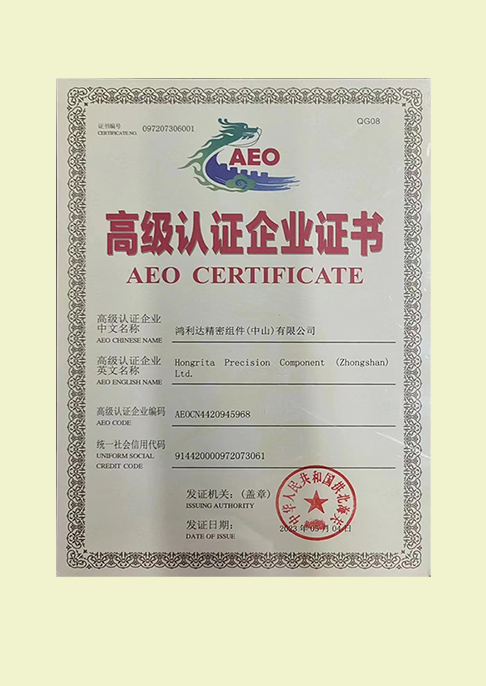
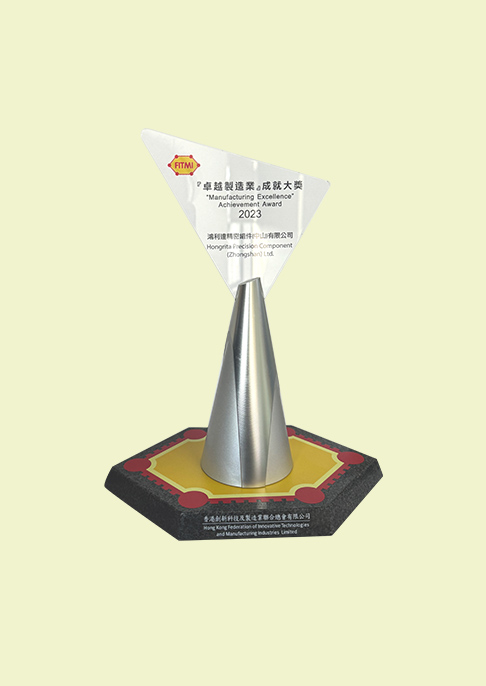
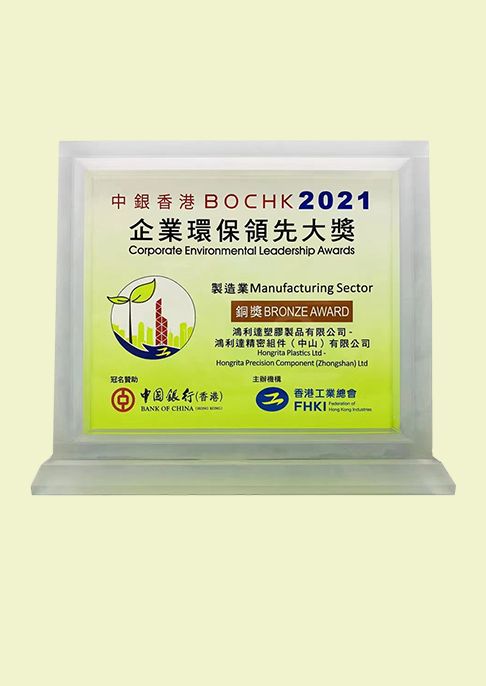
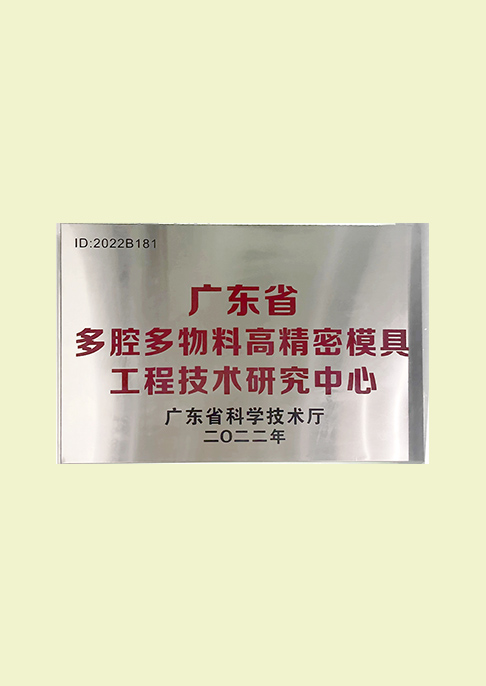
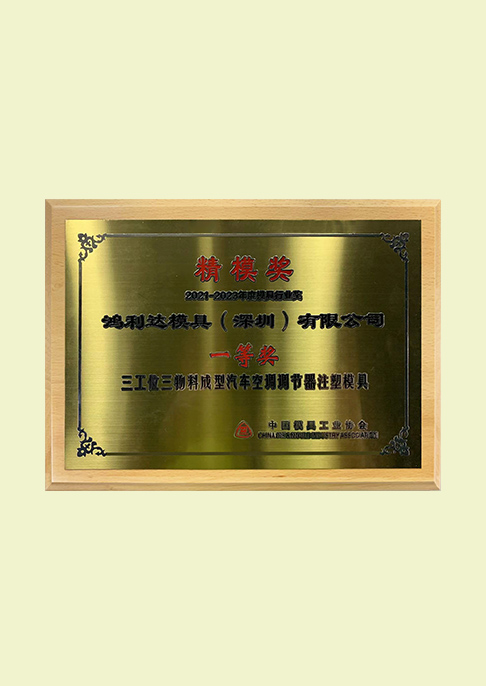
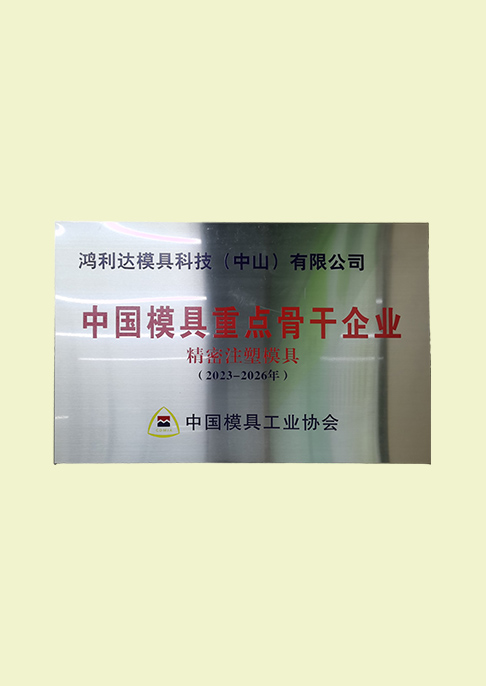
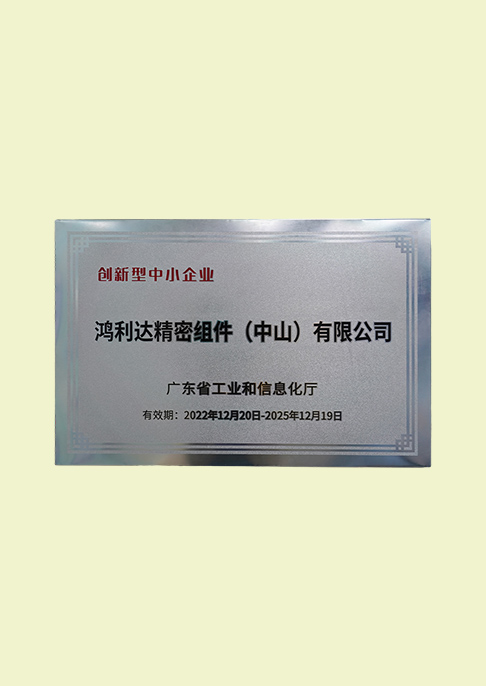
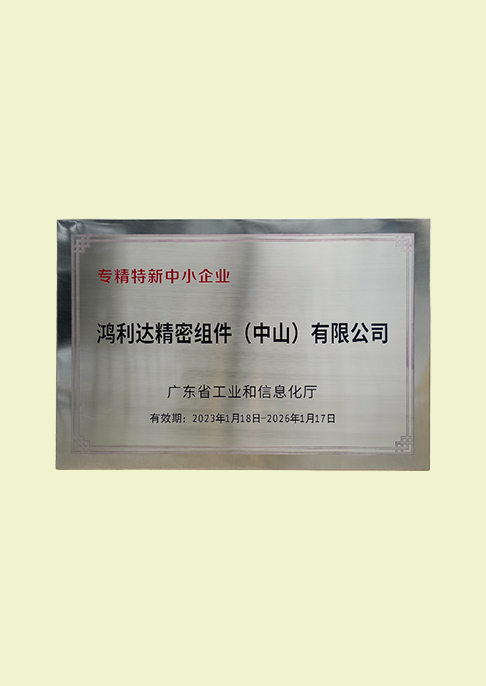
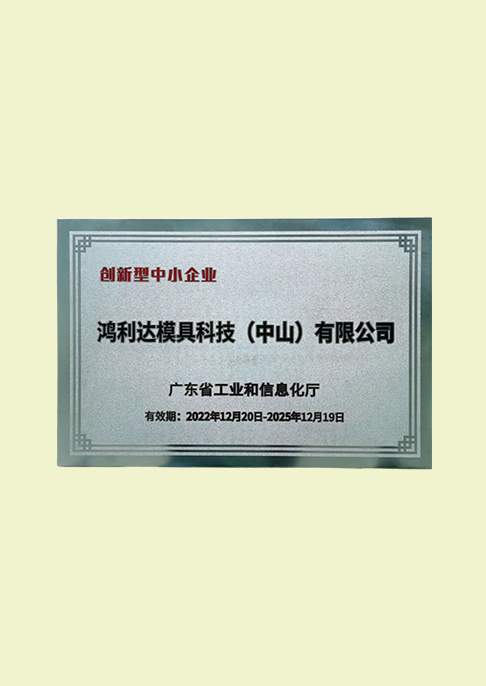
Hongrita has been certified with ISO14001, ISO9001, IATF16949, ISO13485, ISO45001, ISO/IEC27001, ISCC PLUS and has FDA registered, ensuring the highest standards of automotive and medical precision.









How Global Mold Manufacturers Support Mexican Nearshoring
While Mexico offers an exceptional manufacturing workforce and geographic advantages, sourcing world-class, high-precision molds locally can sometimes present challenges. High-complexity tooling, particularly for multi-component (2K/3K) molding and Liquid Silicone Rubber (LSR), requires deep engineering expertise and advanced CNC machinery that only a few global manufacturers possess.
This is where the synergy between global tooling experts and Mexican production facilities becomes invaluable. By designing and building molds in specialized global engineering hubs (such as Hongrita’s bases in Shenzhen and Zhongshan) and delivering them directly to assembly lines in Querétaro or Monterrey, OEMs achieve the best of both worlds: world-class tooling precision and highly cost-effective local production.
The Importance of Tooling Maintenance and Support in Mexico
A mold is an active production asset that requires continuous care. Global mold makers supporting the Mexican market establish localized service networks or partner with local engineering shops to provide:
- Rapid Engineering Changes: Fast modification of tooling inserts to accommodate design updates without shipping the mold back to its origin.
- Preventative Maintenance: Regular wear-and-tear inspections, polishing, and seal replacements to prevent production downtime.
- On-Site Commissioning: Deployment of specialized technicians to Mexican factories to assist with mold setup, parameter optimization, and initial trial runs.
Complete Precision Product Portfolio
Browse our complete catalog of multi-material, silicone, and high-performance industrial components designed for demanding environments.