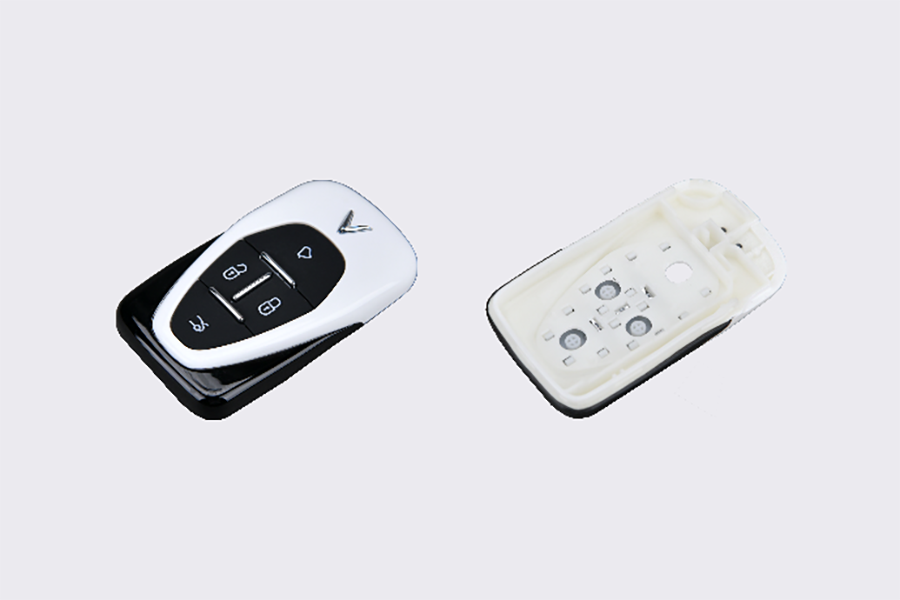
Featured Multi-Component Innovations
Discover our advanced multi-material molding applications tailored for smart household ecosystems and high-end personal care solutions.
The Commercial & Industrial Landscape of 3K Injection Moulding
In the highly competitive markets of household appliances and personal care products, the demand for sophisticated design, ergonomic comfort, and multi-functional integration has reached unprecedented heights. Consumers no longer settle for single-plastic commodities; they demand appliances that are smart, durable, water-resistant, and aesthetically pleasing. This shift has placed 3K (three-component) injection moulding at the forefront of modern manufacturing technology.
3K injection moulding allows for the simultaneous or sequential injection of three distinct materials—such as rigid thermoplastics, soft-touch elastomers (TPE/TPU), and liquid silicone rubber (LSR)—into a single mold during one production cycle. This eliminates secondary assembly processes, reduces cycle times, minimizes labor costs, and dramatically improves the structural integrity of the final product. Today, global brands leverage 3K technology to create complex components, such as multi-colored control panels, integrated waterproof seals, and vibration-dampening structures that define high-end user experiences.

Deep Dive: 3K Moulding Applications in Consumer Sectors
Understanding the exact mechanics and benefits of combining multiple materials is crucial for product designers and engineers. Below are the core areas where 3K injection moulding is transforming product architecture:
Smart Household Appliances
Modern smart homes rely on devices like robotic vacuums, intelligent coffee machines, and smart blenders. 3K moulding is utilized to produce integrated control panels where a rigid structural substrate is combined with a transparent light-guide plastic and a soft-touch silicone button interface. This single-piece construction guarantees dustproof and waterproof performance, essential for kitchen environments.
Premium Personal Care Devices
For electric toothbrushes, high-end shavers, and facial massagers, the tactile feel and water resistance are paramount. 3K moulding merges a robust inner shell (e.g., PC or ABS) with a soft elastomeric grip (TPE) for slip resistance, and a dynamic Liquid Silicone Rubber (LSR) seal to prevent water ingress into the internal electronics. This combination ensures IPX7/IPX8 waterproofing while maintaining an ergonomic, premium aesthetic.
Advanced Material Co-Polymerization
The engineering challenge of 3K moulding lies in material compatibility. Achieving a perfect chemical bond between polar materials (like Nylon or Polycarbonate) and non-polar elastomers without adhesives requires precise melt temperature controls and specialized mold design. Our advanced tooling systems ensure clean separation lines and zero flash, even when dealing with extremely low-viscosity materials like LSR.
Future Trends: ESG, Miniaturization, and Smart Integration

Environmental Sustainability & Bio-Polymers
As regulatory bodies and consumers push for greener products, the integration of post-consumer recycled (PCR) resins and bio-based plastics into multi-component molding is accelerating. 3K moulding allows manufacturers to confine recycled materials to the inner structural core of a product, while using virgin, premium, or soft-touch materials for the outer touchpoints. This approach maintains aesthetic and tactile excellence while significantly reducing the carbon footprint.
Miniaturization & In-Mold Electronics (IME)
The next frontier in personal care and household technology is the integration of electronic circuits directly into the molded plastics. By combining conductive polymers with structural and protective elastomers, 3K moulding paves the way for touch-sensitive surfaces without mechanical buttons, leading to sleeker, lighter, and more durable product designs.
Our Global Footprint & Locations
Hongrita operates state-of-the-art manufacturing and R&D facilities globally to serve our partners efficiently.
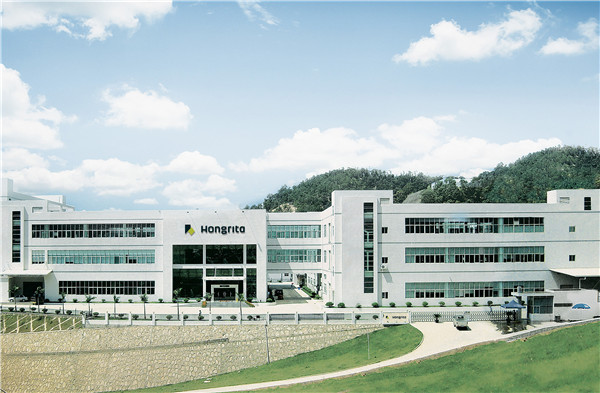
Shenzhen
Focusing on the 3C and intelligent technology components business, overseas commercial mold business, and in-house use molds.
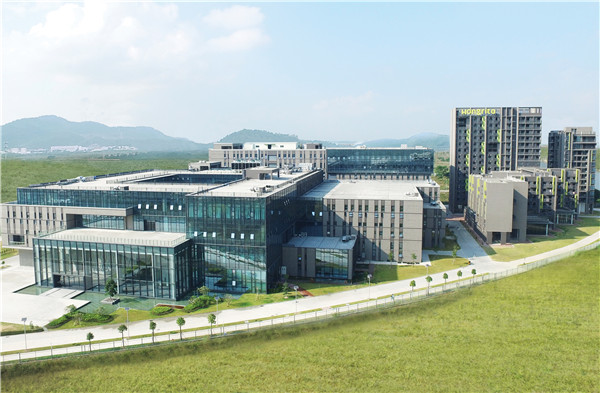
Zhongshan
Serving as Hongrita's hub for innovation R&D, engineering, major projects and production; and the proving grounds of change management, new technology applications and intelligent manufacturing.
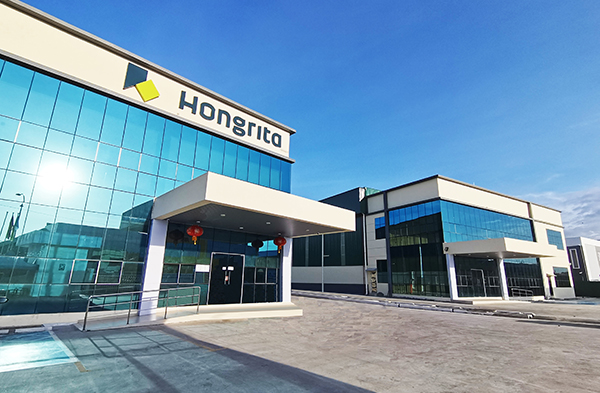
Penang
Developing tooling and molding business in Southeast Asia; and serving as proving grounds of Hongrita's global expansion plan and training base for the overseas team.
Our Qualifications & Certifications
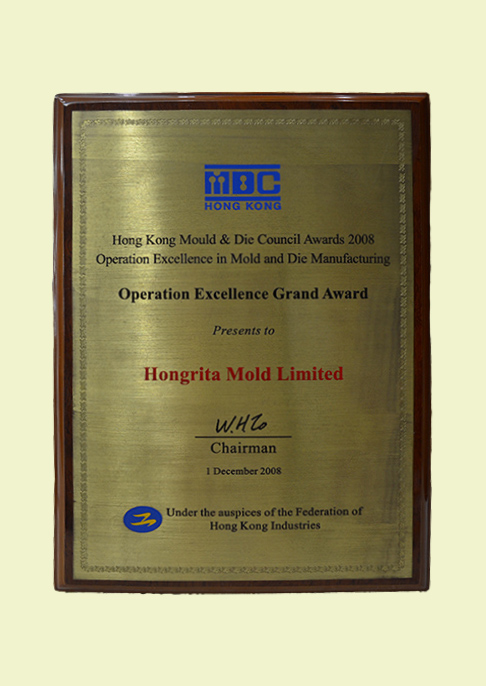
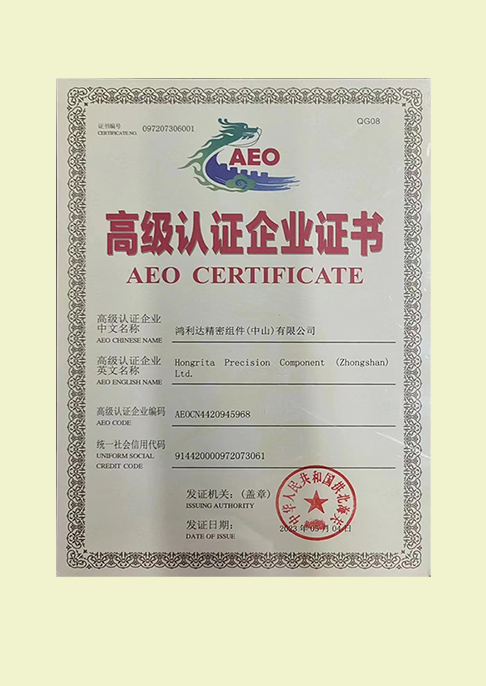
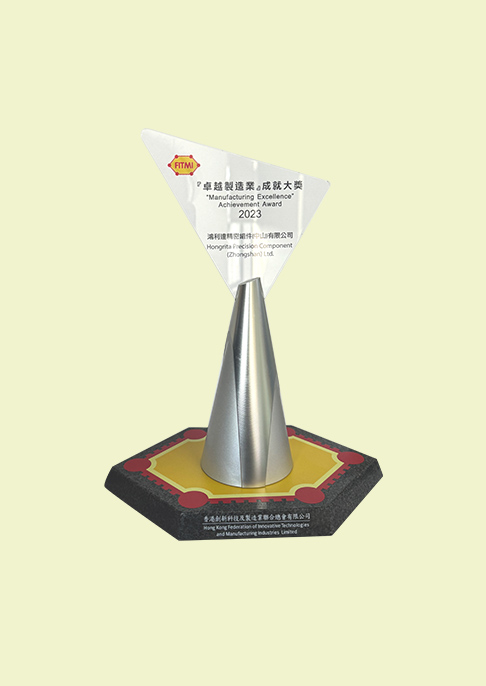
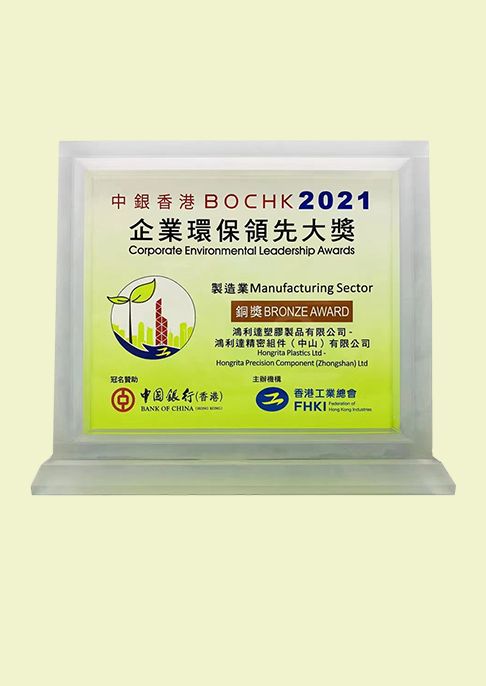
Hongrita is committed to maintaining the highest industry standards for quality, environmental safety, and information security. Our systems are fully certified to support medical, automotive, and consumer electronics sectors globally.
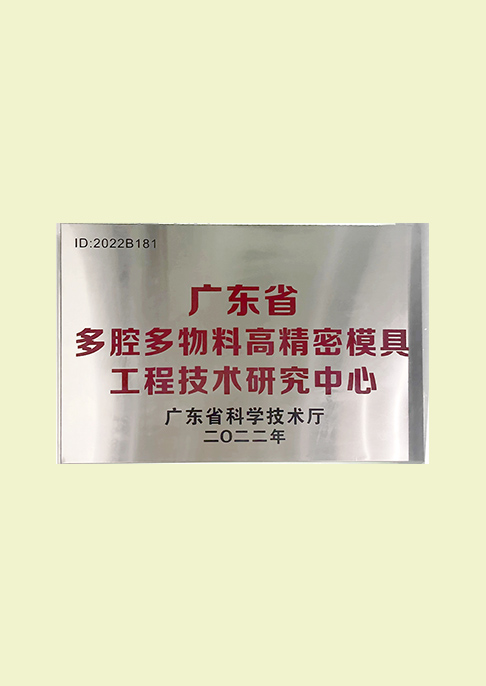
Certified Standards: ISO14001, ISO9001, IATF16949, ISO13485, ISO45001, ISO/IEC27001, ISCC PLUS, and FDA registered.



Our Story & Historical Milestones

After completing the apprentice program, Mr. Felix Choi, the founder of Hongrita, borrowed money and invested in the first milling machine in June 1988. He rented a corner in a friend's factory and established Hongrita Mould Engineering Company, specializing in mold and hardware parts processing. Mr. Choi’s humble, diligent, and progressive entrepreneurial spirit attracted a group of like-minded partners. With the collaborative efforts of the core team and their excellent skills, the company focused on the design and production of complete molds, establishing a reputation for manufacturing precision plastic molds.

In 1993, riding the wave of national reform and opening up, Hongrita established its first base in Longgang District, Shenzhen, and expanded its business to include plastic moulding and secondary processing. After 10 years of growth, the core team believed that it was necessary to build a unique and differentiated competitive advantage in order to be invincible. In 2003, the company began research and development of multi-material/ multi-component moulding technology and moulding process, and in 2012, Hongrita took the lead in making breakthroughs in liquid silicone rubber (LSR) mould and moulding technology, becoming a benchmark in the industry. By leveraging innovative technologies such as multi-material and LSR, Hongrita has successfully attracted more quality customers by solving customers' product pain points and jointly adding value to development ideas.

In order to expand and strengthen its business, Hongrita established operational bases in Cuiheng New District, Zhongshan City and Penang State, Malaysia in 2015 and 2019, and the management initiated an all-round upgrading and transformation in 2018, formulated a medium- and long-term development plan and ESG sustainable development strategy to fully cultivate a win-win culture. Now, Hongrita is moving towards the goal of building a world-class lighthouse factory by upgrading digital intelligence, AI application, OKR and other activities to improve management effectiveness and per capita efficiency.
Management Methodology & Core Philosophy
Vision
Create better value together.

Mission
Make a product better with innovative, professional and intelligent molding solutions.
Core Value
Passion, Collaboration, Innovation, Professionalism, Advancement, Sustainability.
Structured Management Framework

Our Complete Multi-Component Product Portfolio
Browse our comprehensive range of high-performance molding products designed to meet strict industrial and consumer standards.
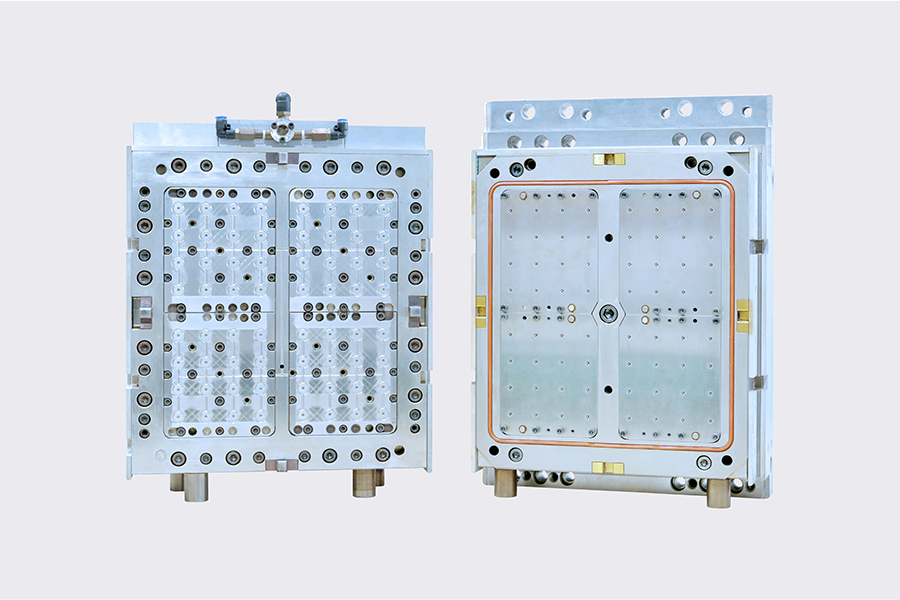
High-quality LSR harness plugs - dustproof and waterproof, suitable for electric vehicle products
Explore Product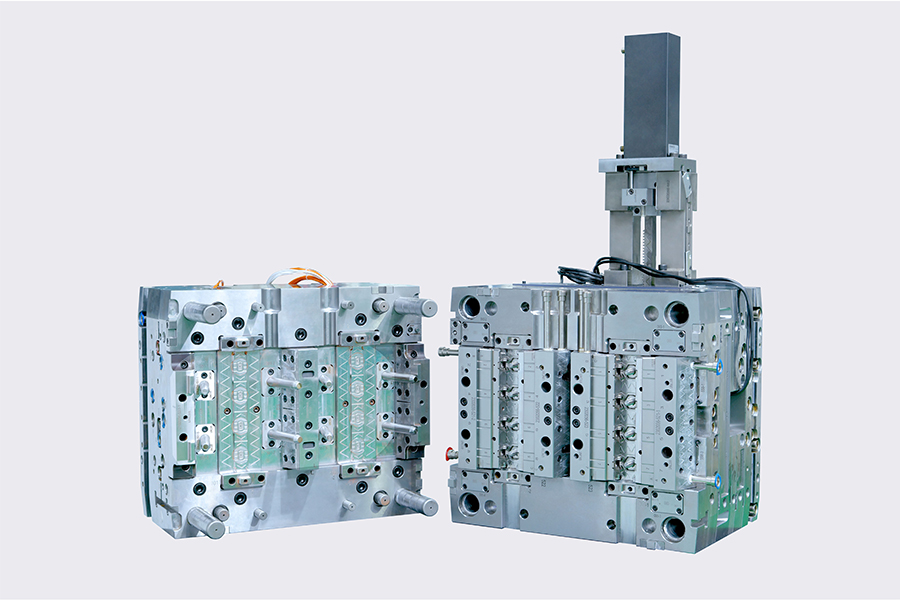
Intelligent Car Door Locks - High Accuracy, Durable, Strong and Reliable
Explore Product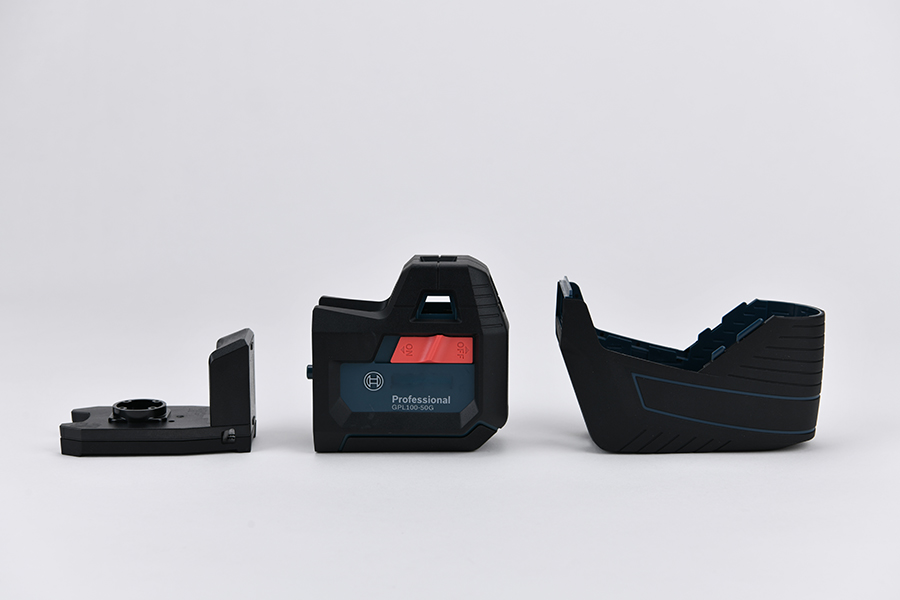
Industrial-grade 2k stent gauge - accurate and stable, suitable for all kinds of complex environmental measurement tasks
Explore Product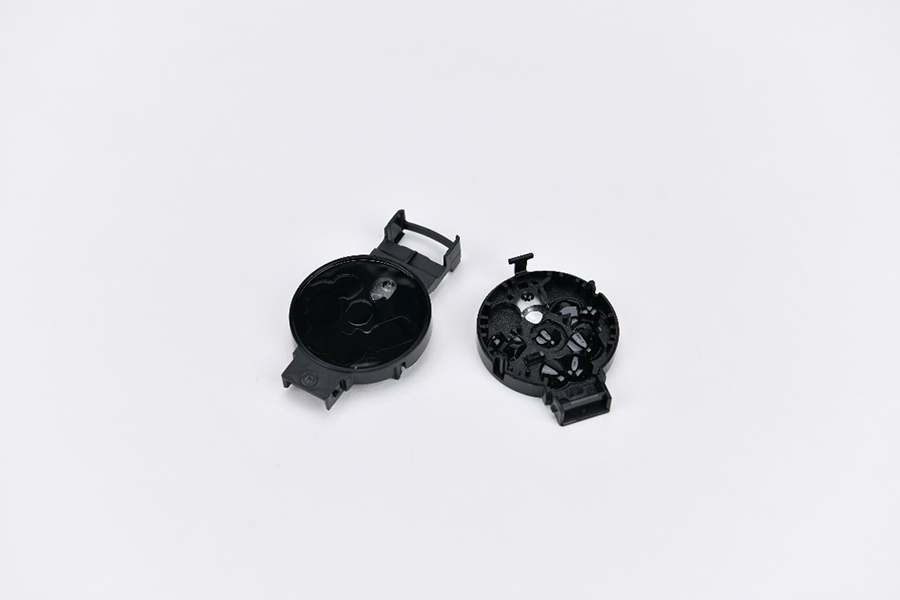
3K Sensor - Multi-material Integrated Precision Sensor Housing
Explore Product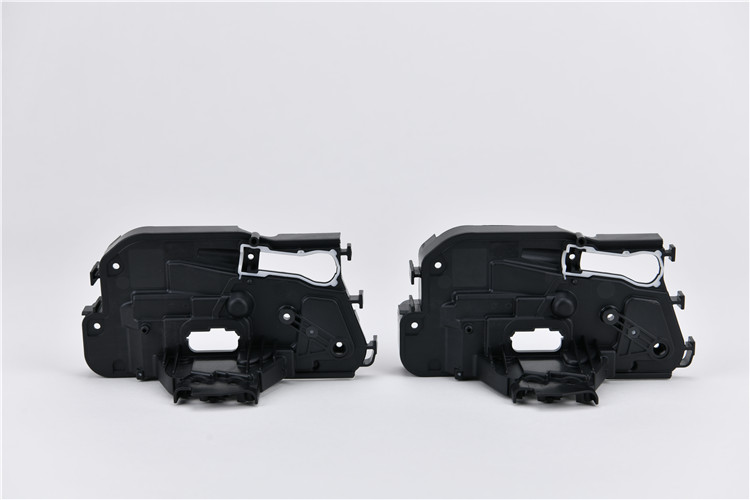
Upper Housing FGL 2K - Premium craftsmanship and materials to enhance door texture and security
Explore Product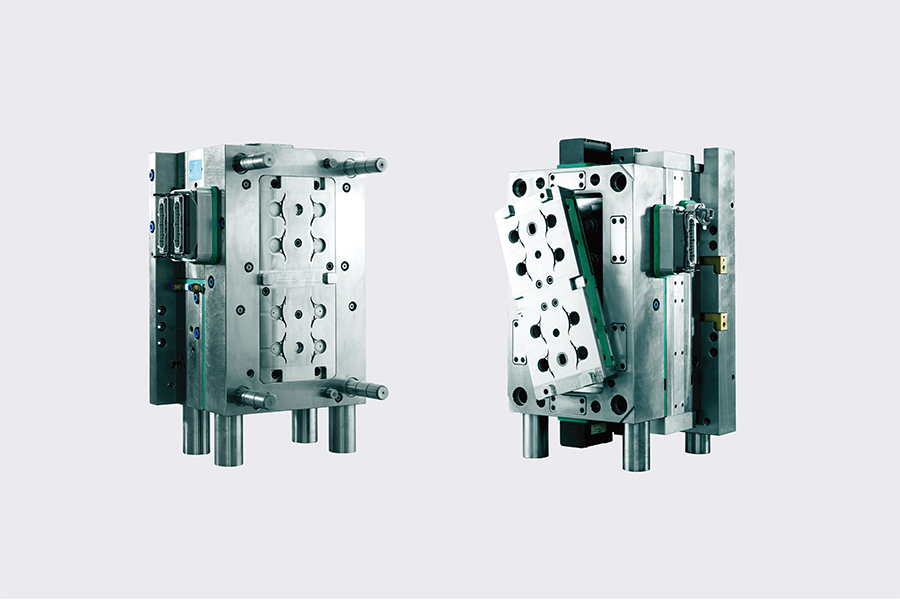
Multi-functional2K Orange Peeler - efficient and convenient, a good helper for kitchen cutting
Explore Product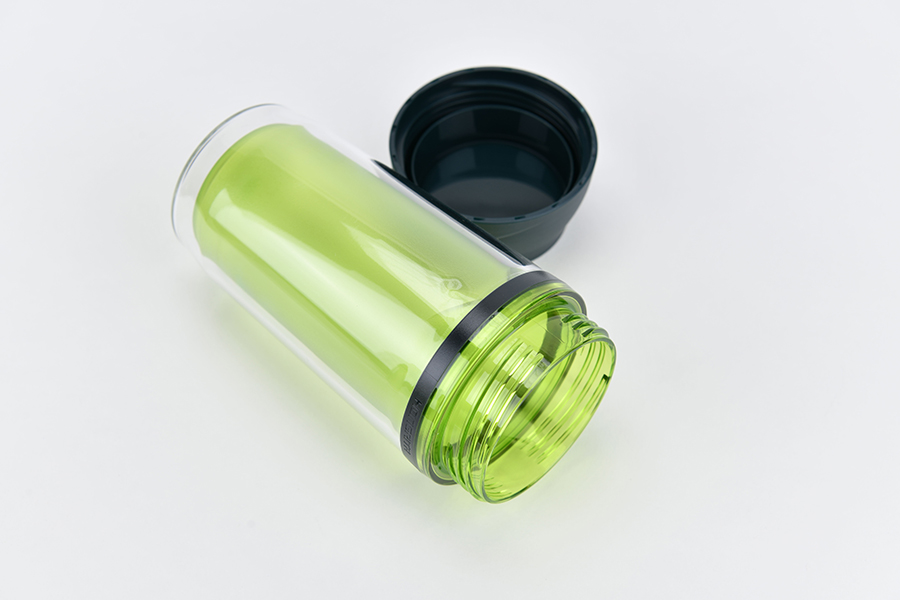
Healthy 3-component Insulated Cup- The Best Choice for Stylish Travel and Business Offices
Explore Product